I’ll try to keep the photos of temples to a minimum
Life and Language in Indonesia
I needed a chance to challenge myself- to encounter a culture both wholly unfamiliar yet right next door.
So I signed up for a year in Jakarta.
Prior to coming to Indonesia, I had only ever studied it. I knew a little about its politics and policies, but I had never been there before. I had never even been to Asia before I flew in on the 24th June 2019.
This experience was part of the Australian Volunteers Program- a program facilitated by the Australian Government (DFAT) to match Australian volunteers with partners overseas. Partner organisations could be community-level charities and NGOs, government departments or international organisations with offices in the respective countries. While the program focus on the Asia-Pacific, there are placements across the Asian and African continents.
Before they begin their placements, each volunteer gets to spend some time in language training. Indonesia is the country with the largest number of assignments (approximately 80-90 volunteers arriving there each year), and our intake of 15 stayed together in the city of Yogyakarta for an intensive 4 week course at Wisma Bahasa, a language centre.
Yogyakarta is located in the south-east region of Java- the most populated island in the Indonesian archipelago. It is the seat of the Sultan, the only recognised monarch under the Indonesian Republic. It is also the location of two UNESCO World Heritage Sites- Prambanan Temple and Borobudur Temple. More on those later!
This was about the level of information I had before embarking on a month-long language learning experience in Indonesia’s culture capital.
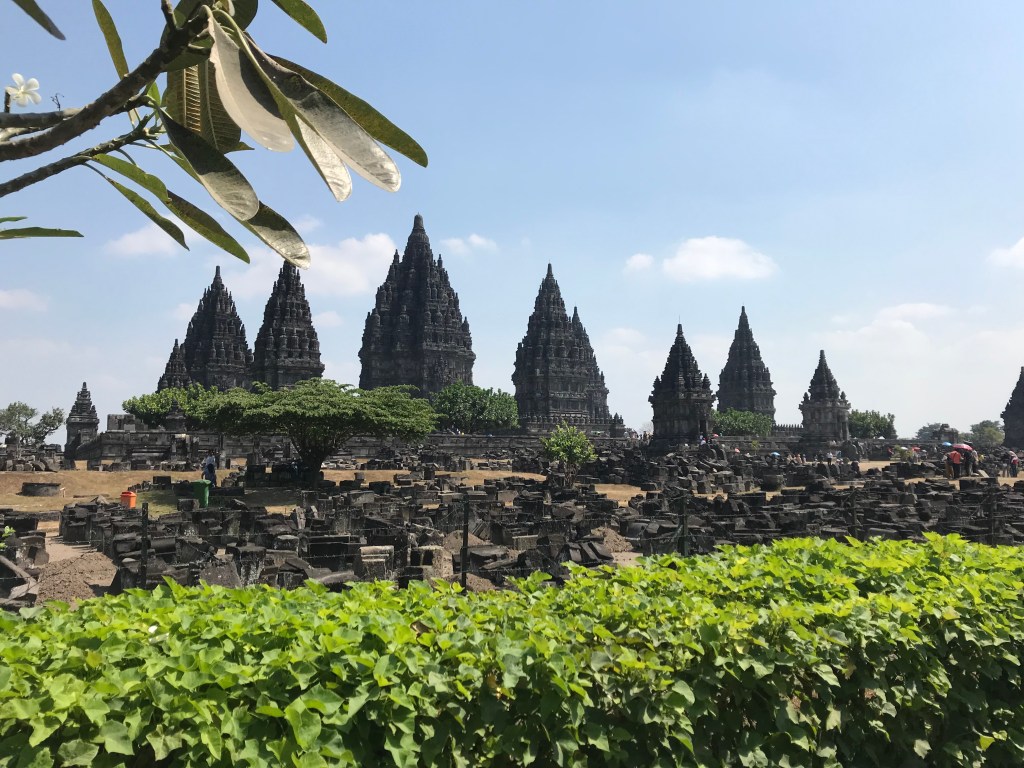
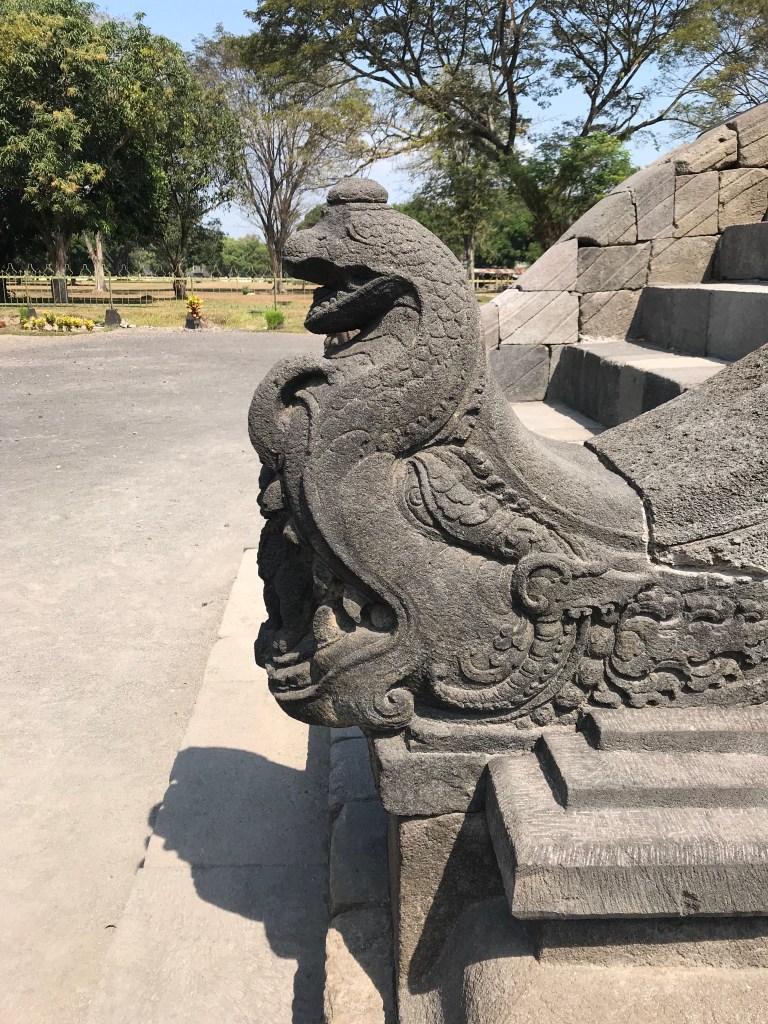
Candi Prambanan
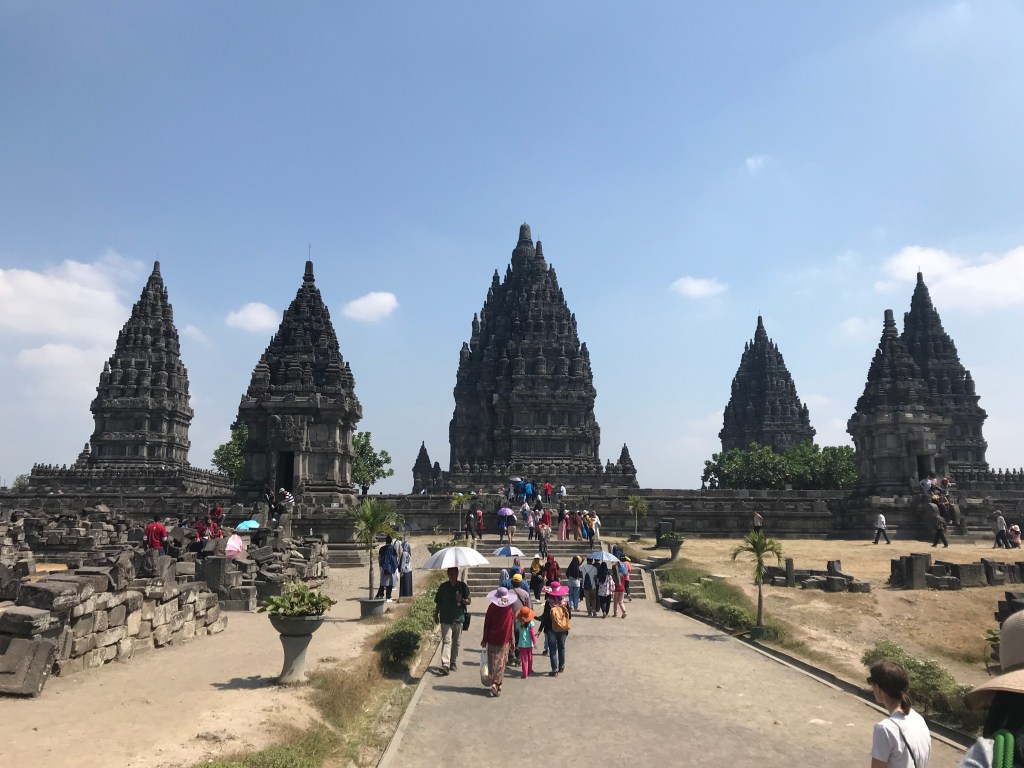
Prambanan Temple- The first temple visited the day after our 7-hour (freezing) train journey from Jakarta. We travelled up using Grab and Go-jek- the taxi services that run similar to Uber with predetermined prices order by an app. Many of us still felt unsure of using these services- it’s so much easier to rely on others when you are in a big group with differing levels of experience.
Arriving there you pay for your ticket- it’s more expensive for foreigners (about AUD $30) but you do get a discount if you are a student! Once you enter, Prambanan is on your left, unexpectedly close to the centre and already filled with people. Prambanan temple is a Hindu temple from the 9th century, rediscovered by the British in the 19th. However locals knew of the ruins well before this. Currently being reconstructed to simulate its former glory, the temple was hit hard by the Yogyakarta earthquake in 2006.

Wayang Kulit
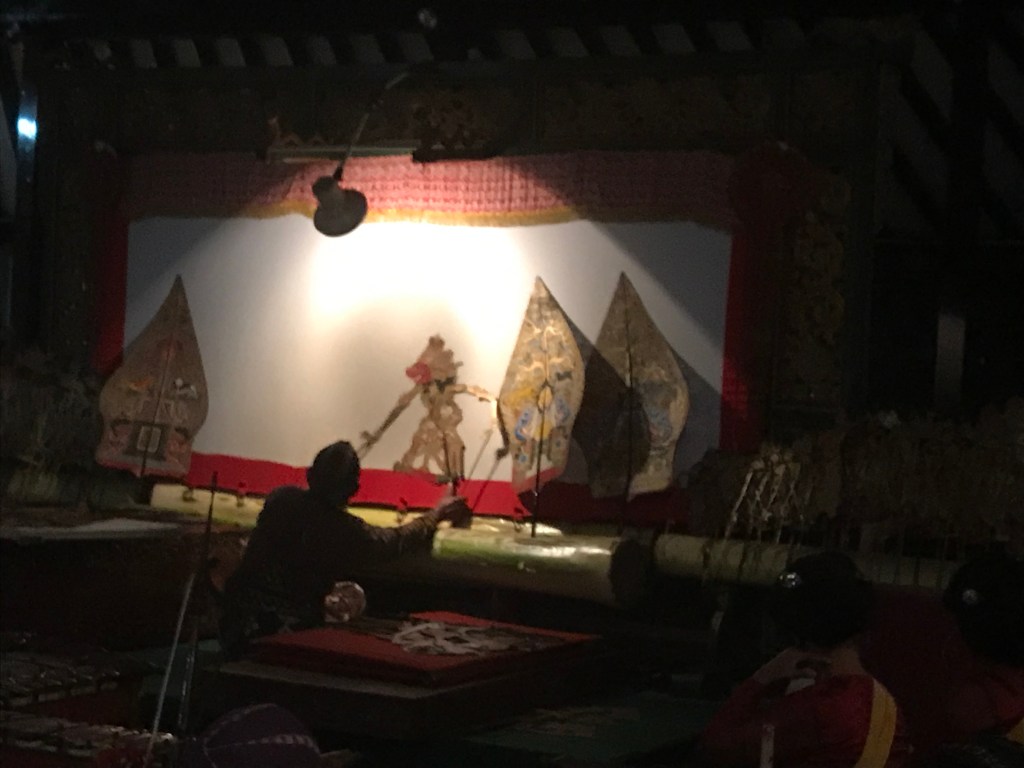
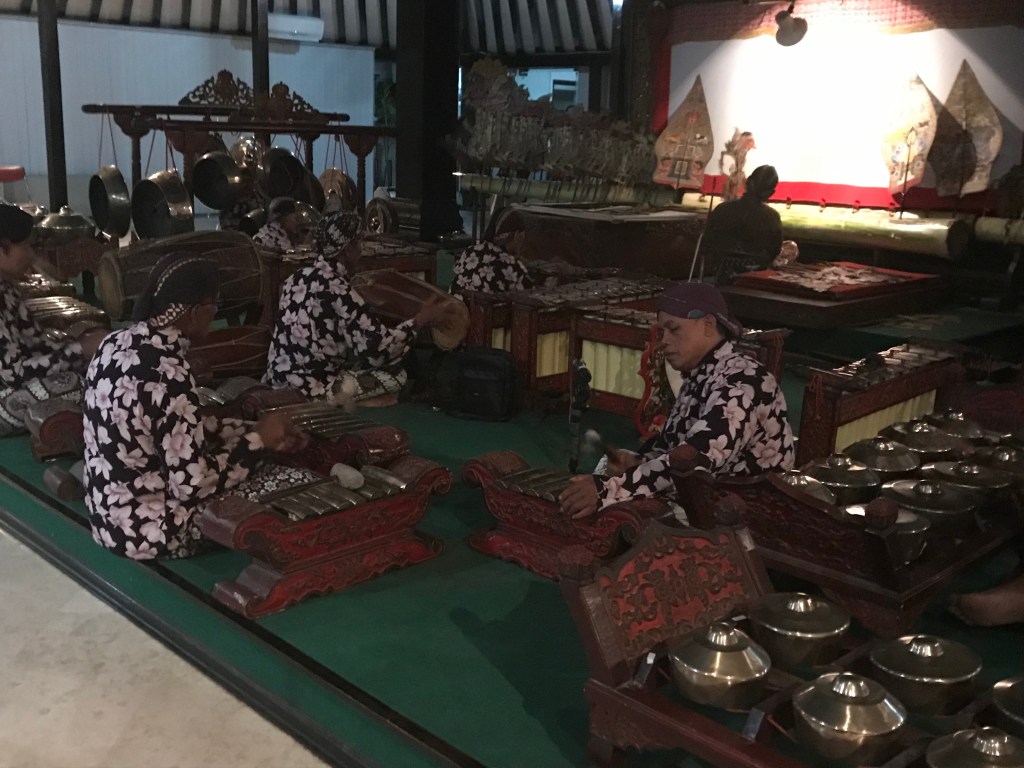
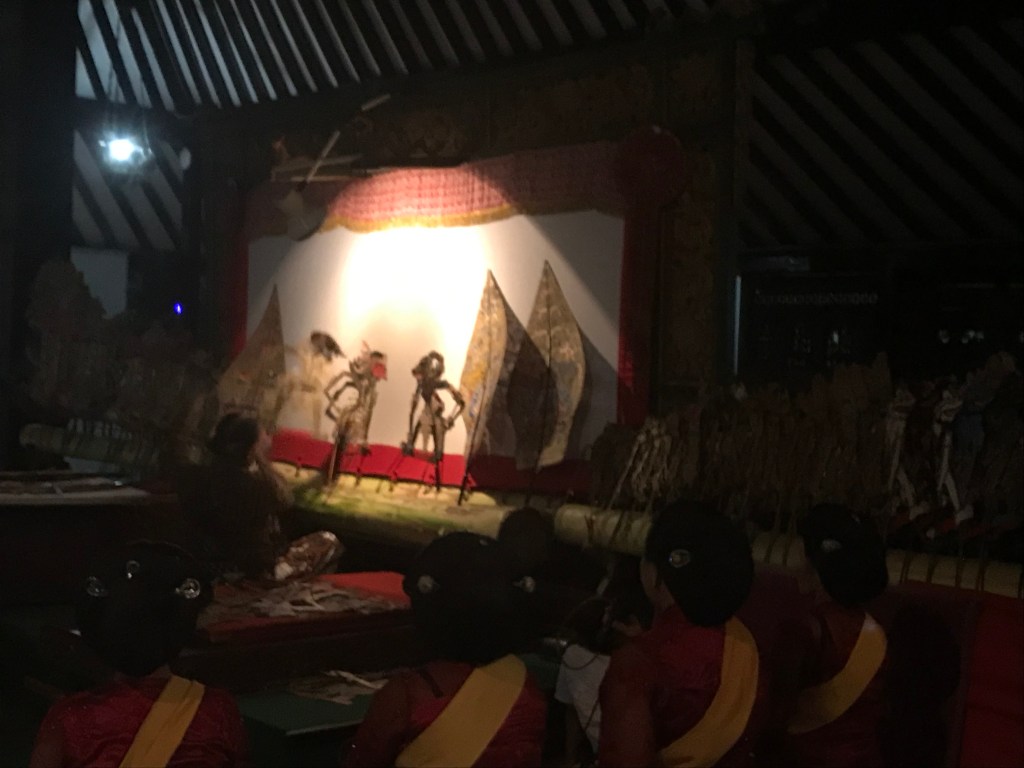
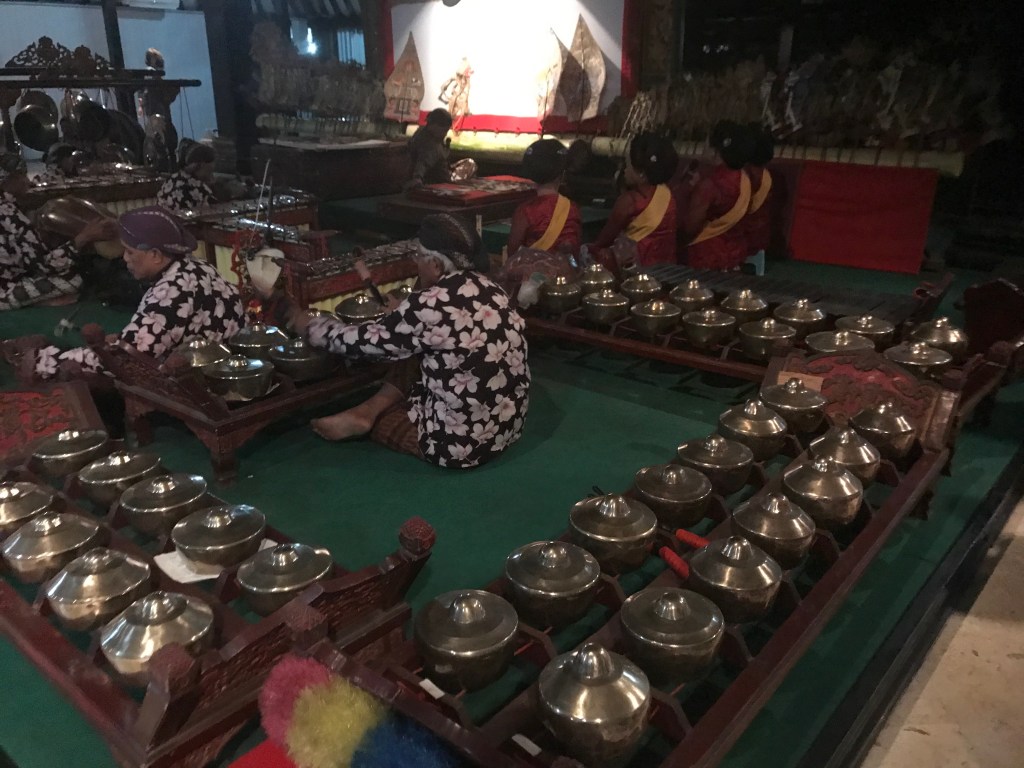
A must-see experience for all visitors of Indonesia and Yogyakarta. Wayang Kulit – skin puppets – derive their name from the coloured leather they are made from. Held as a shadow puppet performance, the show can last all night when full stories are exhibited. In the background plays the traditional Indonesian orchestra- gamelan. We only stayed for a couple of hours, but it was engaging to watch the musicians and the puppet technicians coordinate their performance with professionalism that only comes from years of practise.
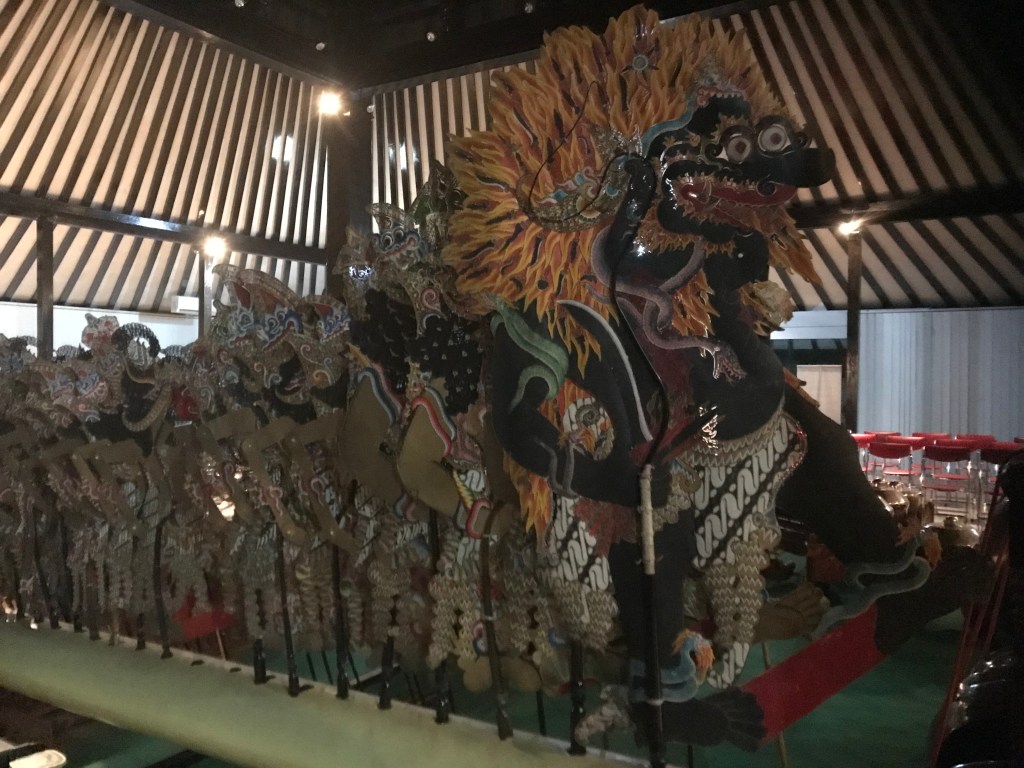
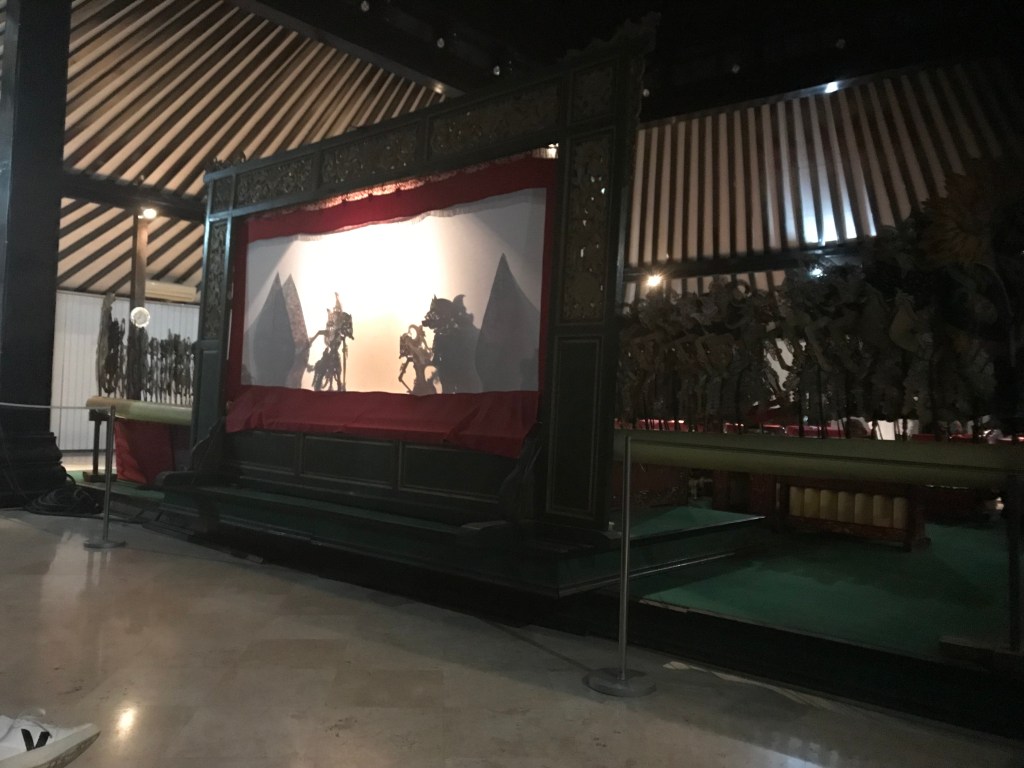
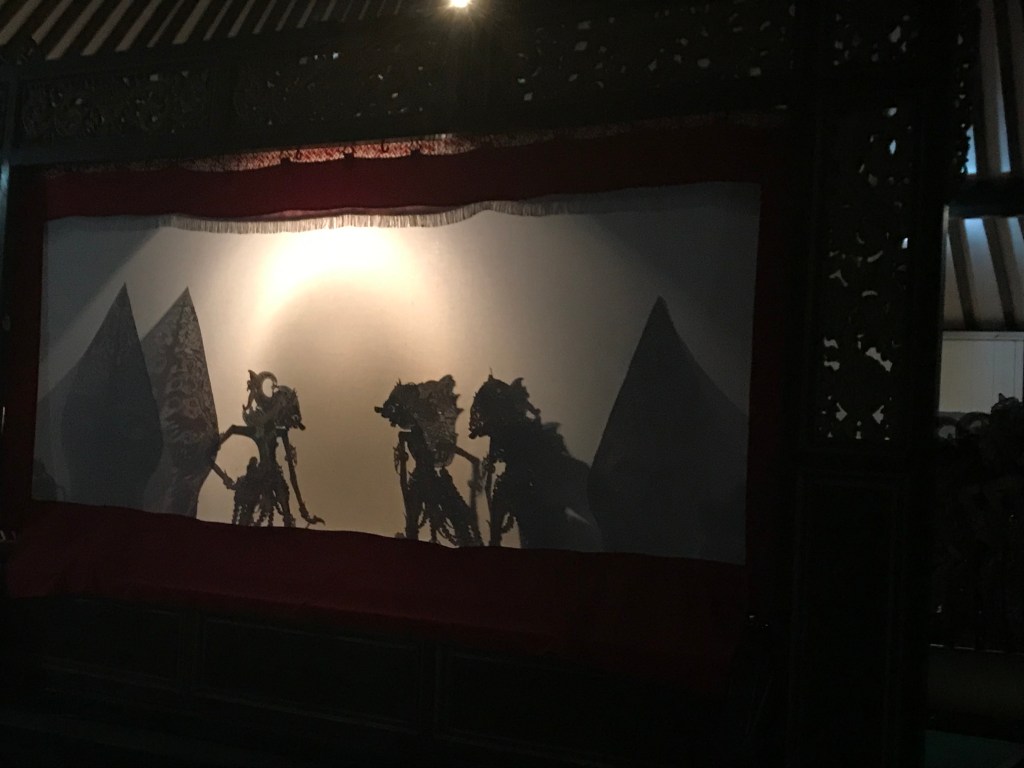
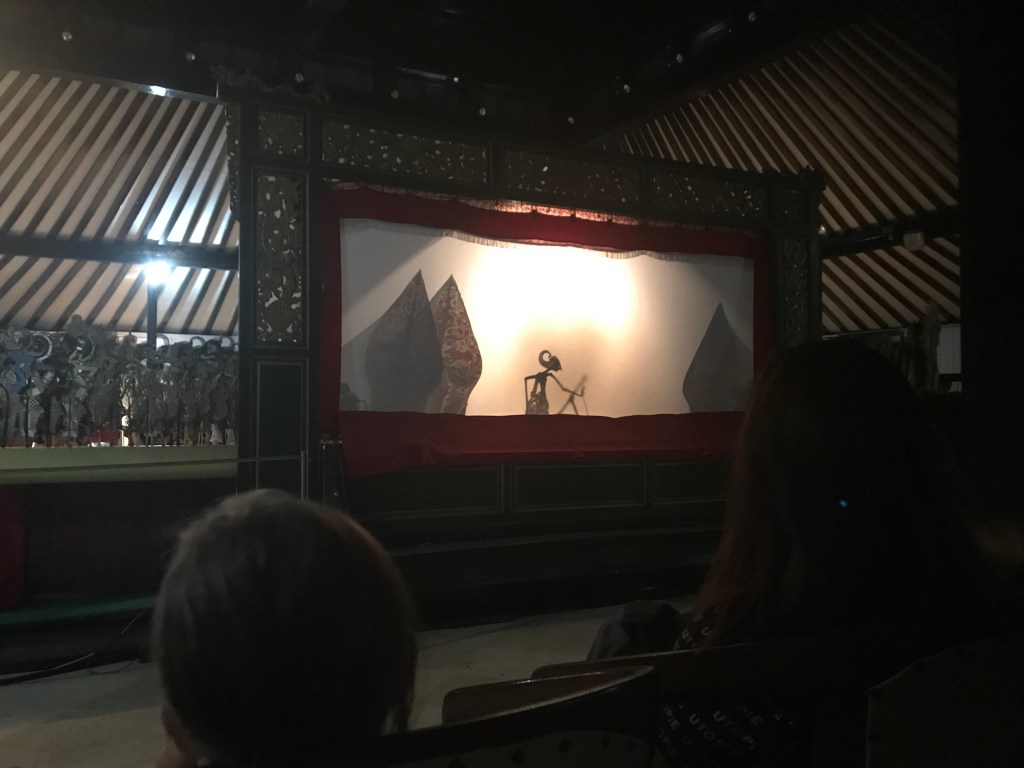
This is a musical art that is decreasing in popularity as younger generations do not take up the art after their elders. A common and devastating phenomenon that spans countries and industries, attempts to keep the art alive are embodied through performances and studios such as this, that raise money so lessons can be held for young and old alike.
Behind The Scenes
Cooking Kue
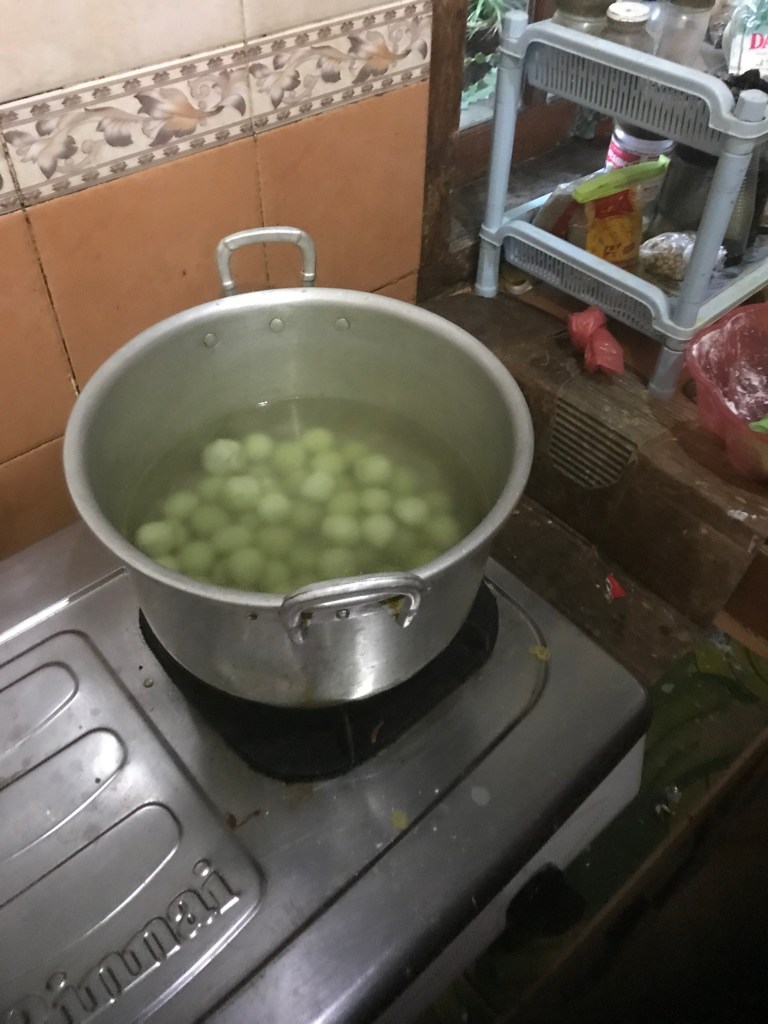
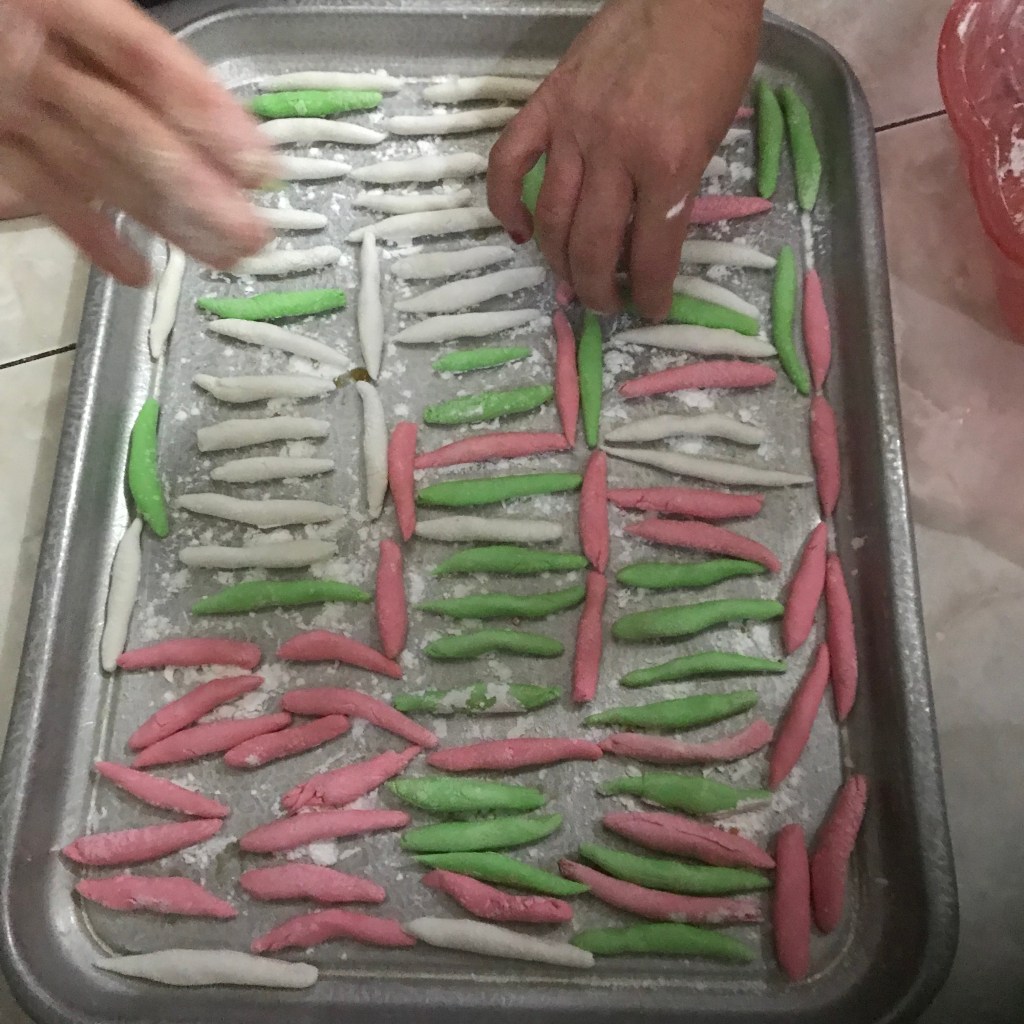
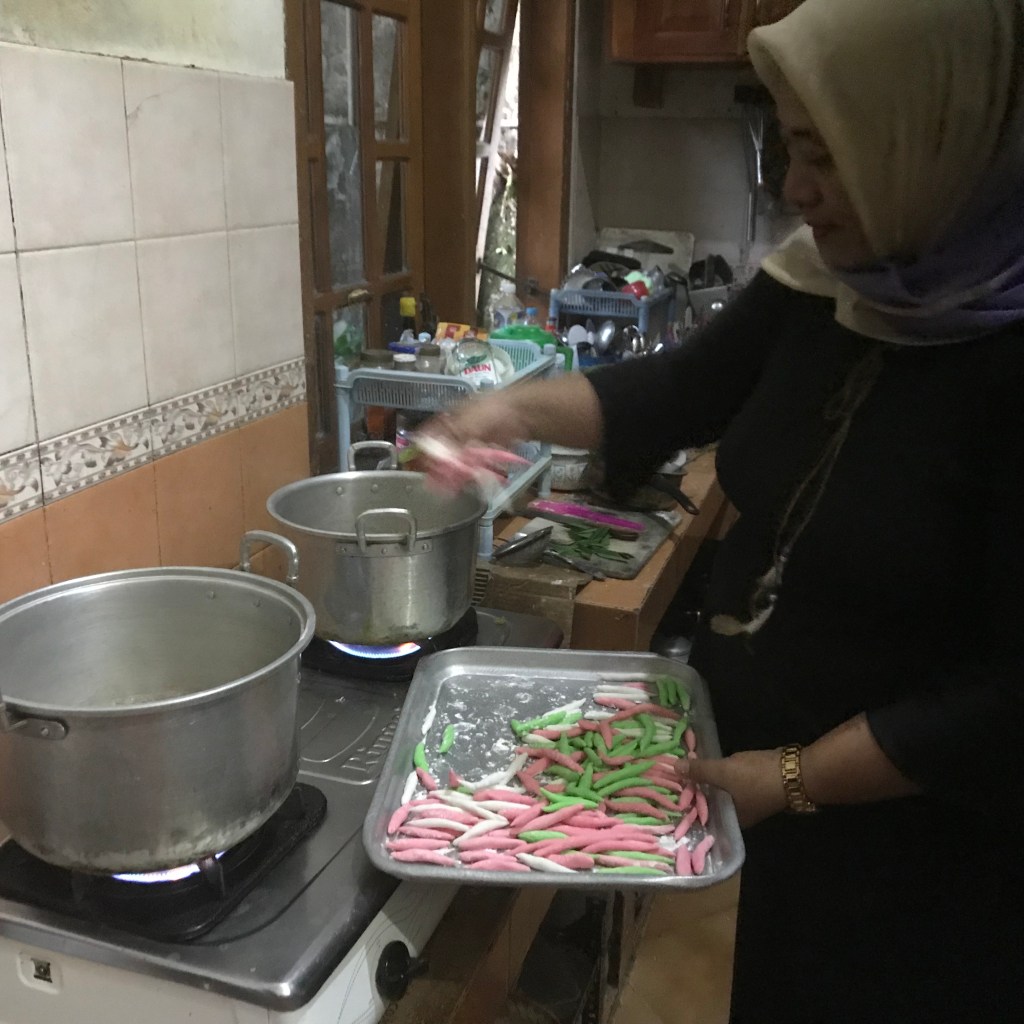
Indonesian kue, or cake, is usually found in the form of small bite-size rice treats. They are made from rice flour, and look simple but are difficult to make with skill, as we learnt during our cooking class in one of the homestays! Ibu Wiwick had kindly offered for us to learn how to make the kue.
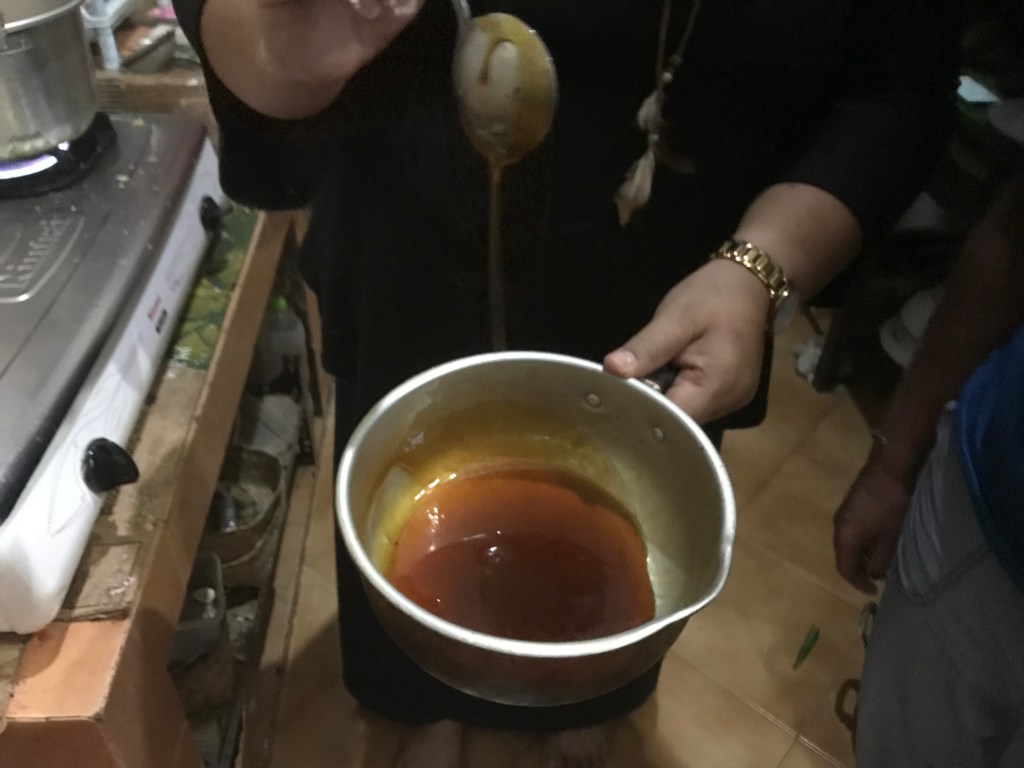
We made Klepon- the green-tinged dye is derived from crushed pandan leaves. In the middle you’ll find melted palm or brown sugar, which bursts in the mouth like a cherry tomato.
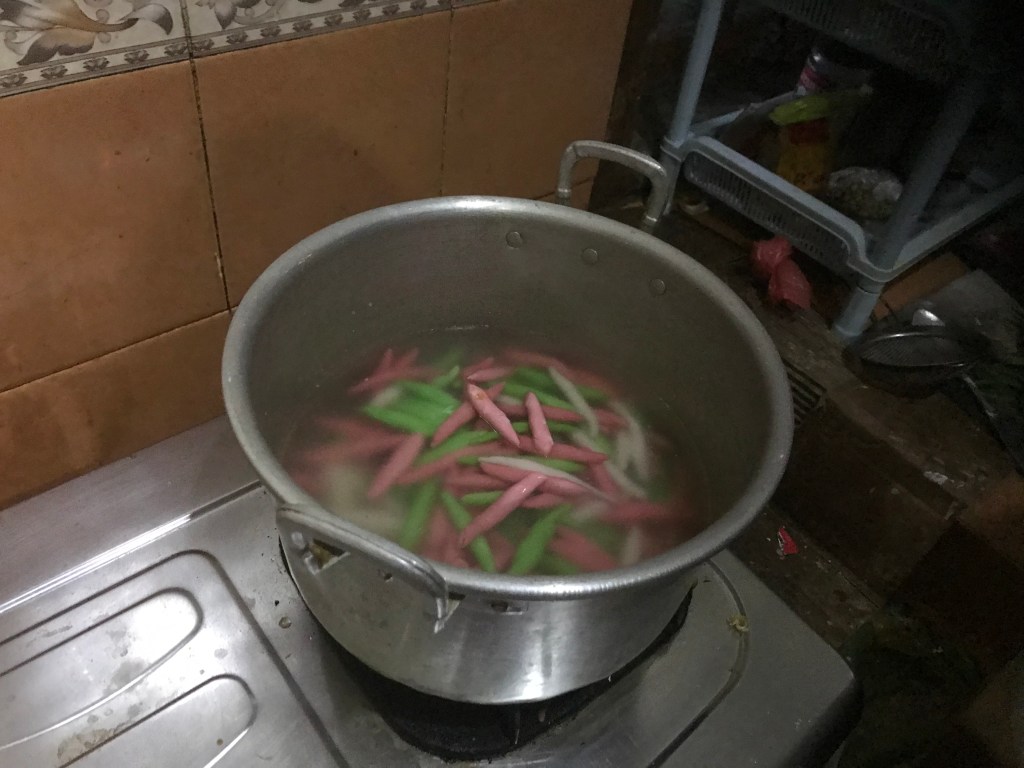
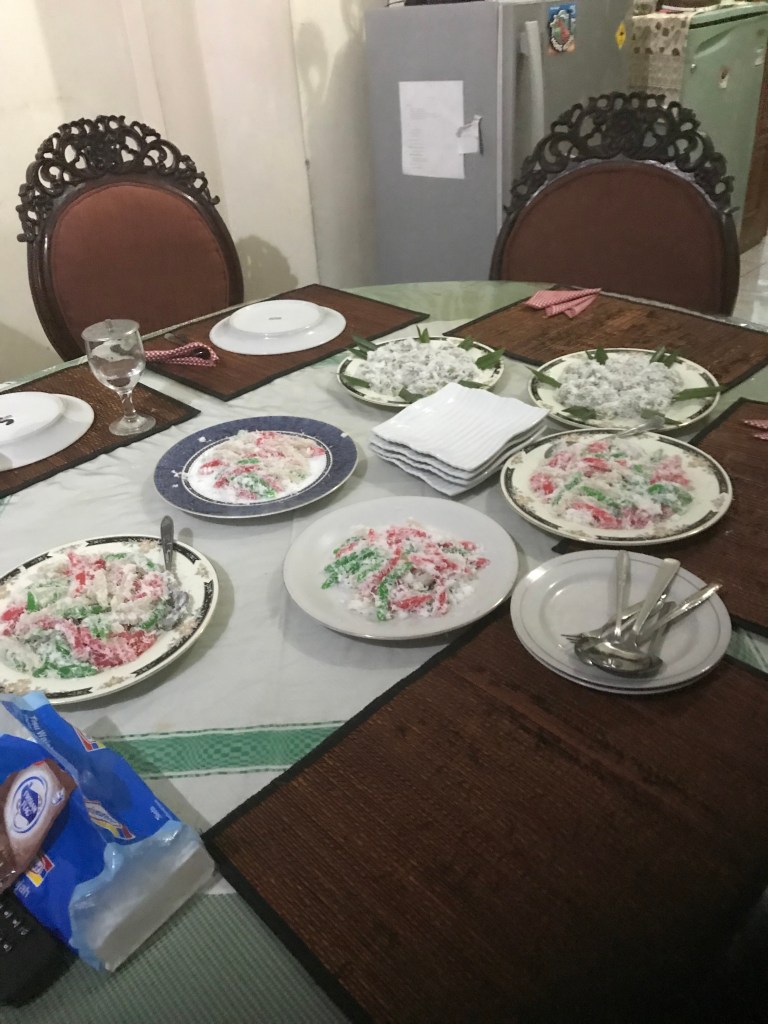
Cenil is the other form of kue- we attempted the worm-like sweets with a great variety of size and thickness. At least they looked homemade!
Both types are boiled for a few minutes, then covered in shredded coconut. Of course they are best enjoyed with a generous drizzle of sugar syrup and eaten as soon as possible with as many friends as you can find.
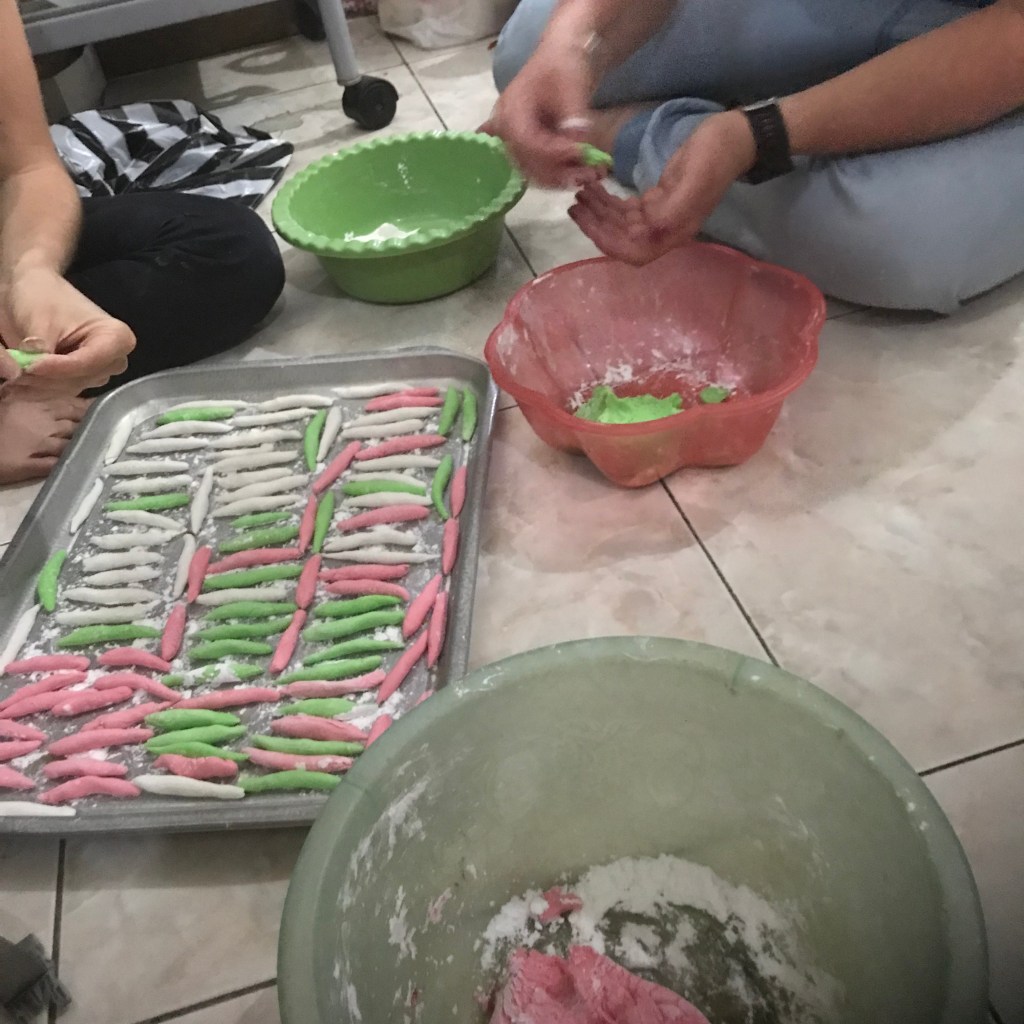
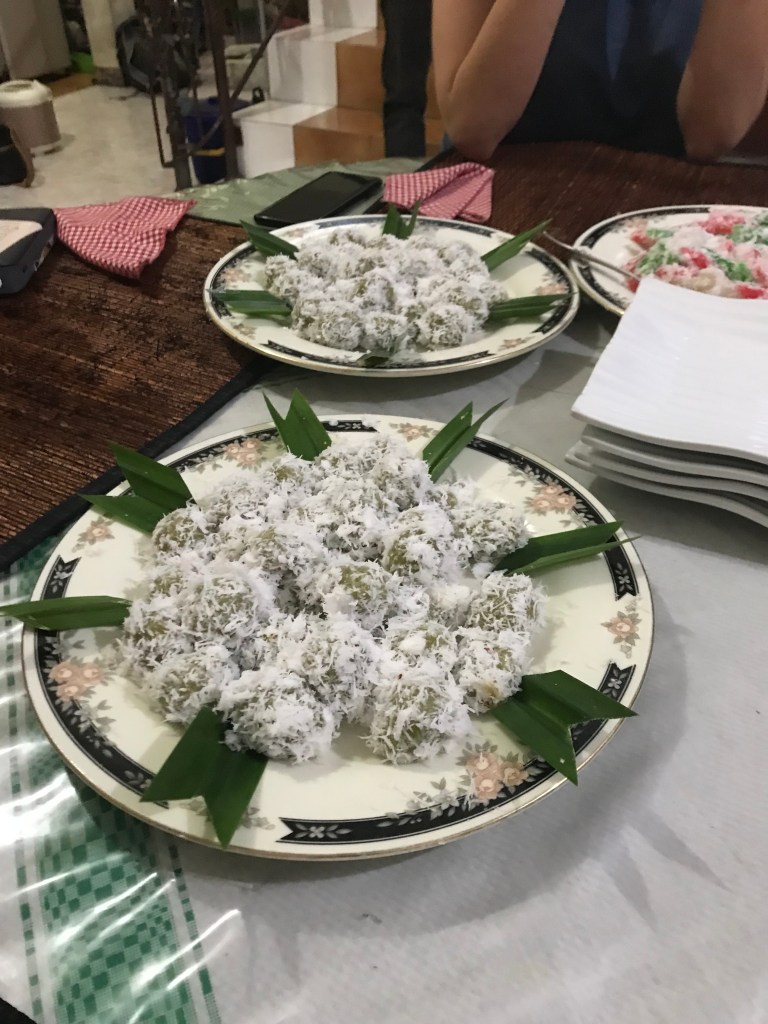
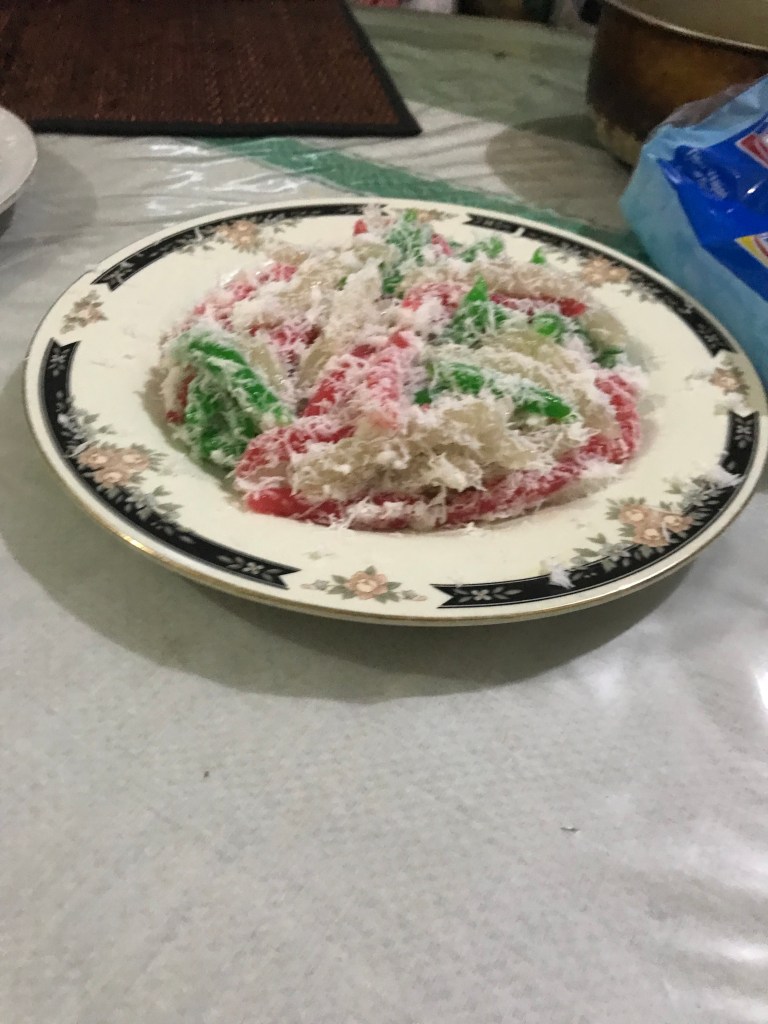
As you may be slowly realising, our time in Jogya was more than just learning the language, but learning about life in Indonesia. Each volunteer was set up in a homestay with other volunteers and visitors. As a result, we had an invaluable resource to turn to and instruct us on Indonesian norms, and feed us some amazing Indonesian food! This is where we got to learn about which foods we enjoyed, and which ones we may avoid eating (while bitter melon may be good for you…it certainly lives up to its name). We also got to meet others travelling to Indonesia for work and education. Learning from everyone’s experiences makes the task of travelling and working in a foreign country much less daunting. Better yet, the forced month-long living situation meant we got to make friends with others living and working in Jakarta, as well as those here for a short time.
Following their adventures also gives me more inspiration for what I would like to do in the coming months. Indonesia is a wondrously diverse country- rainforest and paradise beaches in one archipelago. There is so much to explore, but it is the people that make the adventure most memorable.
Candi Borobudur
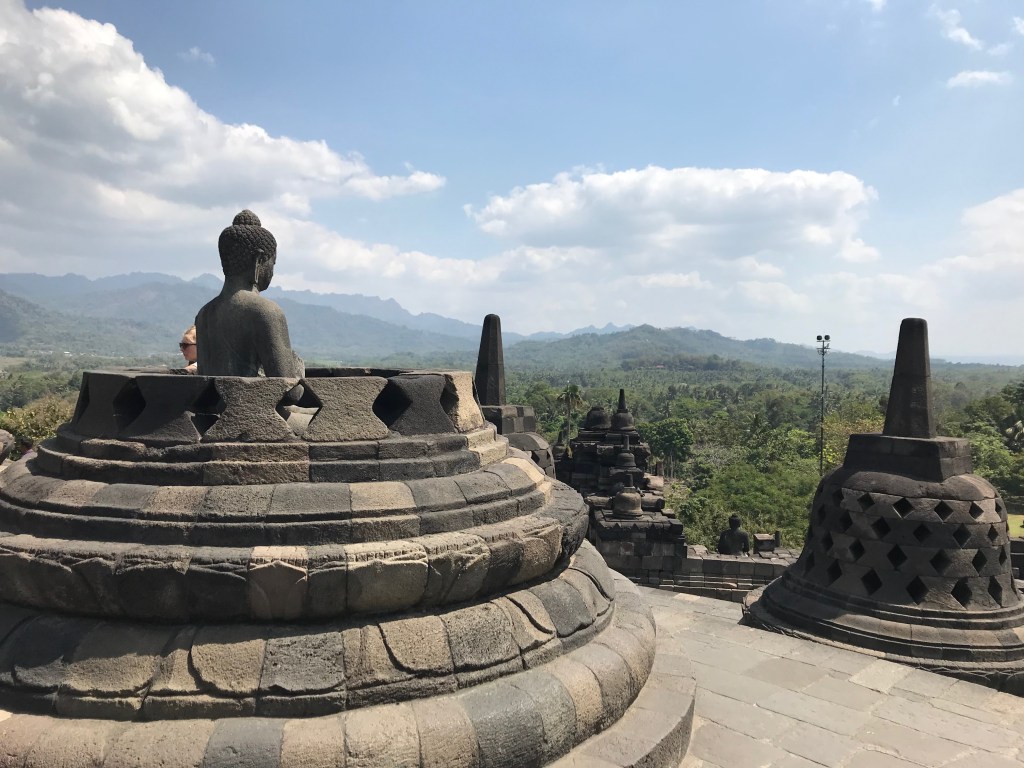
The big one. Literally.
This is the largest Buddhist temple in the world. Also built in the 9th century, it stands as a testament to the religious diversity in Indonesia.
Abandoned in the 14th century, it was rediscovered during the period of British administration in the 1800’s. A monumental restoration project on the temple was undertaken during the 1970’s-80’s following its classification as a UNESCO World Heritage Site.
What I loved most about the temple was its serenity. Located further away from the city than Prambanan, the uninterrupted view of the mountains makes visiting here much more enjoyable. This may also have been because this was a weekday and not on a weekend like during our visit to Prambanan.
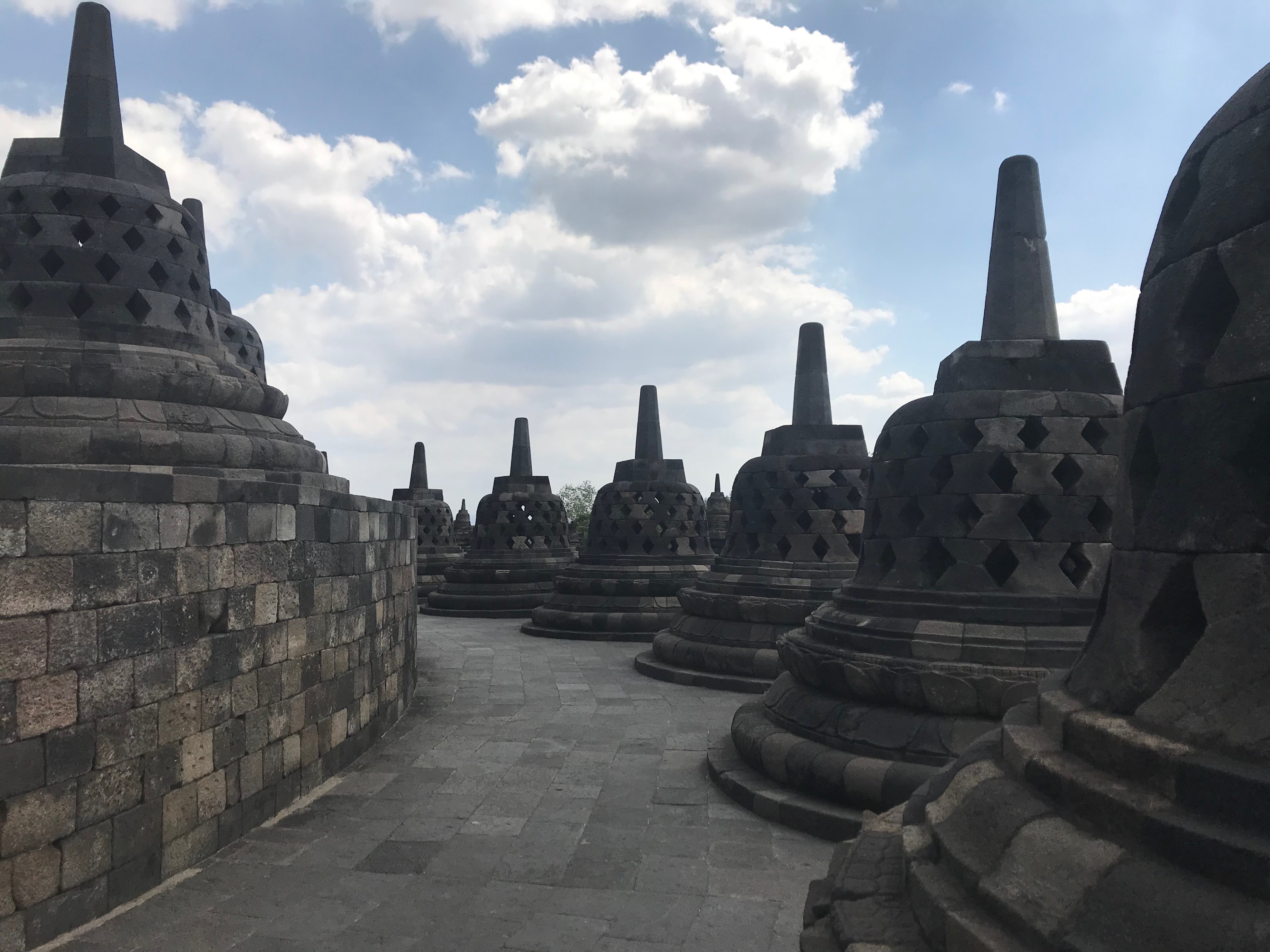
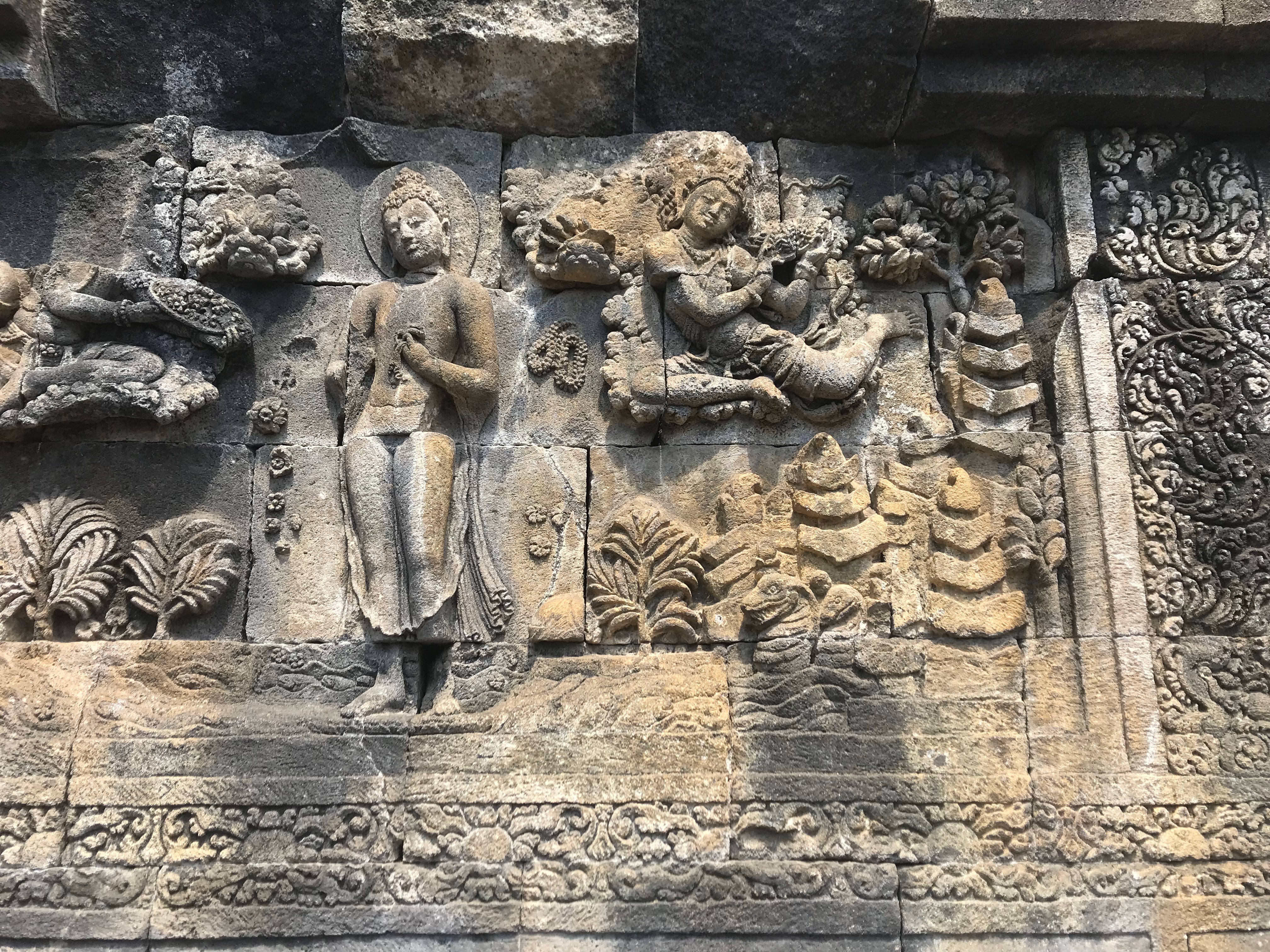
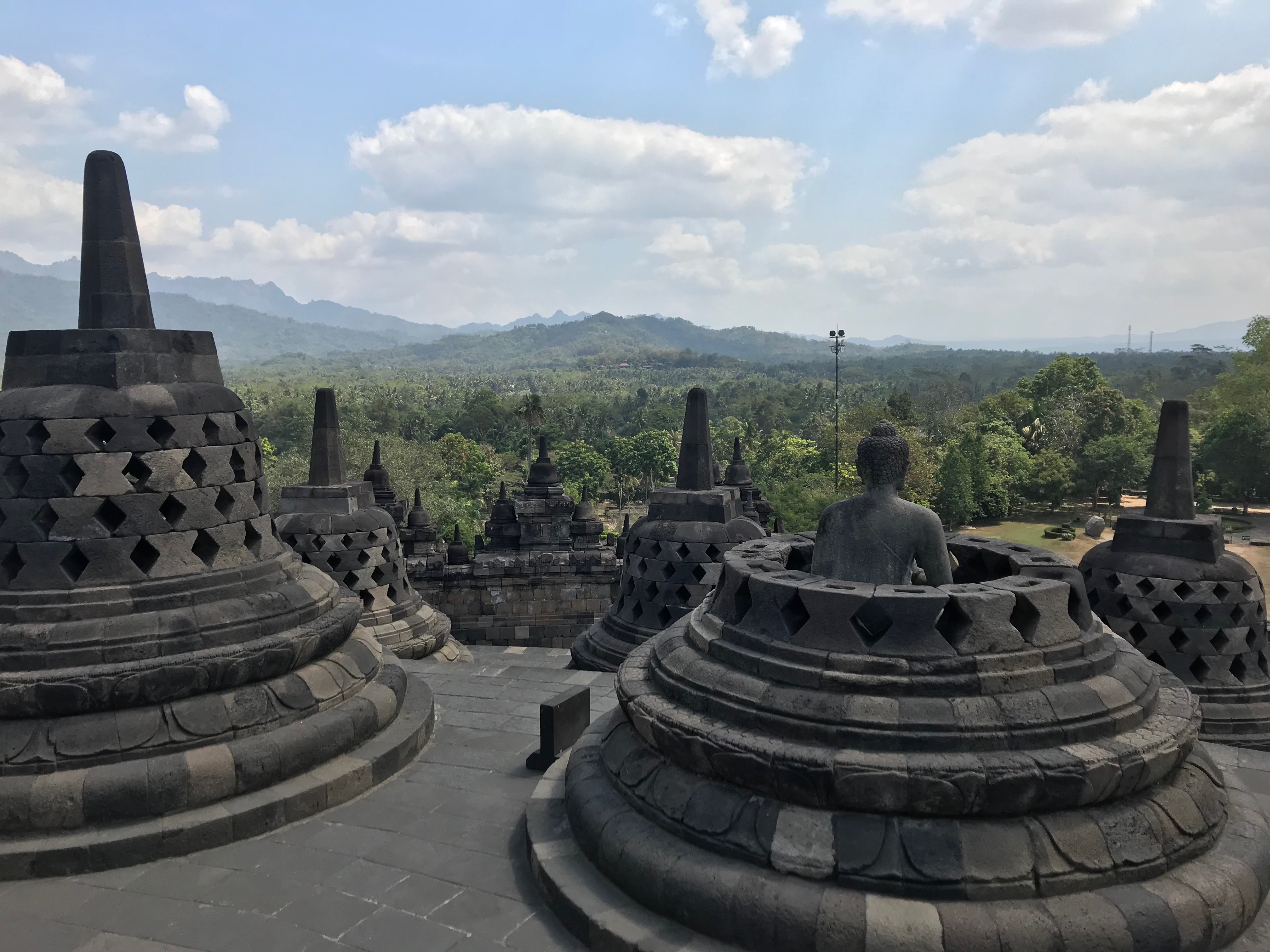
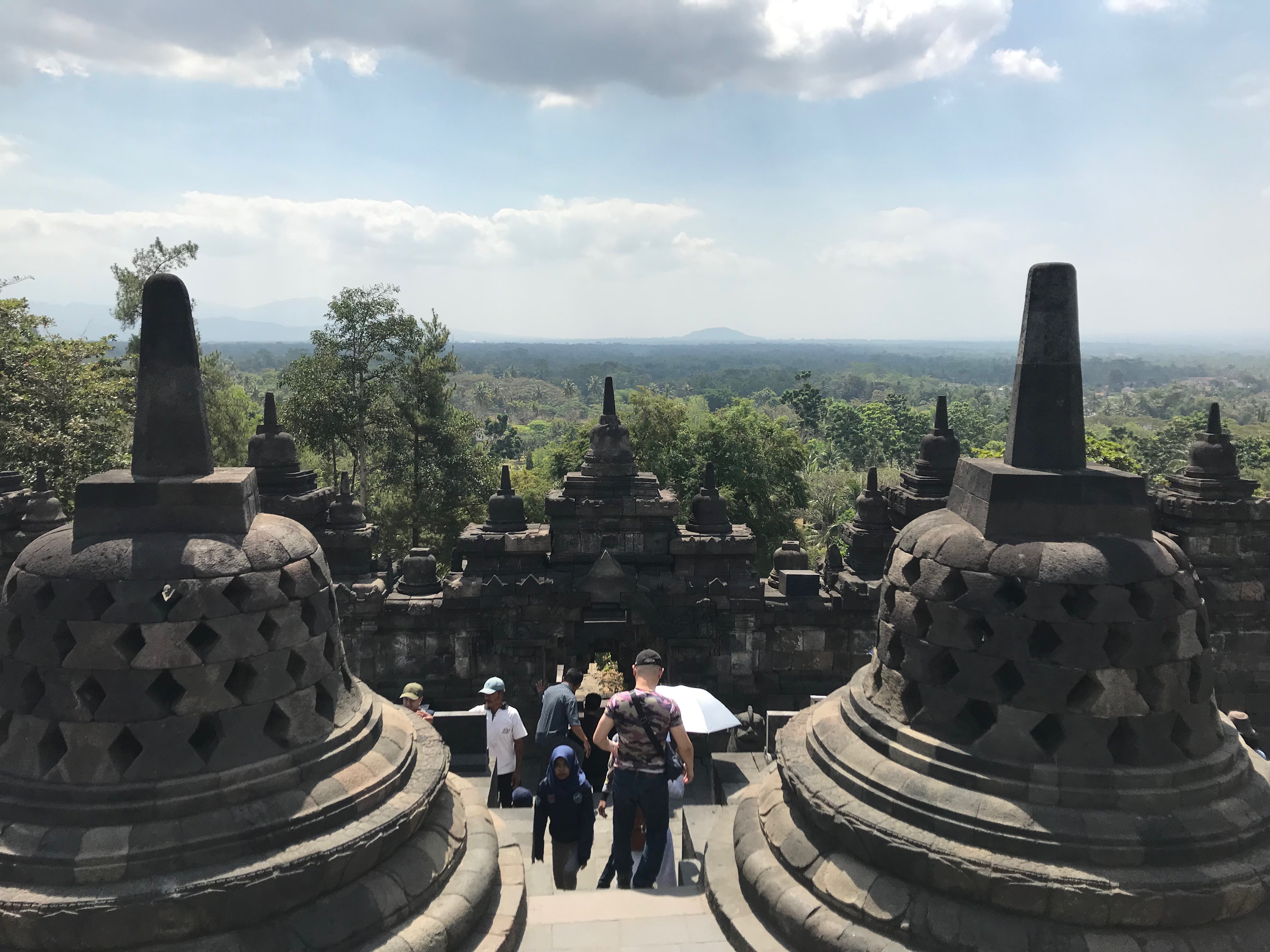
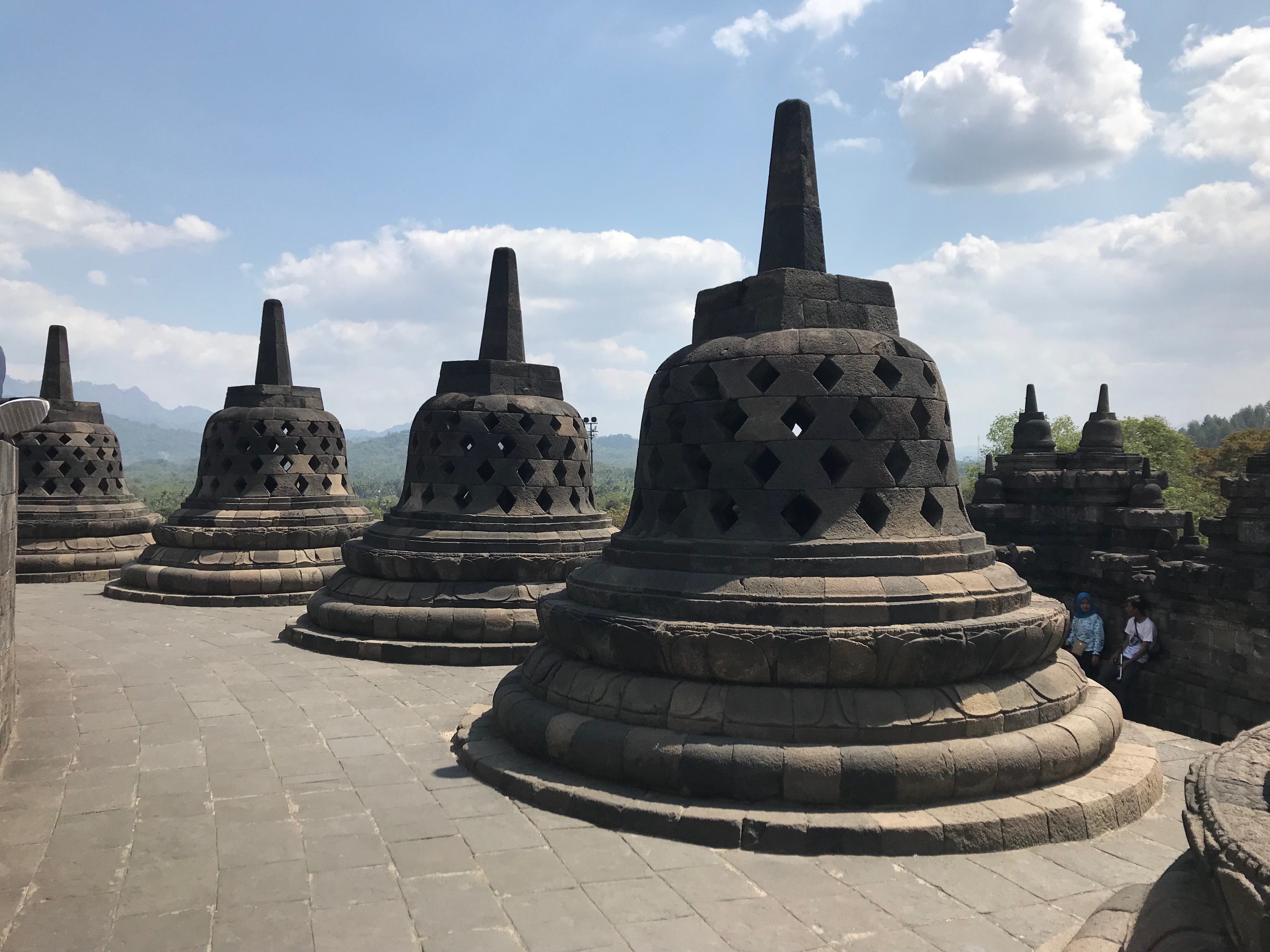
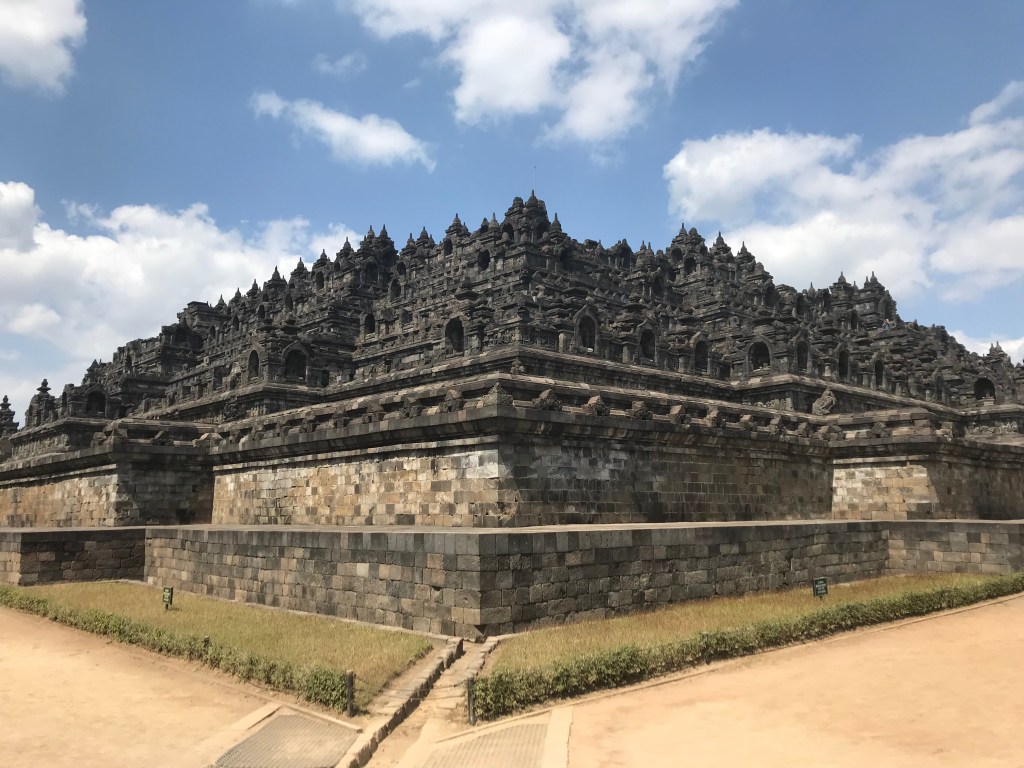
The reliefs on every level tell the story of the Buddha and his pilgrimage, beginning at the bottom and ascending to…you guessed it…ascension.
I did not get nearly enough time to explore, but I did get a celebratory notification from my watch telling me I got my step goal earlier than usual!
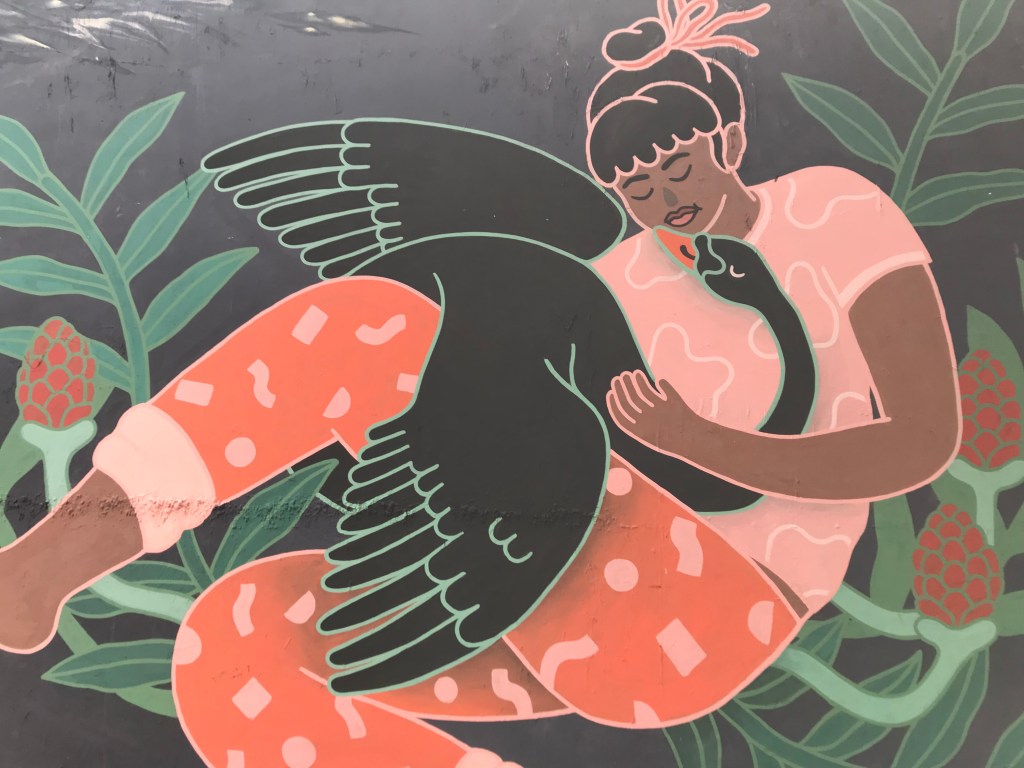
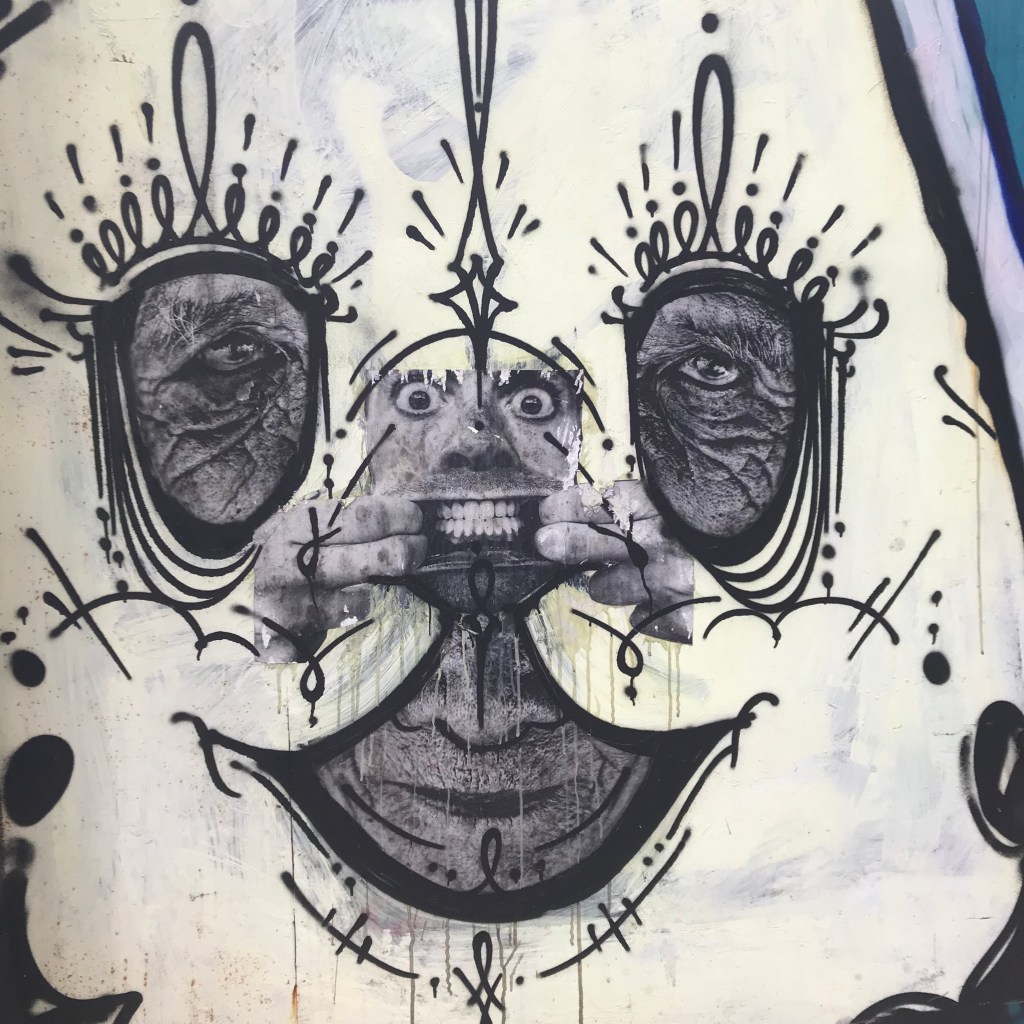
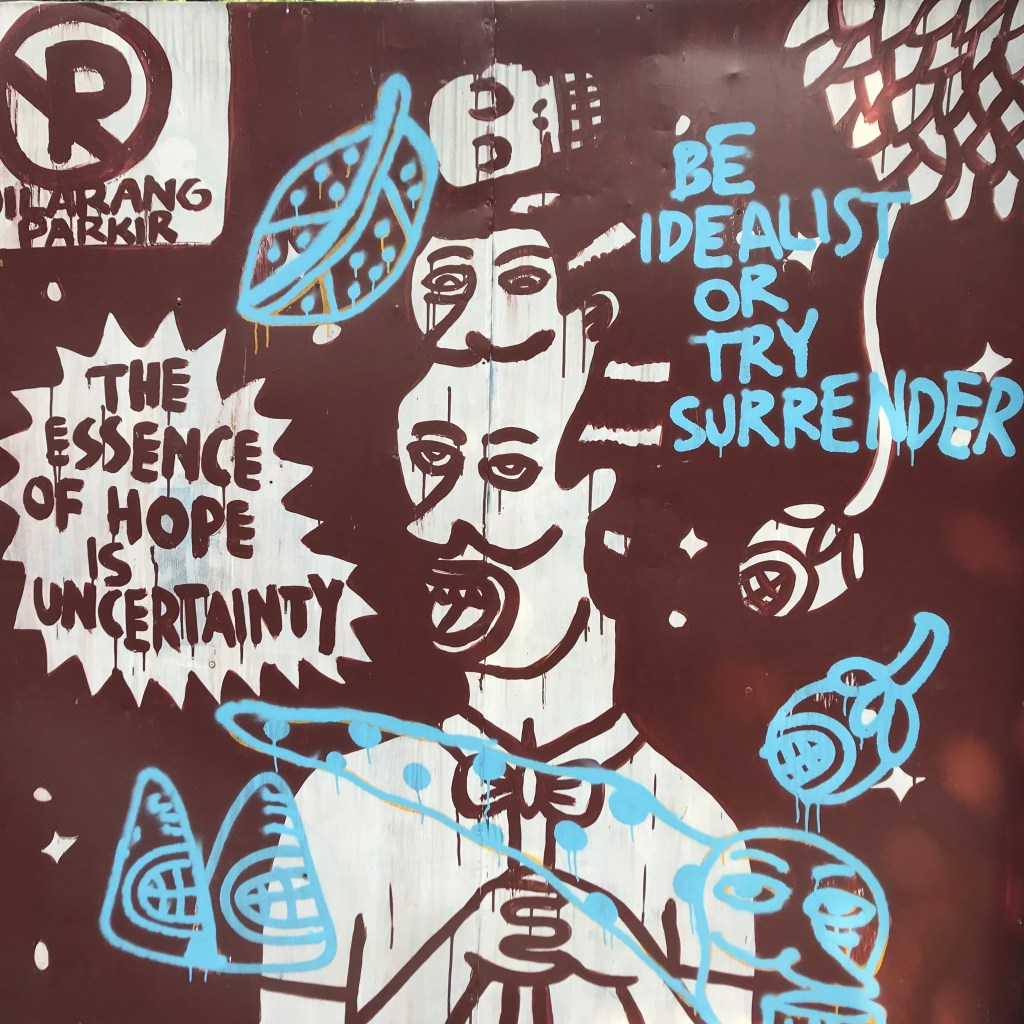
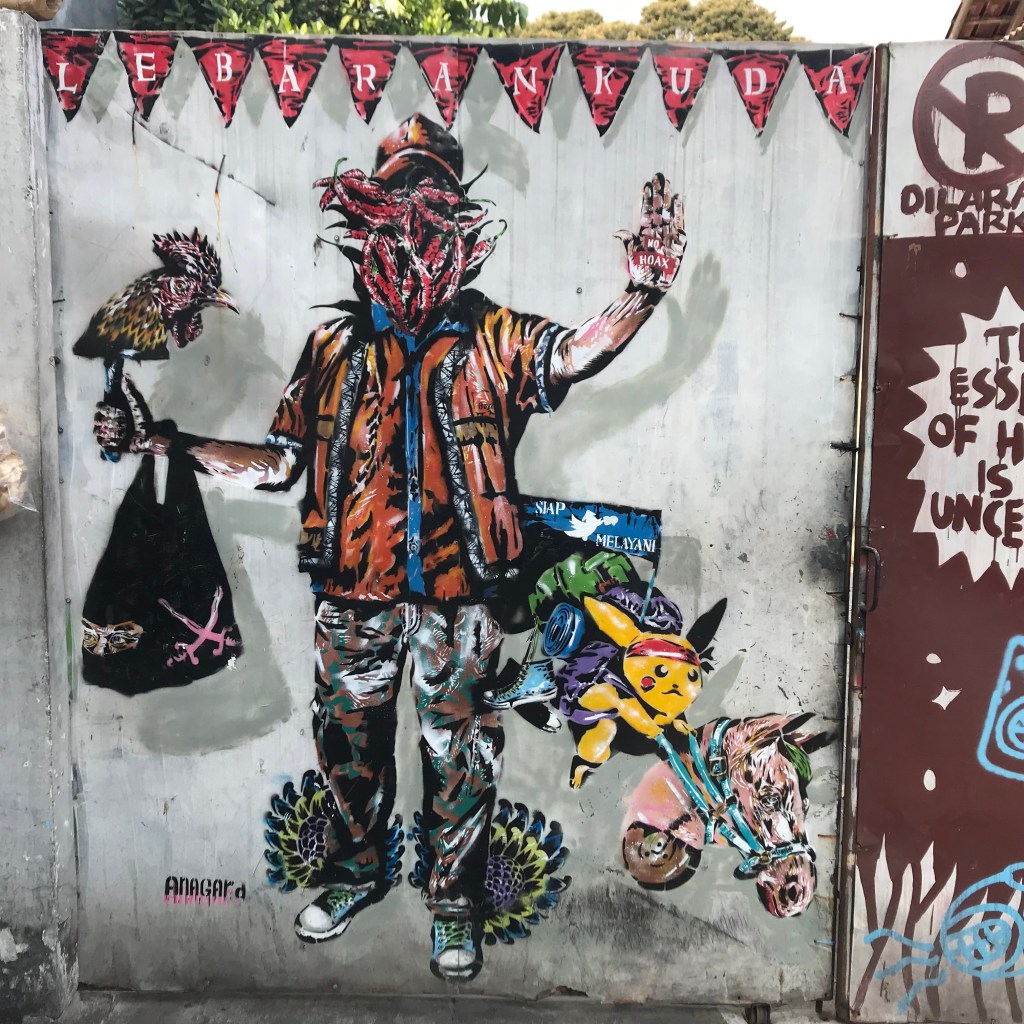
JALAN-JALAN DI JOGYA
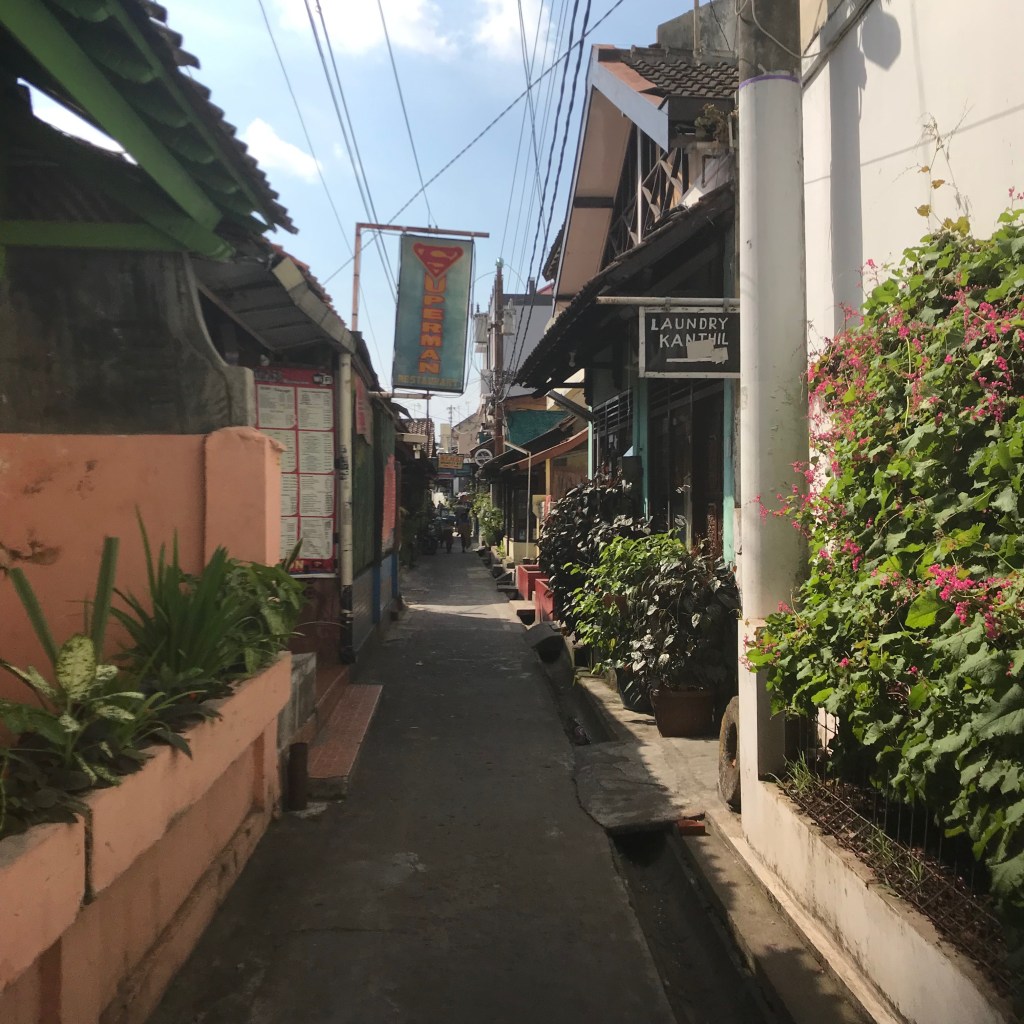
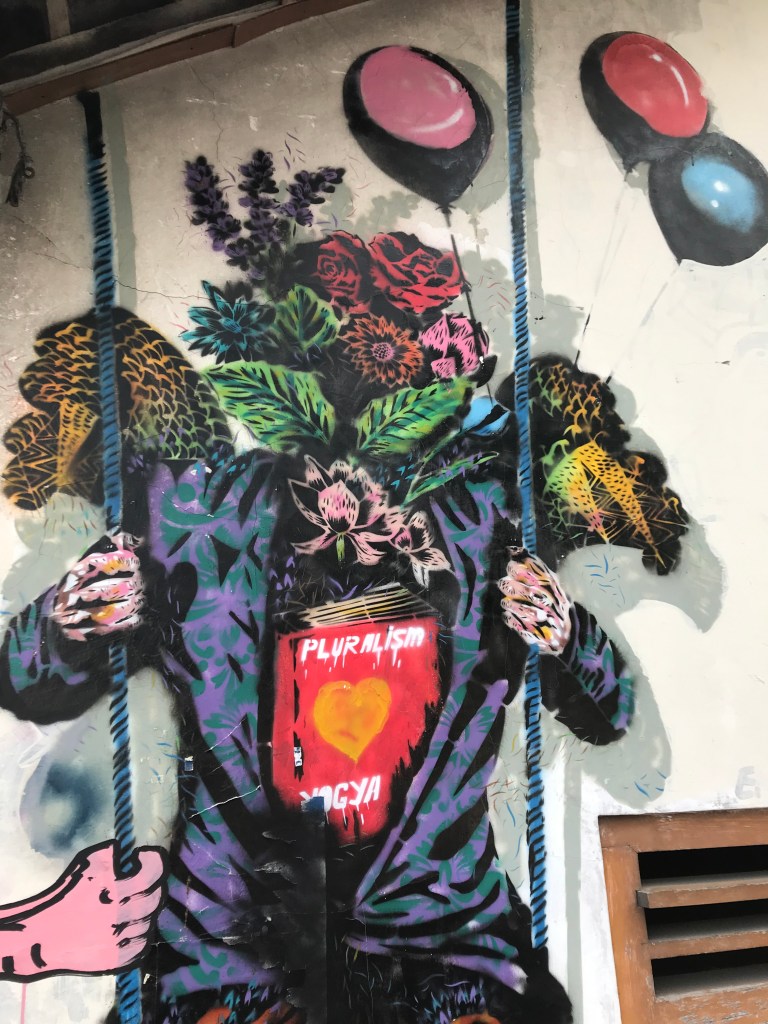
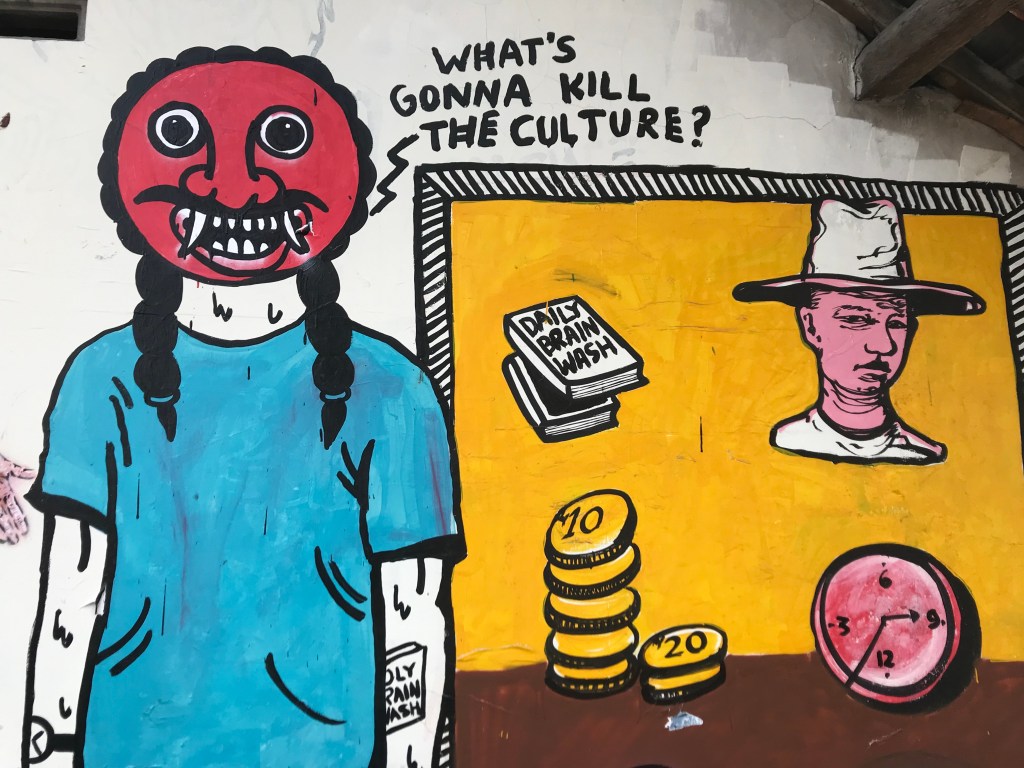
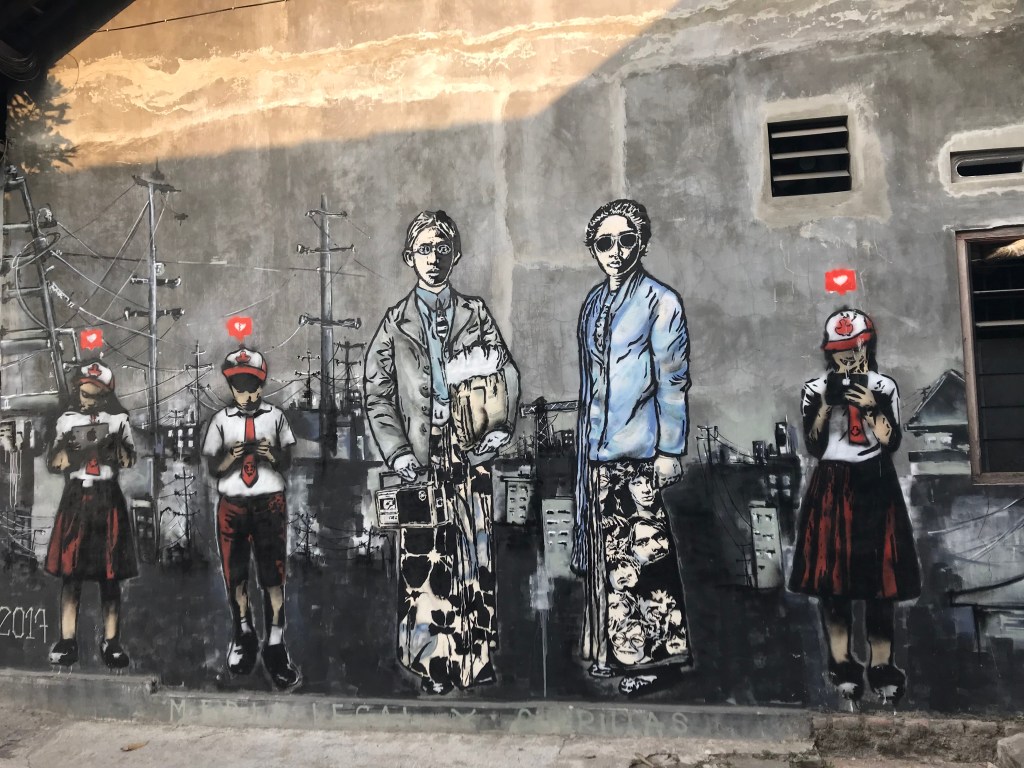
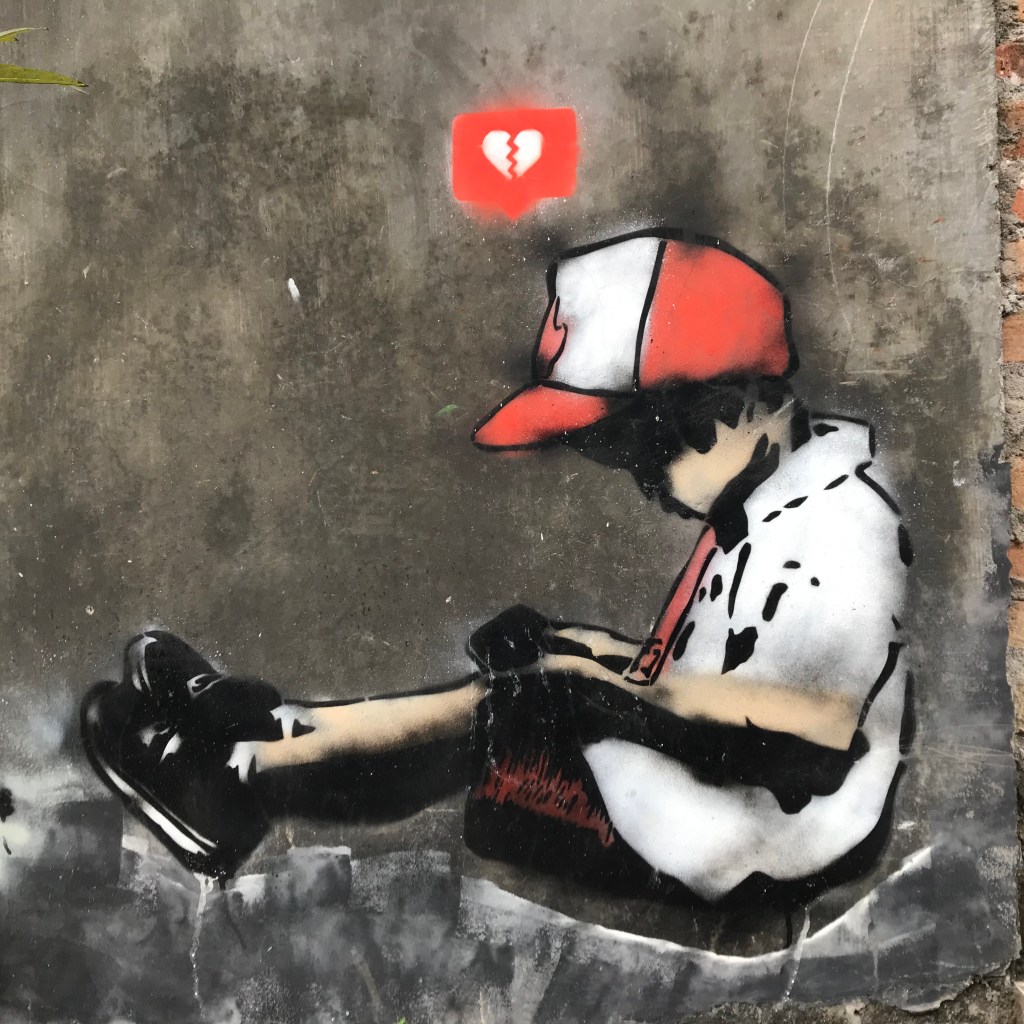
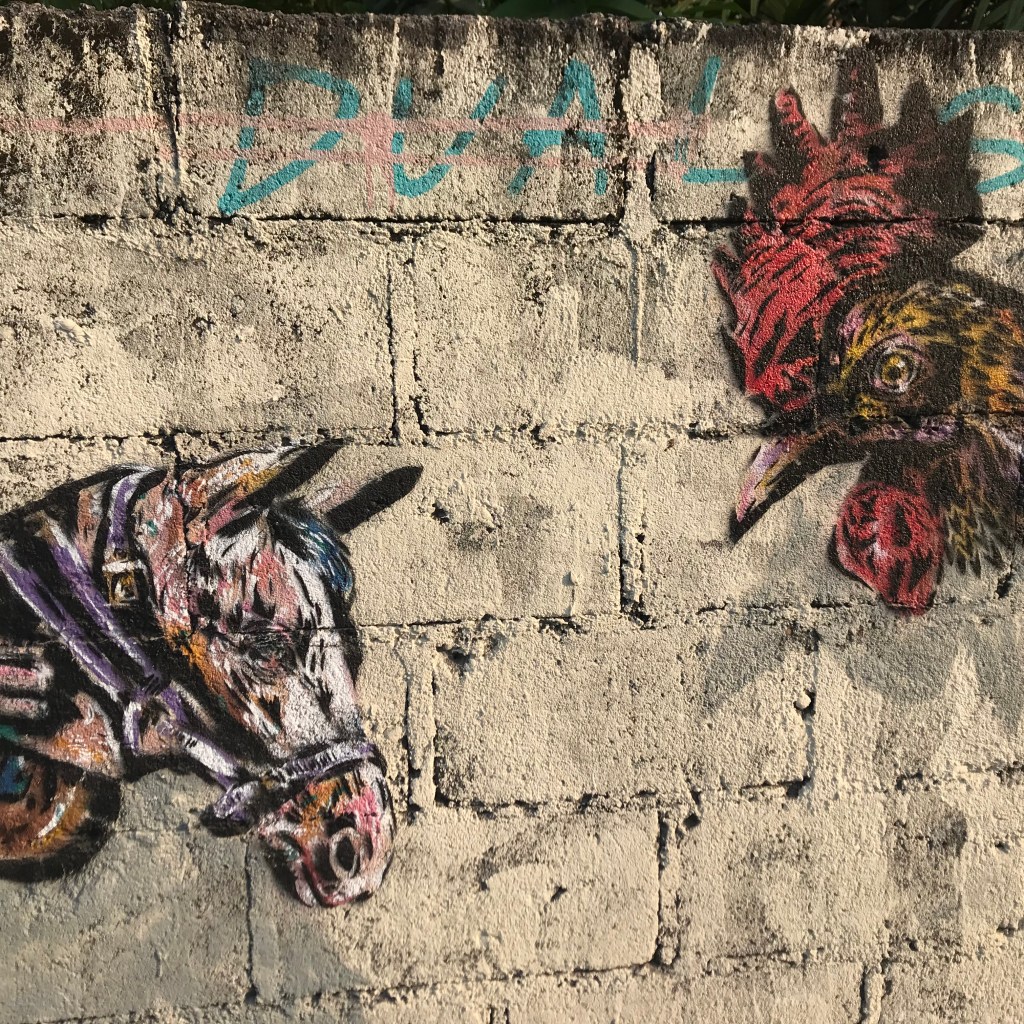
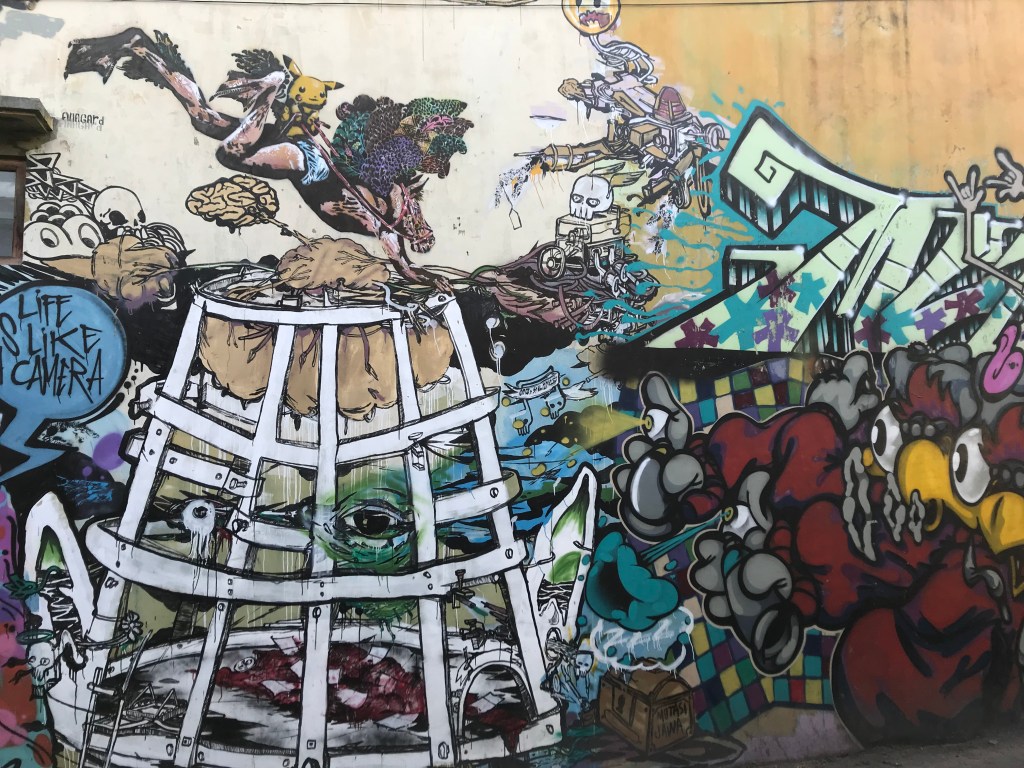
STREETS OF YOGYAK-ART-A
See what I did there?
Taman Sari
Baths for the Sultan and his…family…
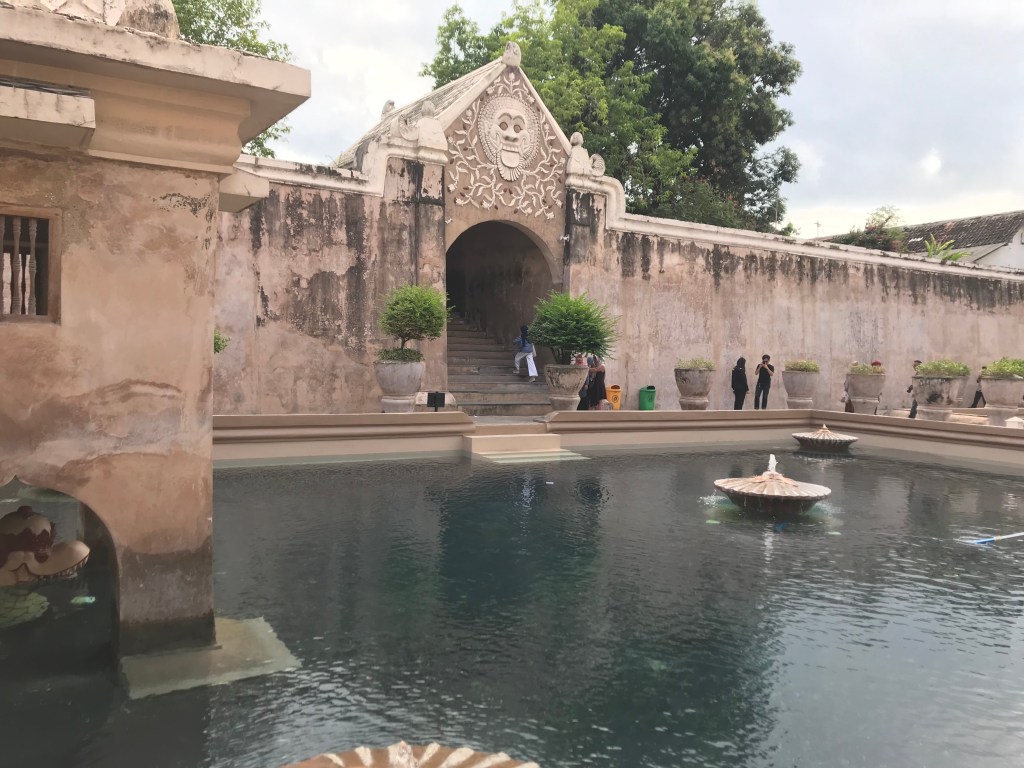
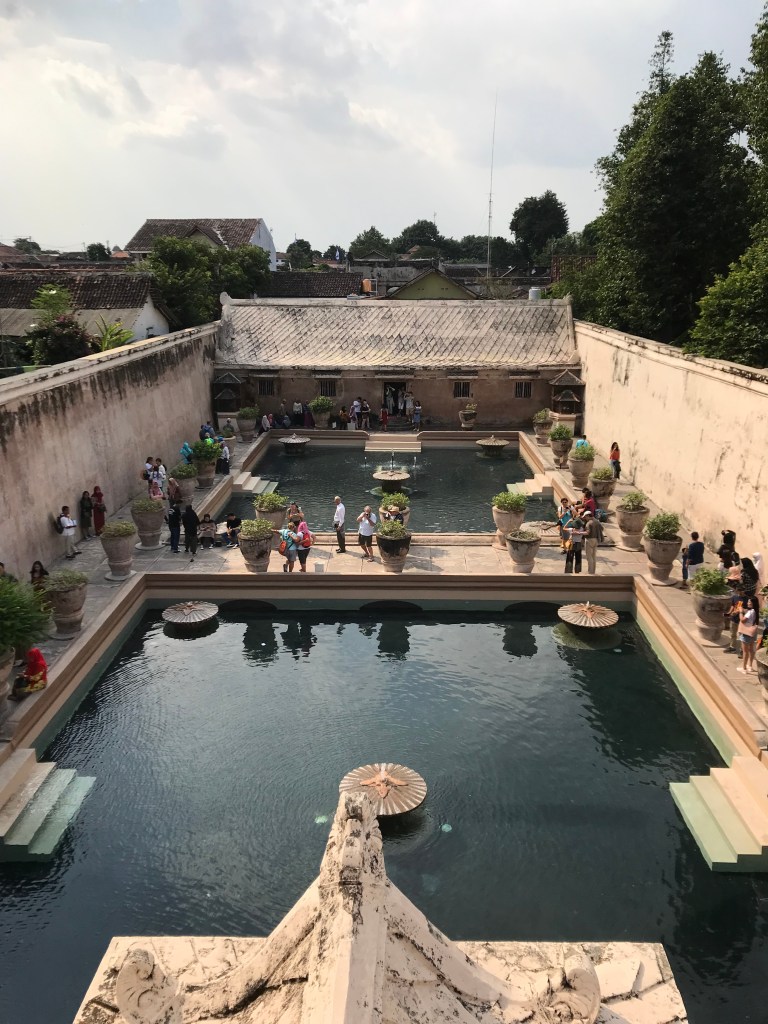
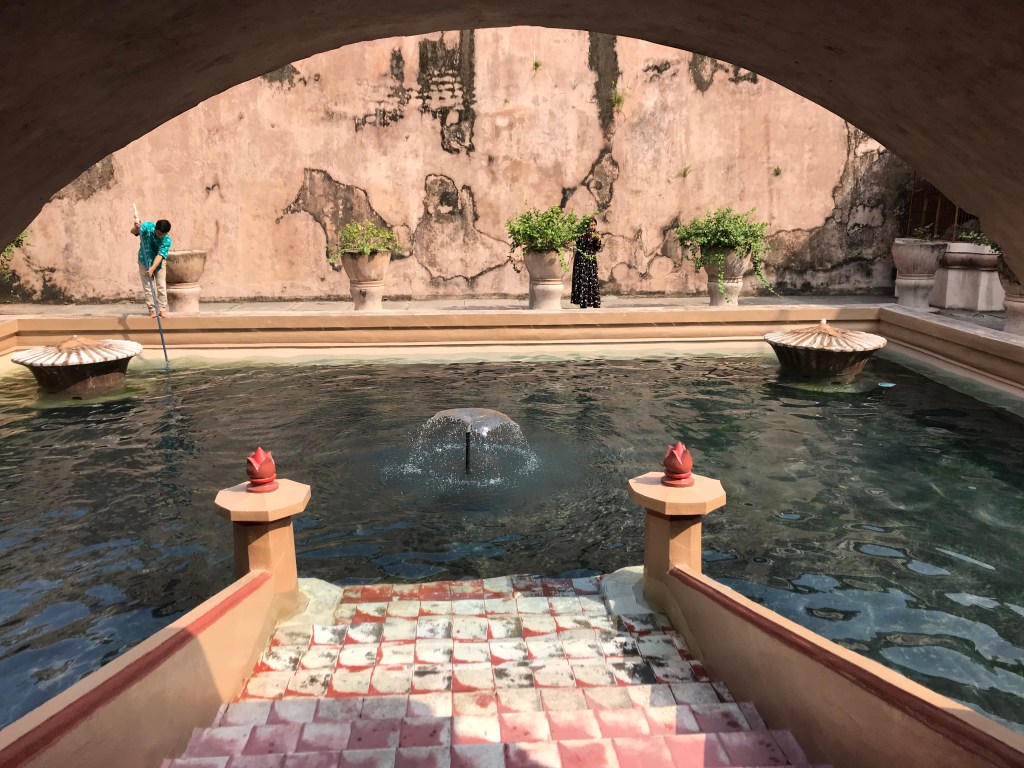
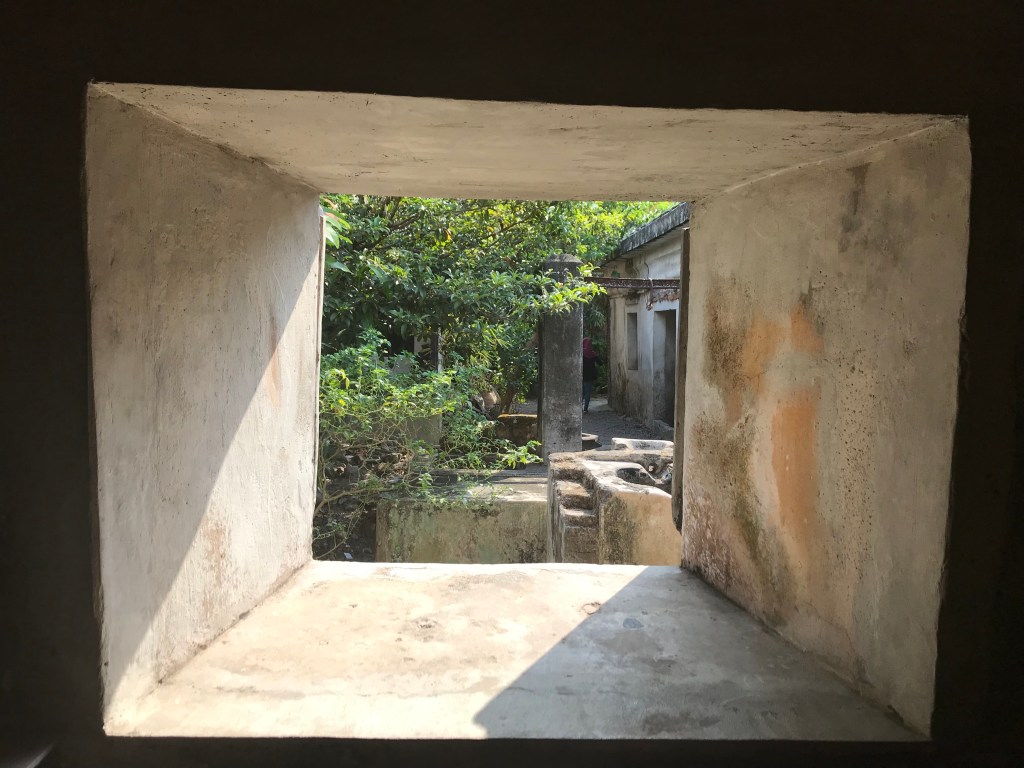
This was separated from the main part of the Sultan’s Palace (Kraton) located around a kilometre away. The climate here seemed almost cooler than the dry, crowded palace grounds.
Pasar Kangen
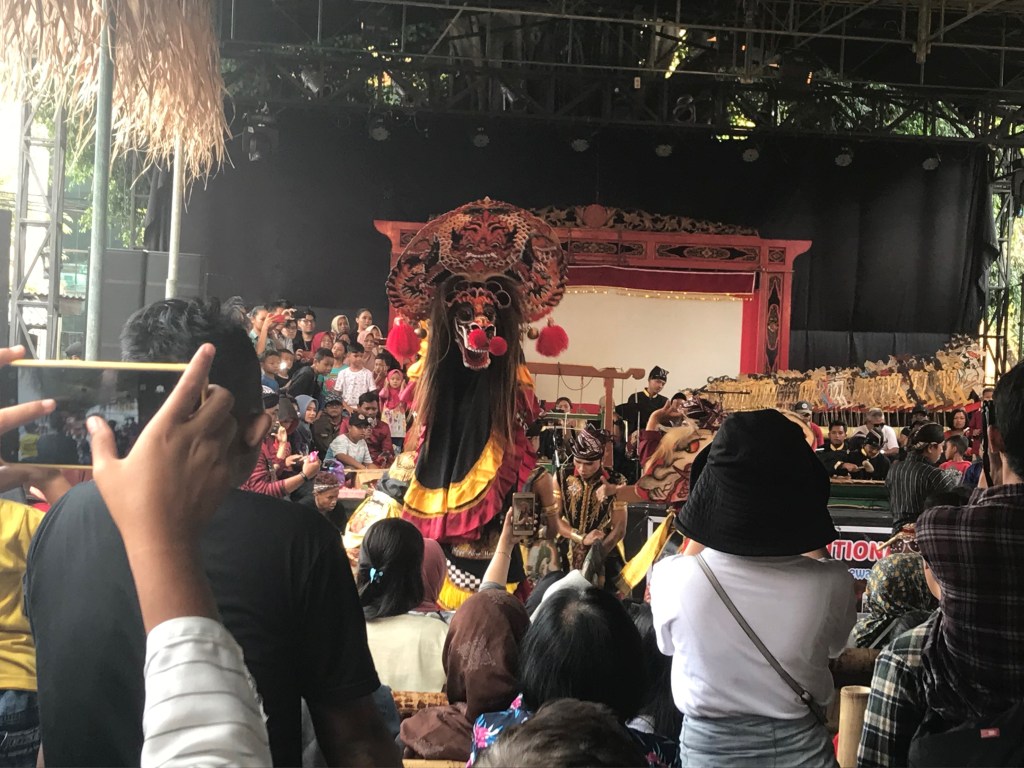
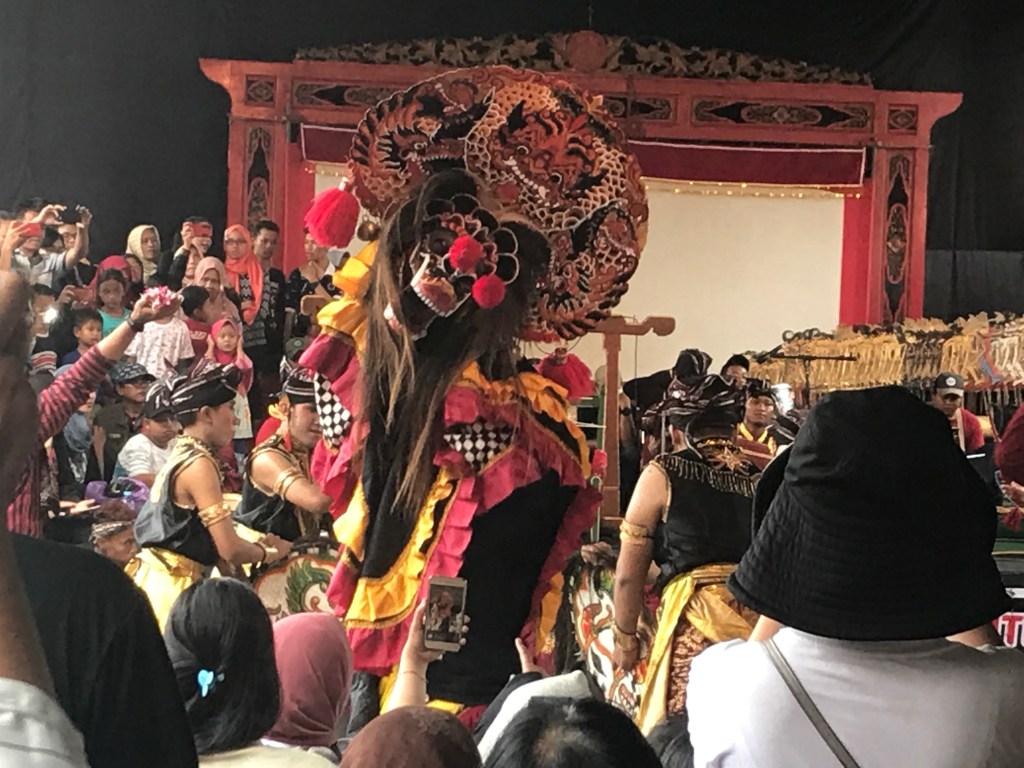
Traditional dancing show at Pasar Kangen – “Nostalgia Markets”. These markets featured traditional foods and performances from olden times- bringing back childhood memories and building new ones, thereby instilling intergenerational appreciation of Indonesian foods and music.
Yogyakarta was much more than simply learning Bahasa Indonesia. Although I will take the lessons learned here and continue to build on them during my time in Jakarta, it extends far beyond being able to talk to others. Hopefully I can now understand people more than just the words they are saying. I can appreciate the history that seems to be buried under over-crowded metropolitans. Lost as those that can go study and live overseas.
But if Indonesia’s history is anything to go by, what is lost is never truly gone.
Centuries after they were buried, both temples were rediscovered and domestic and international efforts have not been spared in their restoration.
Young people play a huge role in the performances at markets such as Pasar Kangen.
Art canvases the city.
These are all movements that show the culture of Indonesia is not lost, nor will it be swept away.
It will change and adapt, but the people who live in this city, and indeed the country, have an awe-inspiring ability to preserve their history so that it lives not by its artefacts, but by its people.
As development charges forth, drivers are continuing to ensure that culture is preserved and even furthered in their efforts to lift their people to a brighter future. Because culture is not just things, but people. And when people are put in charge of their own future they will bring everyone else with them.
 roads go ever on