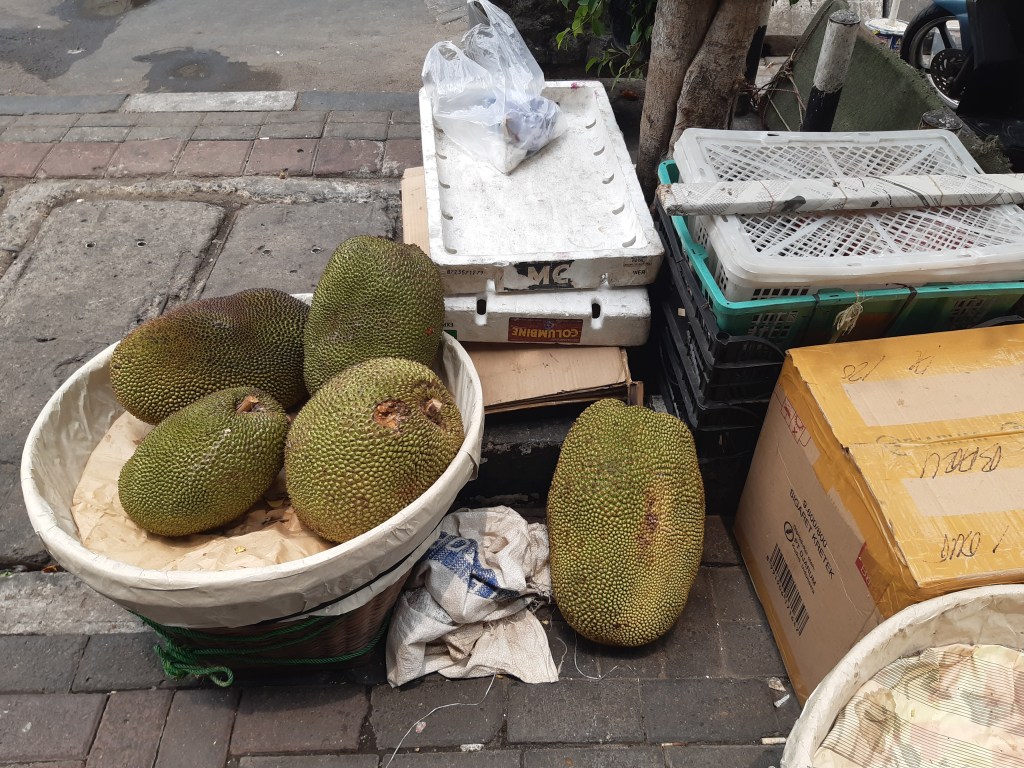
Named for the prolific, aromatic fruit that is commonly found in the area, Jakarta is a city of well over 10 million people.
I moved here in July 2019, eager to start a whole new adventure where I could fulfil my dreams. I was a volunteer with the Australian Volunteers Program – an initiative provided by AusAID and DFAT. So I got to work as a volunteer overseas with the major benefit of being financially supported throughout the entire experience.
Jakarta was overwhelming. I thought that I would get used to jumping away from motorbikes on the rare sidewalks. The constant smog and the humidity. These were all part of the opportunity I had chosen, so I accepted them. But to live here, I needed to do more than that.
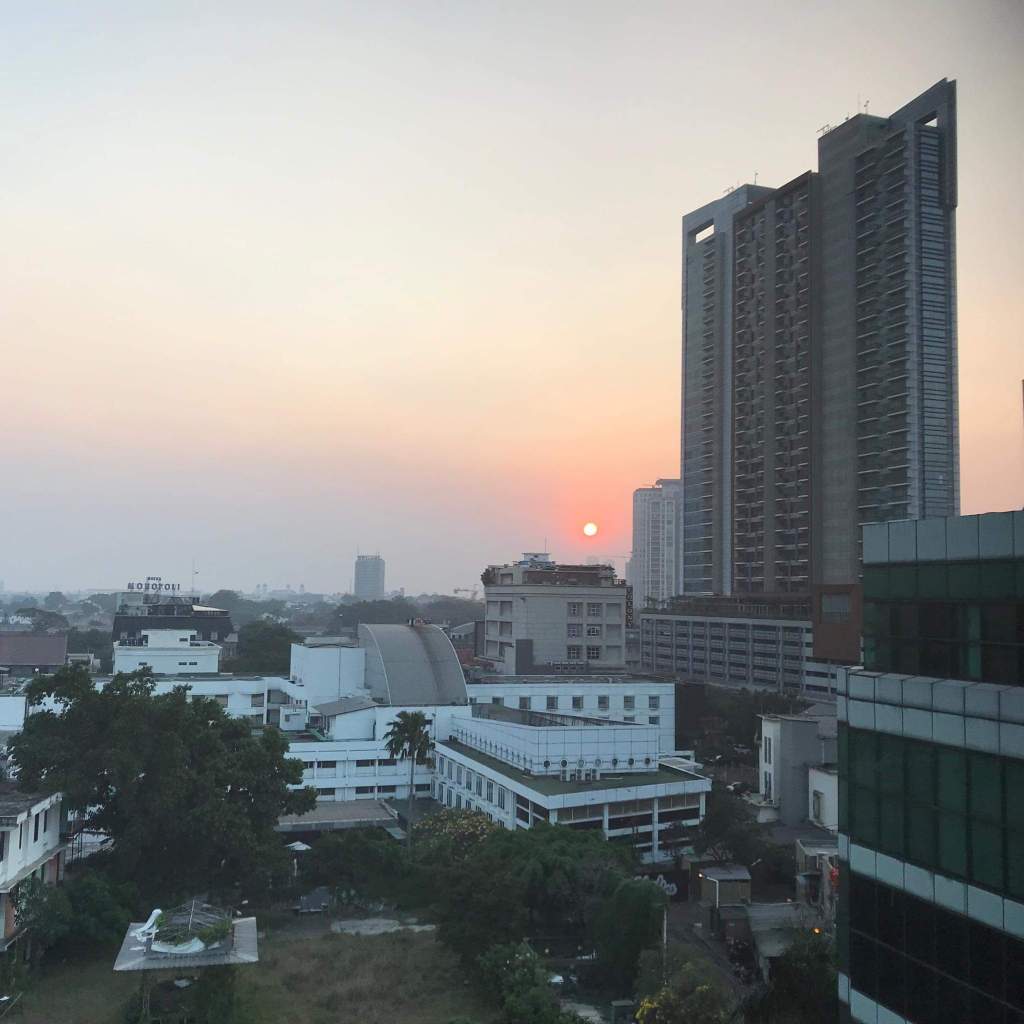
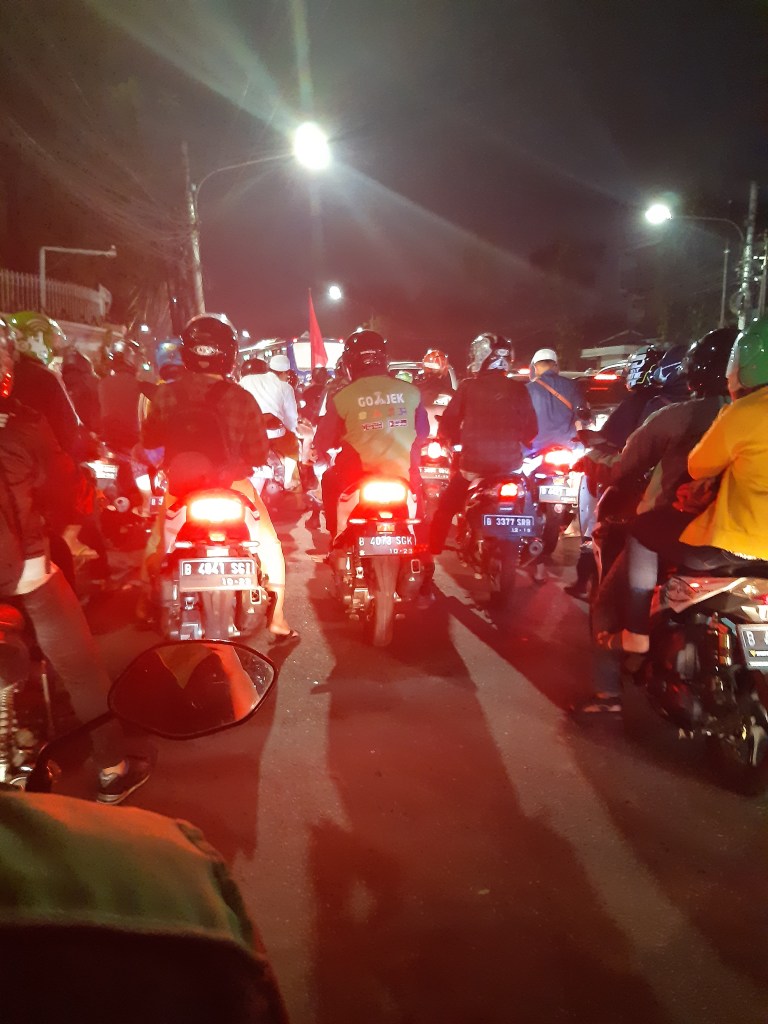
Step 1: Find somewhere to live. I did not have enough money for any luxury apartment, so I searched the city for a room close to my workplace to avoid the famous traffic (it once took me over an hour to get a few kilometres…). I found what is known as a kos – a bedroom and private bathroom in a 2 story building that is a common form of low-medium cost housing in the area. The internet was good enough.
Step 2: Figure out the food situation. One setback of my accommodation was that it did not have a kitchen. I had a fridge and I bought a kettle. If I wanted anything other than fruit and vegetables, I would have to source food from the various street food stalls nearby. So my diet consisted largely of nasi goreng (fried rice), mie goreng (fried noodles), and my favourite – soto ayam (chicken soup). I also consumed vast quantities of papaya and dragon fruit.
Step 3: Explore the area. Nearby I had access to a large mall with a movie theatre and enough turns that I got hopelessly lost the first few times I went there. It did have a Fitness First (with a pool!) which was a nice surprise. I certainly wouldn’t have been able to get any exercise otherwise. I lived near the MRT – a high speed metro that gave me access to the business district and regions further south. This route featured several more malls.

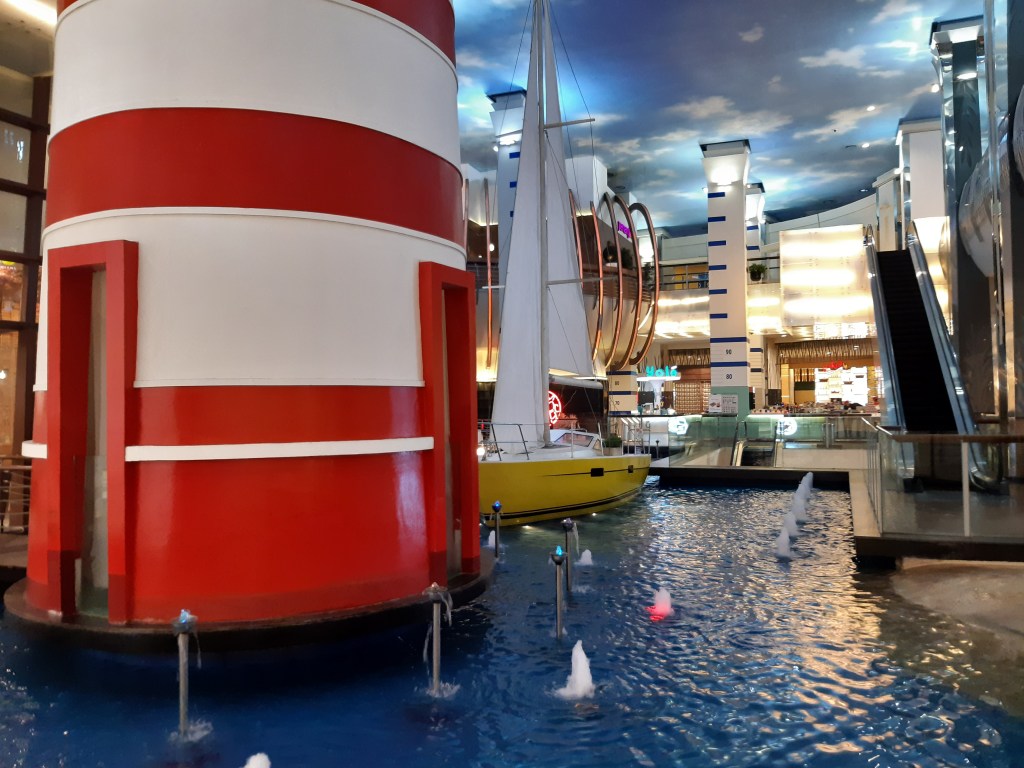
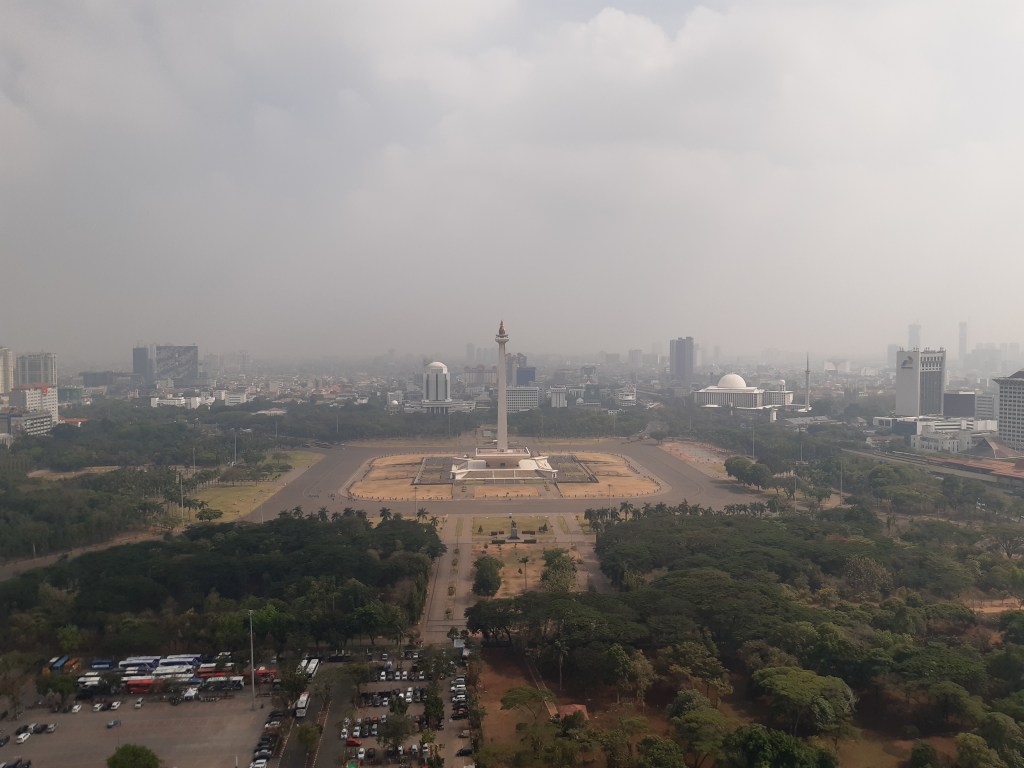
Step 4: Figure out where work was. And actually turn up. Living nearby the UN Jakarta headquarters meant it was only a short 10 minute walk (which made all the difference in a hot and humid environment).
Step 5: Figure out the best options for taking a break from the city. See my trips to Komodo National Park, Bogor, and Bandung for more info.
Working an living in Jakarta was the best experience of my life, and I expected to be there for 11 months (thanks COVID…). I rapidly settled into my role and worked hard to plan my projects and determine what I needed to achieved this. It was actually the first time I had worked full time with office hours (I felt like an adult!). Meeting new people, going to high-level events and conferences, working with Indonesian organisations and how we could support them were only some of the highlights.
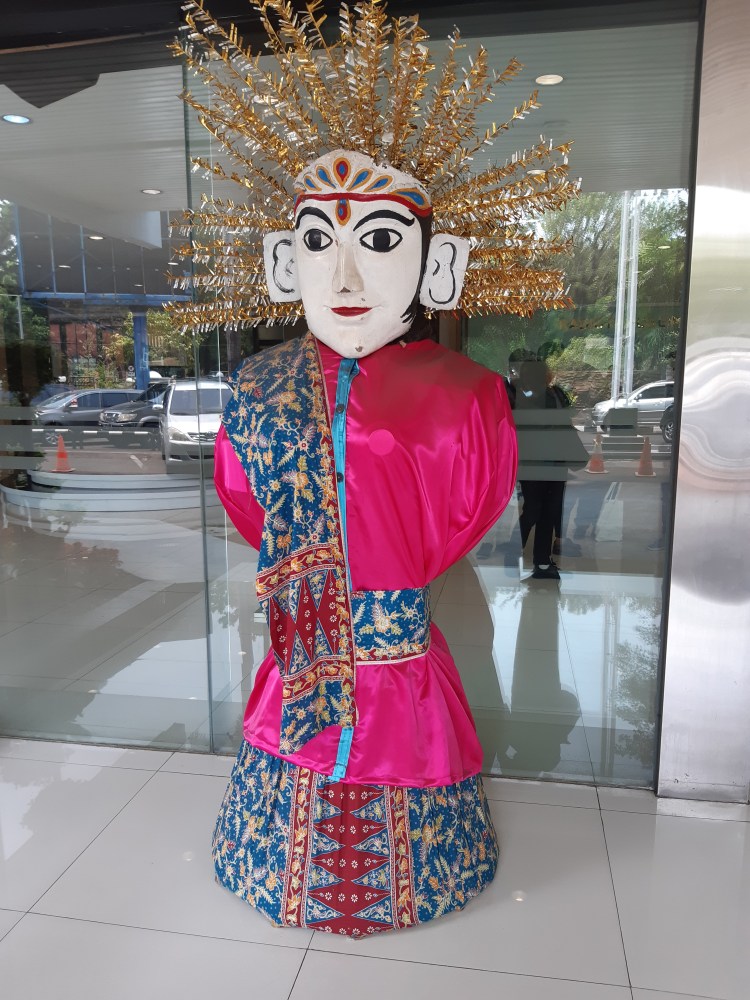
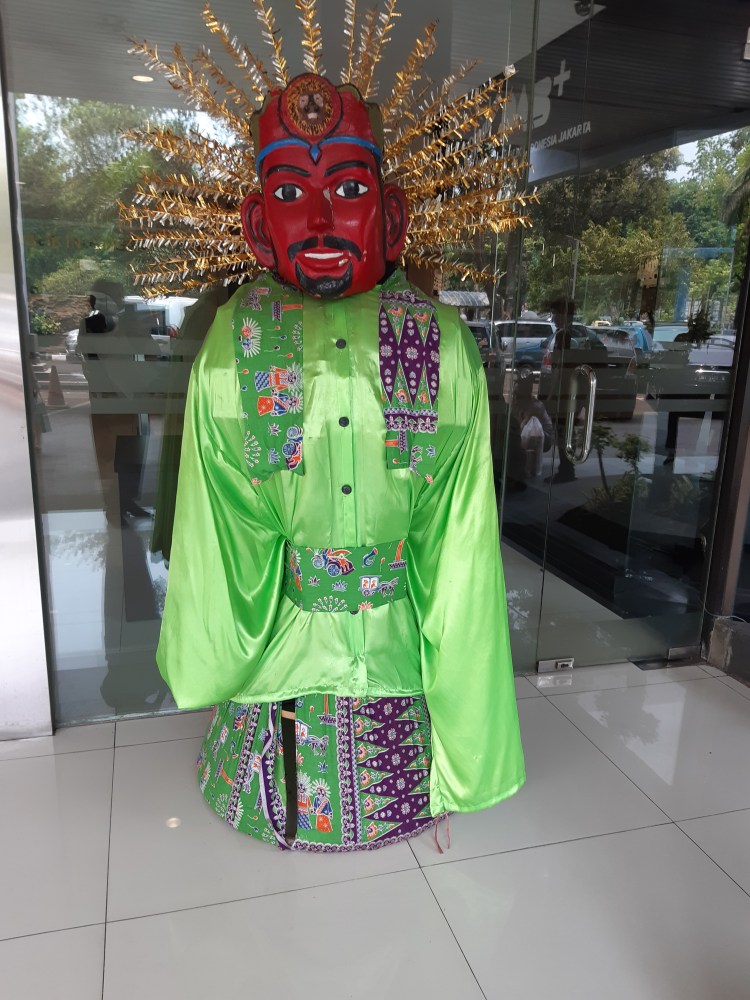
I also quickly learned to fear the ondel-ondel. Seen below, they are massive iconic puppets – what I would ignorantly consider the ibises of Jakarta. It is a little harsh and comes from a very Western point of view. And it was enjoyable to see how people flocked around them during the Car Free Sundays.
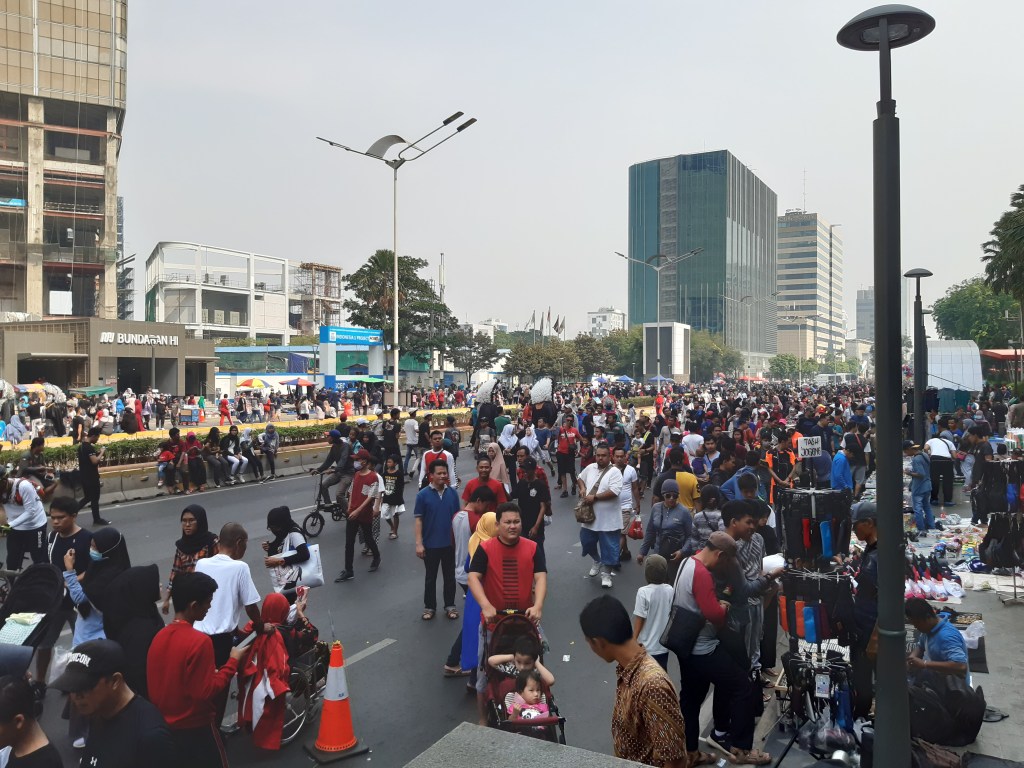
Sundays became my favourite day. It was the only time I could run outside, with the roads near me closed off around cars and a plethora of food stalls, people, and the occasional dog. Or otter. I actually saw an otter being led on a leash on the hot tarmac…
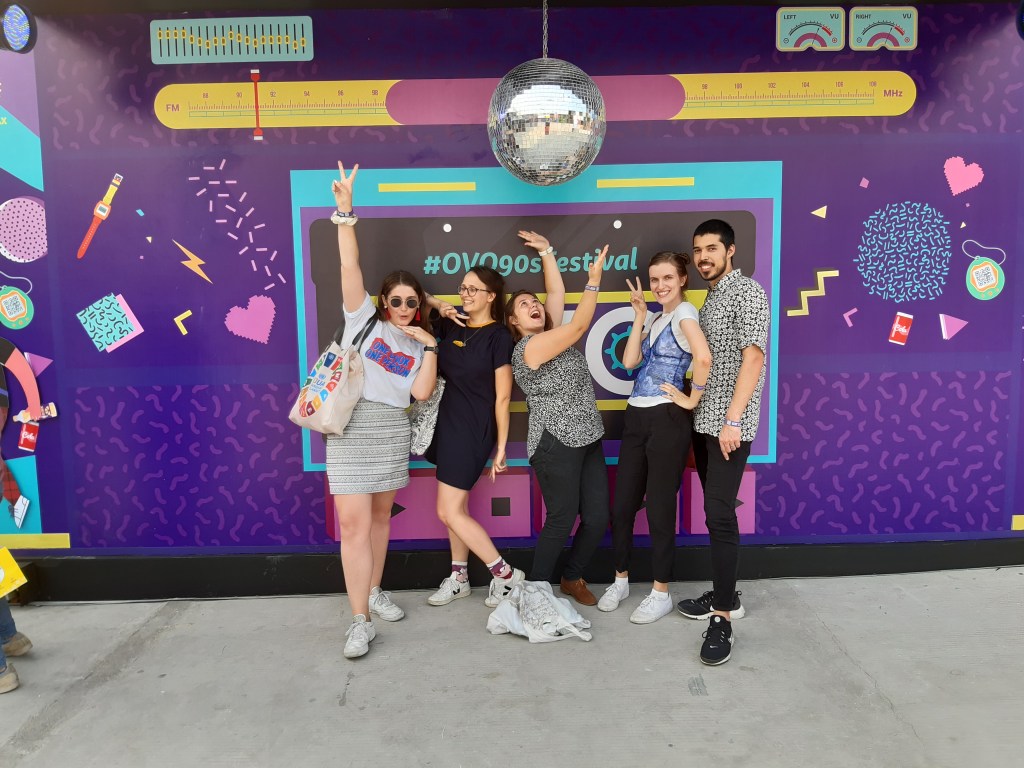
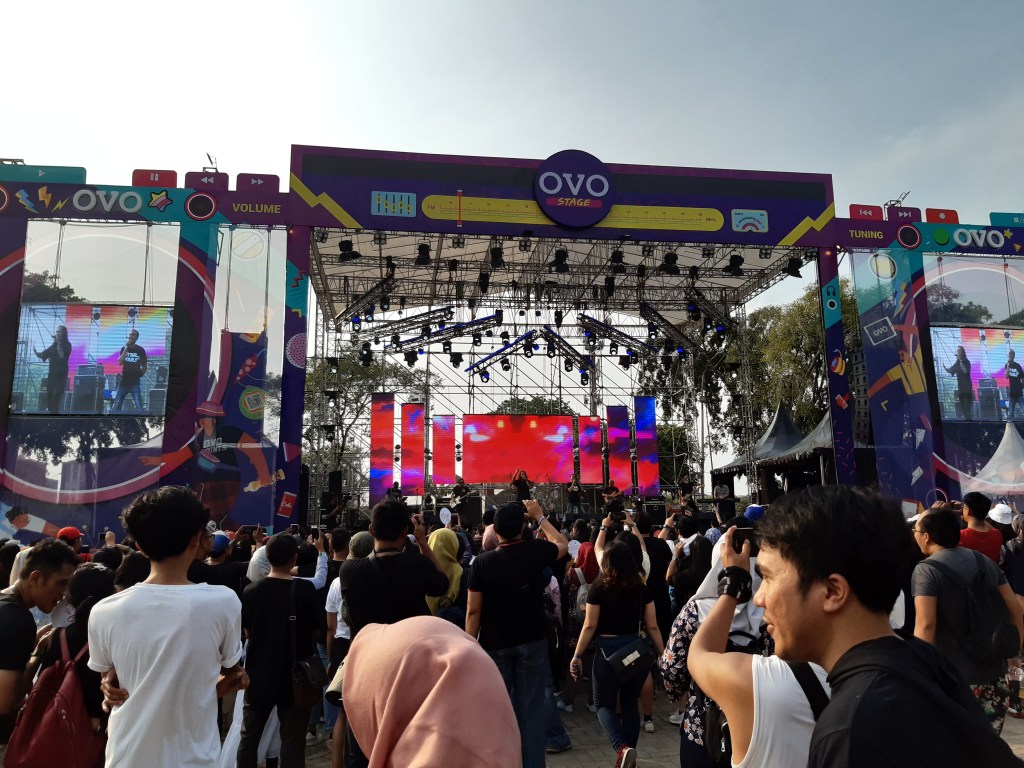
Being a major city meant there were often events intended for international and Indonesian audiences. This meant that they had some English components, wonderful for my very rudimentary Indonesian skills. One of these included a 90’s Festival. And Aqua was there (!?). It was an odd but nostalgic experience singing “I’m a Barbie girl” in the middle of Jakarta.
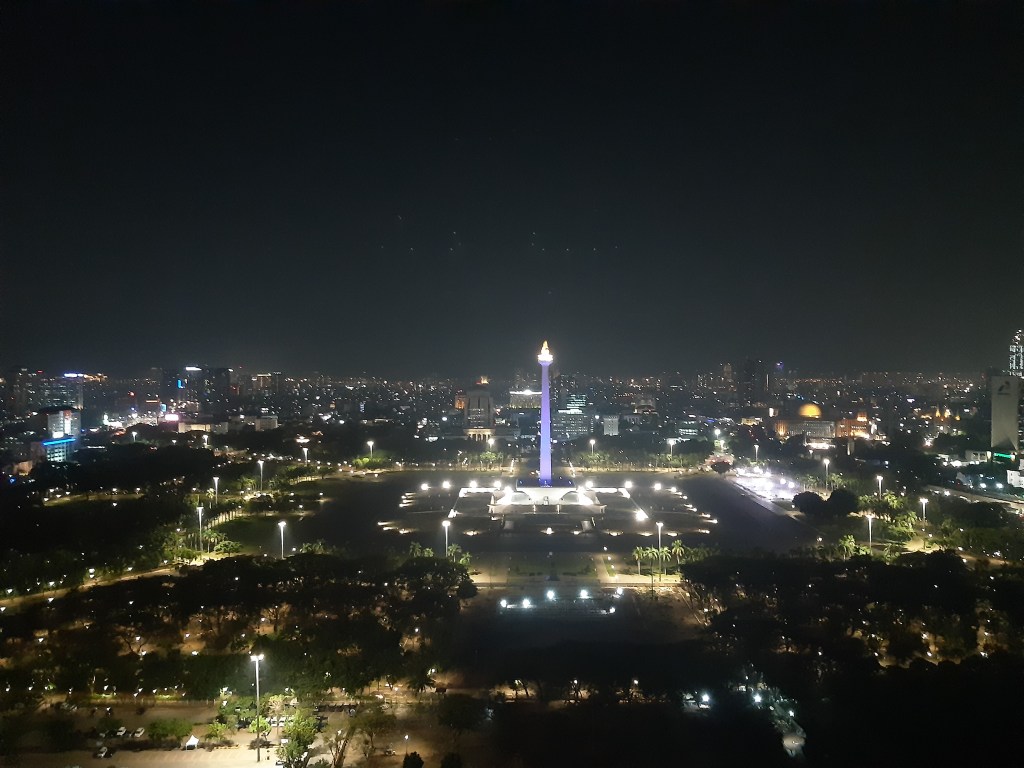
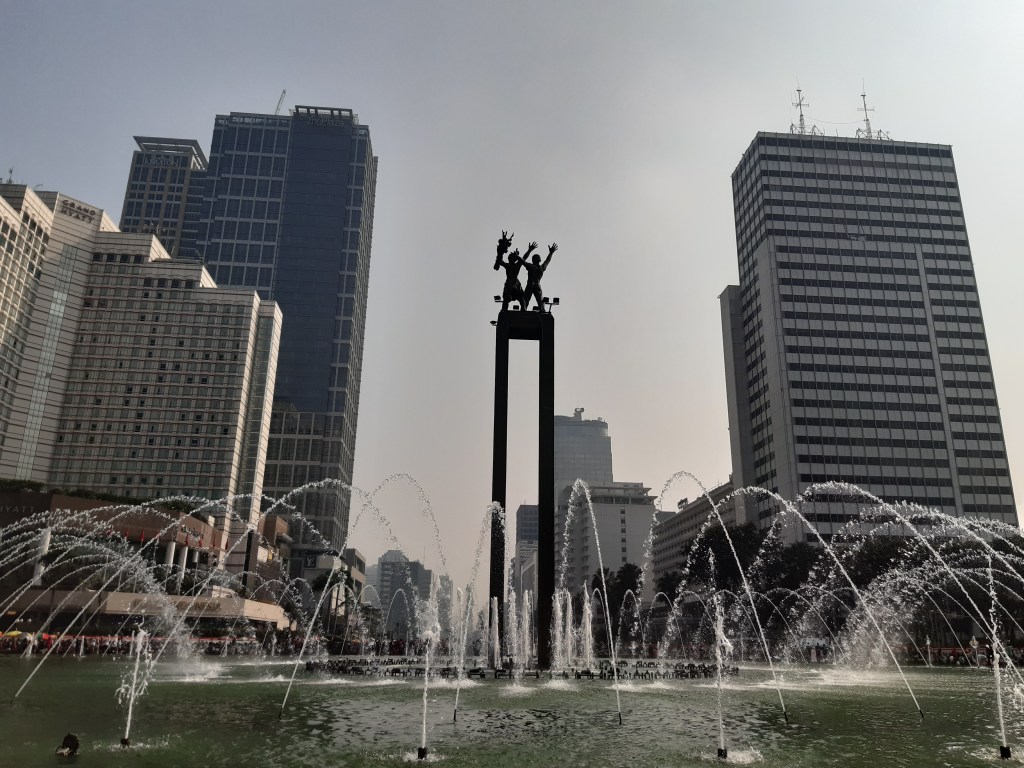
Arriving in July meant I was in Jakarta for New Year’s Eve. But it also meant that I got to be there for the rainy season. Essentially 2-3 months of incessant rain, with frequent showers immediately before and after. So 2020 started off with a bang. The bang of thunder and shock of lightning. After a few glasses of Captain Morgan (the only alcohol we could really afford), I managed to convince my friend that we should go see the fireworks. Located at the Selamat Datang Monument – the iconic roundabout in Central Jakarta – they were severely impact by the downpour. Barely making it higher than the nearby street lamps, we were particularly concerned about the ones careering into the hotel over the street.
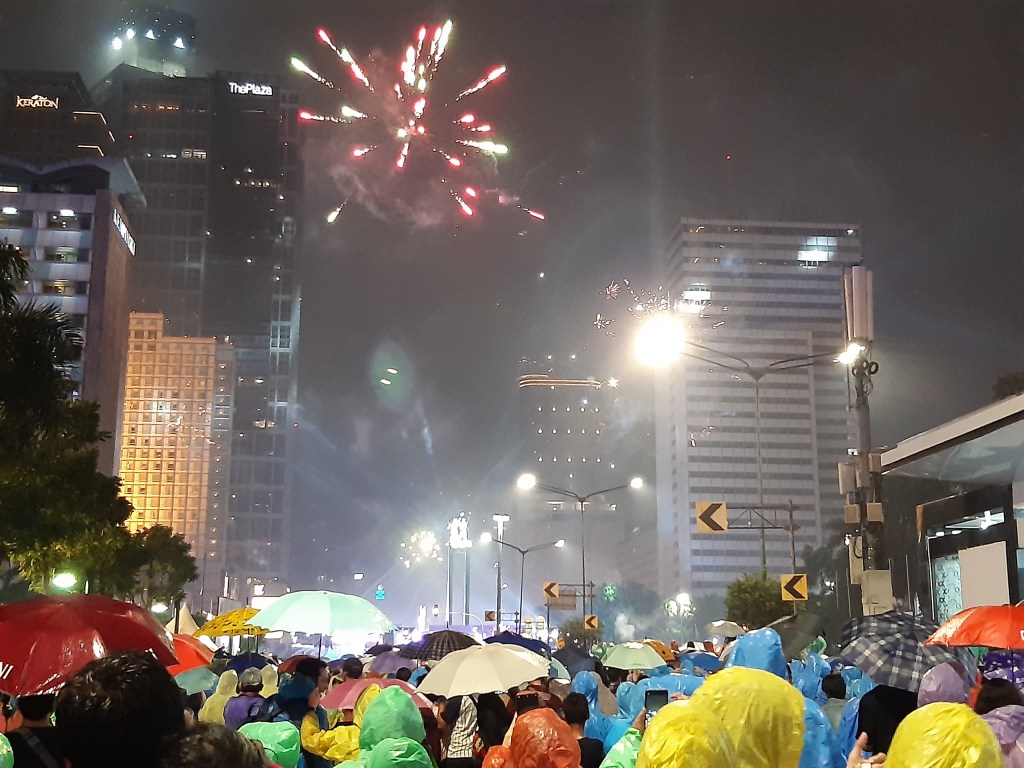
After midnight we hurried back. And woke up to one of the worst floods Jakarta had experienced in decades. 2020 folks! Well over 300mm had fallen in a single night, easily overwhelming the drainage systems Jakarta had and causing a local damn to direct water into a specific area of Jakarta (not too sure what happened there). We were advised to stay indoors, with access to the office restricted and deemed unsafe. I was lucky enough to be in an area that had only ankle high water, but many were not nearly so lucky.
The rain wasn’t quite done, with frequent flooding causing delays on the roads and requiring constant vigilance. It was around this time that I really started to struggle living there. The previous heat and smog had stressed me more than I expected, and the constant rainfall stretched me to the end of my patience. Work had become increasingly difficult as I felt myself attempting tasks I could not complete. Then COVID-19 emerged.
Being an international office meant we were constantly being updated throughout January. Sending information received from the WHO to spread correct information in the face of the myths circulating the disease. Around February, a comprehensive list of false ways to prevent the spread was released using the UNICEF logo. This included not eating ice-cream to avoid your body temperature falling below 28˚C. High level officials advised that prayer was the best solution. We tried to tell everyone to wash their hands and use masks. However, this was during a time where the information from the WHO was uncertain. Masks were recommended, then they were deemed useless. Then they were again the biggest tool people could use to prevent the spread.
Unity was a big theme in our communication materials. I felt they were ineffective – how could we suggest actions that could not possibly be adhered to in Indonesia? The water was largely unsafe to drink. Public transport was often the only way people could work, and offices were not shutting down. Not everyone could afford masks and there was no income support for those in the informal economy – a large percentage of employment rates. Saying that it would end by June seemed ridiculously unrealistic.
We stayed vigilant about international and national developments and were advised to sit tight as it would be more dangerous to take an international flight. However, in March, Australia closed its borders. We had to go home.
My visa was not going to be updated, so I had 3 days’ notice. What ensued was a massive rush to pack up 9 months of my life as fast as I could. I lost quite a bit of the work I had done while there as it was transferred onto a USB that crashed as soon as I got home. My Garmin heart tracker told me I was more stressed than I had ever been and I got less than 8 hours of sleep across 3 days. Definitely a stressful time. Luckily, I managed to get a flight home and I (mostly) got all my stuff together. My luggage home included an entire suitcase of toilet paper as requested by my mother, as they had run out.
I got back just in time to do the quarantine in my house. We have a separate room so I spent the 2 weeks there with frequent visits from my dog Frodo, who was also having a crappy time after recently having a surgery. Tiger King came out that weekend too…so it was a great way to spend my time. I
t was difficult to readjust, as all my plans for travelling after Indonesia, coming home and moving to Melbourne, getting a job were upended in less than a week. I was stuck at home unable to talk much to my family. And I knew I was one of the lucky ones. Everyone had issues in the wake of COVID-19.
My year in Jakarta was extraordinarily eventful and being able to travel and explore Indonesia was an experience I will always treasure.
Just not the giant rats in my room. I can forget those.
 roads go ever on