Featured

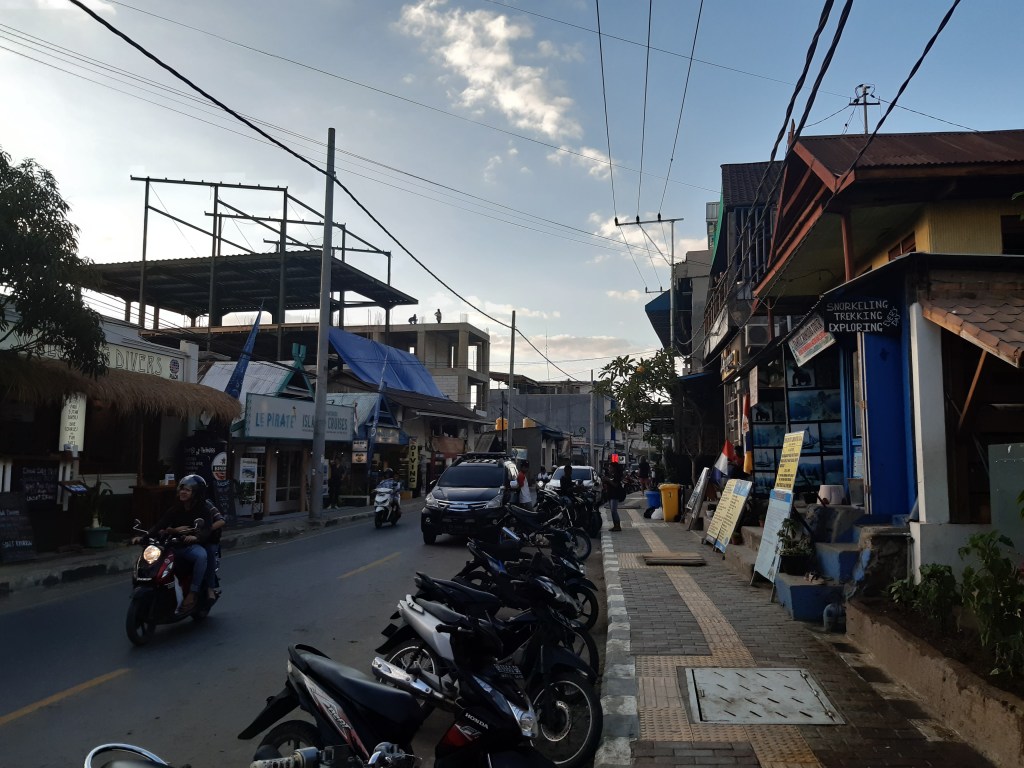
Dragons Be Here…

…AND MANTAS AND TURTLES TOO!

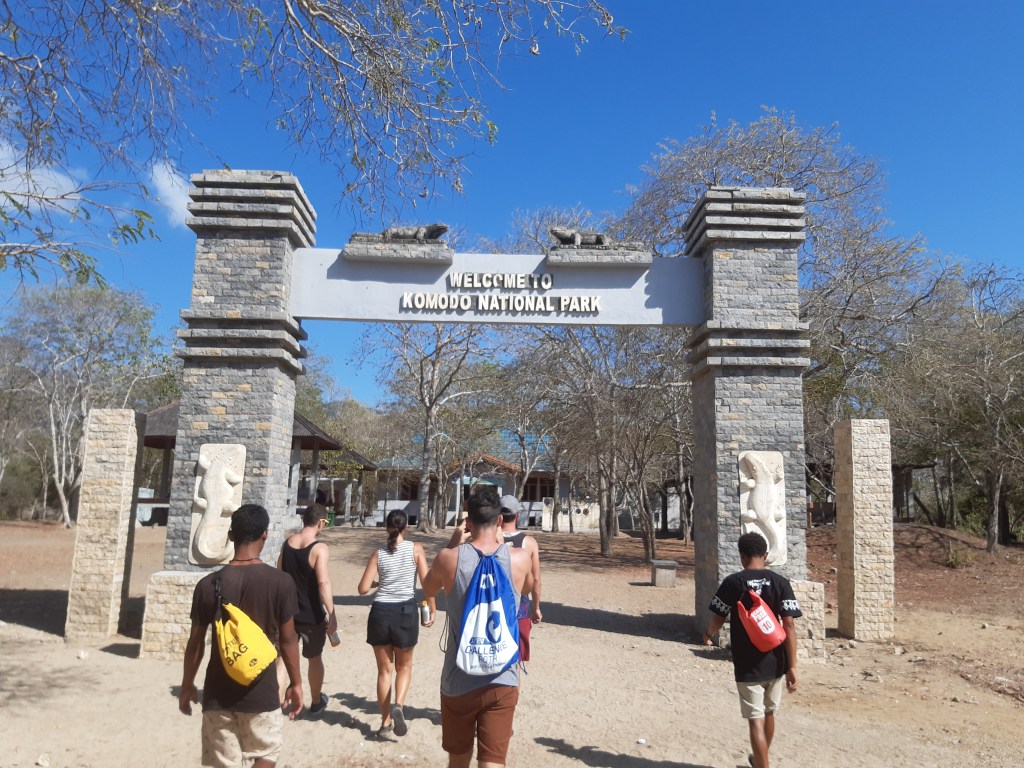
Komodo National Park. Located in the region of East Nusa Tenggara (Nusa Tenggara Barat), it is home to the legendary Komodo Dragons. Ever since I was young, I have been obsessed with learning more about our natural environment and when David Attenborough introduced me to these incredible animals so many years ago…I just had to see them. Moreover, the first thing I did when I learnt I would be spending a year in Indonesia was organise a dive course as I had heard the area had some spectacular dive sites (instead of learning the language…or anything else about Indonesia).

It was certainly not in vain.

This week was a week living up to any dream- whether born from childish or adult ambitions.

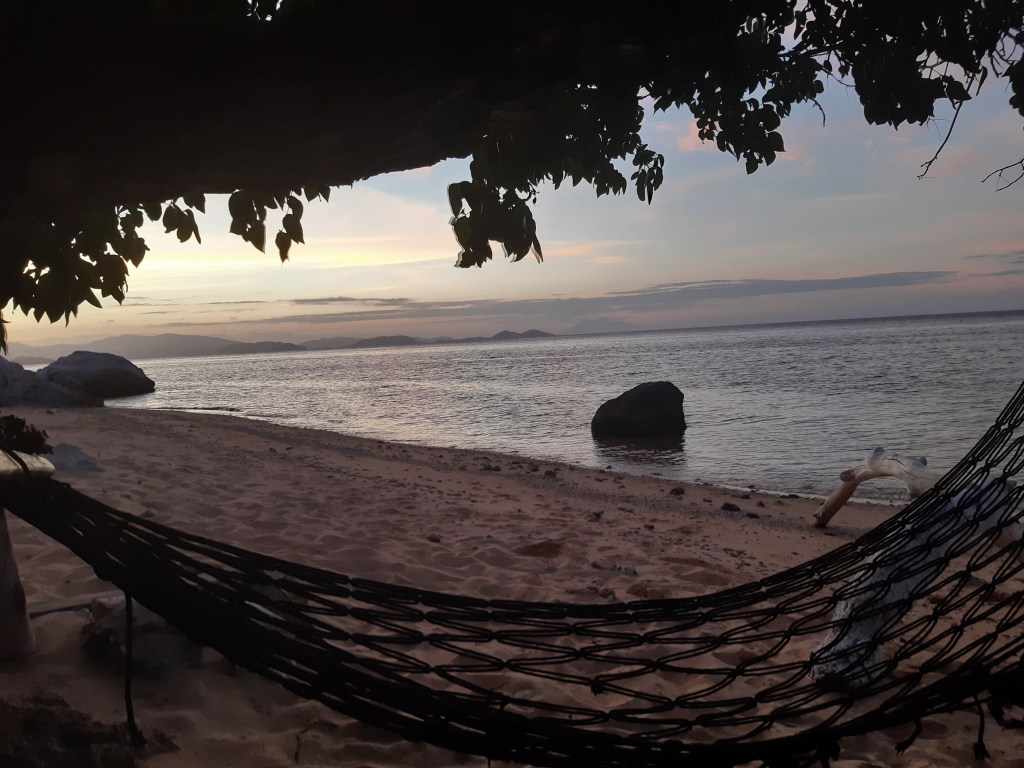
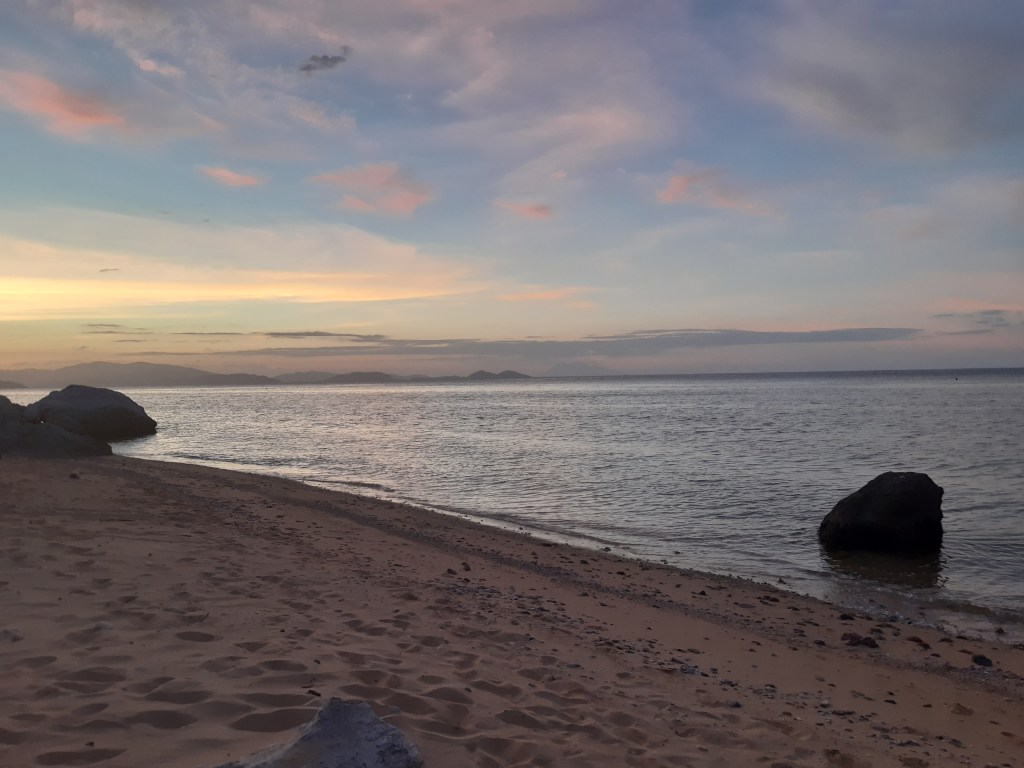
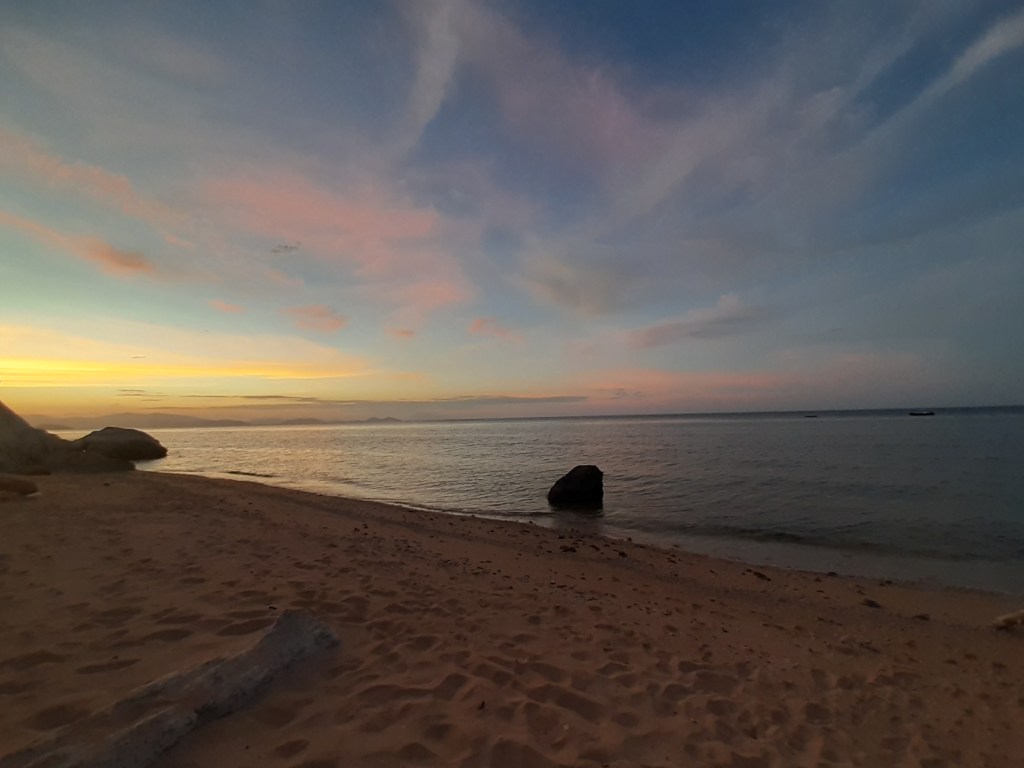
From sunsets that make you revisit your understanding of the colours yellow, pink and orange to fish whose form will leave you bewildered- the boundless blue of the sea separating these two worlds promise peace and tranquility for the adventurer.

Day 1

Labuan Bajo- coastal city of Flores. My first full dive was with the diving company Dive Komodo. Being a beginner, I was happy to find a company that was going to the more sheltered dive spots where the currents wouldn’t be a huge issue.

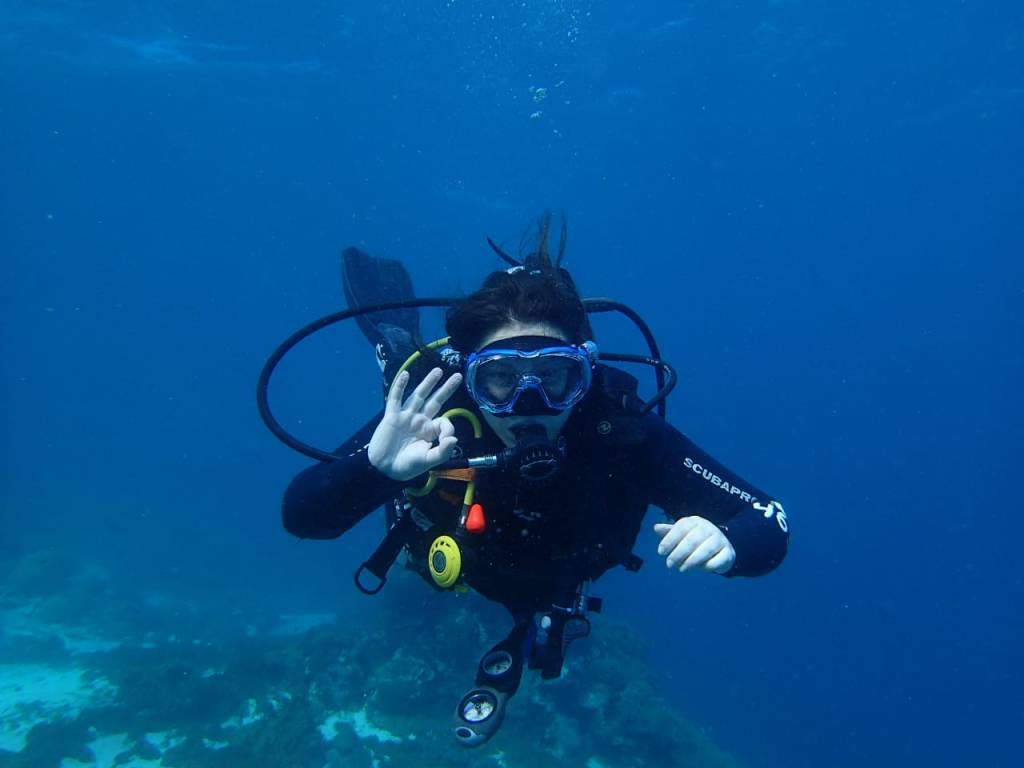
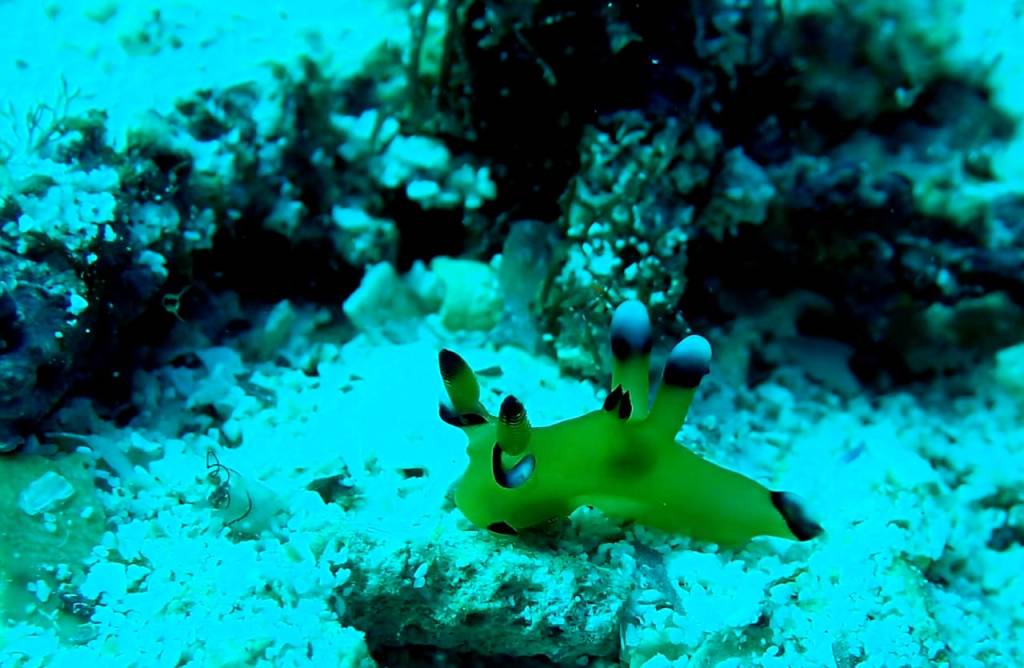
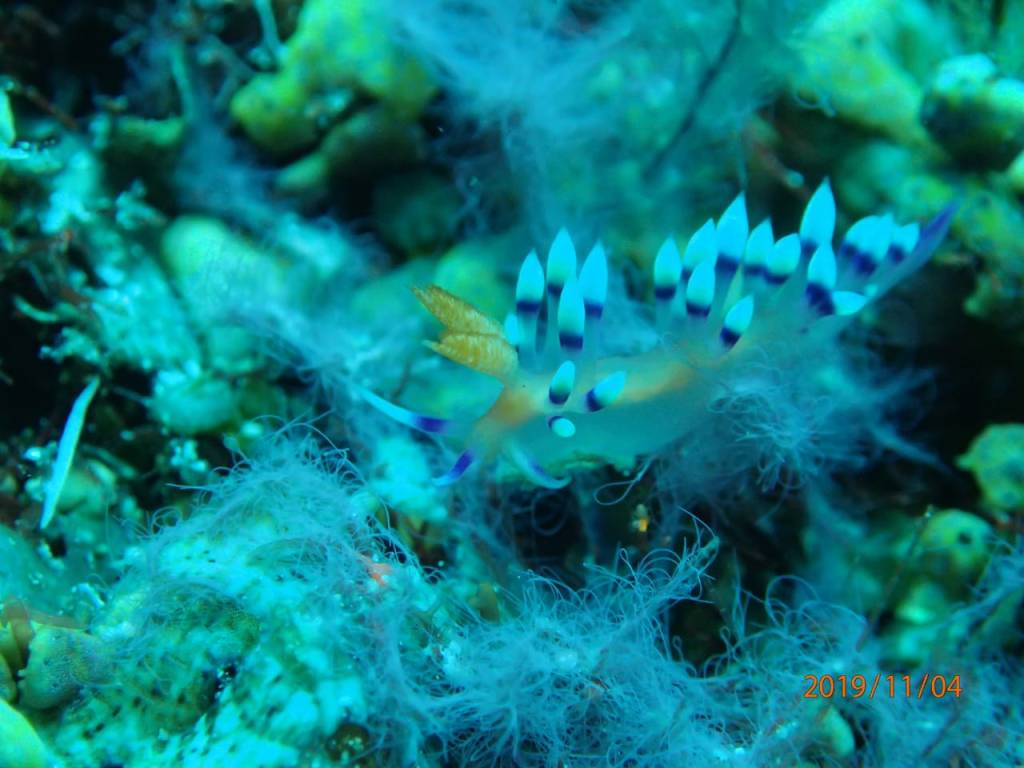
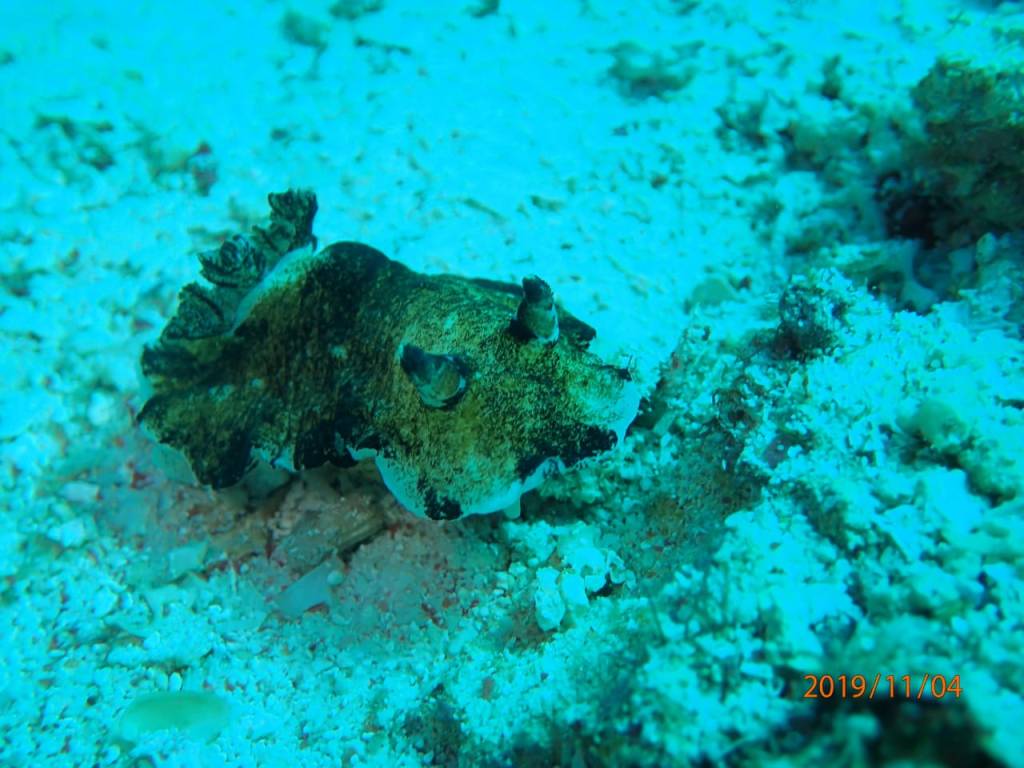
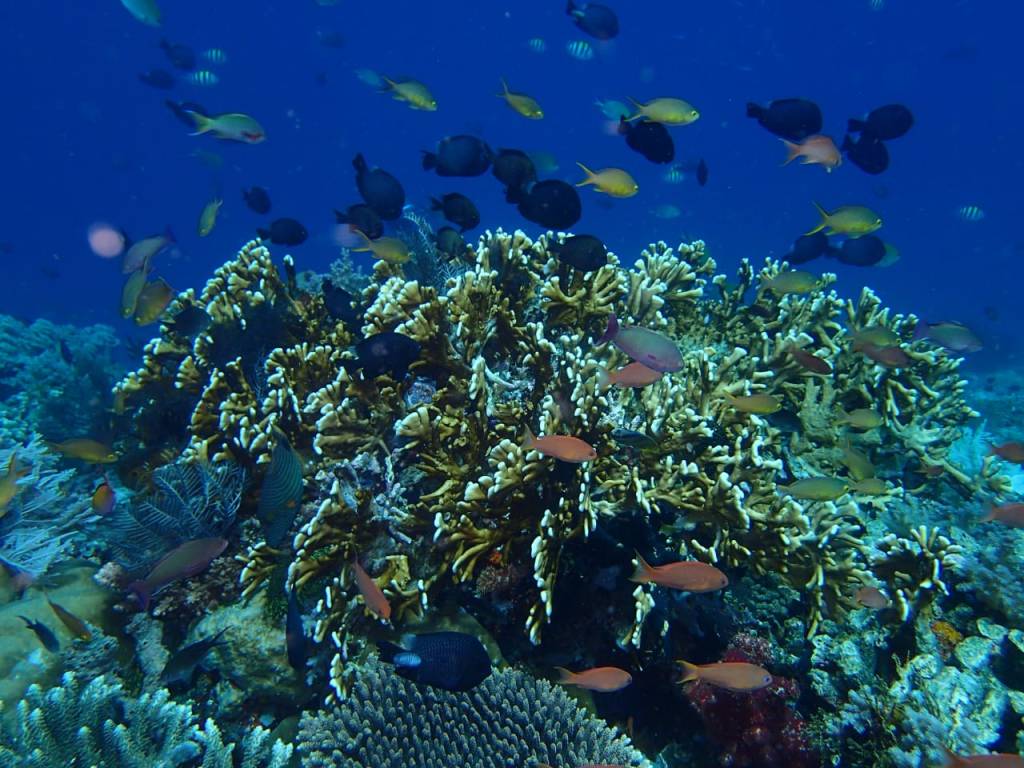
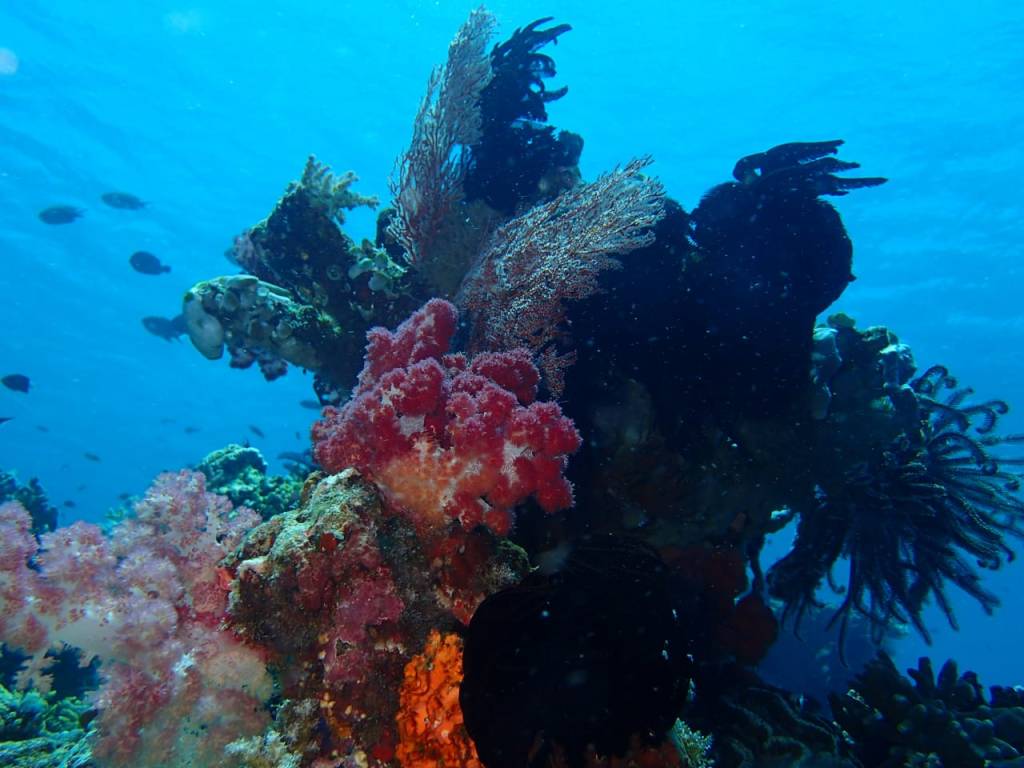
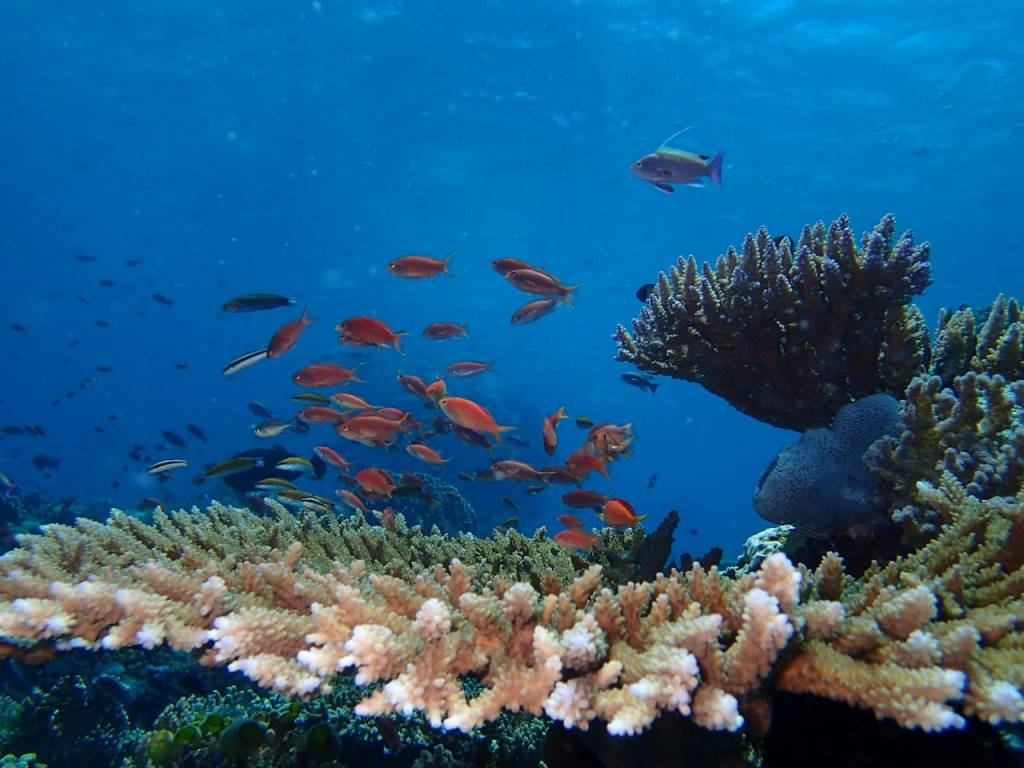
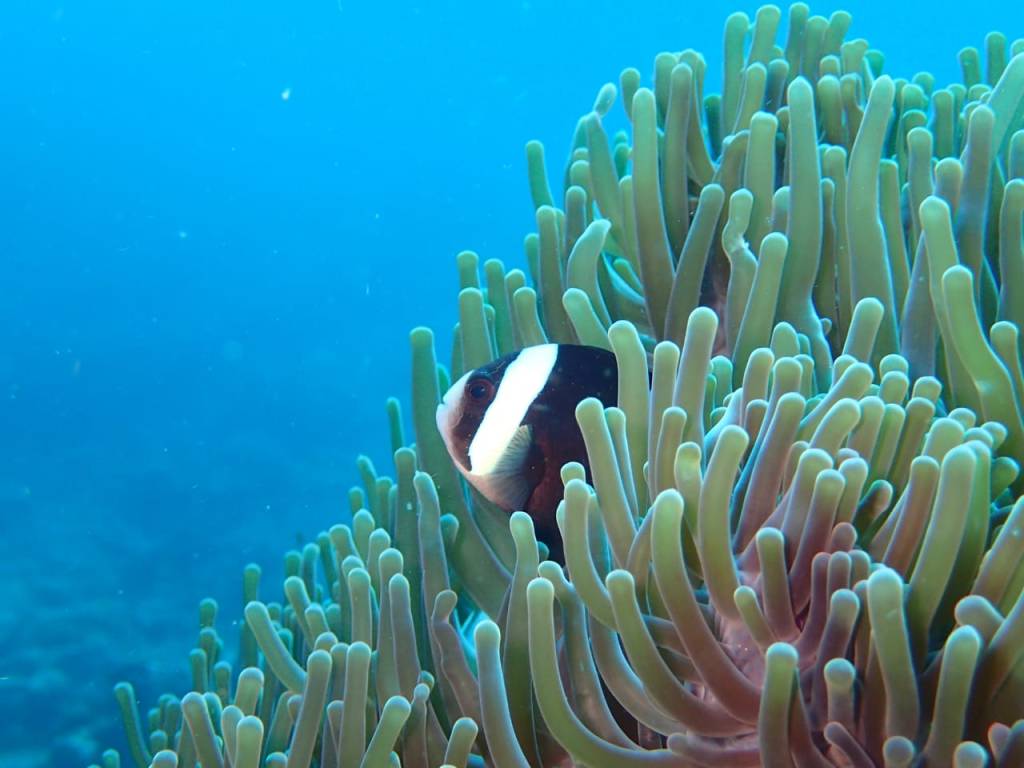
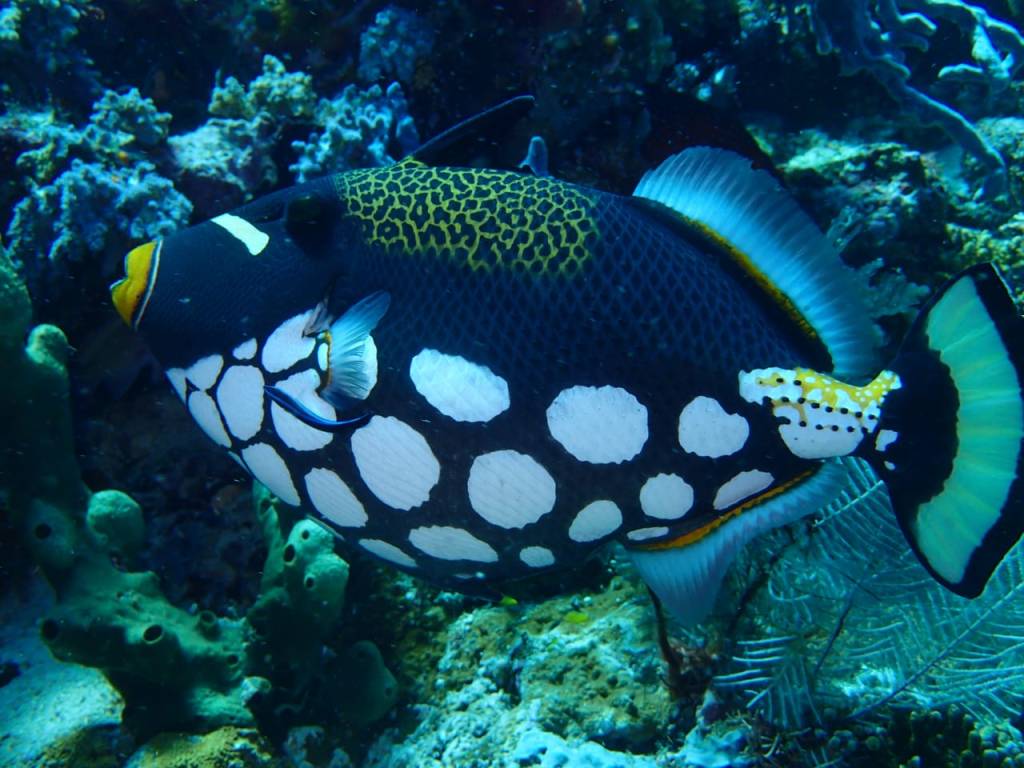
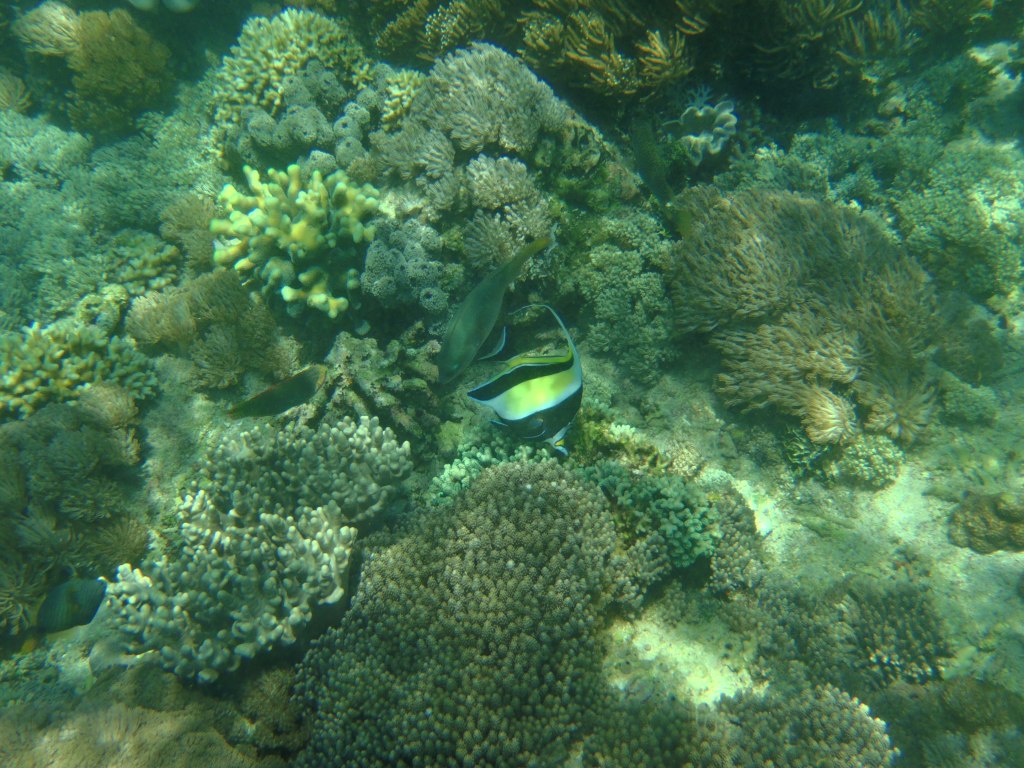
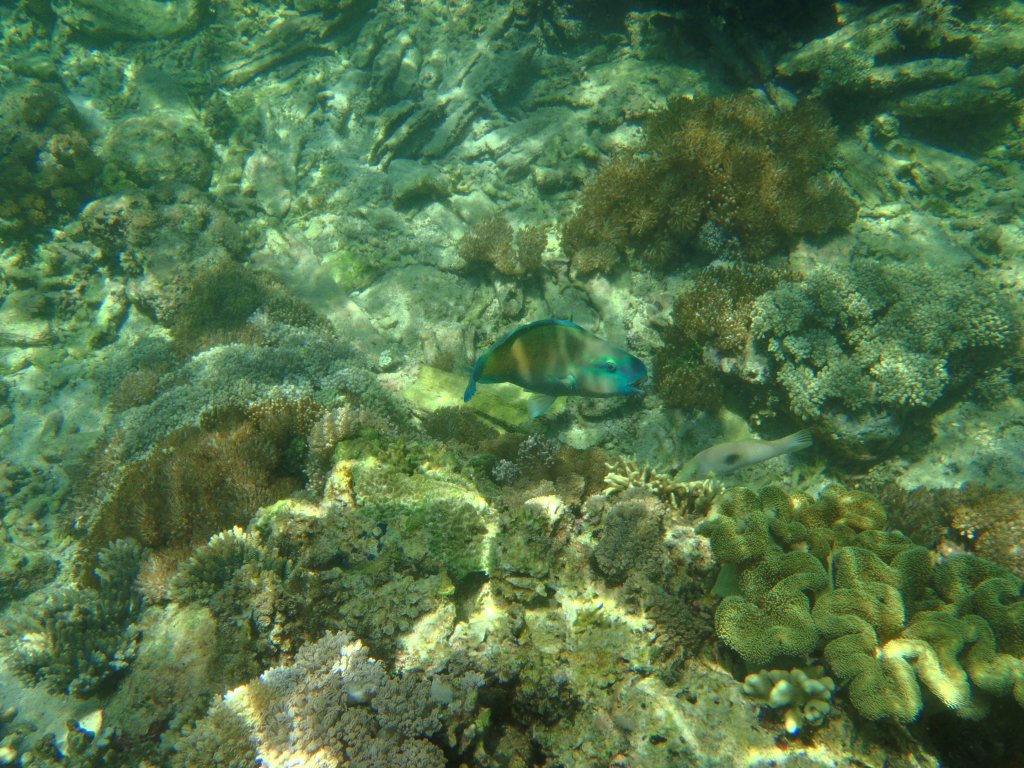
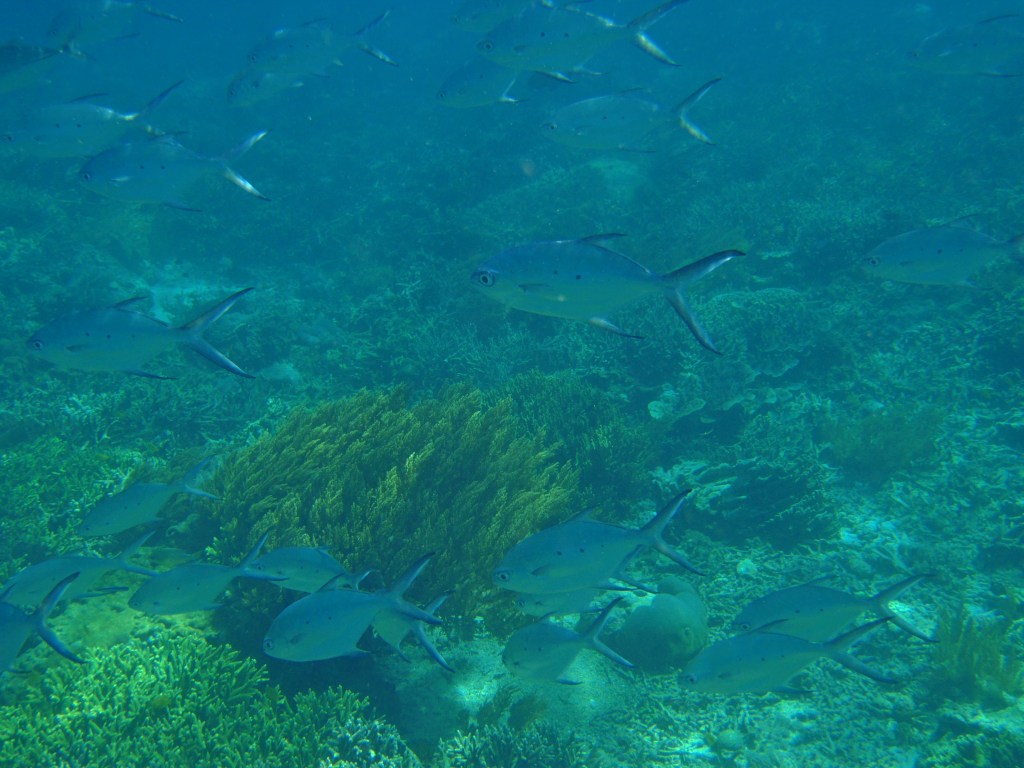
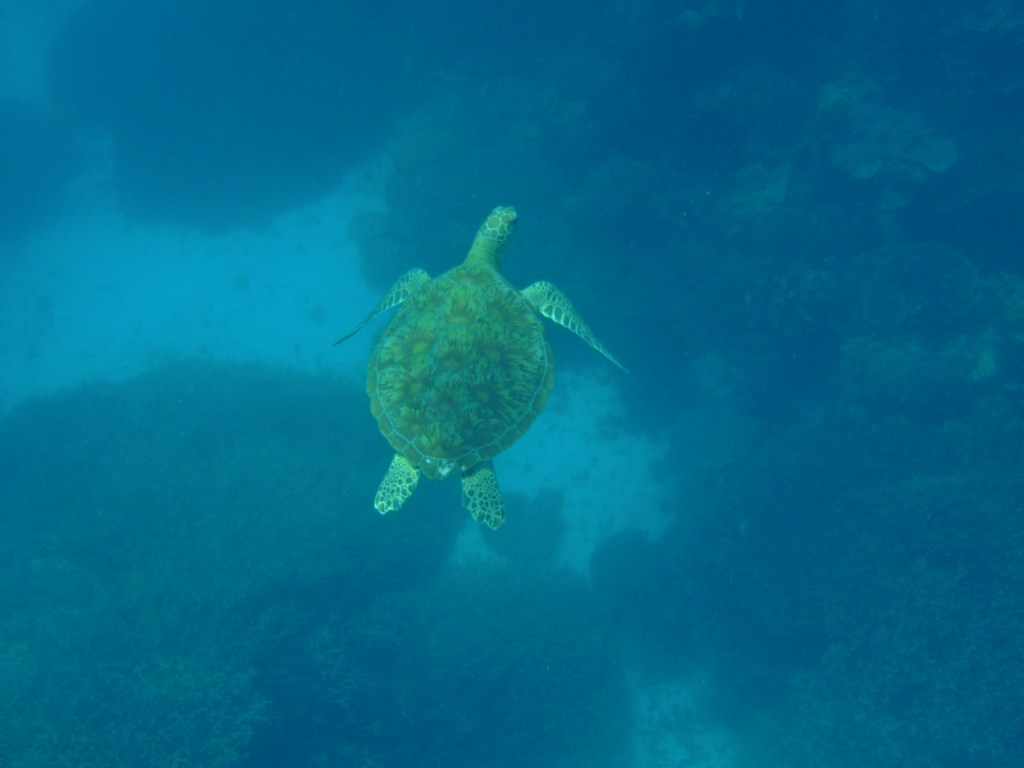
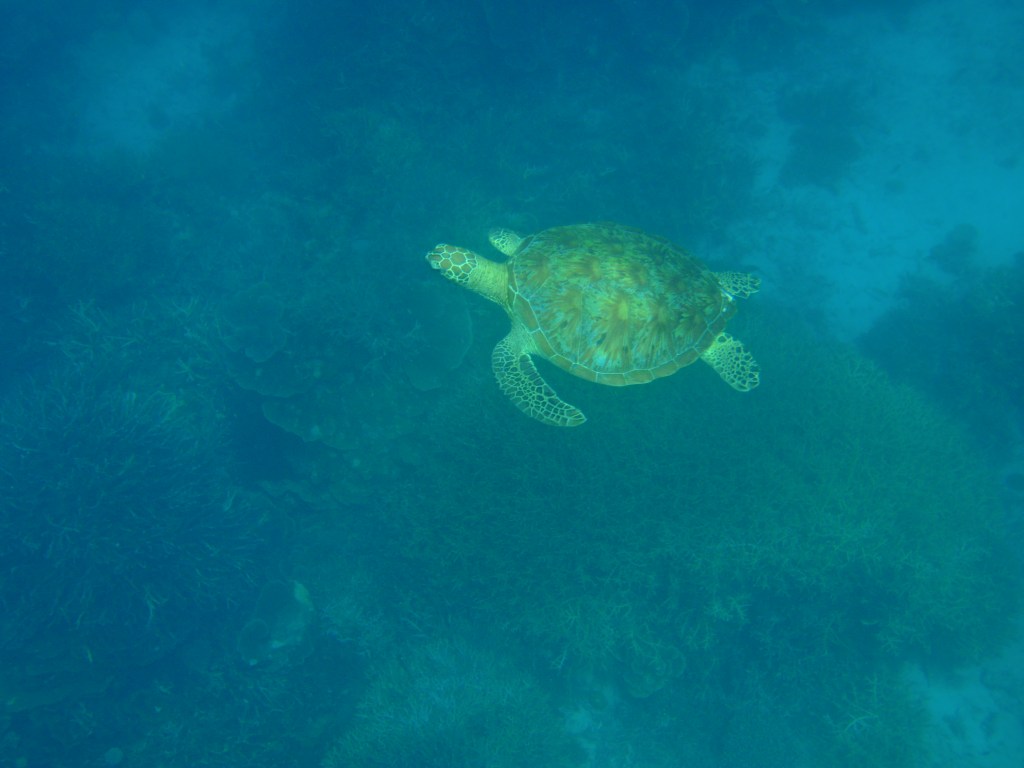
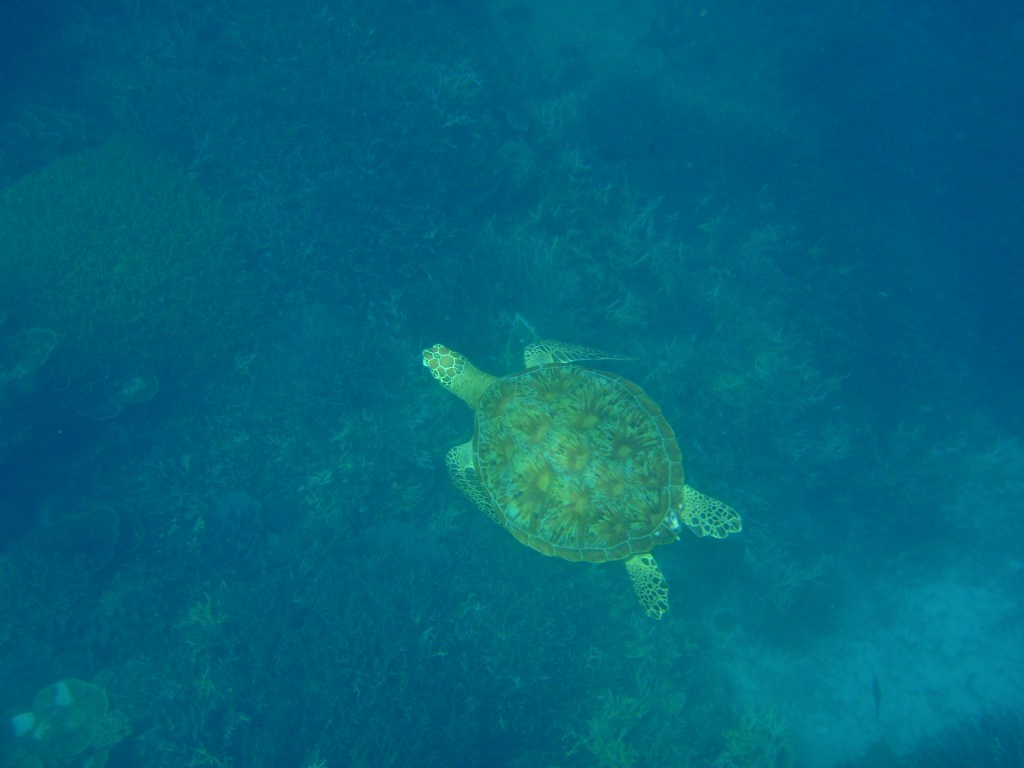
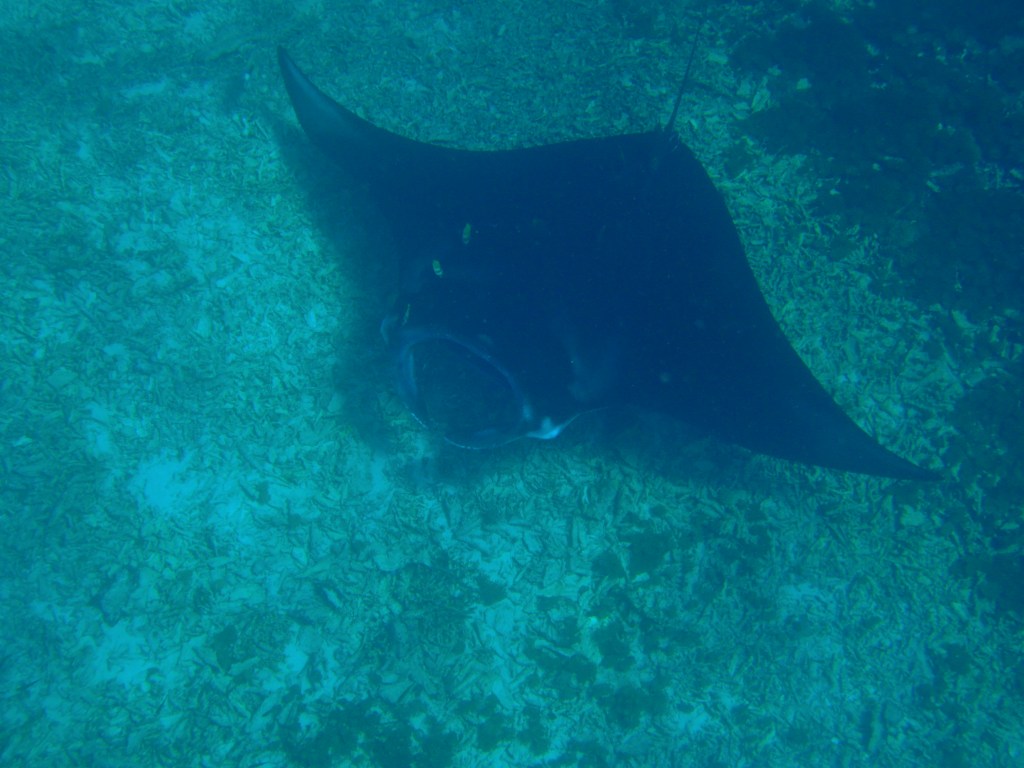
Going underwater exceeded all my expectations. If I never go diving again it was worth it to be able to dive in one of the most beautiful places on earth. On the first dive alone, I saw over 10 sea turtles…a few more that 2 or 3 metres long (but they can get much larger!). The variety of fish was overwhelming…and nudibranchs such an incredible scene! What really drew my breath away (a dangerous metaphor underwater) were the sights of mantas gracefully careering over our heads. I had never seen them before, and to see them so close was incredible!

UNDERWATER

This pretty much sums up my thoughts…

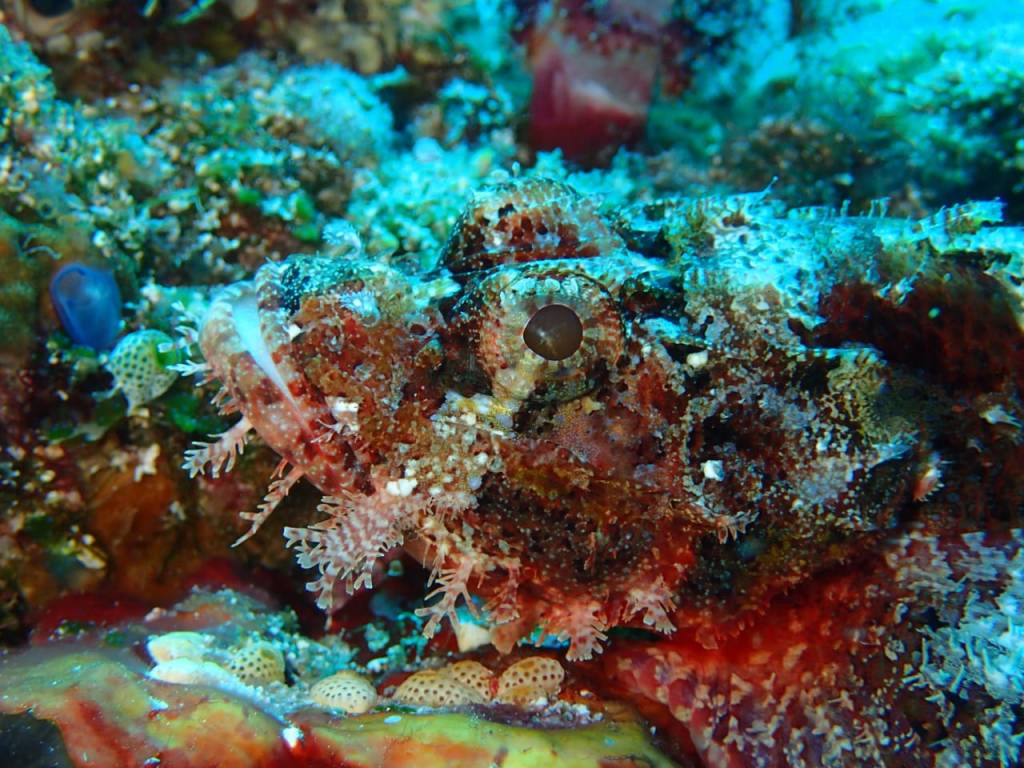
CREEPY CRITTERS OF THE DEEP

With thanks to our dive guide, Rian, here are some photos from our dives!

LIVEABOARD

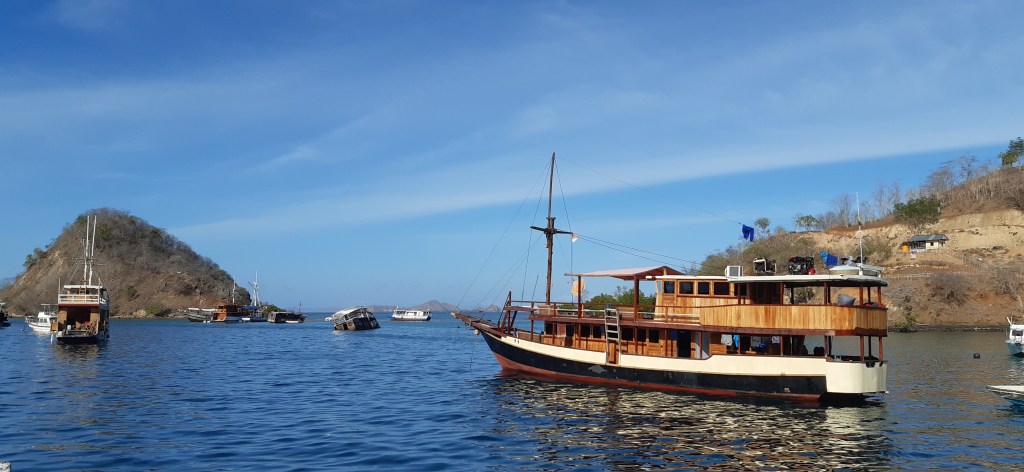
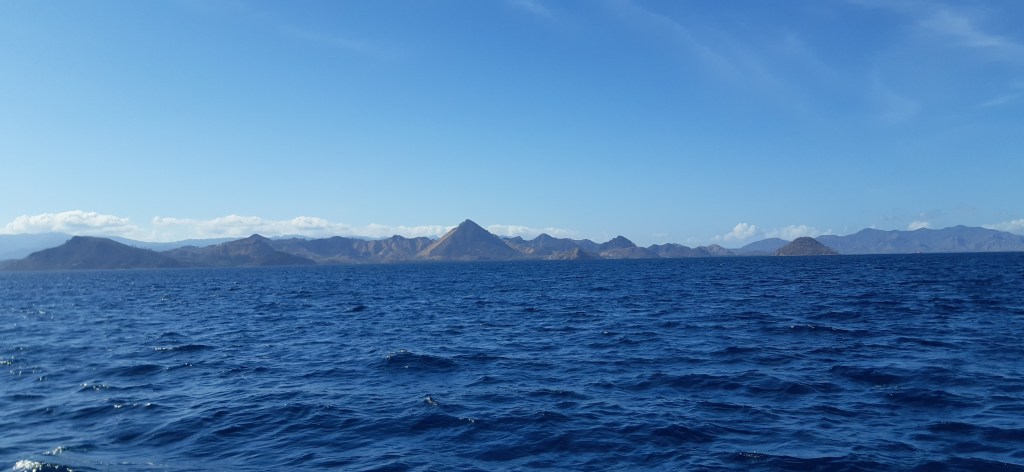
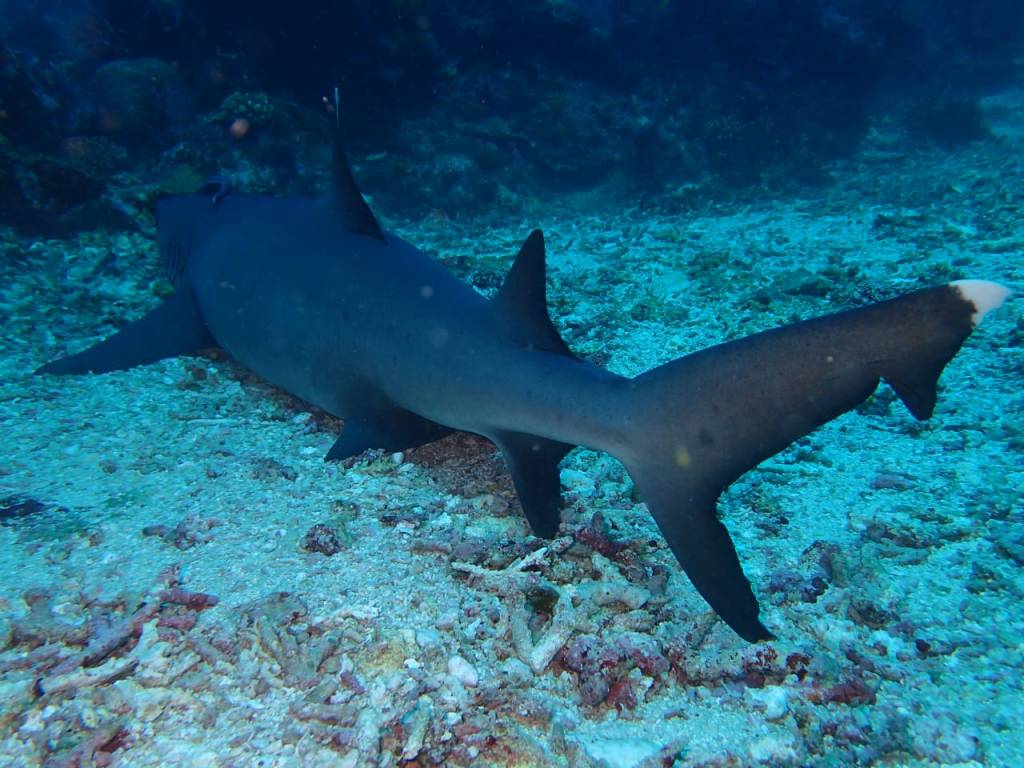
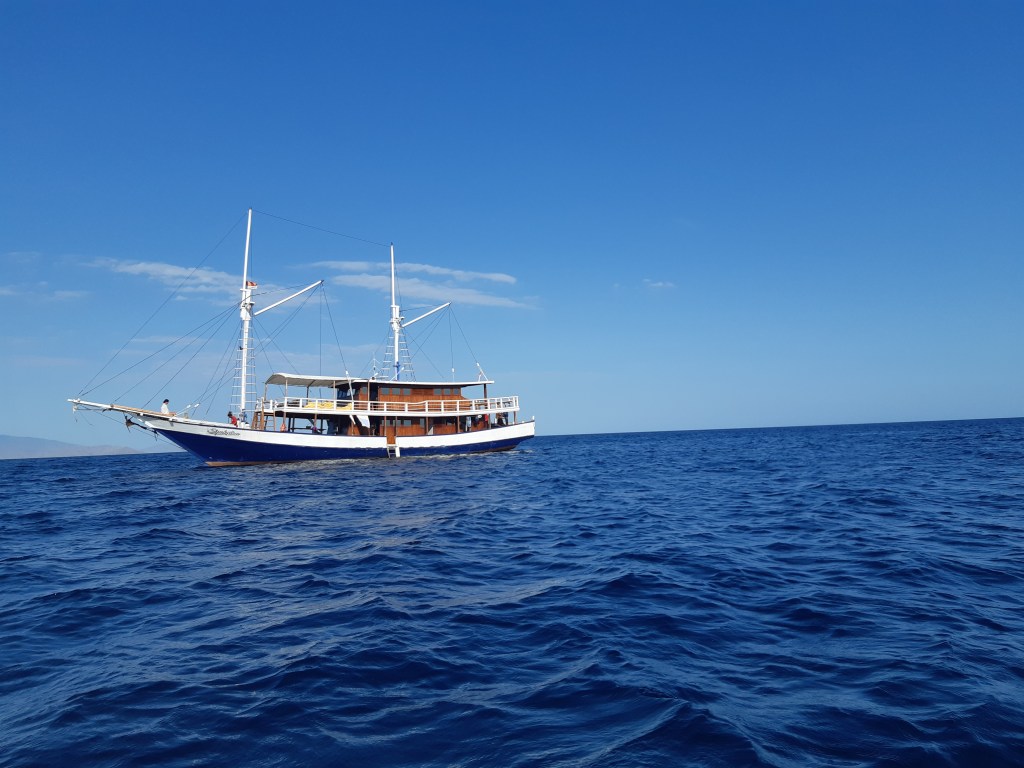
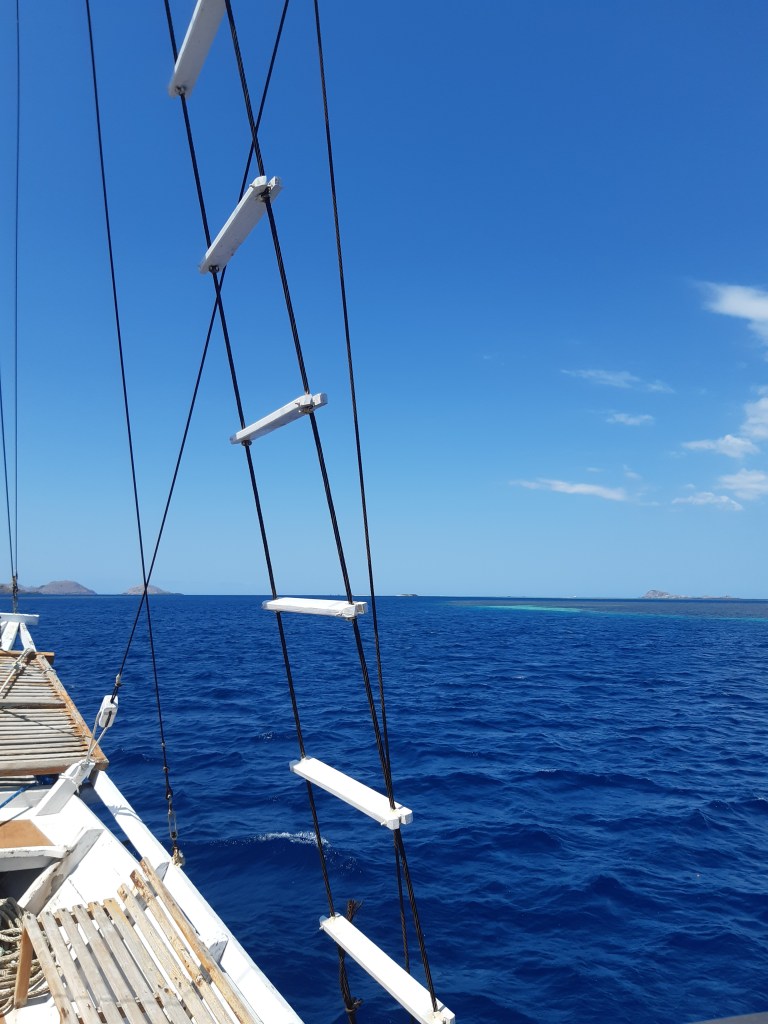
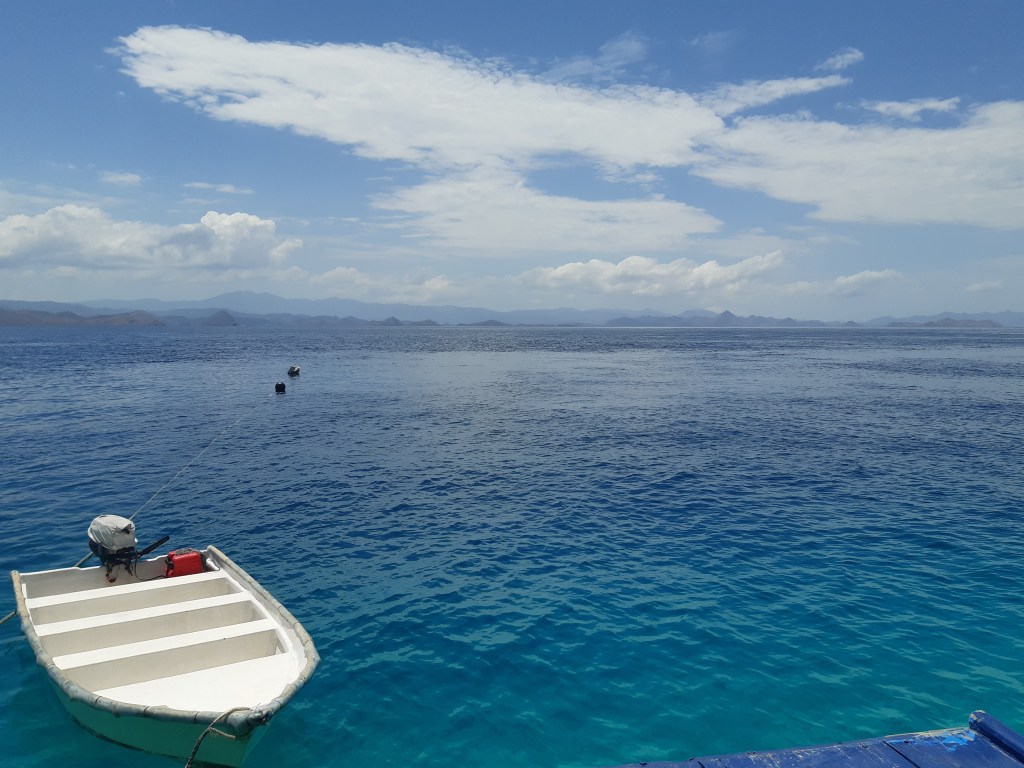
My next adventure was a 3 day 2 night on a liveaboard cruise- 3 days of cruising the national park, snorkelling and swimming! I slept under the stars on the deck, swam with (more) turtles, sharks and manta rays and slept on a private(ish) pirate(ish) island.

So maybe I had the time of my life?

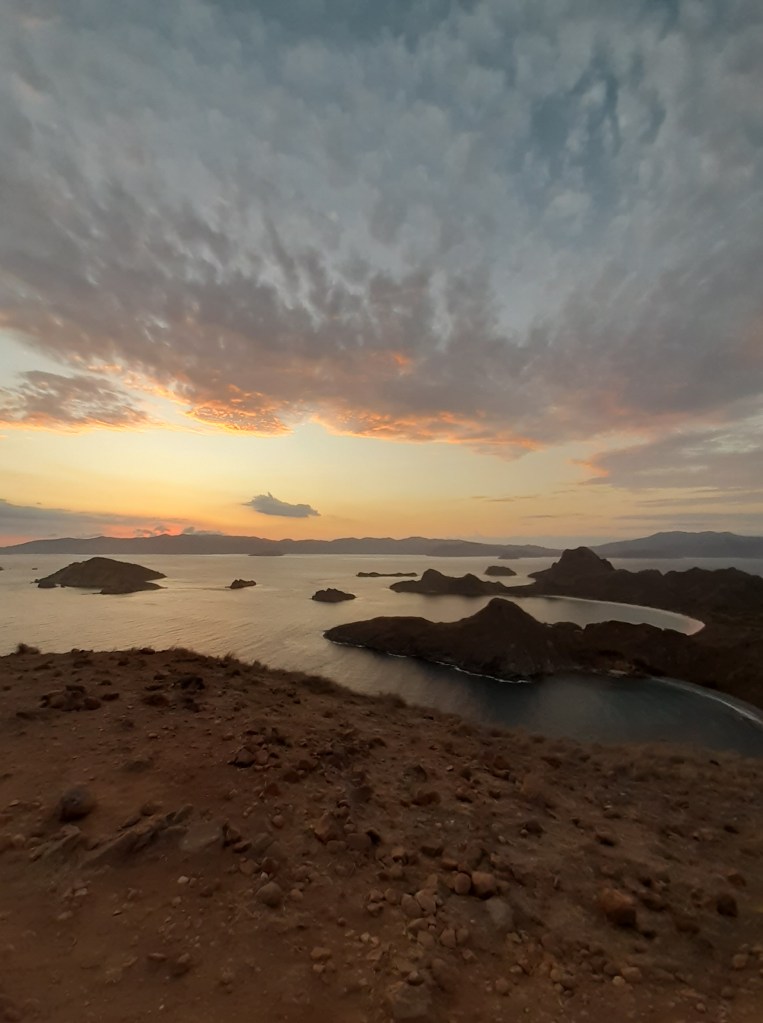
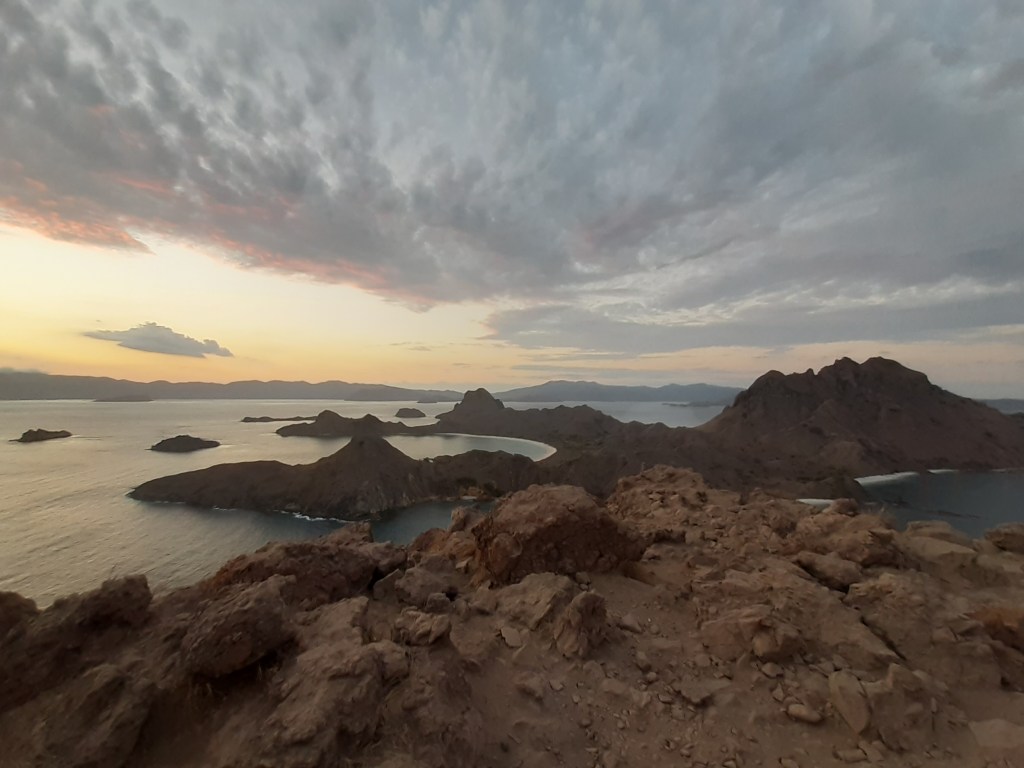
PADAR ISLAND

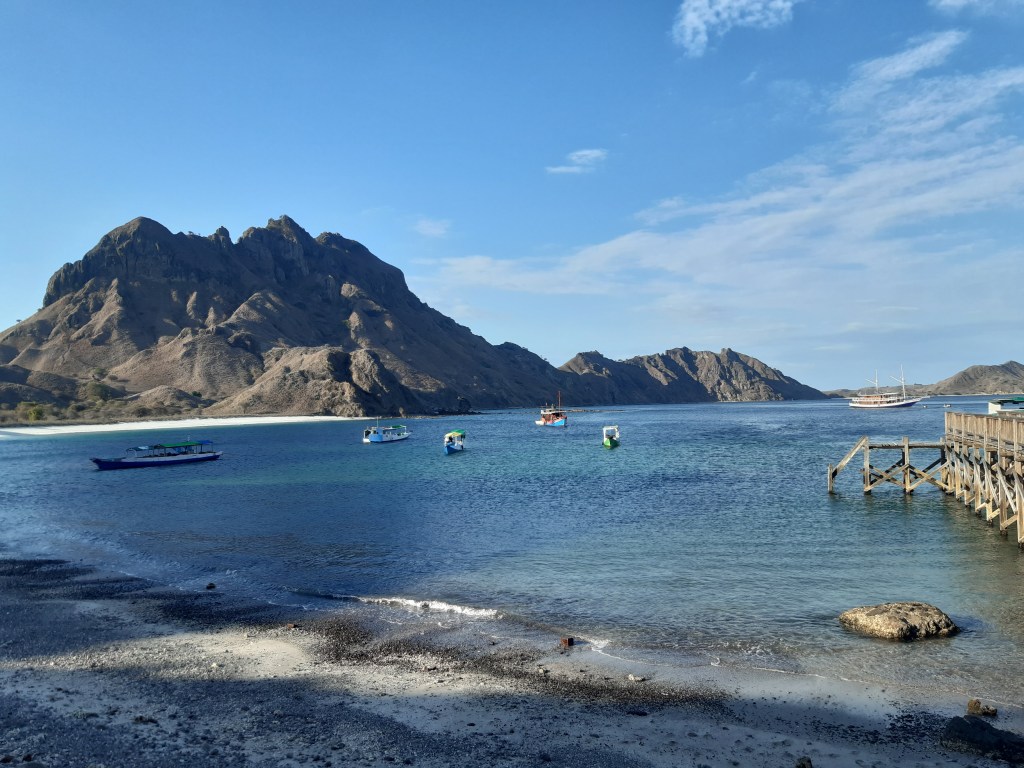
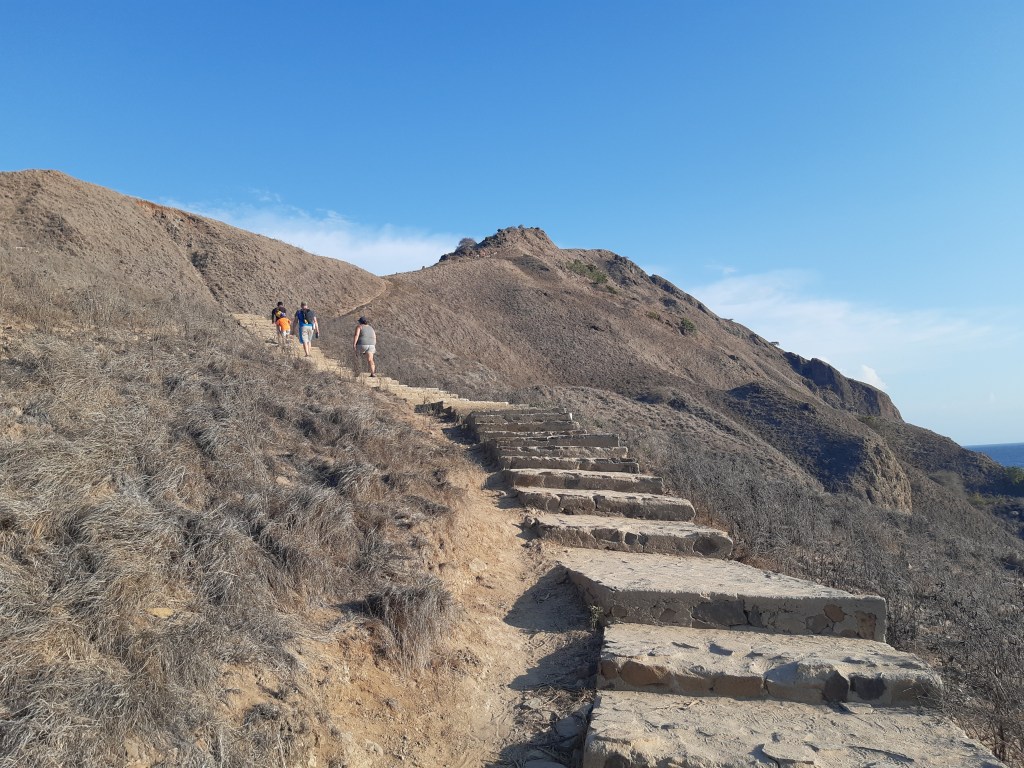
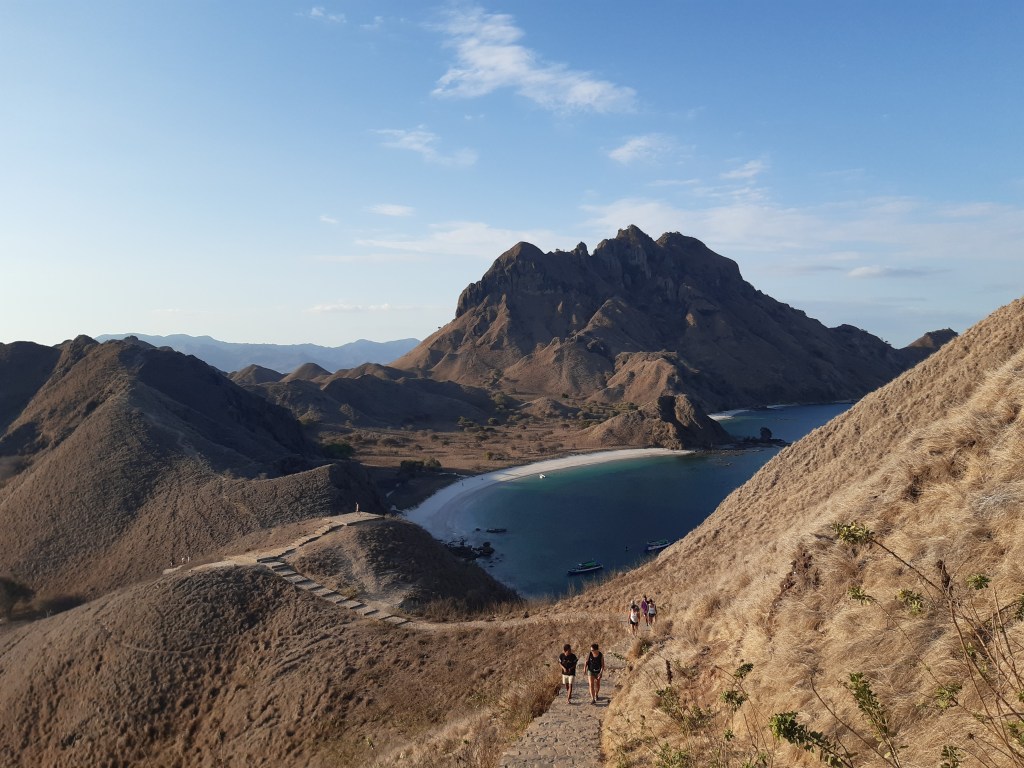
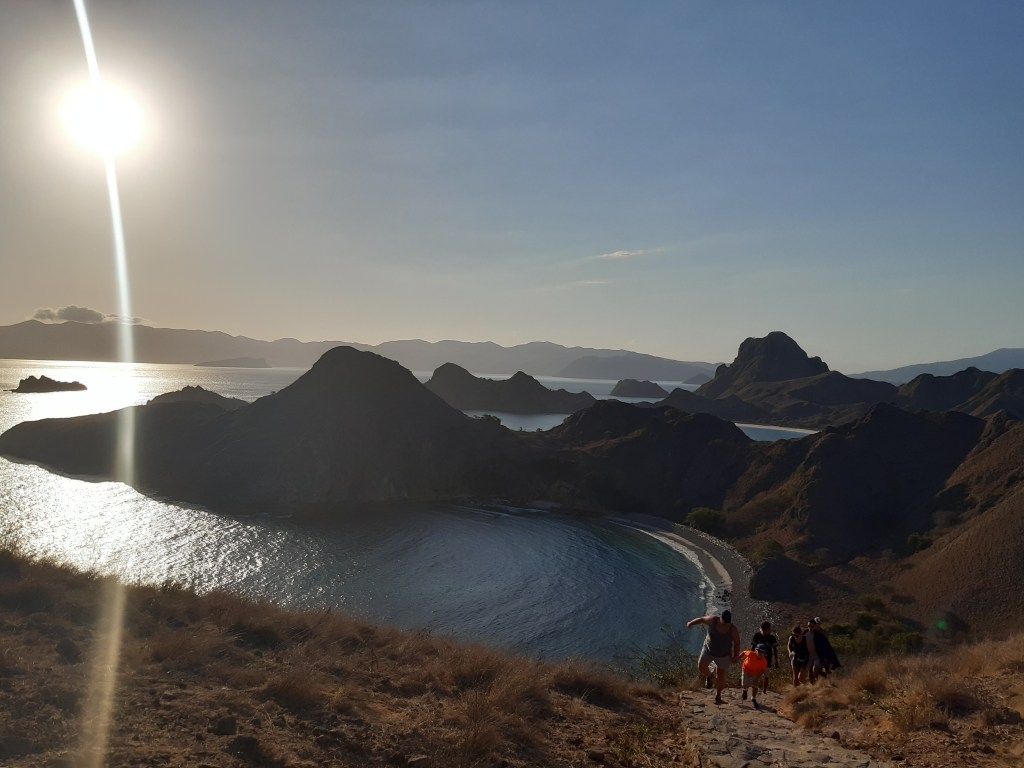
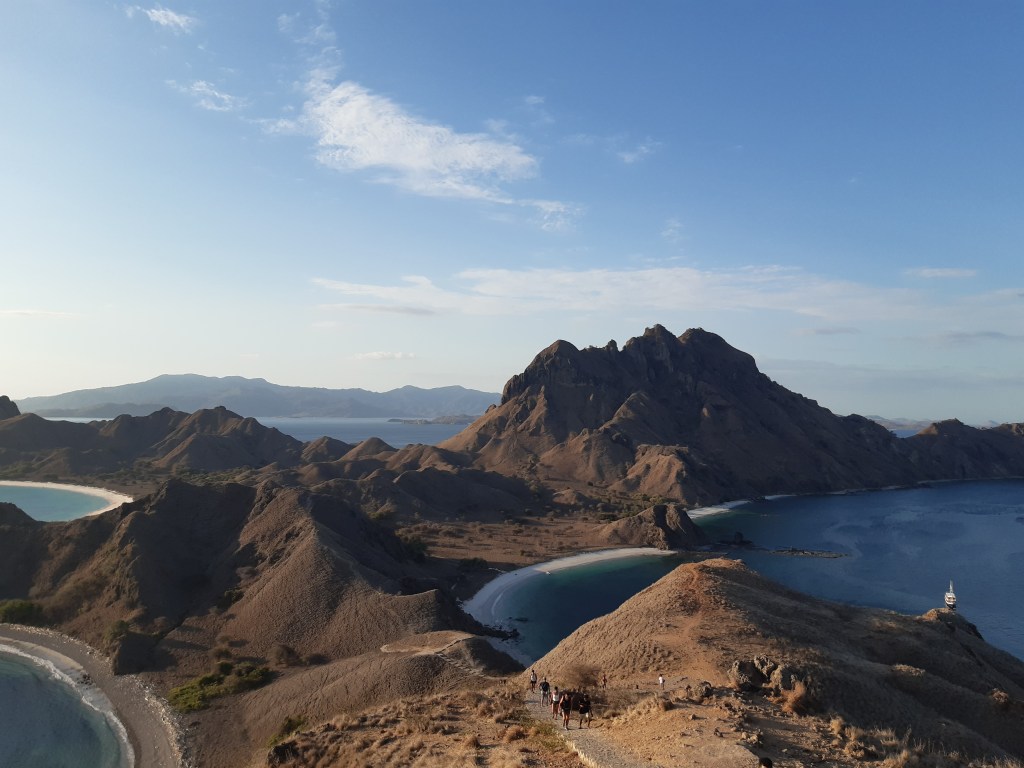
A highlight for picturesque photos. We arrived towards evening and once landing on the island we started climbing higher…

And higher…

Until…

Can you see all three coloured beaches? Black, white and pink?

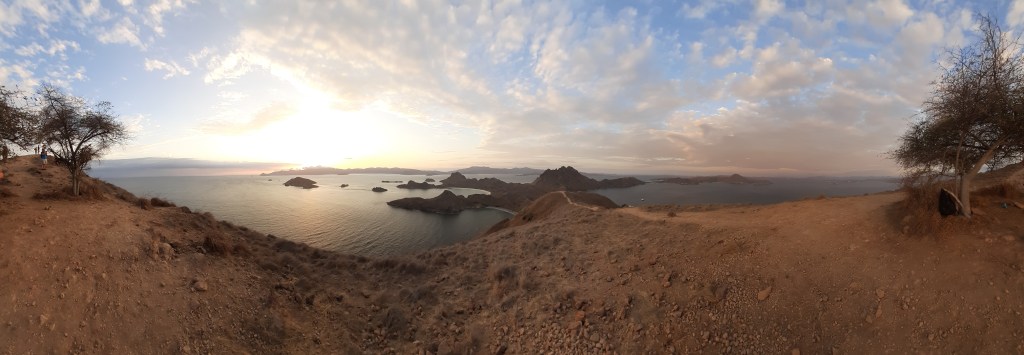
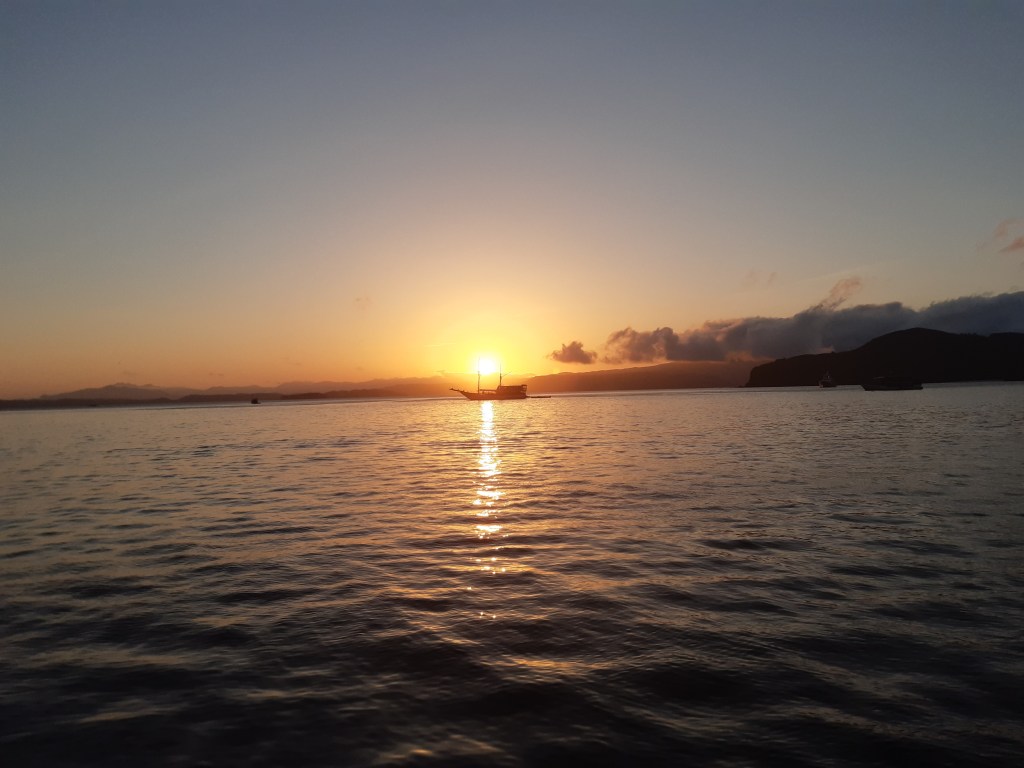
SUNSET

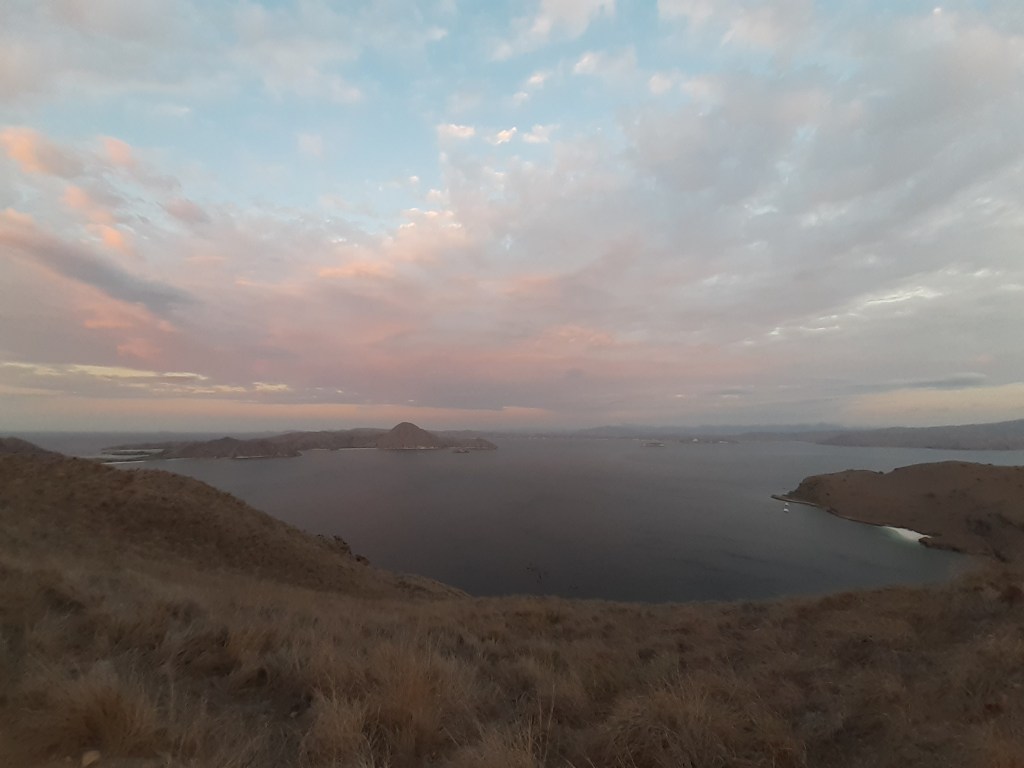
SUNRISE

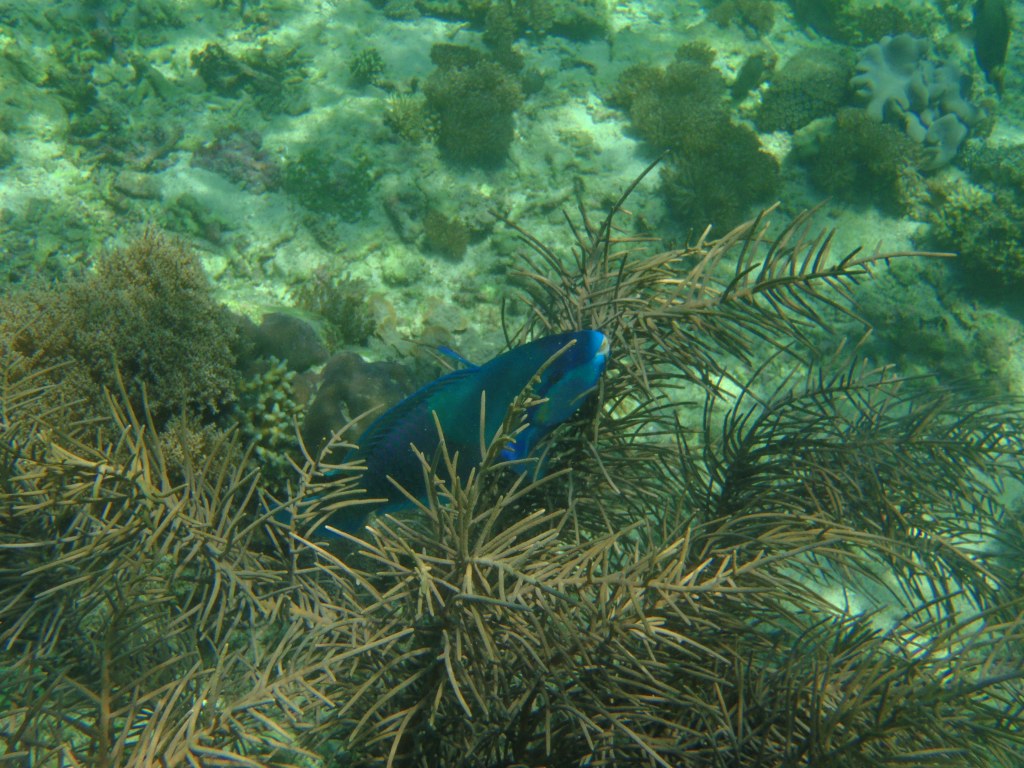
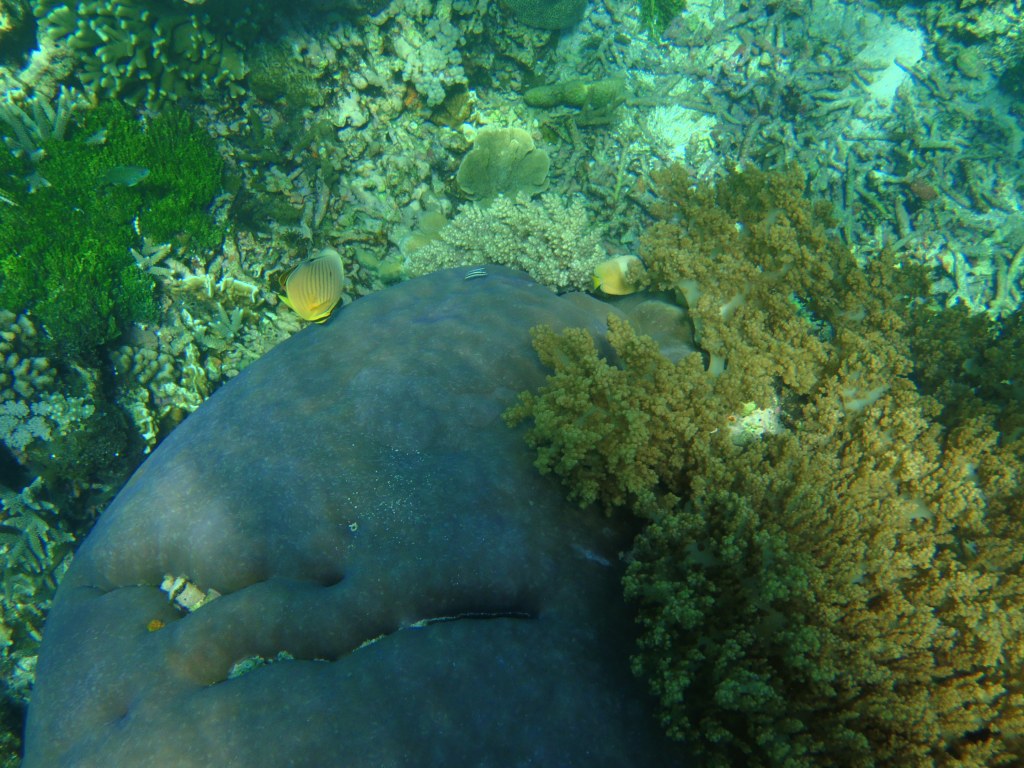
I RECOMMEND A DECENT UNDERWATER CAMERA

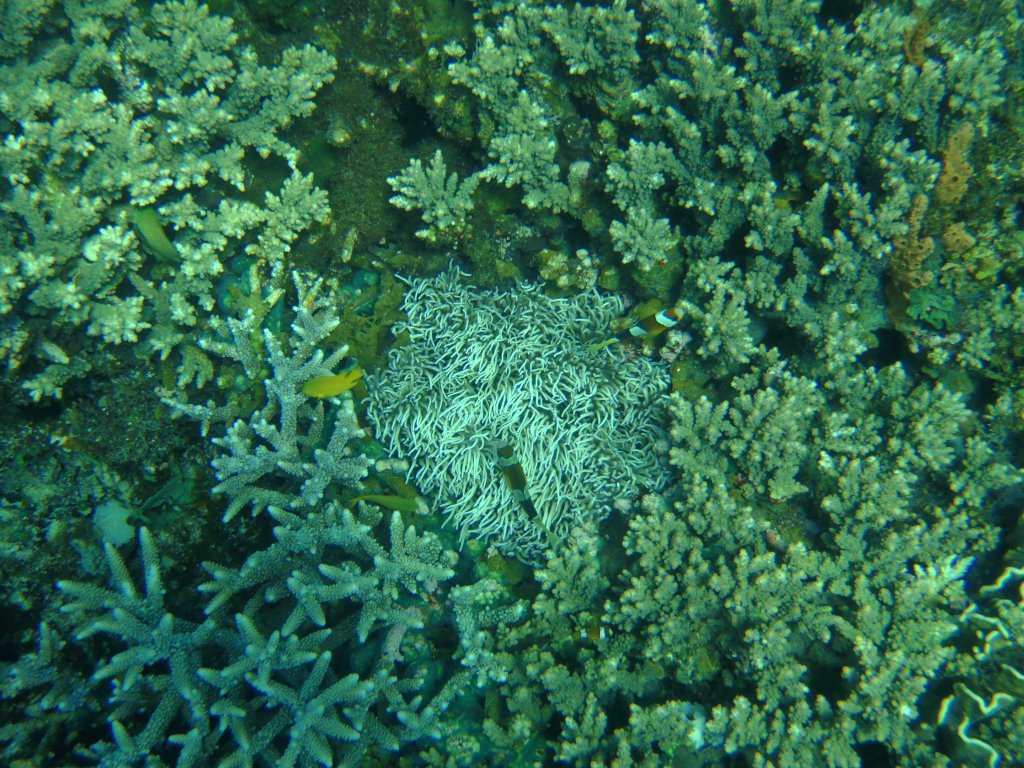
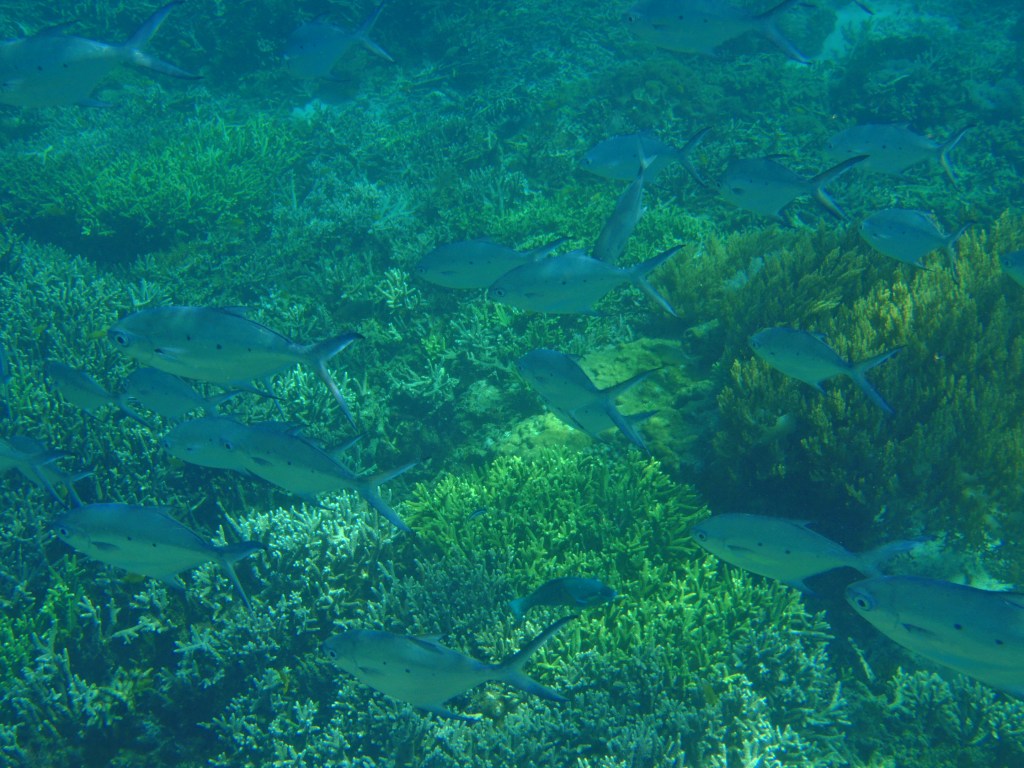
These are from my own small waterproof camera while snorkelling. They didn’t turn out well but there is no way they could fully show just how colourful the reefs of the National Park are. It is one of the best diving and snorkelling areas in the world, and only when seeing it for yourself can you see why!

KOMODO ISLAND

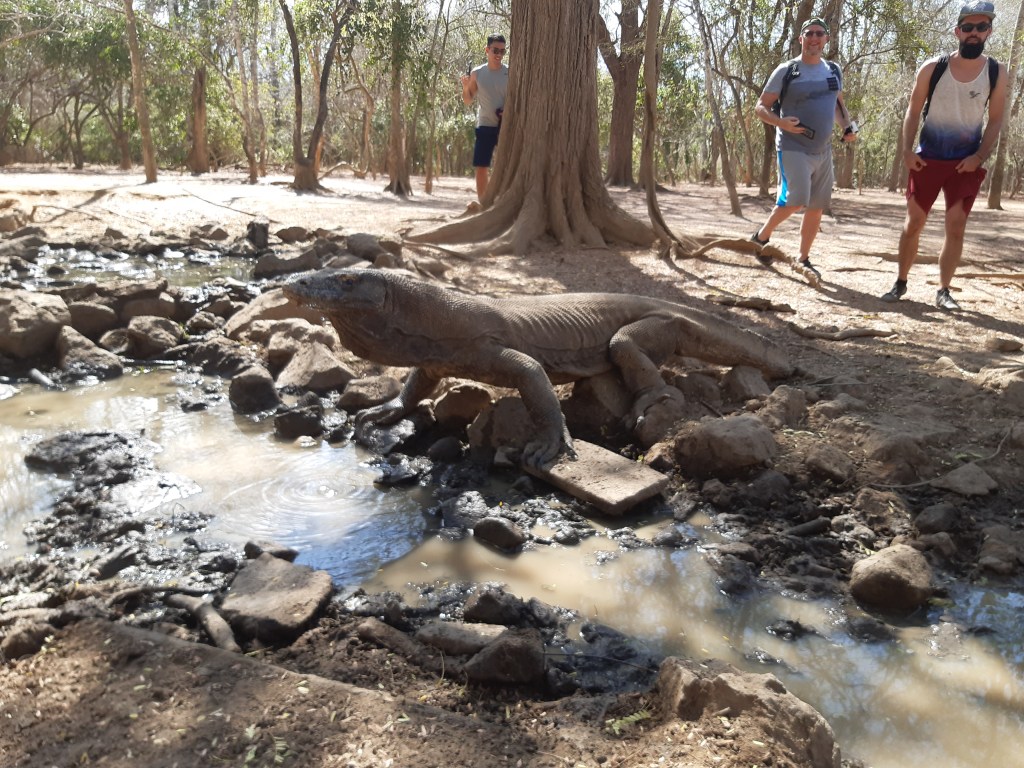
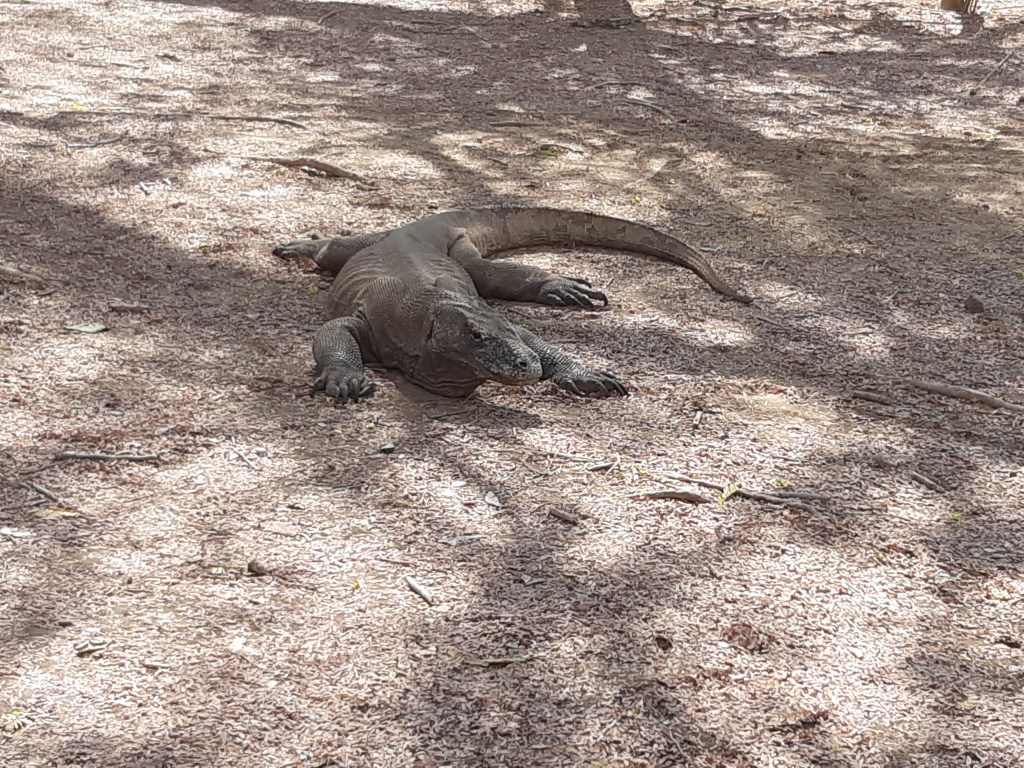
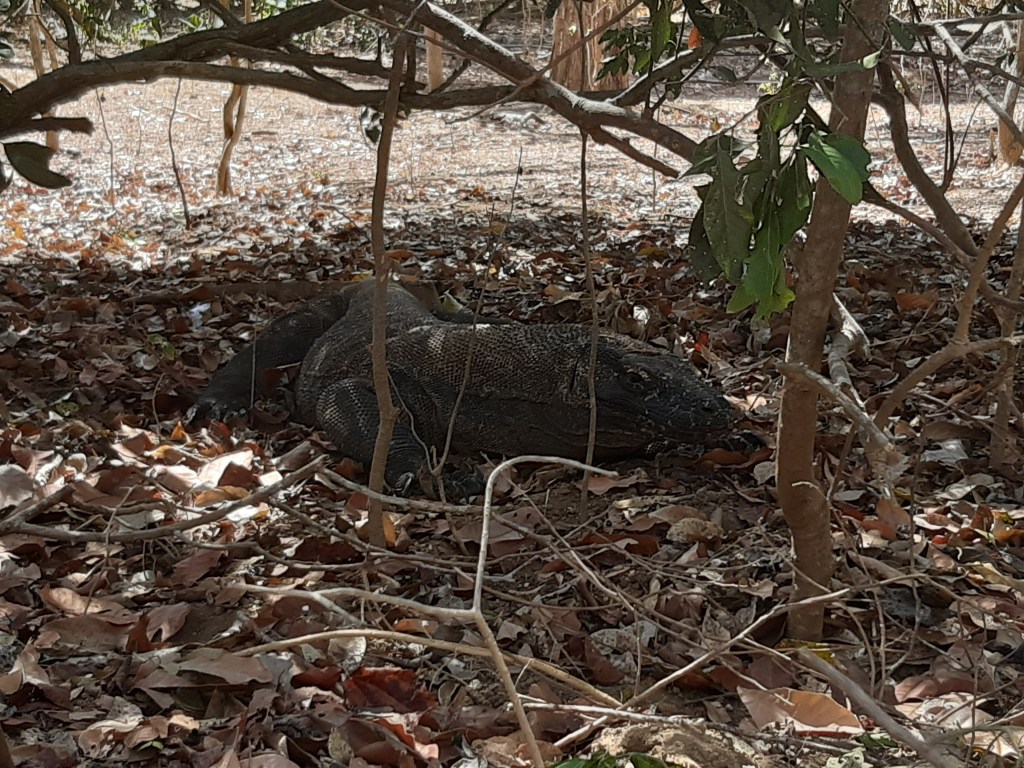
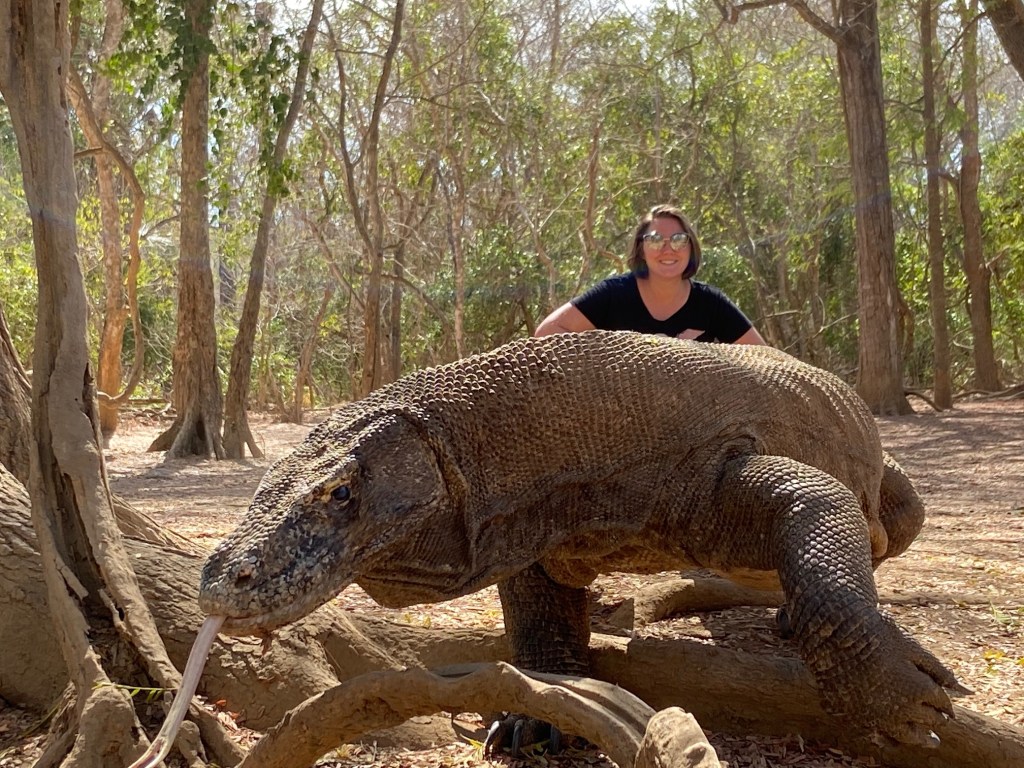
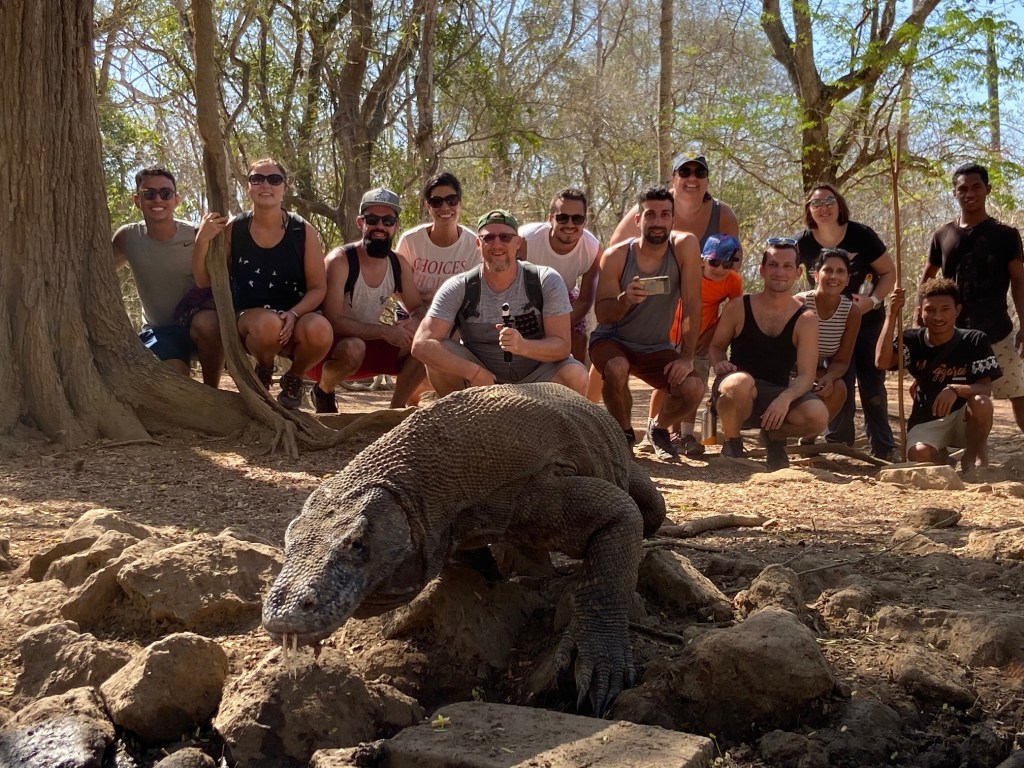
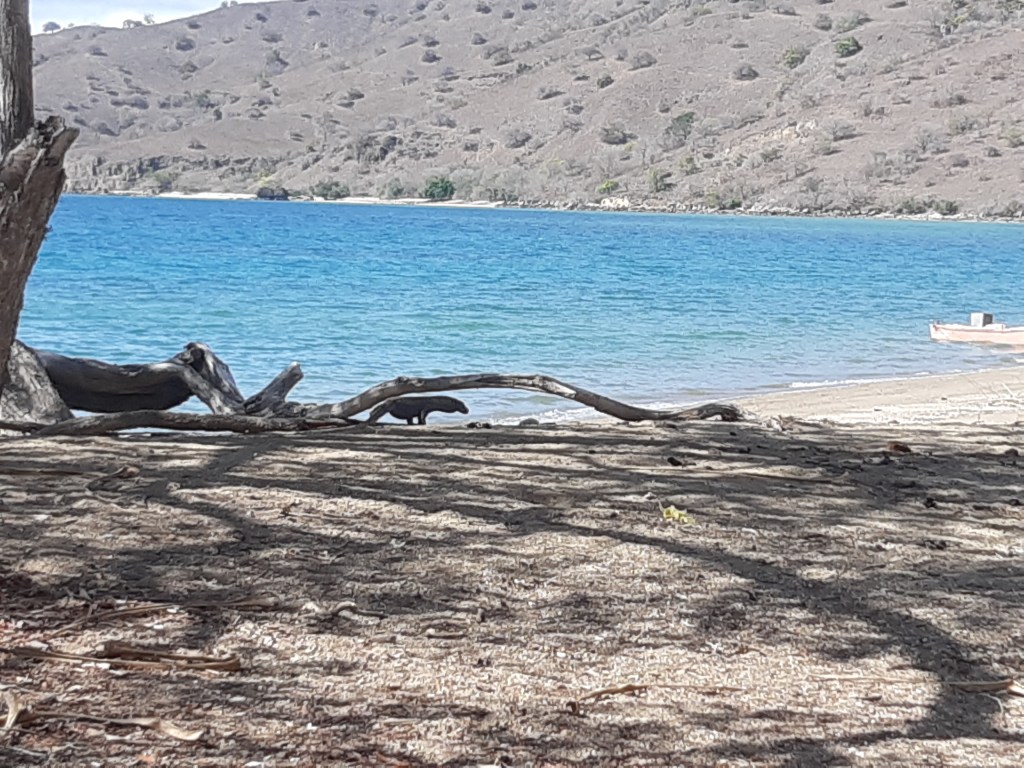
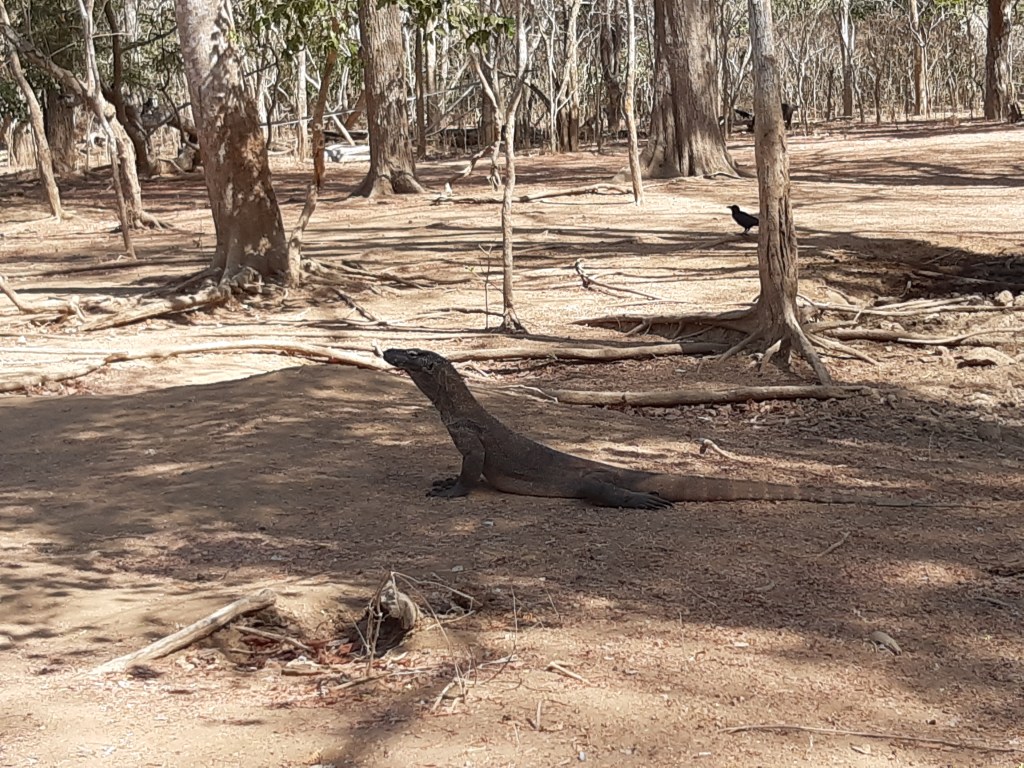
After waking up in the shadow of Padar Island, we cruised over to Komodo Island, where there be dragons. They may not breathe fire or have wings, and we may not be beyond the edge of the map but it was awesome to see these creature up close and in person.

We went in the morning- the best time to see them and barely 10 minutes on the island we saw a tiny (what many would still consider a large lizard…) baby dragon enjoying a stroll on the beach and another near the entry office.

It simply isn’t an adventure worth telling if there aren’t any dragons.

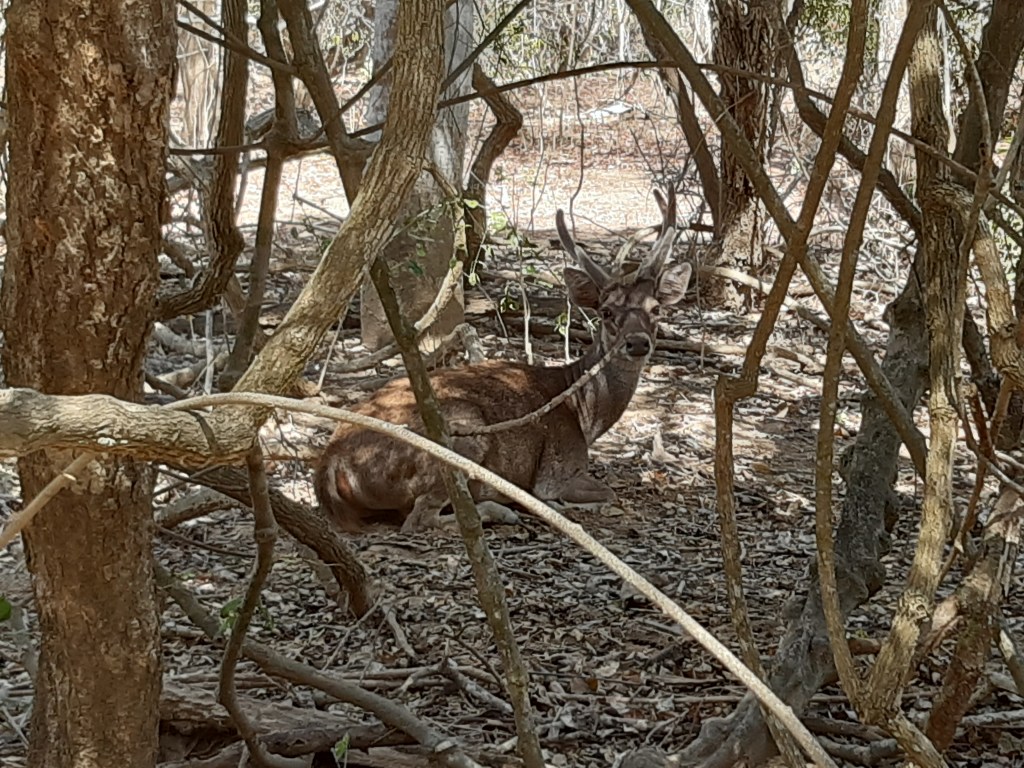
Assorted photos of prey.

BUT ROADS GO EVER ON

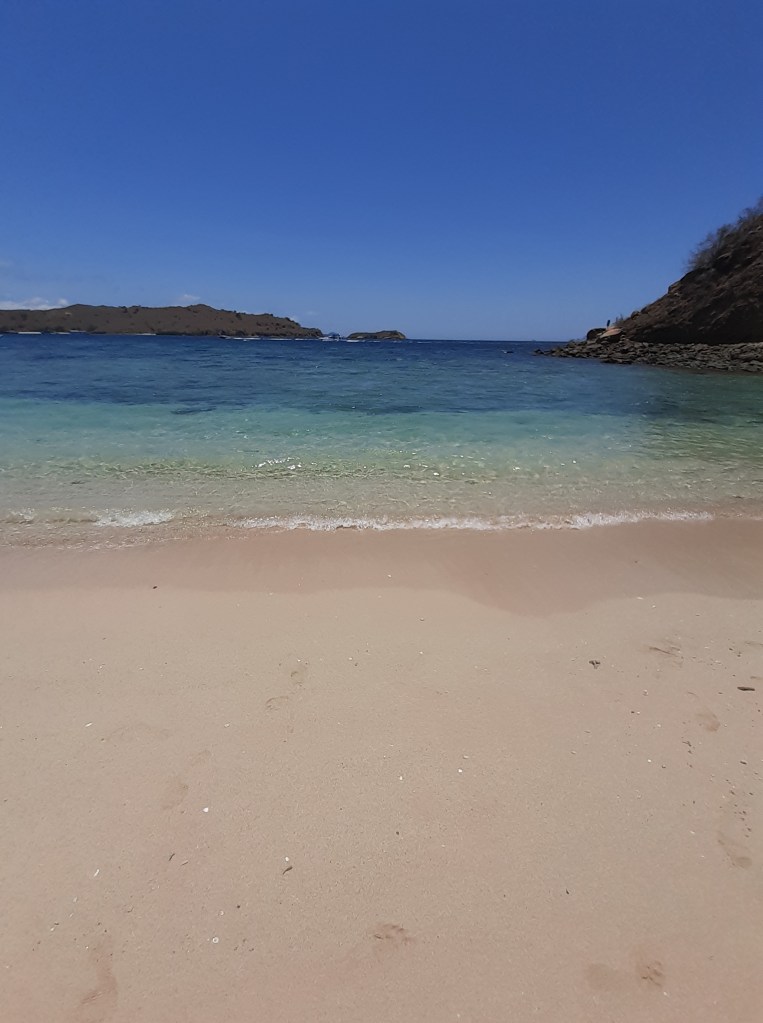
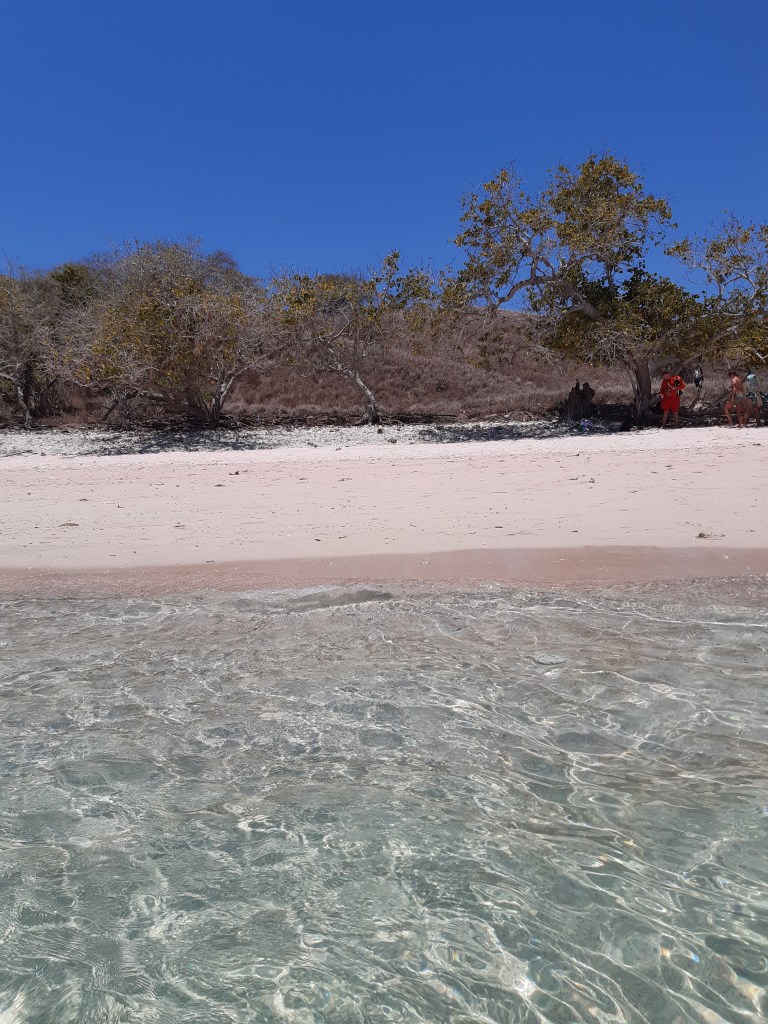
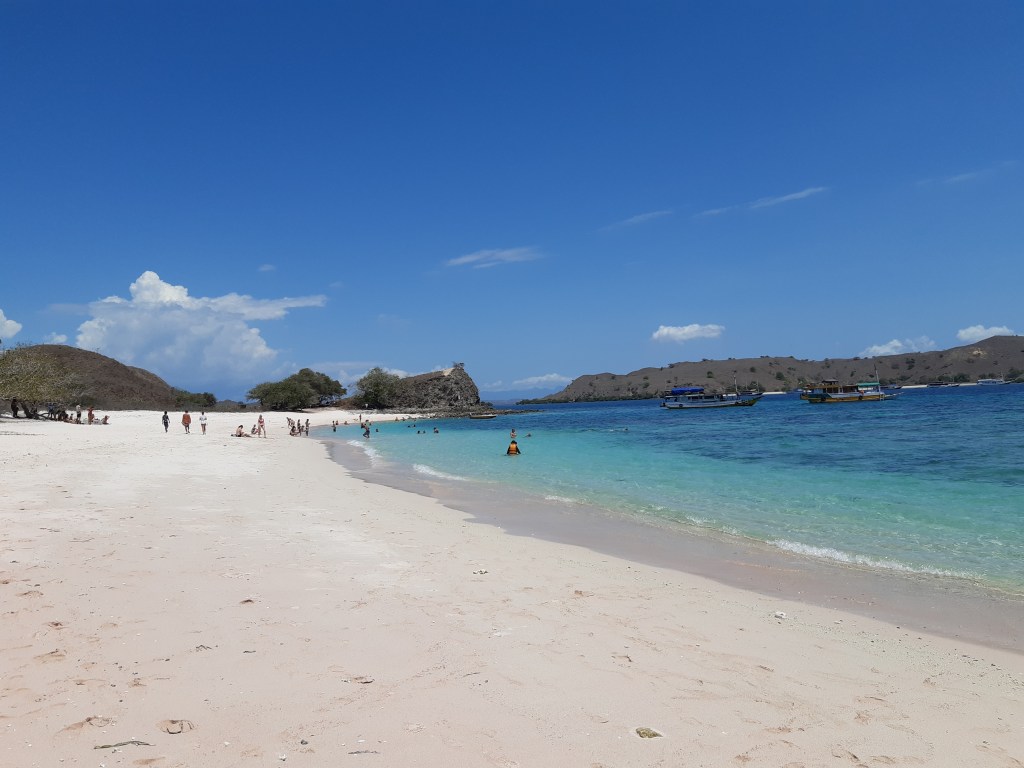
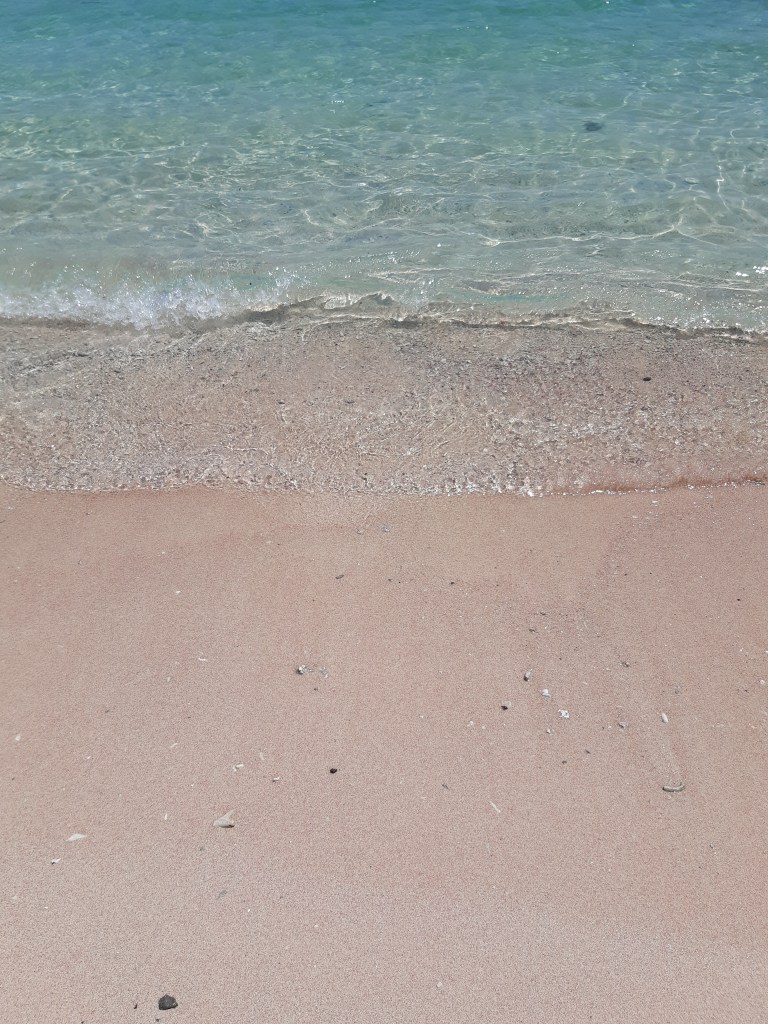
In this case it was a boat and it took us around the corner to Pink Beach, so named because crushed up coral give the sand a pink hue.

PENYU

Turtle!

TAKA MAKASSAR

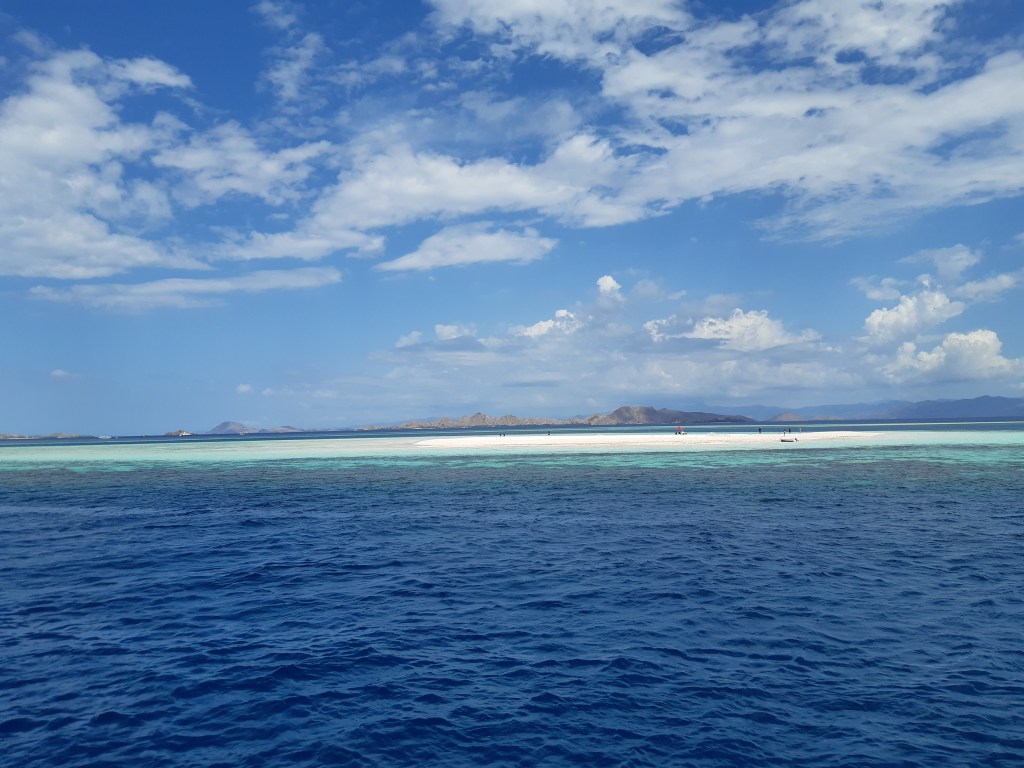
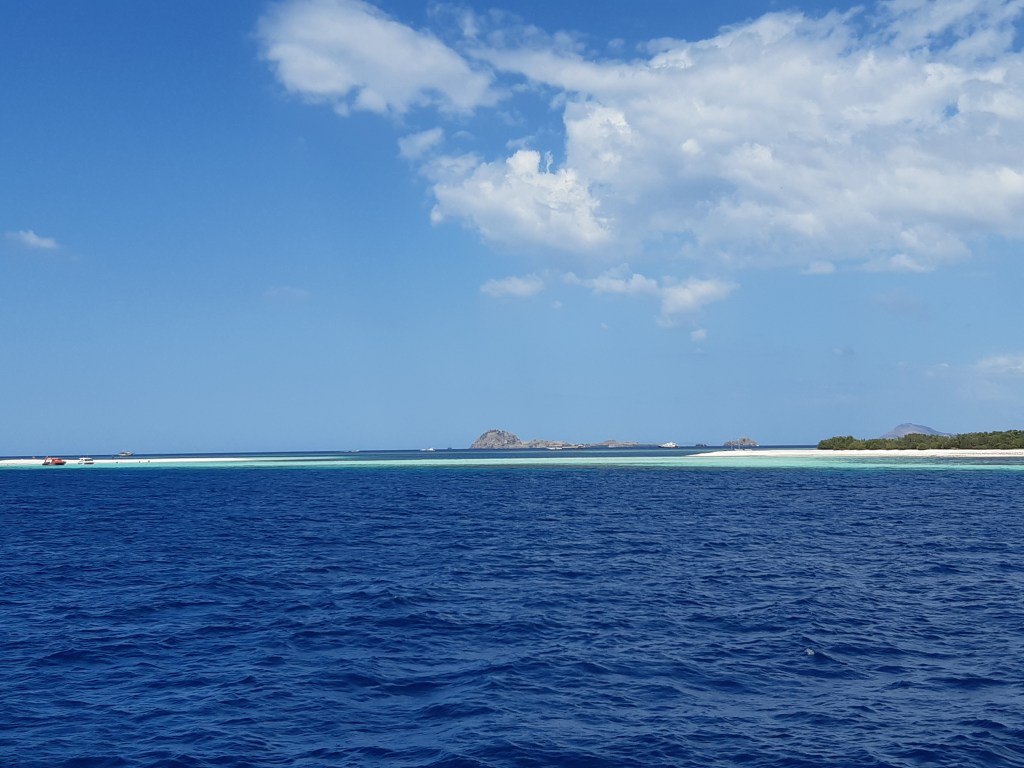
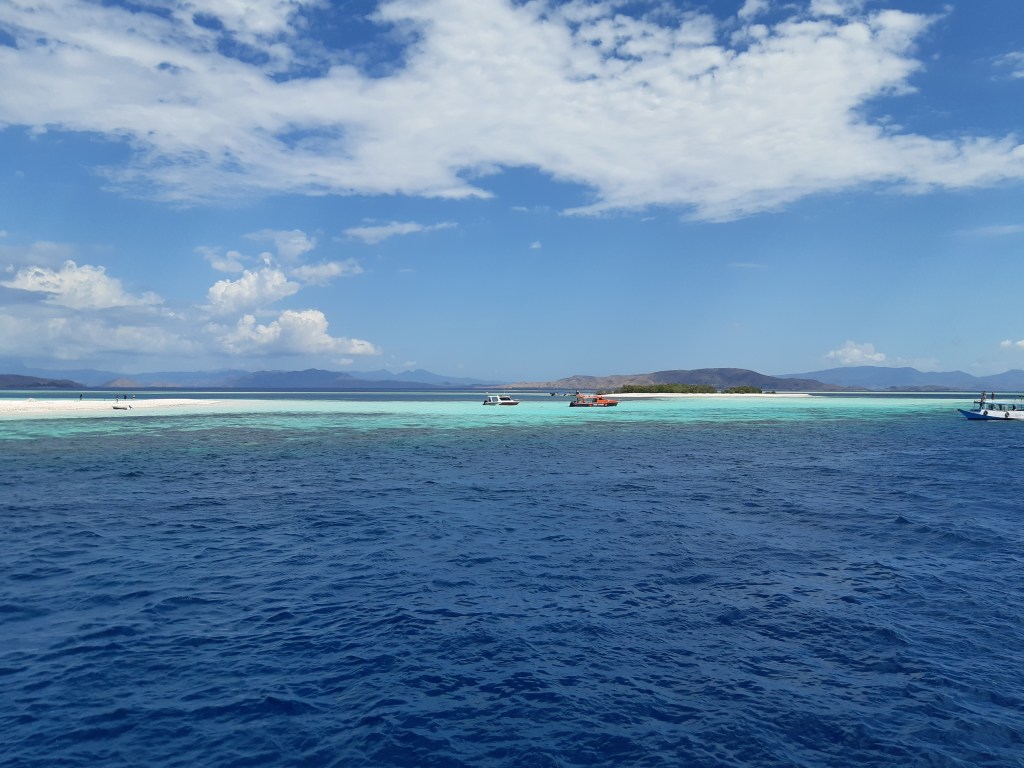
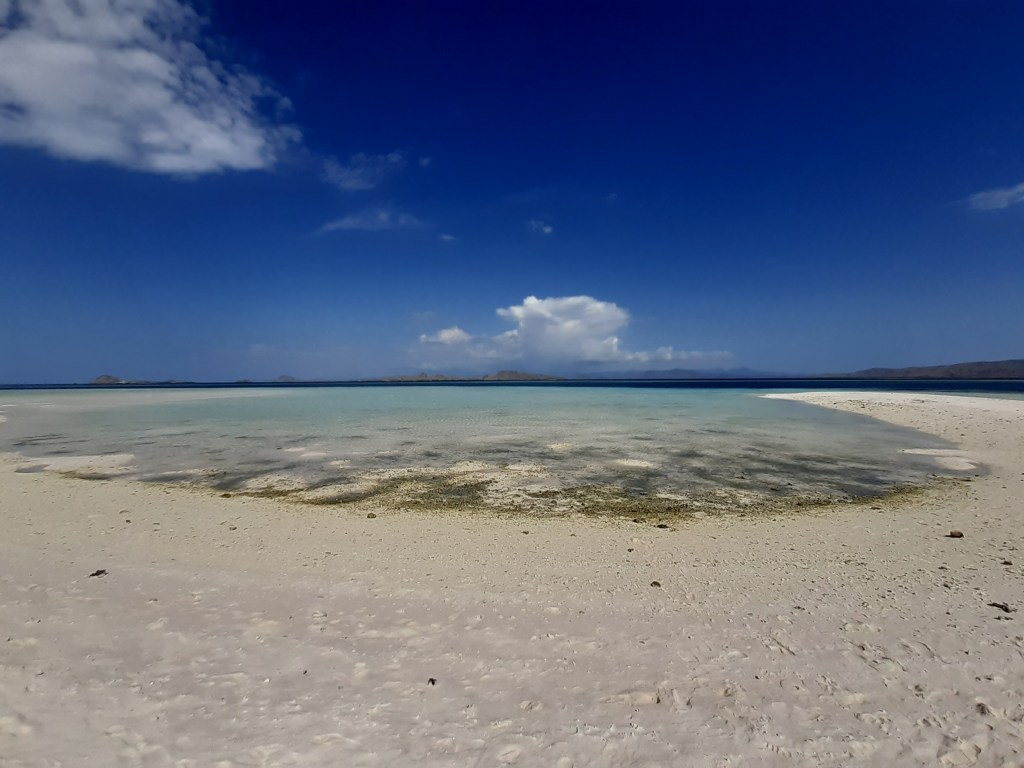
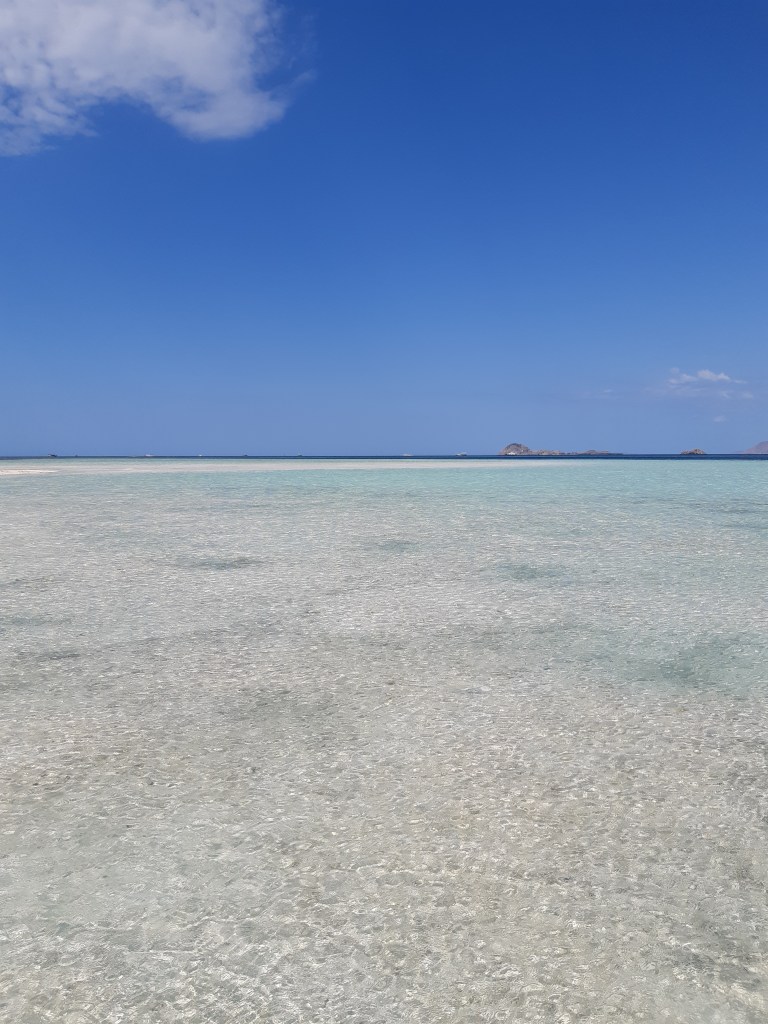
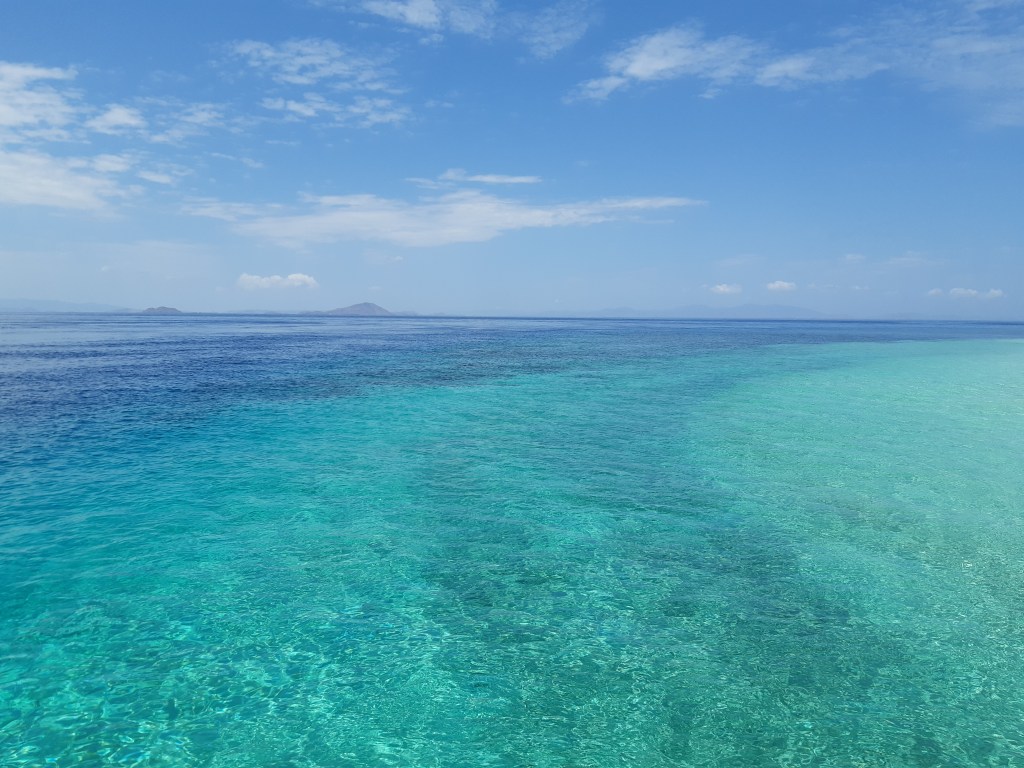
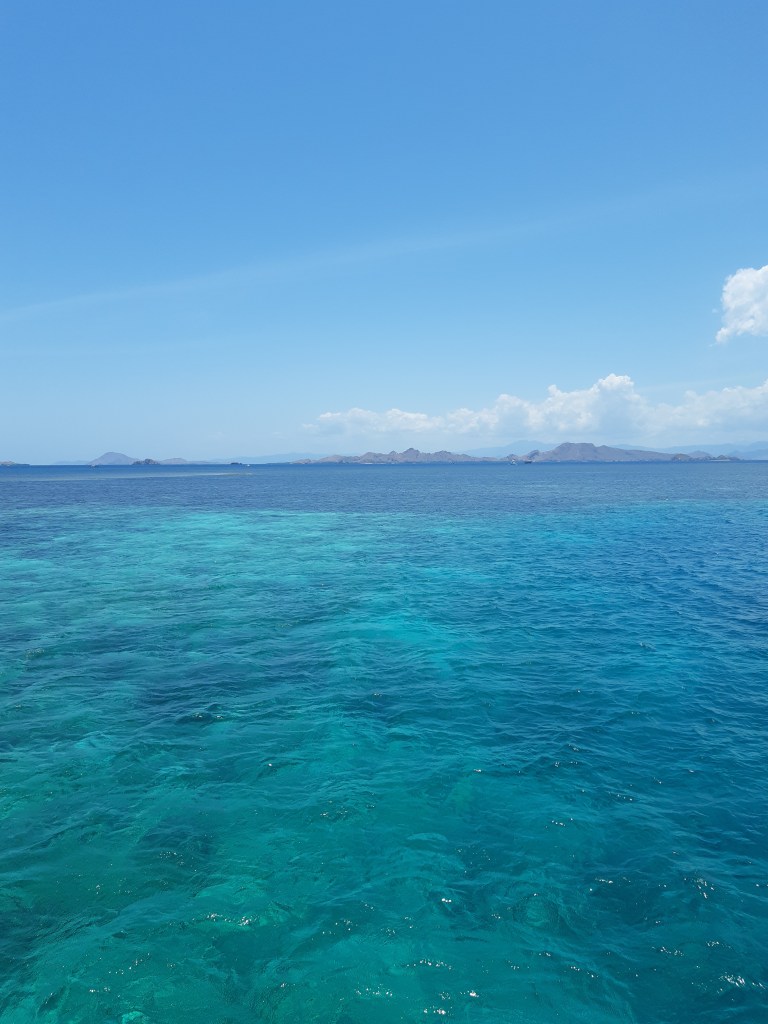
Mini Maldives- a sandbar where we could swim. Tropical ocean water and only blue skies in sight…it is a place where only you and the colour blue exist.

PULAU SEBAYUR BESAR

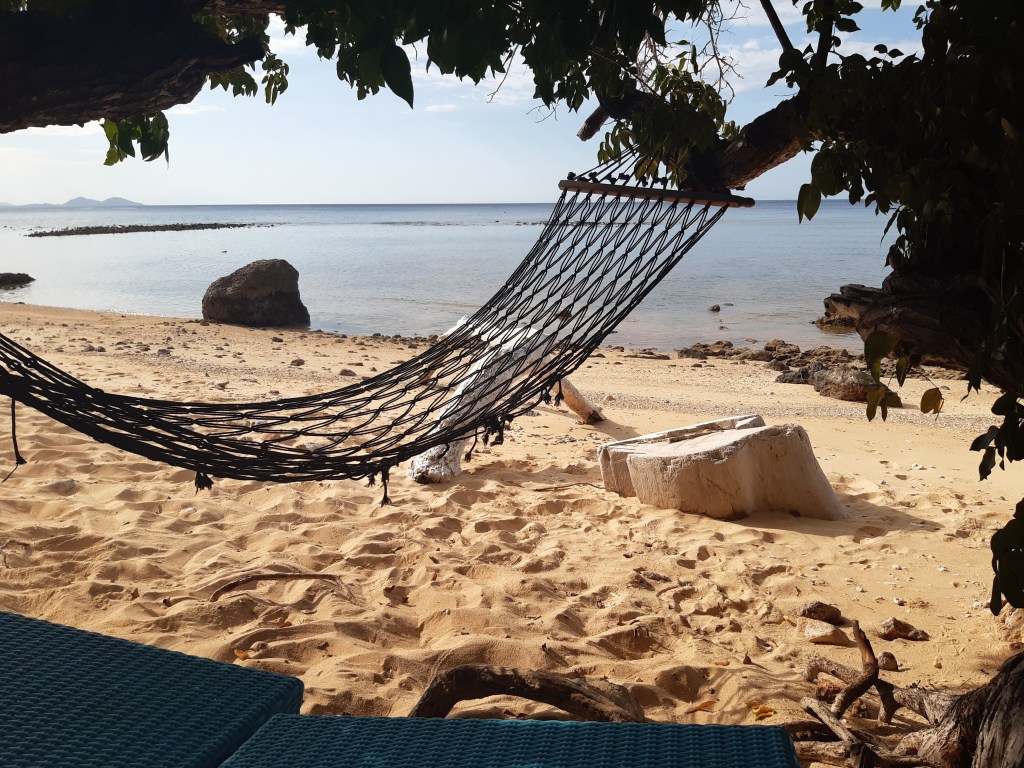
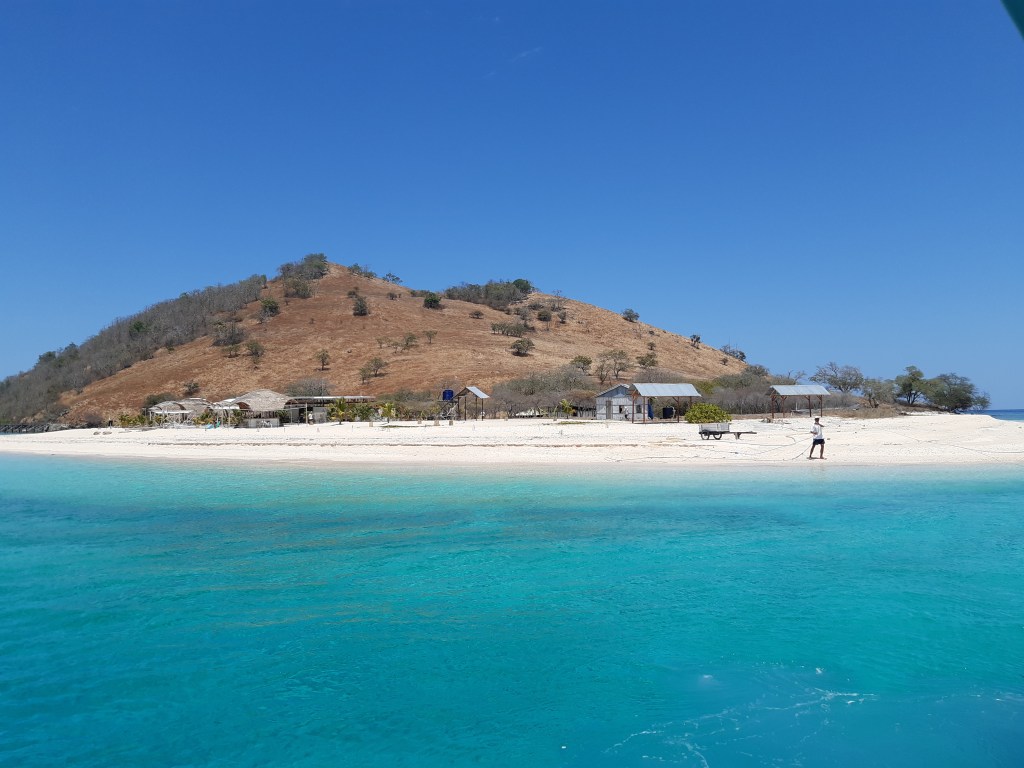
I stayed here two nights- one with the tour and one alone. Having yourself completely secluded without internet brings so much peace, even after the experience has ended.

MANTA RAYS

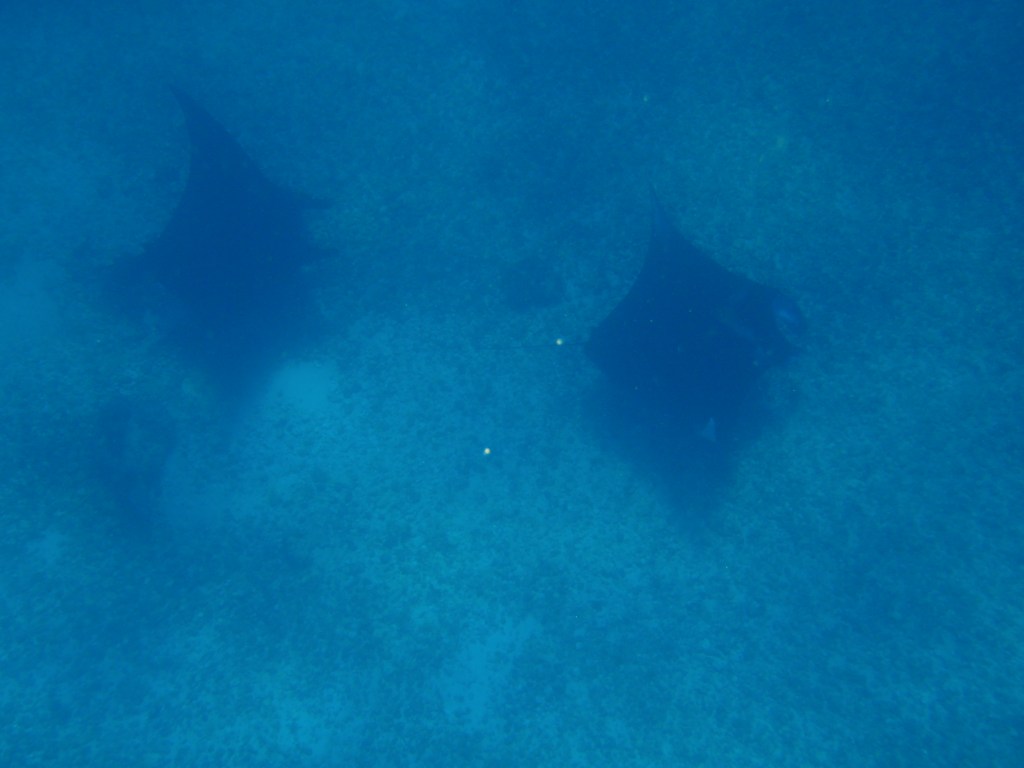
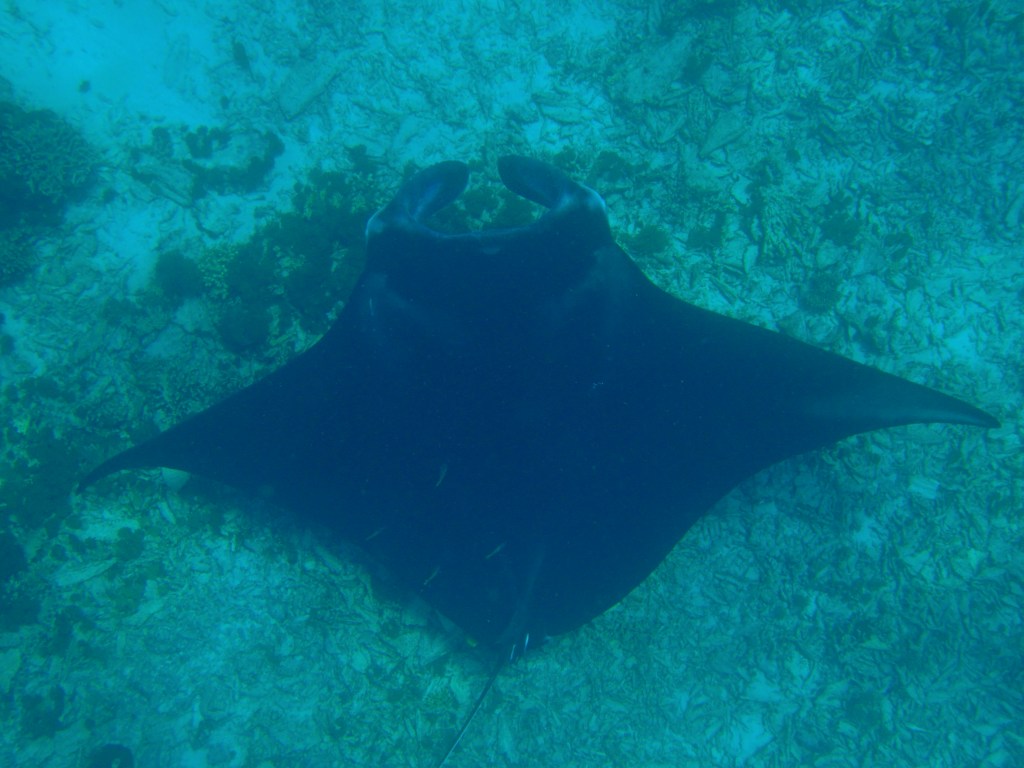
Some shots of the manta rays we saw while snorkelling! Graceful giants, these pictures do no justice. The final day was the manta cleaning station, where we saw 5 at once! While these are much smaller than their oceanic counterparts, I was still impressed.

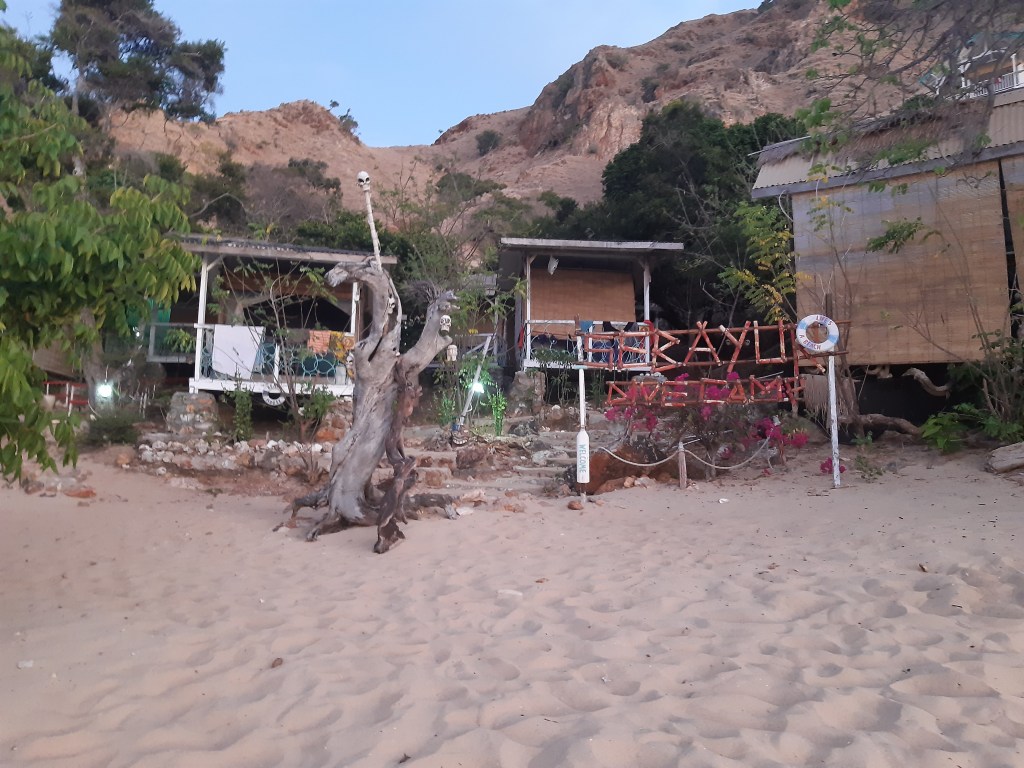
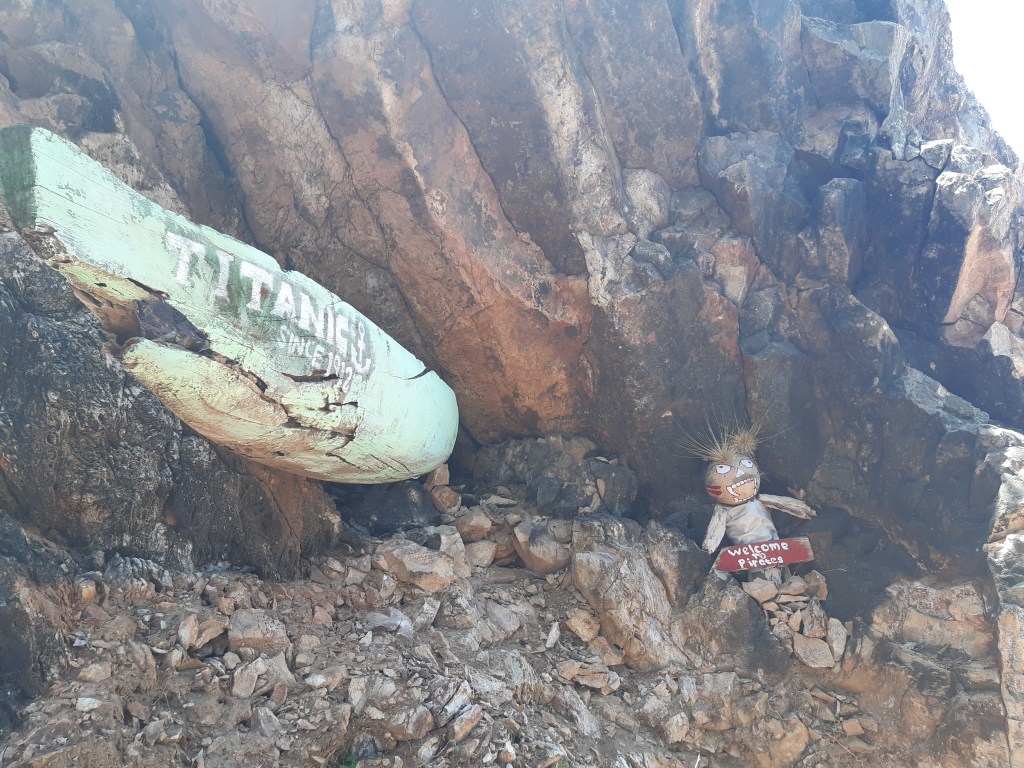
SUNSET OVER PIRATE CAMP…

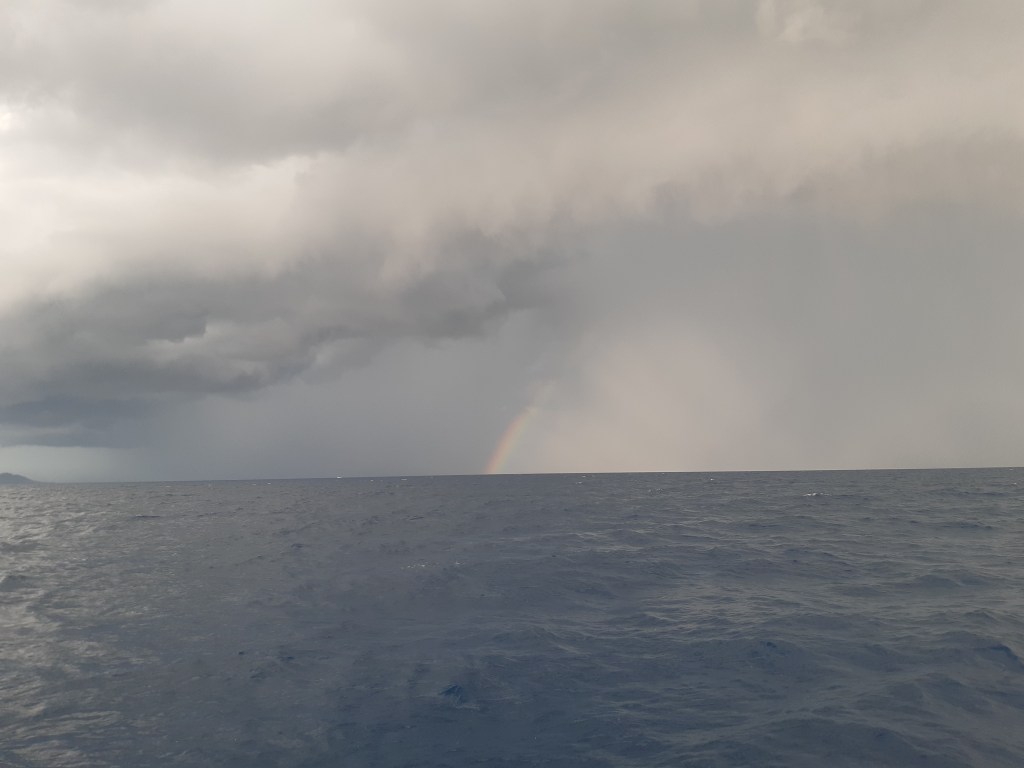
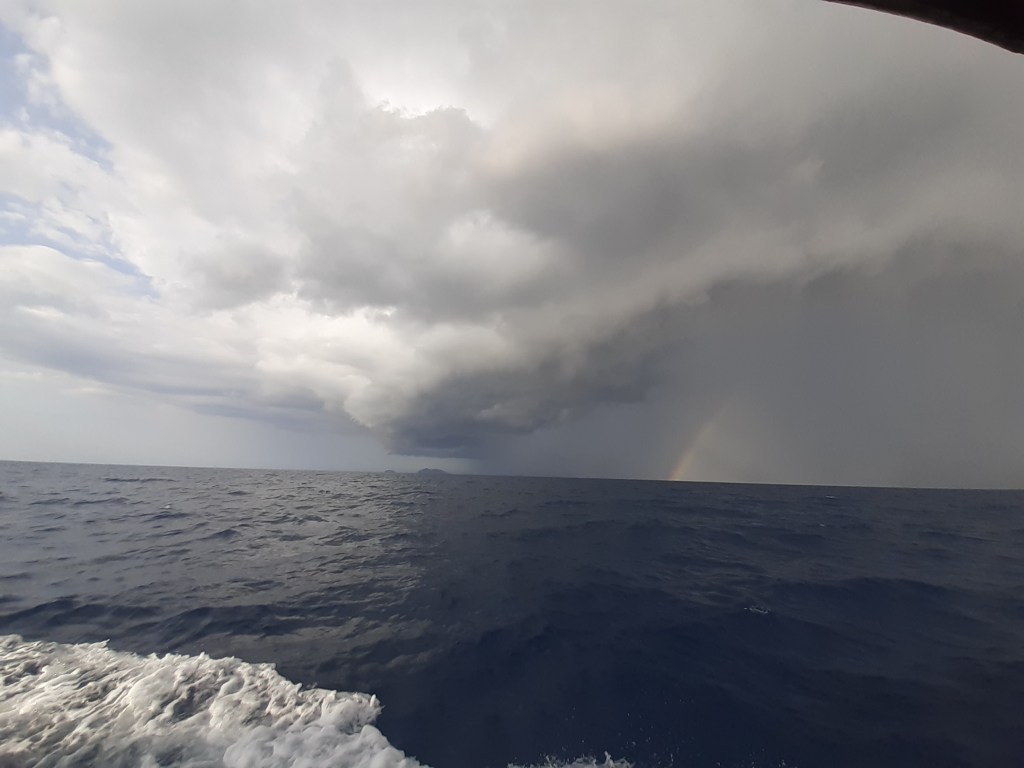
STORMY SEAS AHEAD

The way back to Labuan Bajo after 4 glorious days…

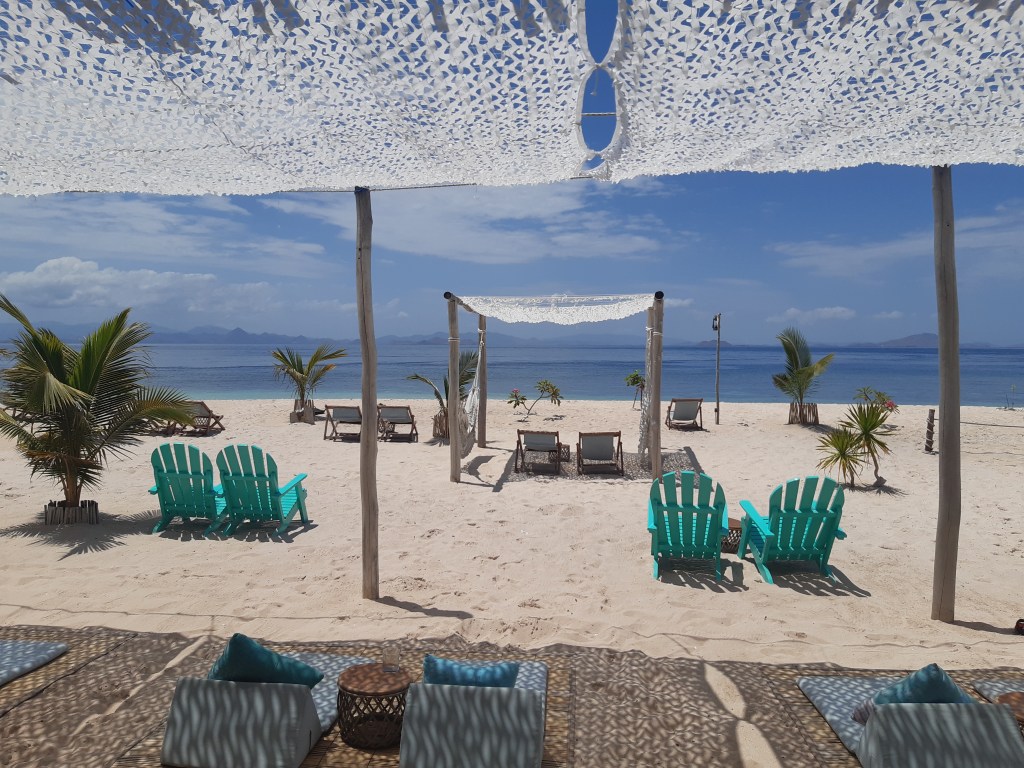
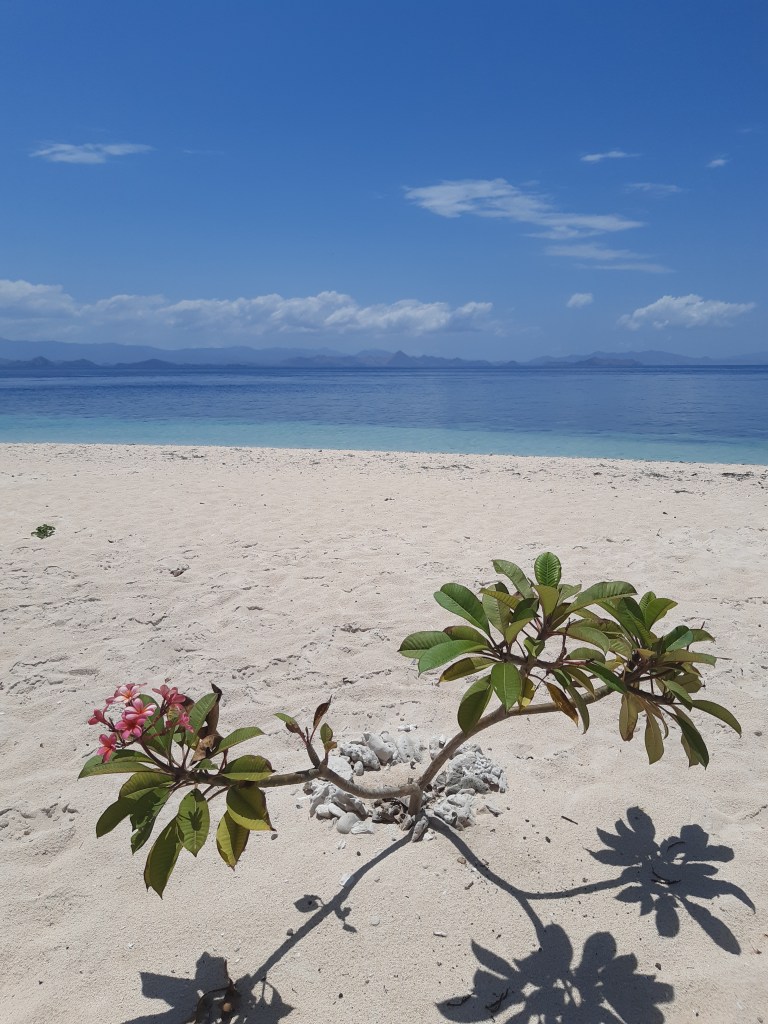
PRIVATE PARADISE ISLAND 2

I had to take every opportunity I could take to relax on an amazing beach…for my own sake.

The final day before heading back to Jakarta and reality was another day spent lounging in the sun, enjoying rum cocktails, snorkelling, and just generally living out every instagram fantasy ever.

#ME

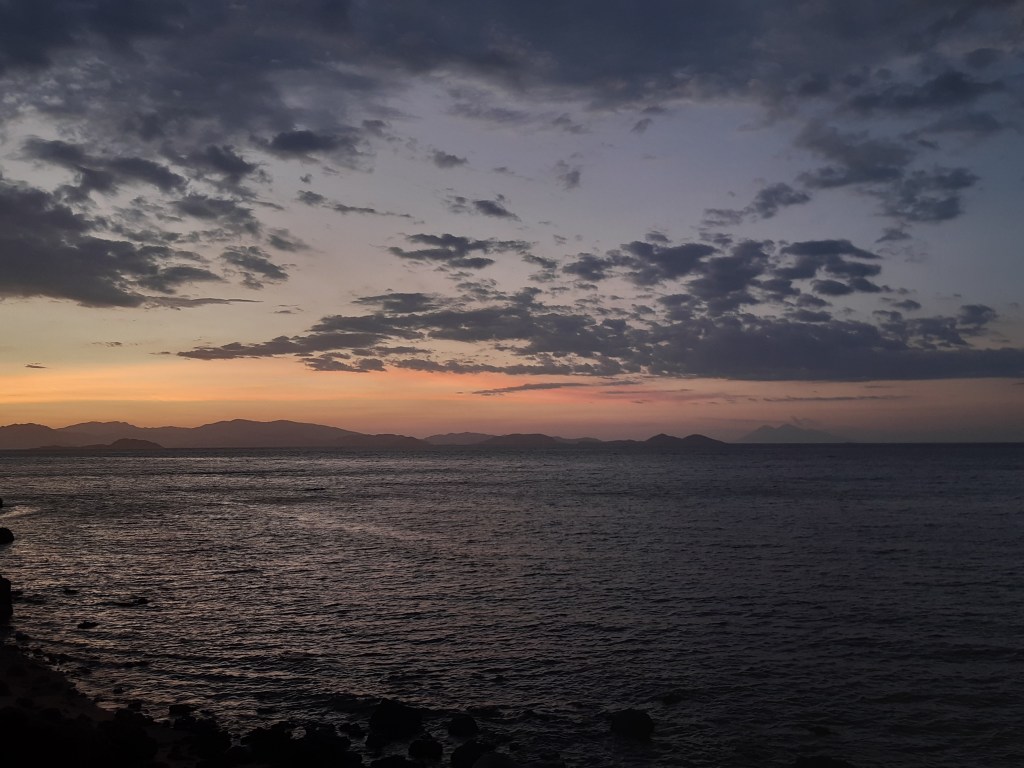
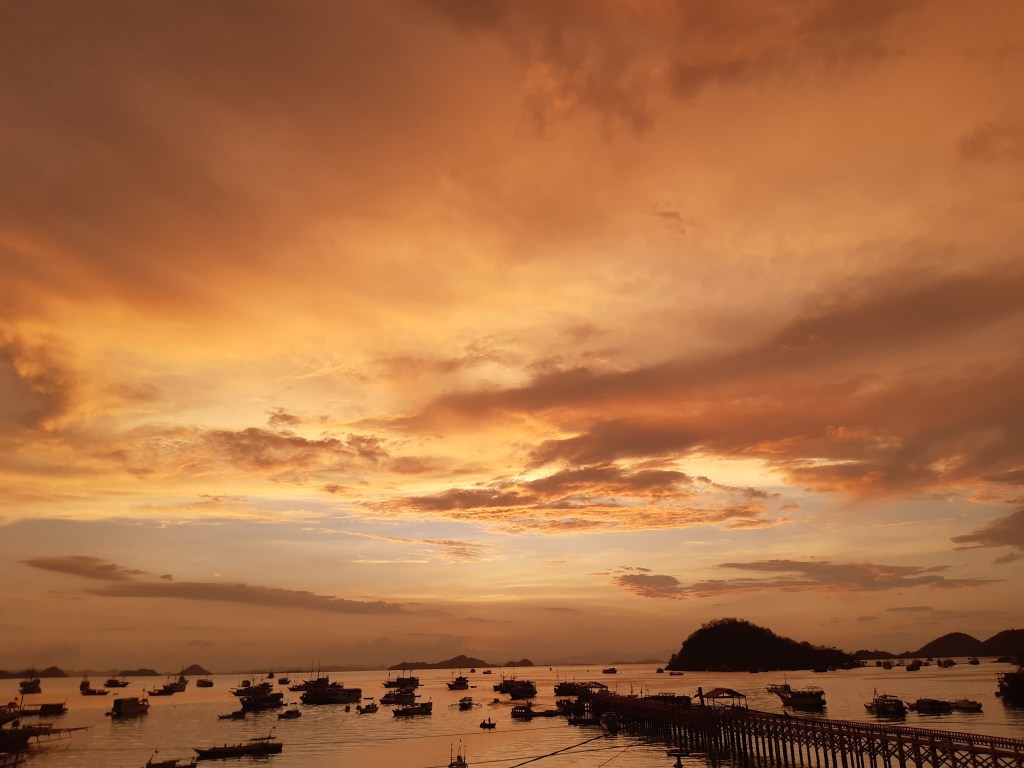
FINAL (AND FAVOURITE) SUNSET

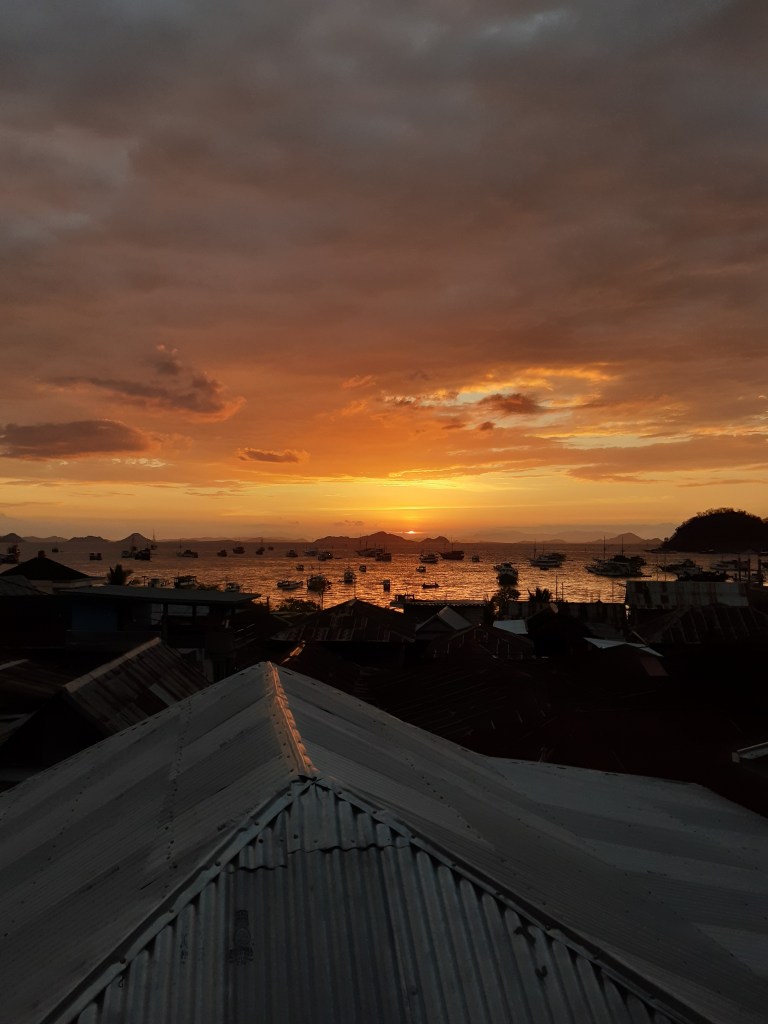
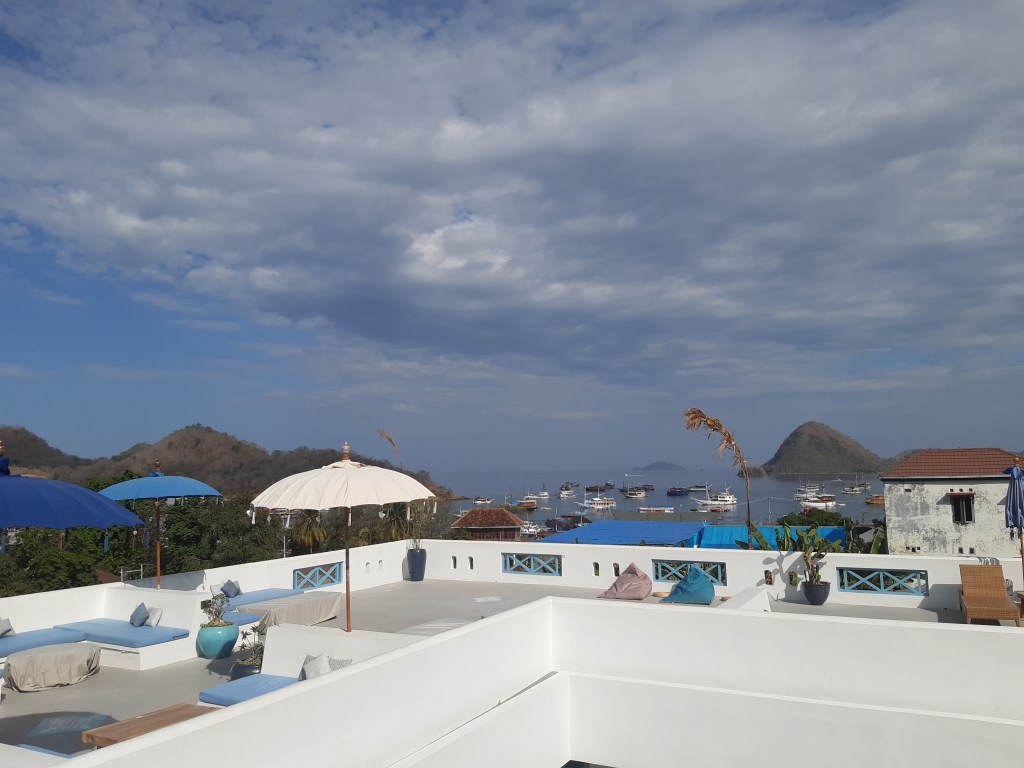
Time to say goodbye to Labuan Bajo and Komodo National Park! This was the view from the hostel I stayed in on the final night (when I also visited the single club in the city- Paradise. Where there are backpackers there be Bintang).

This was the most relaxing and enjoyable week of my life. I had been having trouble with the stress of living abroad and feeling overwhelmed. Being here forced me to relax and breathe (an action assisted by the fact I could actually breathe the air without it polluting my lungs).

This is an underrated paradise which threatens to turn towards overstretched if not managed correctly. Being here puts new heart into striving to make sure that we have such natural beauty now and in the future. Knowing that it exists is enough for now, but knowing that I may be able to visit again one day would mean the world.

Featured

Hello!

“The real voyage of discovery consists not in seeking new landscapes, but in having new eyes.”

Marcel Proust

I’m writing this blog post to document my travels- to share photos (memories, and lessons) from trips around Australia and further afield.

I’ve been so incredibly lucky to see so much of the world…to see scenes of worlds so far away, yet known as home to other people.

Through this blog I’m hoping to share some of these experiences, and help myself remember them. It’s no good just remembering the destinations without reminding myself of the journeys between them.

Right now, I’ve been living in Jakarta, Indonesia for just over 6 months. While I’ll explore my travels here in later blogs, it’s been a huge reminder that life is not just lived at points, but during all the times in between. I’ve found that if you only live for a few infrequent adventures, you’ll find yourself disappointed for the rest of it.

“A good traveller has no fixed plans and is not intent on arriving”

Lao Tzu

Goals are important, but forgetting to enjoy the time in between is just as dangerous as missing a deadline. I don’t think I’ve quite got the hang of it yet…but maybe one day I’ll look back and see that I’m there.

Read on to find out just where this road goes.

The Big Durian

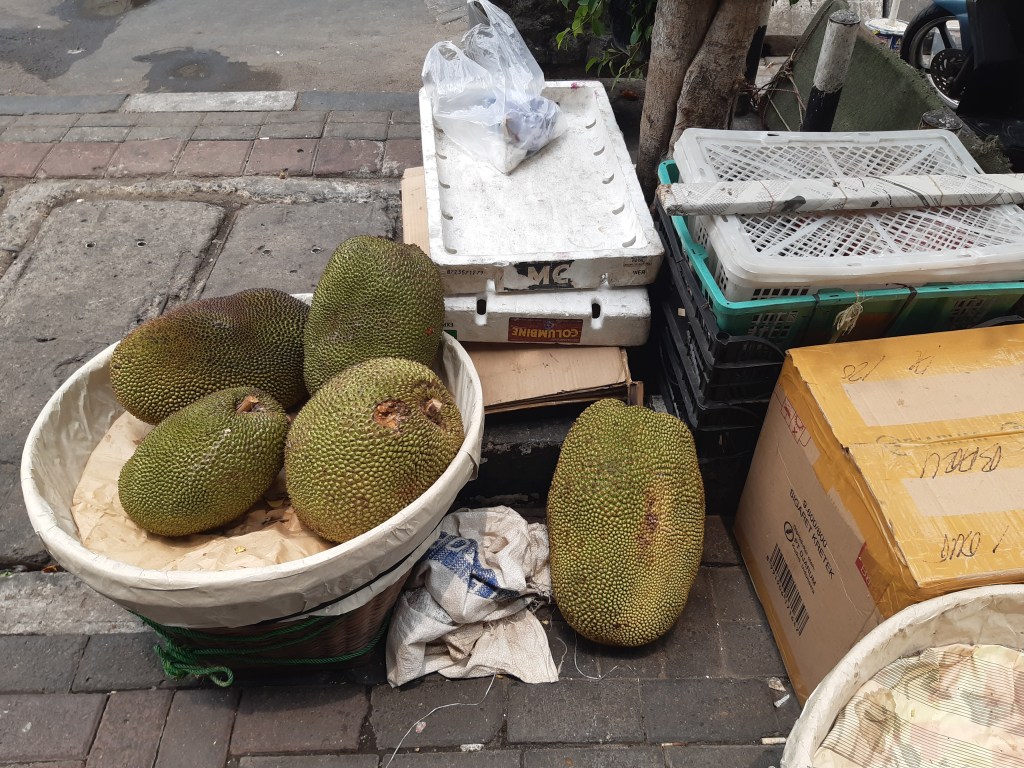
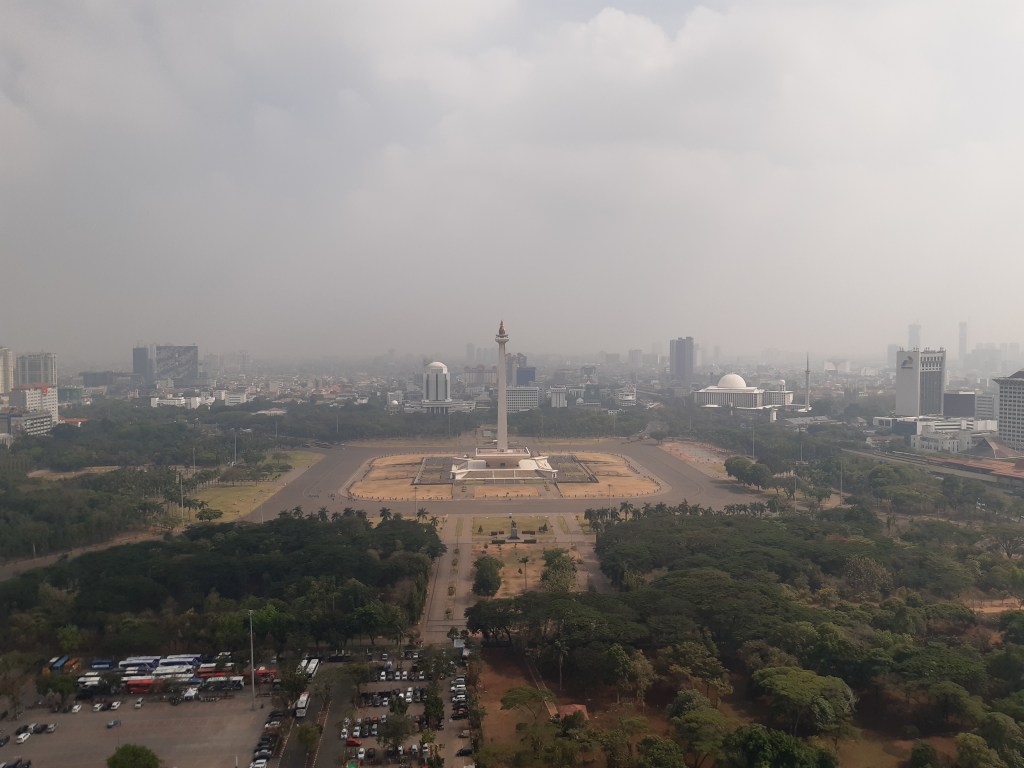
Named for the prolific, aromatic fruit that is commonly found in the area, Jakarta is a city of well over 10 million people.

I moved here in July 2019, eager to start a whole new adventure where I could fulfil my dreams. I was a volunteer with the Australian Volunteers Program – an initiative provided by AusAID and DFAT. So I got to work as a volunteer overseas with the major benefit of being financially supported throughout the entire experience.

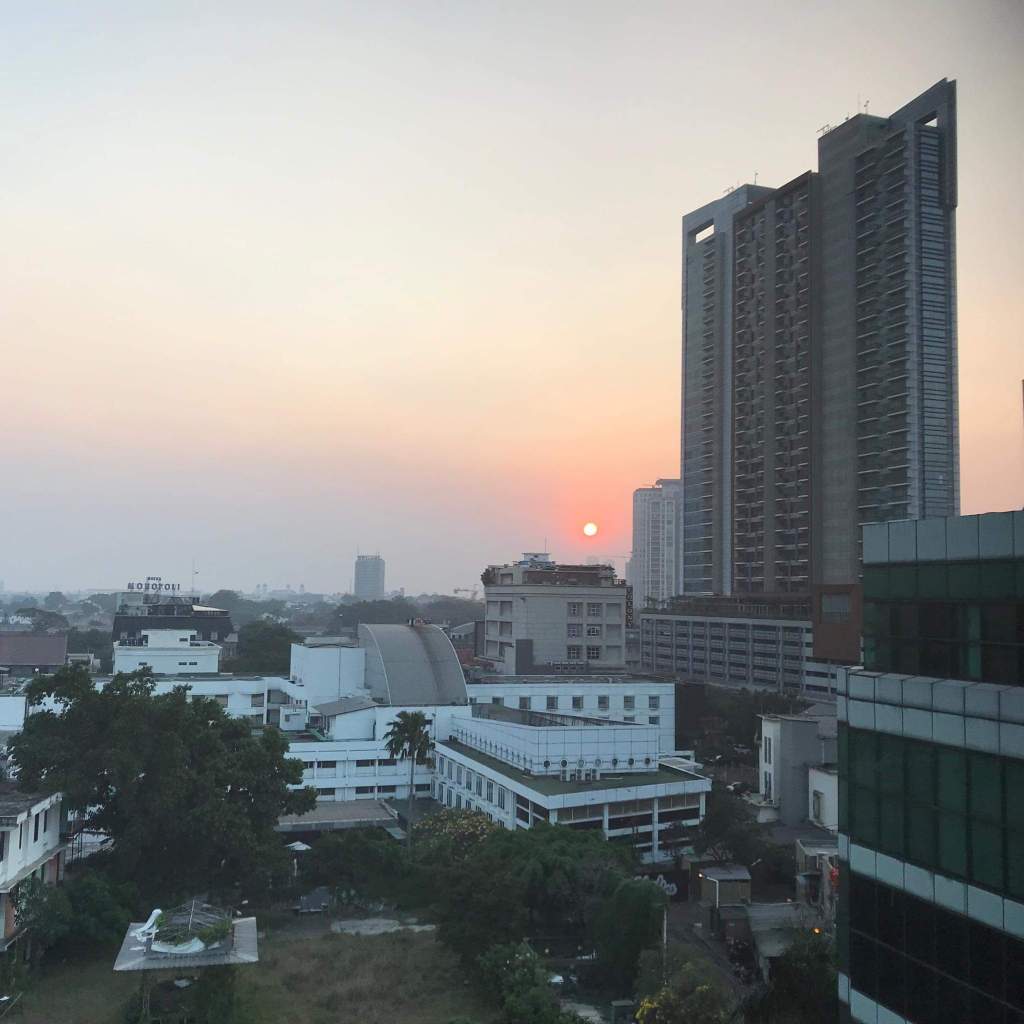
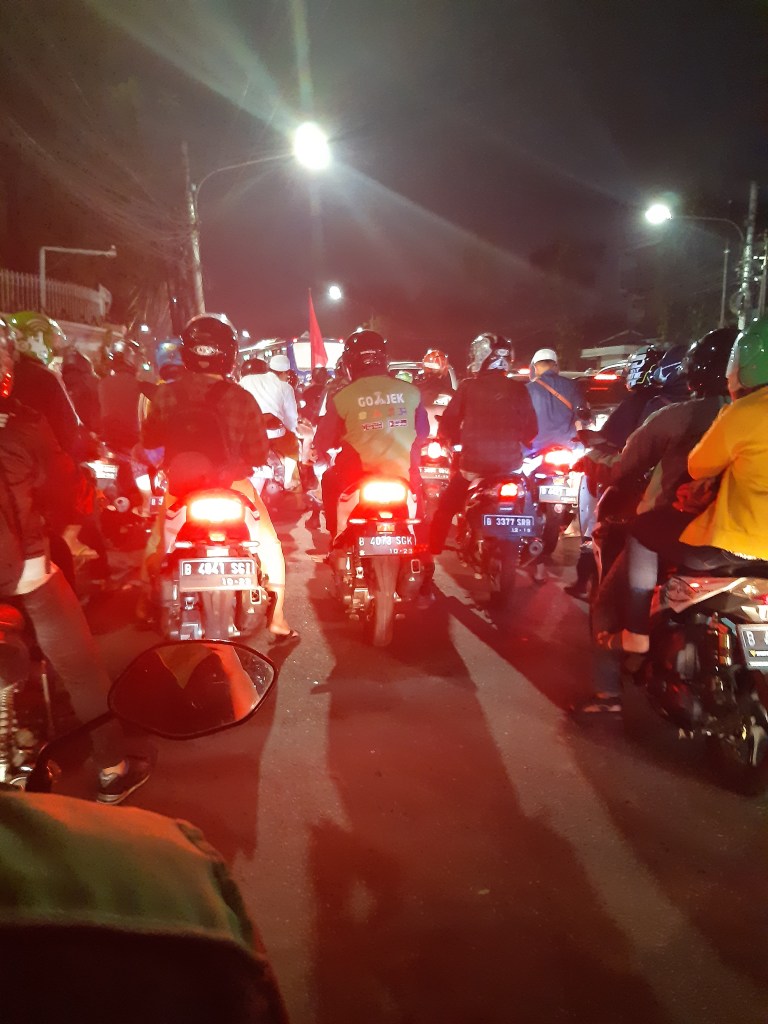
Jakarta was overwhelming. I thought that I would get used to jumping away from motorbikes on the rare sidewalks. The constant smog and the humidity. These were all part of the opportunity I had chosen, so I accepted them. But to live here, I needed to do more than that.

Step 1: Find somewhere to live. I did not have enough money for any luxury apartment, so I searched the city for a room close to my workplace to avoid the famous traffic (it once took me over an hour to get a few kilometres…). I found what is known as a kos – a bedroom and private bathroom in a 2 story building that is a common form of low-medium cost housing in the area. The internet was good enough.

Step 2: Figure out the food situation. One setback of my accommodation was that it did not have a kitchen. I had a fridge and I bought a kettle. If I wanted anything other than fruit and vegetables, I would have to source food from the various street food stalls nearby. So my diet consisted largely of nasi goreng (fried rice), mie goreng (fried noodles), and my favourite – soto ayam (chicken soup). I also consumed vast quantities of papaya and dragon fruit.

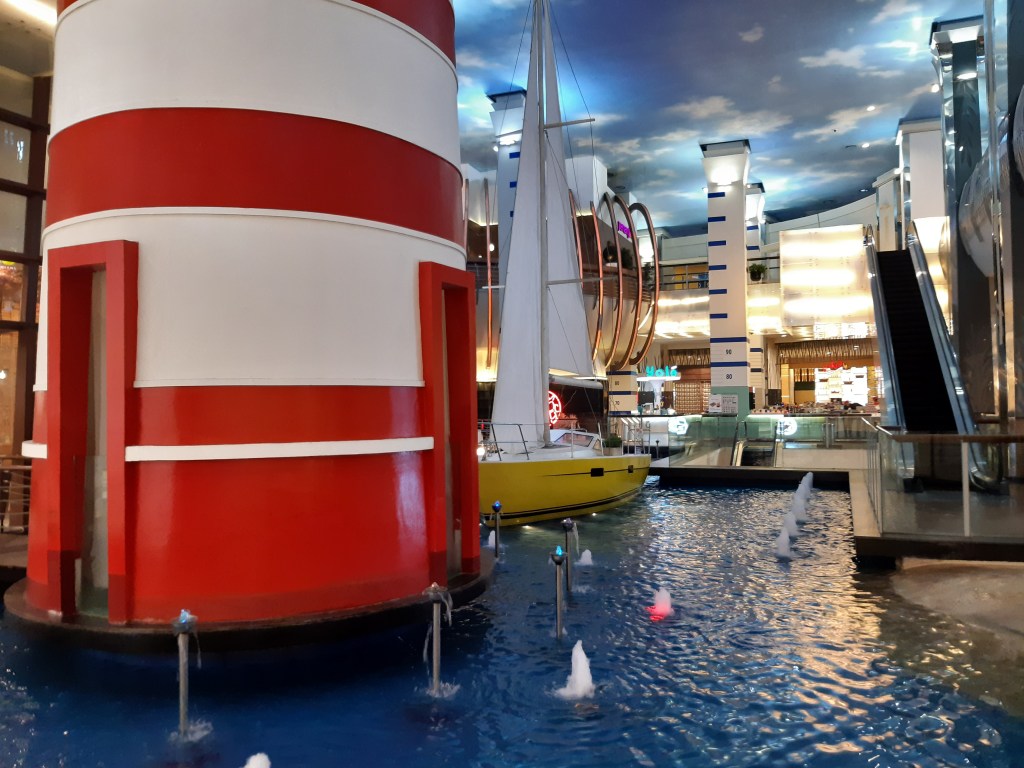
Step 3: Explore the area. Nearby I had access to a large mall with a movie theatre and enough turns that I got hopelessly lost the first few times I went there. It did have a Fitness First (with a pool!) which was a nice surprise. I certainly wouldn’t have been able to get any exercise otherwise. I lived near the MRT – a high speed metro that gave me access to the business district and regions further south. This route featured several more malls.

Step 4: Figure out where work was. And actually turn up. Living nearby the UN Jakarta headquarters meant it was only a short 10 minute walk (which made all the difference in a hot and humid environment).

Step 5: Figure out the best options for taking a break from the city. See my trips to Komodo National Park, Bogor, and Bandung for more info.

Working an living in Jakarta was the best experience of my life, and I expected to be there for 11 months (thanks COVID…). I rapidly settled into my role and worked hard to plan my projects and determine what I needed to achieved this. It was actually the first time I had worked full time with office hours (I felt like an adult!). Meeting new people, going to high-level events and conferences, working with Indonesian organisations and how we could support them were only some of the highlights.

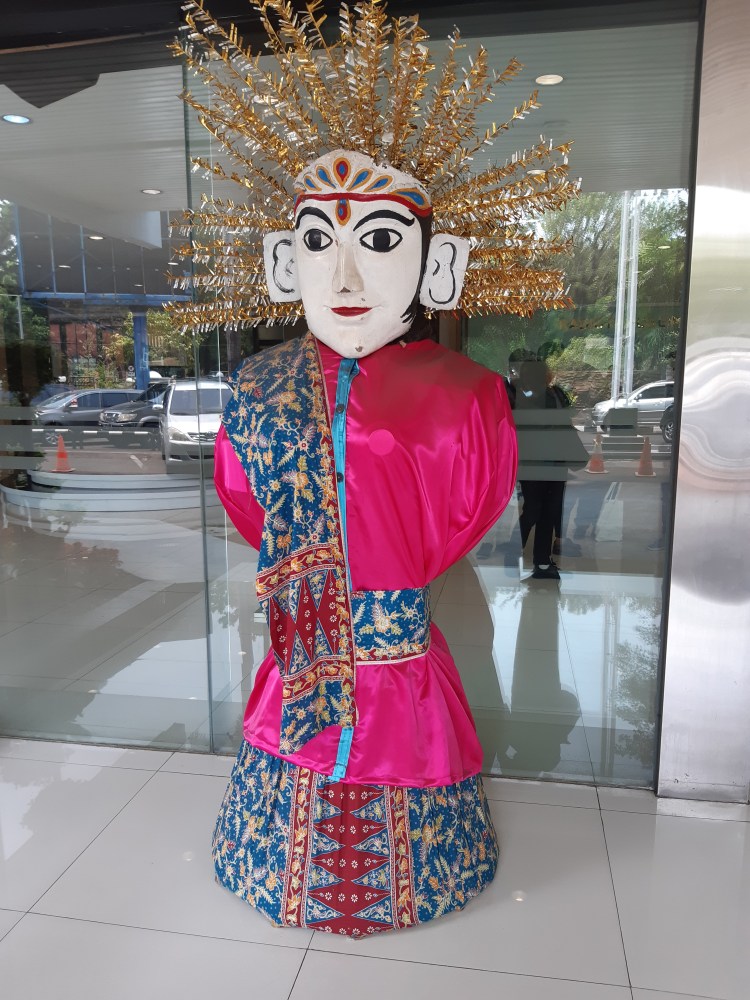
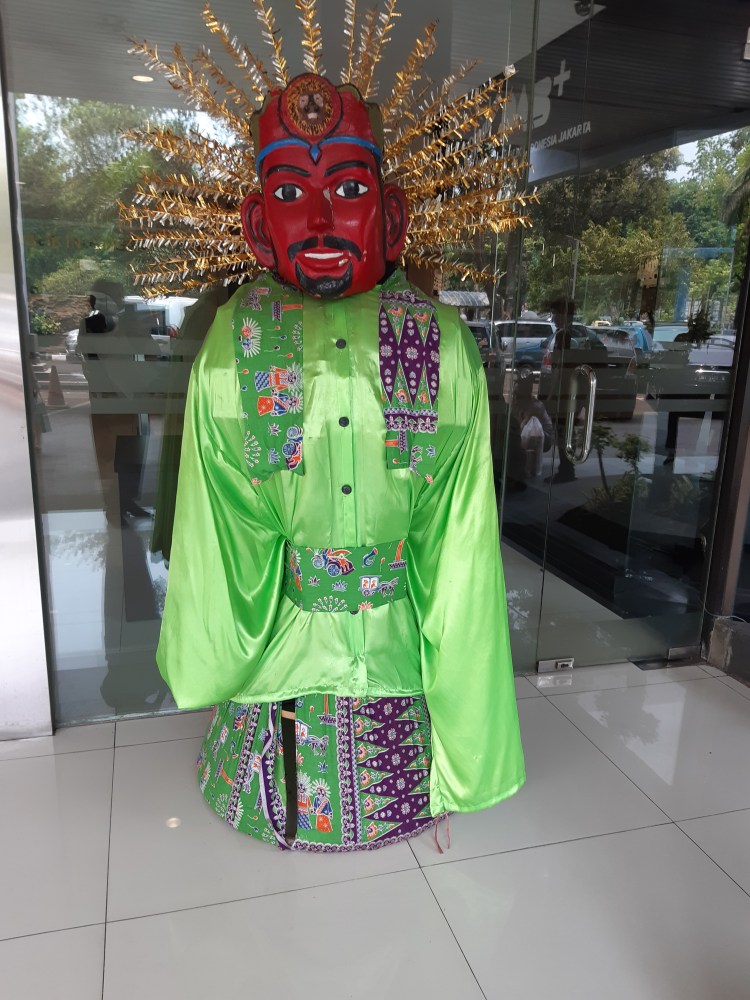
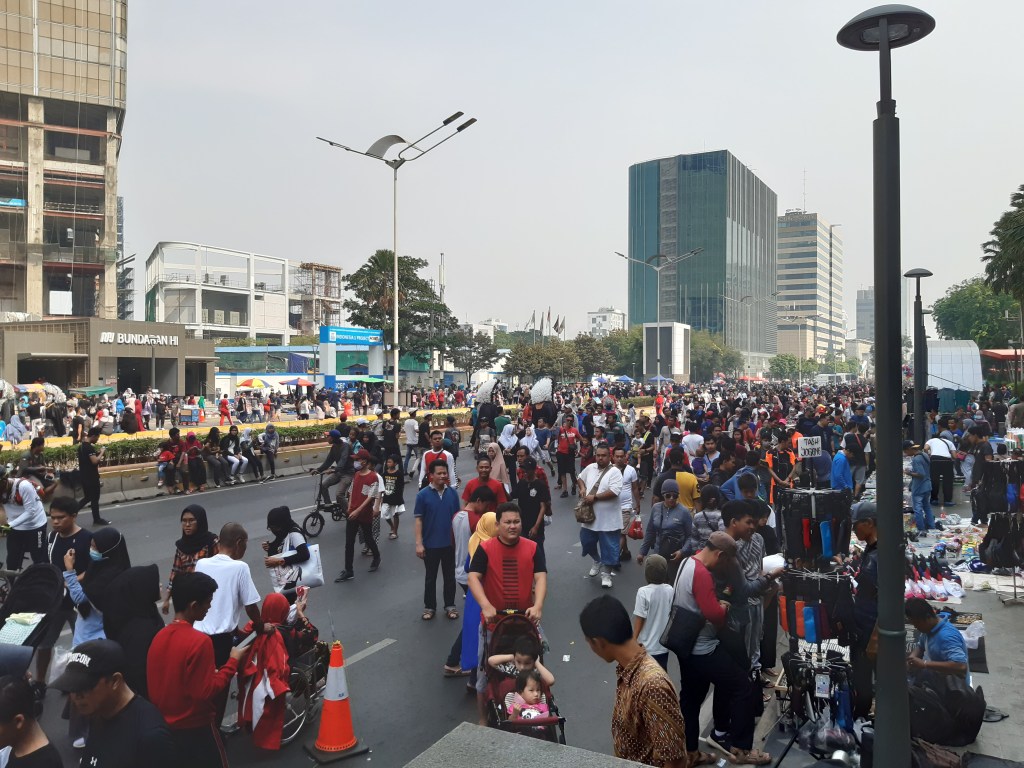
I also quickly learned to fear the ondel-ondel. Seen below, they are massive iconic puppets – what I would ignorantly consider the ibises of Jakarta. It is a little harsh and comes from a very Western point of view. And it was enjoyable to see how people flocked around them during the Car Free Sundays.

Sundays became my favourite day. It was the only time I could run outside, with the roads near me closed off around cars and a plethora of food stalls, people, and the occasional dog. Or otter. I actually saw an otter being led on a leash on the hot tarmac…

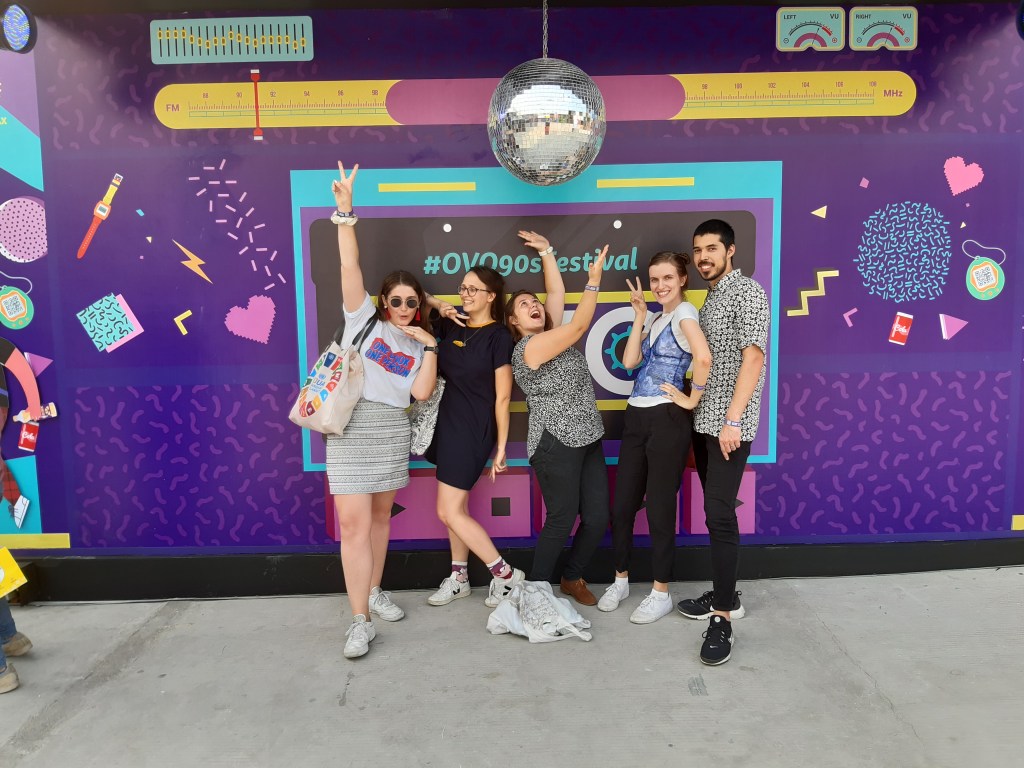
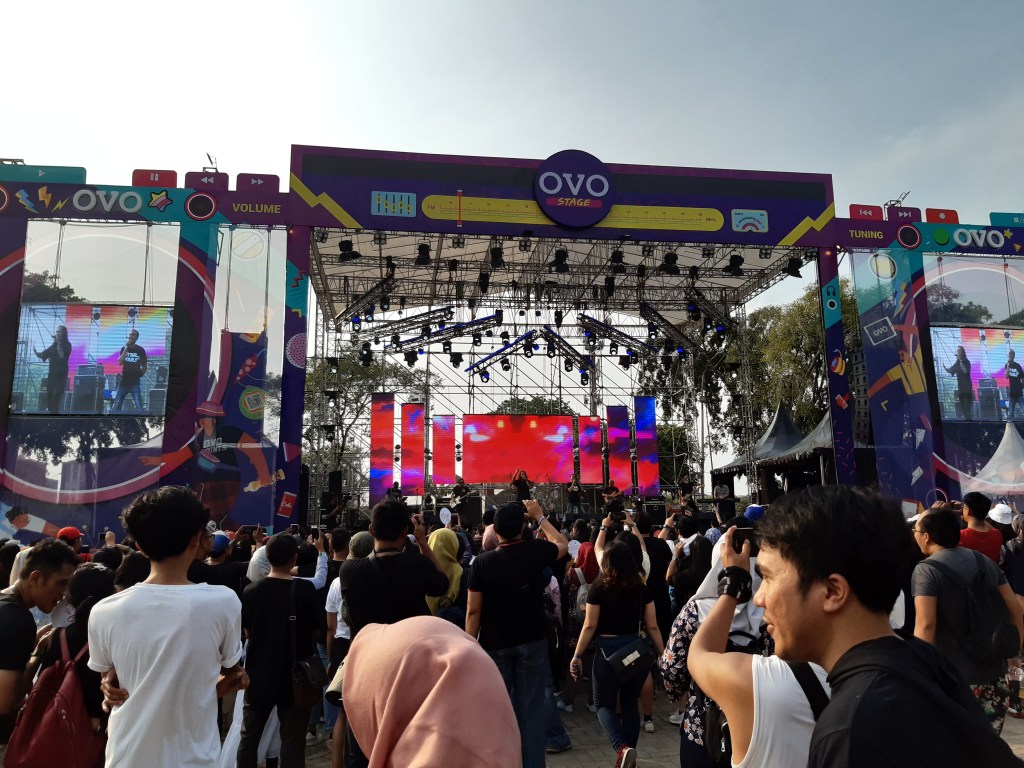
Being a major city meant there were often events intended for international and Indonesian audiences. This meant that they had some English components, wonderful for my very rudimentary Indonesian skills. One of these included a 90’s Festival. And Aqua was there (!?). It was an odd but nostalgic experience singing “I’m a Barbie girl” in the middle of Jakarta.

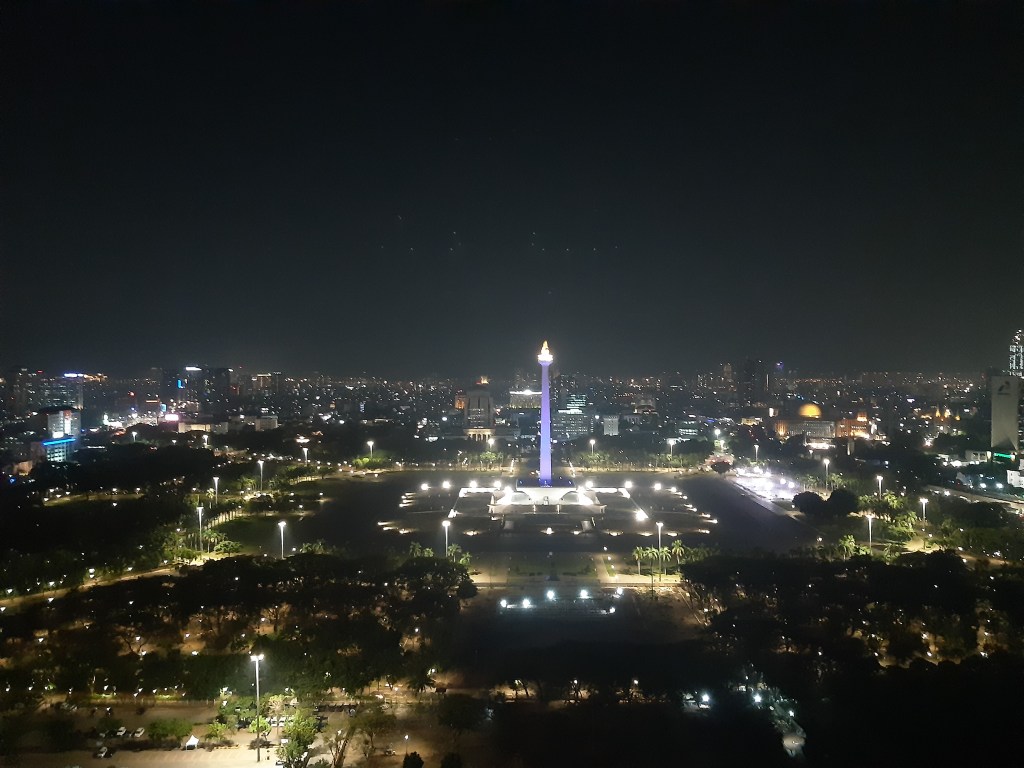
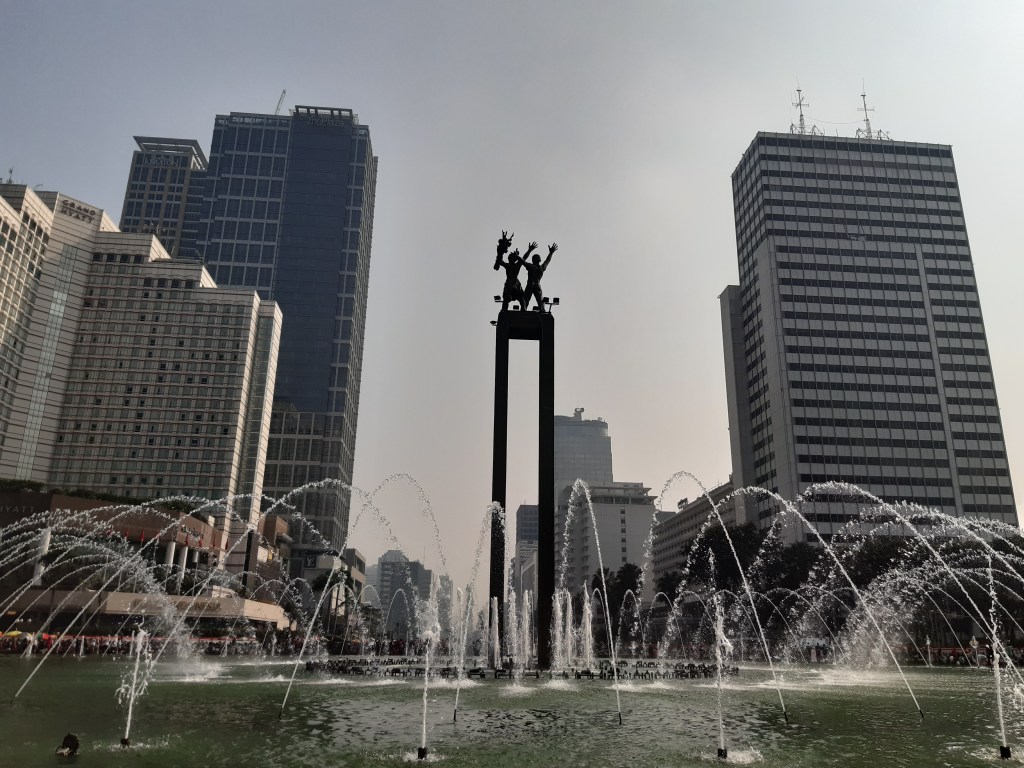
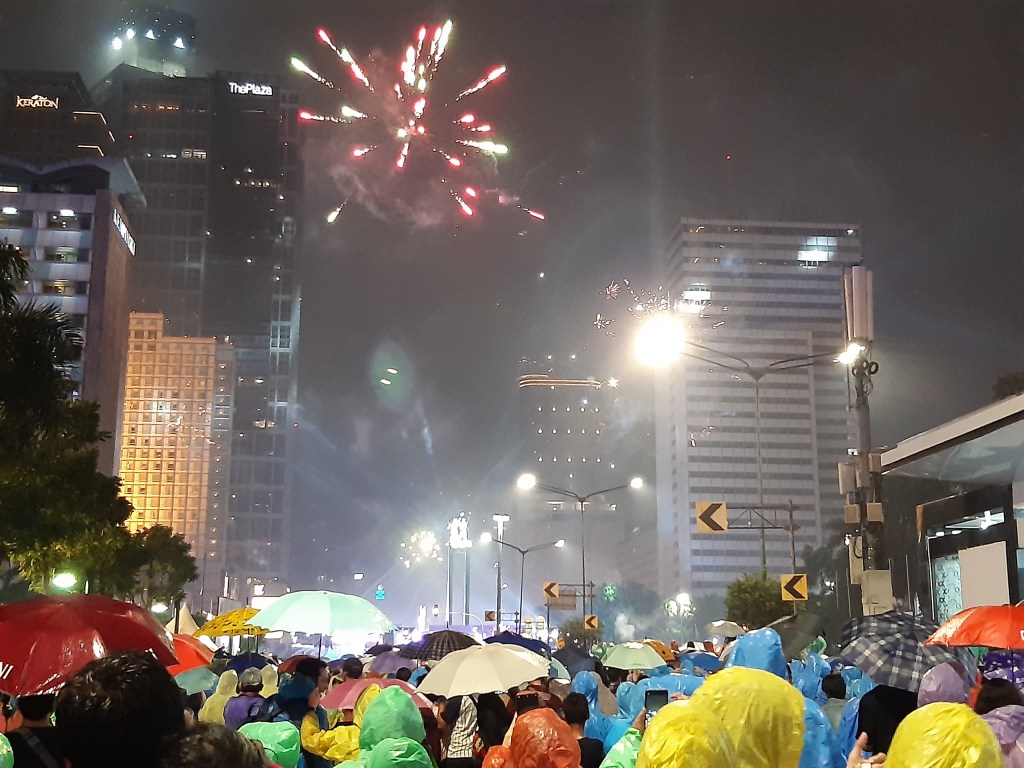
Arriving in July meant I was in Jakarta for New Year’s Eve. But it also meant that I got to be there for the rainy season. Essentially 2-3 months of incessant rain, with frequent showers immediately before and after. So 2020 started off with a bang. The bang of thunder and shock of lightning. After a few glasses of Captain Morgan (the only alcohol we could really afford), I managed to convince my friend that we should go see the fireworks. Located at the Selamat Datang Monument – the iconic roundabout in Central Jakarta – they were severely impact by the downpour. Barely making it higher than the nearby street lamps, we were particularly concerned about the ones careering into the hotel over the street.

After midnight we hurried back. And woke up to one of the worst floods Jakarta had experienced in decades. 2020 folks! Well over 300mm had fallen in a single night, easily overwhelming the drainage systems Jakarta had and causing a local damn to direct water into a specific area of Jakarta (not too sure what happened there). We were advised to stay indoors, with access to the office restricted and deemed unsafe. I was lucky enough to be in an area that had only ankle high water, but many were not nearly so lucky.

The rain wasn’t quite done, with frequent flooding causing delays on the roads and requiring constant vigilance. It was around this time that I really started to struggle living there. The previous heat and smog had stressed me more than I expected, and the constant rainfall stretched me to the end of my patience. Work had become increasingly difficult as I felt myself attempting tasks I could not complete. Then COVID-19 emerged.

Being an international office meant we were constantly being updated throughout January. Sending information received from the WHO to spread correct information in the face of the myths circulating the disease. Around February, a comprehensive list of false ways to prevent the spread was released using the UNICEF logo. This included not eating ice-cream to avoid your body temperature falling below 28˚C. High level officials advised that prayer was the best solution. We tried to tell everyone to wash their hands and use masks. However, this was during a time where the information from the WHO was uncertain. Masks were recommended, then they were deemed useless. Then they were again the biggest tool people could use to prevent the spread.

Unity was a big theme in our communication materials. I felt they were ineffective – how could we suggest actions that could not possibly be adhered to in Indonesia? The water was largely unsafe to drink. Public transport was often the only way people could work, and offices were not shutting down. Not everyone could afford masks and there was no income support for those in the informal economy – a large percentage of employment rates. Saying that it would end by June seemed ridiculously unrealistic.

We stayed vigilant about international and national developments and were advised to sit tight as it would be more dangerous to take an international flight. However, in March, Australia closed its borders. We had to go home.

My visa was not going to be updated, so I had 3 days’ notice. What ensued was a massive rush to pack up 9 months of my life as fast as I could. I lost quite a bit of the work I had done while there as it was transferred onto a USB that crashed as soon as I got home.  My Garmin heart tracker told me I was more stressed than I had ever been and I got less than 8 hours of sleep across 3 days. Definitely a stressful time. Luckily, I managed to get a flight home and I (mostly) got all my stuff together. My luggage home included an entire suitcase of toilet paper as requested by my mother, as they had run out.

I got back just in time to do the quarantine in my house. We have a separate room so I spent the 2 weeks there with frequent visits from my dog Frodo, who was also having a crappy time after recently having a surgery. Tiger King came out that weekend too…so it was a great way to spend my time. I

t was difficult to readjust, as all my plans for travelling after Indonesia, coming home and moving to Melbourne, getting a job were upended in less than a week. I was stuck at home unable to talk much to my family. And I knew I was one of the lucky ones. Everyone had issues in the wake of COVID-19.

My year in Jakarta was extraordinarily eventful and being able to travel and explore Indonesia was an experience I will always treasure.

Just not the giant rats in my room. I can forget those.

Black Sheep | White Dog

TLDR (no seriously it’s super long): I talk about the stigma of mental health and bipolar using my super cool metaphor: “Black Sheep White Dog”. Also, skills to manage mental health are just as important to develop when you are healthy as when you are unhealthy. It’s like managing your physical health…but yes, in your head.

CW: discussion of mental health and references to associated problematic behaviours. The resource section at the end contains contact numbers that can be used 24/7.

***

I am crazy. I am lazy. I am a downer. I am the one who hides herself in her dorm for weeks. I am going a million miles per hour, with unintelligible ideas formed and forgotten. I have nothing to contribute. I will text you several times a day or put it off for weeks. My sense of insecurity is crippling or it is non-existent. I am bipolar.

The concept of “Black Sheep” and “White Dog” draws largely on my need to show a different description of mental health disorders. They are representatives of the two extremes experienced by those with bipolar. The temperaments of both must be recognised and balanced. Those with mental health disorders of any type will see everything in black and white, and understanding these extremes is pivotal to understanding their perspectives.

The metaphor of a Black Dog has characterised discussions of mental health. Often attributed to British Prime Minister Winston Churchill¹, it represents the idea that depression ‘dogs’ your step, pulling you back. I do not agree. We need to switch this stigma, and all stigmas, on their head.

To me, it is not a Black Dog but a Black Sheep. It is withdrawn and lonely, yet it can be reasonable. The White Dog is fun and outgoing, but if you have ever had a dog you have certainly called it a manic little shit (with lots of love in your heart…no judgement).  It’s obviously not a perfect metaphor, with characteristics of each transcending both extremes, but to me it helps separate the two conditions and use them to balance out the temperament of the other.

Long Story Short

 Being diagnosed with bipolar felt both surprising and inevitable. After around 13 years of dealing with depression and anxiety (unrecognised until I was 15), I was diagnosed in mid-2020. Since then I have experimented with different types of medication and therapies to determine the best way to effectively manage the disorder. It was only through research and discussions with a psychiatrist, psychologists, and participation in group therapy that I have been able to start identifying my own symptoms.

Before this year, I honestly thought bipolar was the same as multiple (dissociative) personality disorder. After some extensive research, I discovered that a) it was a mood disorder characterised by manic highs and depressive lows² and b) I knew next to nothing about mental health except the unfounded stigmas that surrounded it.

Long Story Long

The Black Sheep

The Black Sheep is traditionally an oddity and deviant. It stands out in the crowd.

It is irrefutable that I have consistently been described as the ‘Black Sheep’. This is somewhat due to my nature, but also due to the fact I have been (lovingly) bestowed with the nickname “Shaun the Sheep” since high school.

The Black Sheep is usually placid and calm, reacting to rational dangers such as dogs and wolves. Sheep traditionally seek out connection, but it can find itself ostracised and alone. While they are essentially the same, a slight genetic change thrusts upon them the damaging, lifelong strain of stigma.

When the Black Sheep has control, you have no path. The only thing you can do is follow, but there is no one who will guide you. For me, this is the hopelessness I experience – that my individuality has been overwritten by all the negative things around me. That I can never possibly achieve my goals, no matter how hard I try. I feel abandoned. I can cry, but no one will hear. No one will listen. I know they all hate me – who wants to hang out with a sad Sheep?

However, the idea that all sheep are stupid and lazy is wrong³. As individuals, they can form their own interests and relationships, and feel sad when it is warranted. Being a Black Sheep is an opportunity to stand out. To be confident in your skills and build the resilience of the flock as a whole. These are values that (sometimes) I can see in myself. I do have a reasonable side. I can make rational decisions. I am someone that is intelligent and values my relationships above all else.

The White Dog

The White Dog is playful. It is happy and social rather than passive. It seeks out fun but values a good night’s sleep (preferably on my bed). Exercise and good food (plenty of treats of course…) bring out the best in them. Professionally trained, it brings so much joy to others around them.

However, it can become over-excited. A variety of factors such as (but not limited to) neglect, abuse, and lack of exercise can result in an overly energetic and destructive companion. It can become terrified of abandonment. It bounces off the walls – chewing everything in sight. It howls and barks through the night – seeking escape from the confines of their home. Suddenly, it seems that those around them only seek to do them harm and trap them. It becomes defensive, lonely, withdrawn. It engages in behaviours that result in self-harm or harm to others.

When a person experiences this, it is mania.

Suddenly, I withdraw. Everyone is against me. I feel that “I am on nobody’s side, because nobody is on my side” (talking trees give the best insights⁴): everyone is working against me. They hate me. They see me and know every thought I’ve ever had and judge that I am not worthy of happiness or joy. I agree.

Who wants to hang out with a crazy Dog?

I tip over the edge. Hurt and confused, I withdraw. My most recent hypomanic episode (less than mania, but still somewhat out of control) occurred towards the end of 2020. I was irrational. Throwing myself into everything I could. Frustrated when I couldn’t immediately do the things that I wanted, like rush off to buy a Christmas tree. I could achieve anything, if only these annoying people stood out of my way. Then, suddenly, everyone was against me. To ease my frustration I went shopping. I drank more. I turned to more extreme measures that caused harm, like an overexcited dog who chews their own leg.

Then the burnout came. I lost control of the White Dog, and the Black Sheep reappeared. The culmination of a change in my medication, a crappy year where it seemed everything around me had gone wrong, a sense of failure that I was stuck at home, and the utter hopelessness that there was no future in which I could be happy. My angry thoughts turned into desperation as I believed I did not deserve it anyway. I became terrified of being alone, and pushed people away that did not deserve to be pushed. I validated my own fears.

It was compounded by the stark distinction from the utter joy I had experienced just a week before, and the fact that I knew what was going on but could not stop myself from crying for almost 3 weeks straight. Escape usually looks appealing at this stage.

As I lose control of both, stress becomes unavoidable. I no longer have the strength to avoid acting on unhealthy urges. It clouds my judgement, leading me to make irrational decisions that only serve to validate negative thoughts. Any sudden changes send me spiralling. It took months to begin to recover after being repatriated from Indonesia with 3 day’s notice in the wake of COVID-19.

I felt as if the skills I had worked so hard for crumbled at my feet.

But like training any dog, it takes repetition. By using them I may have prevented a catastrophic episode of mania. In the past, these have almost caused serious harm – I have even had delusions that bordered on hallucinations. While these were a fun experience at the time (and hallucinogen free! Gladys⁵ would be proud), the consequences could have been far worse. It can also be concerning for others, like when your dog starts barking and running around for no apparent reason.

The Shadow

If the Black Sheep and the White Dog are the extremes, there is a balance. This is the grey area – the Shadow. We are not overly sad, but neither are we uncontrollably happy. We find contentment and satisfaction while allowing ourselves room to breathe and build our skills. Only with these skills can we identify changes between the Sheep and the Dog and keep them both in check for a healthy mental state.

To achieve it, I seek to acknowledge both. I am learning how to minimise the extent to which I let one or the other take charge. There will always be fluctuations – perhaps more than most for me –  but it is within my power to forgive myself and move on.

One of the most important lessons I have learnt is that even when we have control over both sides of ourselves, we must accept that we cannot control how others react.

If they look down on you, ostracise you, or harm you in any way, it is not your fault.

You can only control your action and reaction. Respond however you need to, express whatever you need to, and forgive yourself for whatever you need to. For feeling anger, shame, sadness, and more –the emotions we are told to hide. In order to move on, you need to do or do not – there is no try⁶.

To validate your positive thoughts, you need to do positive things. To be kind, you must do kind things. To be confident you must do confident things. For me this has been to buy bright and colourful clothes, and wear them at every opportunity. I have proved my fear of people laughing at me wrong.

To connect better with those around you, you must communicate your needs. But listen to theirs. You set an example. When you listen, so do they. When you are confident, so are the people around us.

There are also things I do not. I do not stop, and I do not give up. In 13 years I never have.

Accept that all parts of you have strength, but sometimes you need help to find it.

Not The End

Just before my diagnosis, a psychologist told me that I should not “seek it out”. That I was too smart to have bipolar. That the stigma would follow me around for the rest of my life. That it was merely “fashionable” (wait…what?!). I had previously discussed issues I have had growing up as a lesbian in environment that encouraged hiding this as vigorously as any mental health condition, and knew that she applied this sentiment to that as well. My GP already had referred me to a psychiatrist, so I was hounded by doubt and fear. This led to some of the worst few weeks in my life. She had made me afraid of the stigma, afraid that all the negative thoughts I had ever had; that I was just crazy, that it was all in my head, that I didn’t deserve help…were true.

But I did the bravest thing I could – I went. I was diagnosed within about 20 minutes of my first visit and was immediately recommended mood stabilisers. Since then I have renamed my Spotify playlist to ‘Mood Stabiliser’⁷ and find it similarly effective. The doctor informed me that it would be a process of trialling several medications to find a balance. I was overwhelmed at the number of choices I now had. A chance to use medication to help, not hinder recovery. Access to group therapies and skills I had never heard about before. I now knew I could do brave things.

I still regret much of what I have done in the past. If you know me, you know that I can be erratic, impulsive, extreme. I burst into song and burst into tears within a few hours of each other. I have burnt myself and my relationships out in record time. Cut connections I wish I could heal, and did not give myself the freedom to explain what was going on.

Throughout all this hope has always kept me going – hope for a stronger future and second chances. I still have a long way to go, but now I see both my mind and my body becoming stronger than ever before.

One stigma that surrounds mental health is that we use our diagnosis as a crutch. I don’t believe this is the case. Our crutch is our problematic behaviour; inconvenient, but the only thing that stops us falling.

Dealing with mental health is the same as physical health – there is no one magic tool to achieve perfect health. It is a balancing act of lifestyle and professional support, essential ingredients to strengthening mental health. Once we have strengthened ourselves, we can abandon our crutches.

What helps us heal is medication. Rehabilitation. And most importantly, our determination to seek and accept help.

This may seem self-centred, and it is. I have long ignored my own feelings and succumbed to the judgements of others. In order to overcome this, I have to recognise my strengths and focus on what brings me gratitude. My dogs (obviously), for being constant beings of joy. My family, for standing with me. For carrying me when I needed it. My friends, for asking how best to help as soon as I reach out.

I am grateful to be ‘certifiably’ crazy.

Note: This is based off my own experiences to show some of the symptoms someone with a mental health disorder may display. I have had an incredible amount of privilege while accessing help and support which I cannot take for granted. Everyone will have a different experience and I do not intend to speak on behalf of anyone besides myself.

Extra resources

My attempt to avoid plagiarism:

  1. Ghaemi, N 2015, Winston Churchill and his ‘black dog’ of greatness, accessed 28th December 2020, https://theconversation.com/winston-churchill-and-his-black-dog-of-greatness-36570
  2. Any decent information source about bipolar (not sensationalised headlines about celebrities like Kanye West)
  3. Because I say otherwise. But so does she: Harriet Constable, Sheep are not stupid and they are not helpless (as a group this may be different…)
  4. Seriously? You don’t know Treebeard? Get cultured and watch Lord of the Rings (read it too). This is from The Two Towers. Or unfriend me – I guess you have control over your own actions.
  5. Gladys Berejiklian – current NSW Premier. She keeps trying to ban drugs at music festivals to little avail…
  6. If you need to know where this comes from, I give up on you.
  7. Florence and The Machine, Aurora, Mumford and Sons, Of Monsters and Men, Boy and Bear, and a healthy sprinkling of the Hamilton soundtrack all feature strongly here. But whatever floats your boat.

Other Resources

Crisis and information hotlines (available 24/7)

  1. Lifeline – 13 11 14 (useful for crises, distraction, and suggestions for preventative action)
  2. Beyond Blue – 1300 22 4636 (useful for crises, distraction, and recommendations to further support)
  3. Kids Helpline – 1800 55 1800 (for youth aged 15-25 from all backgrounds. Offers up to 50 minutes of free counselling for any issue. I highly recommend this one)
  4. MensLine Australia – 1300 78 99 78 (designed specifically to support men)
  5. Access full list here

Online resources

For additional educational resources for those directly or indirectly effected by mental health disorders. These are worth looking at for everyone to learn more about their own health and wellbeing.

  1. Lifeline
  2. Beyond Blue
  3. Black Dog
    1. Bipolar Fact Sheet
  4. Sane Australia
  5. Bipolar Australia – Bipolar specific resources with real-life Australian experiences (not simply the textbook definition)
  6. Cute puppy photos
  7. Access more here

Podcasts (available on Spotify & all LGBTQIA+ friendly)

  1. I weigh with Jameela Jamil – check out the website
  2. The Manic Episodes
  3. Getting Curious with Jonathan Van Ness
  4. I pretty much listen to these exclusively, but there are more! 🙂

I also highly recommend the book ‘Happy (And Other Ridiculous Aspirations)by Turia Pitt. She has been a massive role model of mine, and is a pro at displaying how to use basic skills for better emotional control and interpersonal effectiveness. In short, how to live a happier life.
Trails of Tasmania

Part 2

Back in Tasmania! My 2019 visit was shorter than the previous one but I filled as much as possible in! While a small city, there is so much to do in Hobart. A spectacular standout is the hike from Fern Gully (I can’t help but think of the movie) to the summit of kunanyi/Mount Wellington on the land of the Muwinina people.

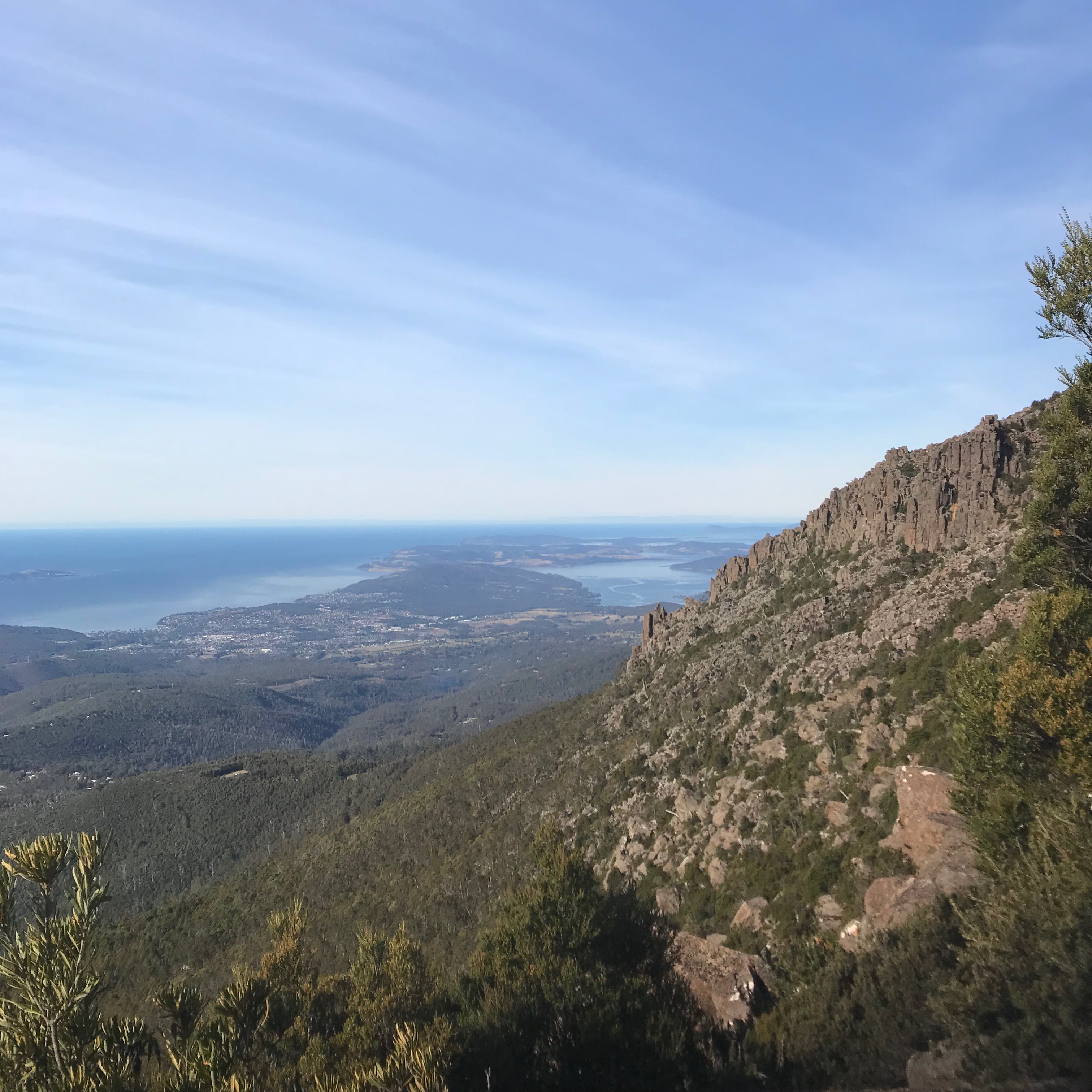
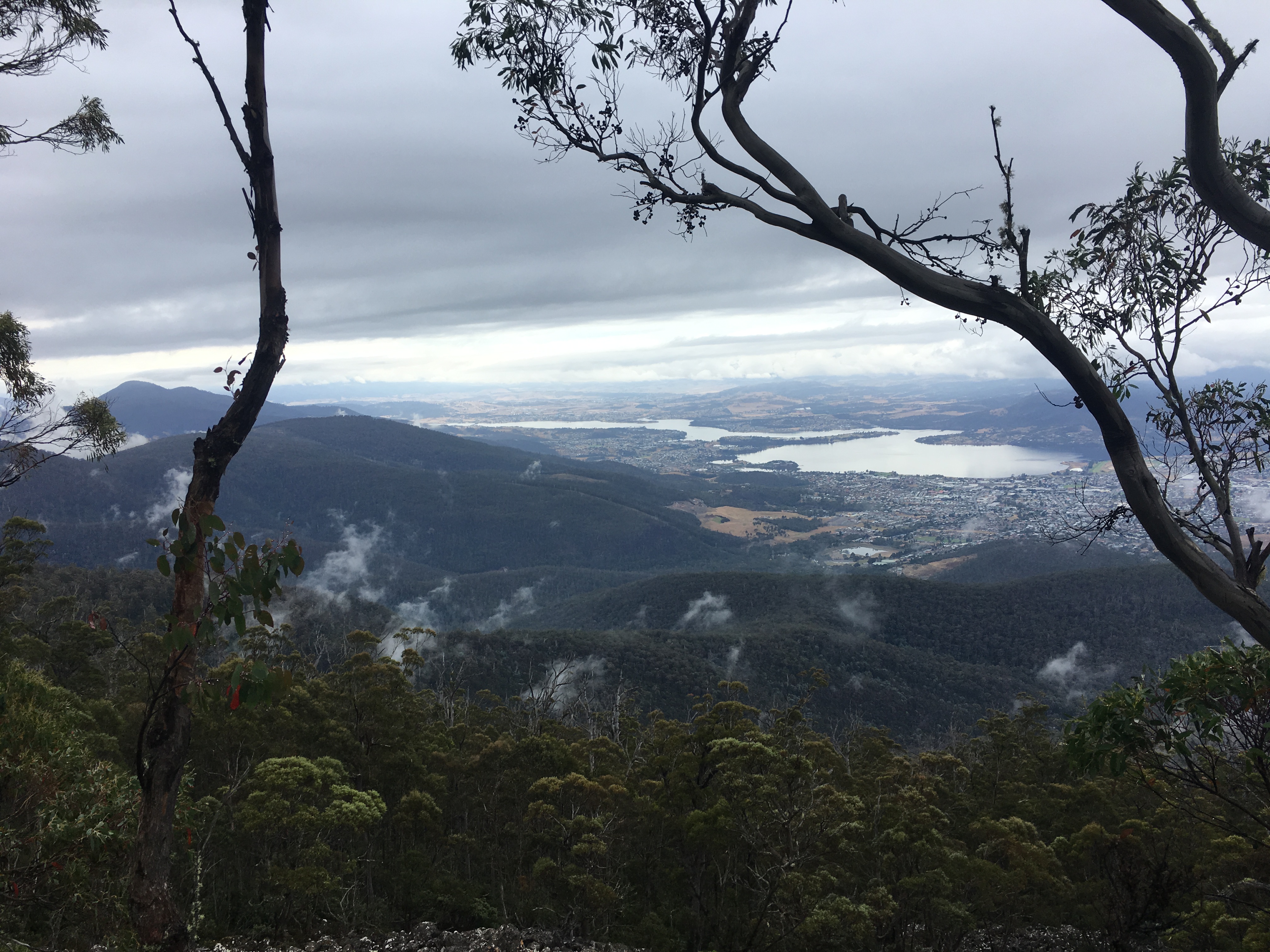
Funnily enough, it was uphill the whole way with a boulder scramble to reach the top. As seen below it was a glorious day (I keep getting those) with views across Hobart and beyond. The summit was a different story. Covered in fog and wind, I could not see beyond a few metres. My plan to rest and recuperate there was quickly abandoned, and I retreated a few metres down back into summer.

The short drive to Richmond is a day trip I highly recommend. Reminiscent of English countryside, it features beautiful scenery with local markets and shops that display unique, hand crafted goods (and food).

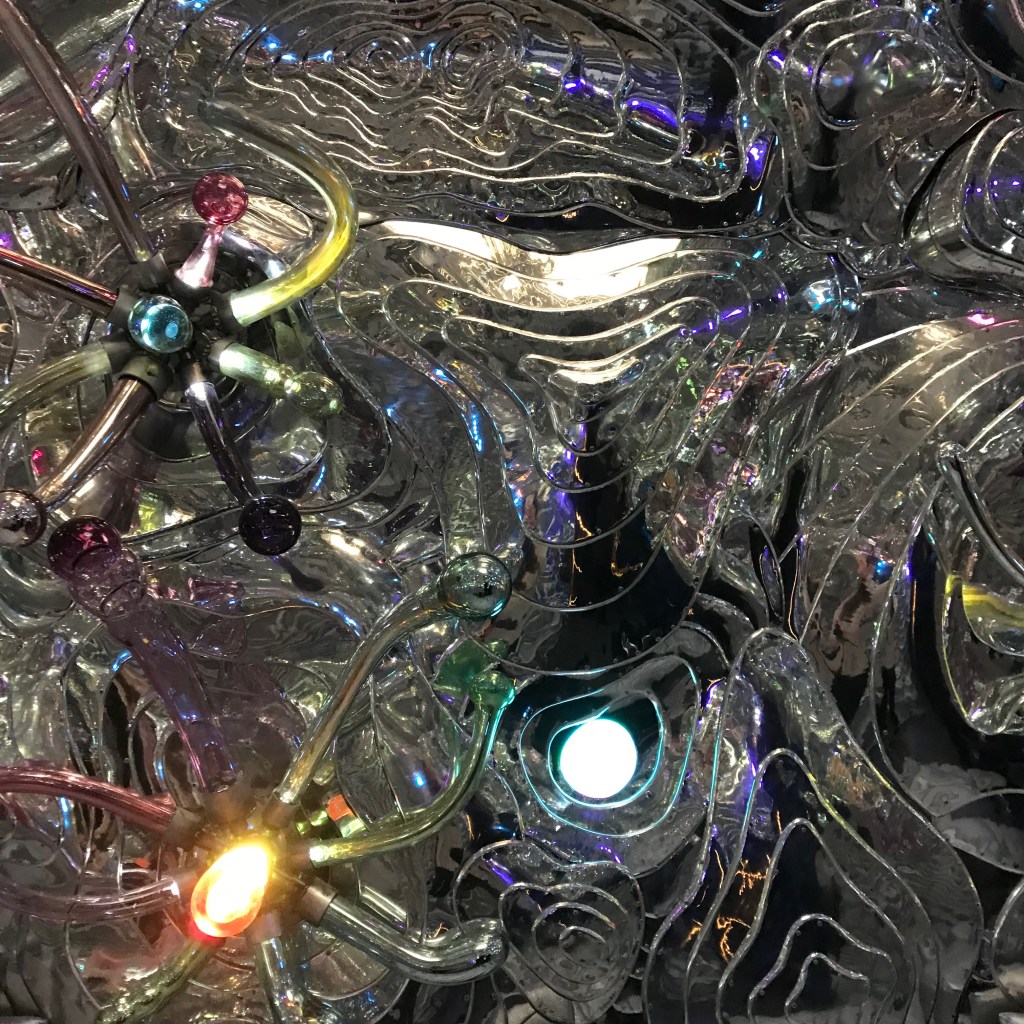
A touristy ferry ride from Hobart, MONAS was a destination I had been looking forward to for a long time. The Museum of Old and New Art was like no gallery I had been to before. With interactive exhibits that people of all ages could enjoy, it takes more than one visit to appreciate fully.

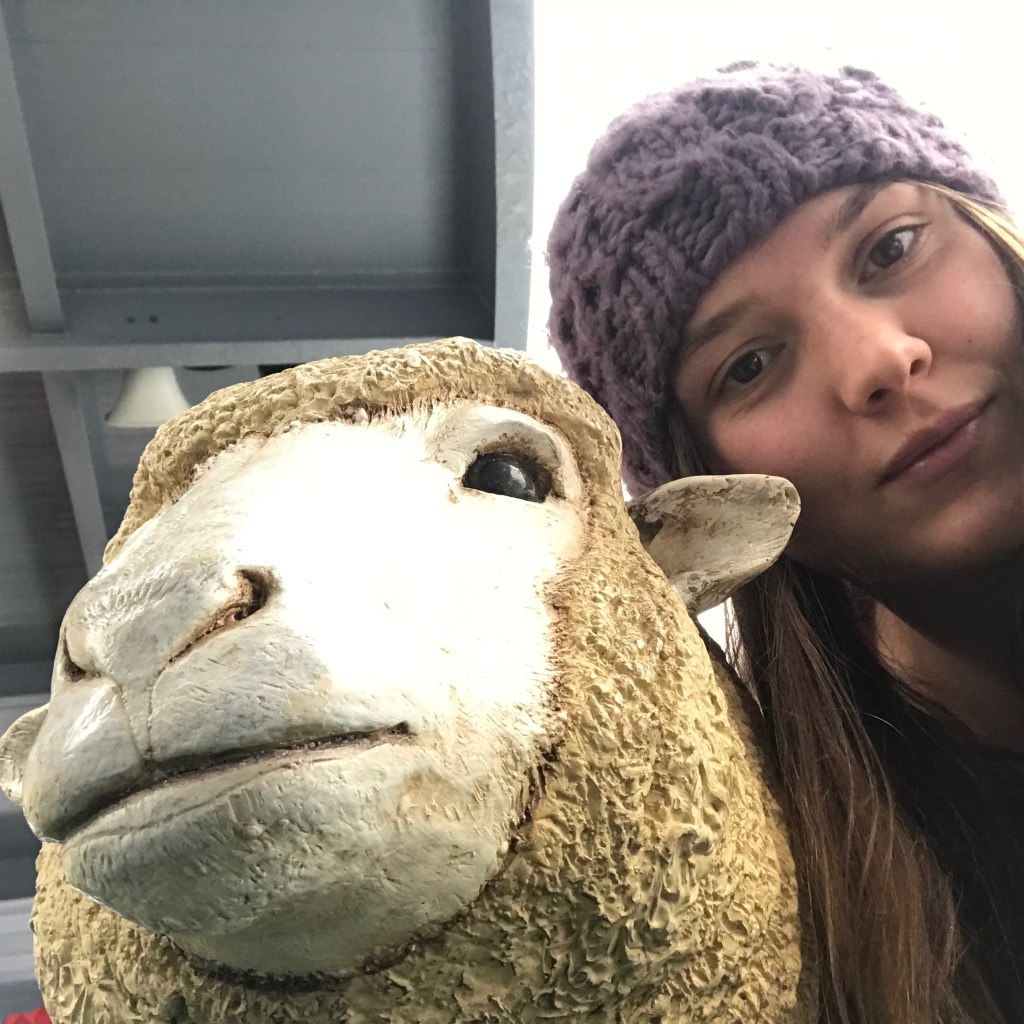
Plus the seats on the ferry are animals – like the ones you find on Ferris wheels!

While focusing on Hobart meant I could explore the local area and spend time with my friend, I am really looking forward to exploring more of Tasmania, and have several more areas on my bucket list!

Bali

Escape from Java

The culture of Bali contrasts starkly with the rest of Indonesia. Whereas many in the country follow Muslim, Christian, or Catholic tenets, the residents here are predominantly Hindu. This makes for a colourful island with traditions of its own.

It is also known as being a major tourist destination for Australians seeking a good time. The general uniform – Bintang shirt, Bintang beer, boardies, bikinis, and thongs. A vast contrast to the long sleeved shirts and pants I was used to wearing (I made someone very uncomfortable in Jakarta when part of my shoulder was visible).

My parents and sister made the trip over for a family holiday – enjoying the attractions of the local area while taking the opportunity to relax. Although I had previously distained the idea of popular tourist destinations, it was fantastic to enjoy them with my family. Taking a sickening boat ride around Penida Island proved challenging but thrilling (not so much to other passengers). We enjoyed the snorkelling and the chance to explore the island and local tourist spots such as the iconic Kelingkin Beach. Or rather, the lookout far above it where you can take amazing Instagram photos in the 10 seconds there aren’t any other tourists in the way.

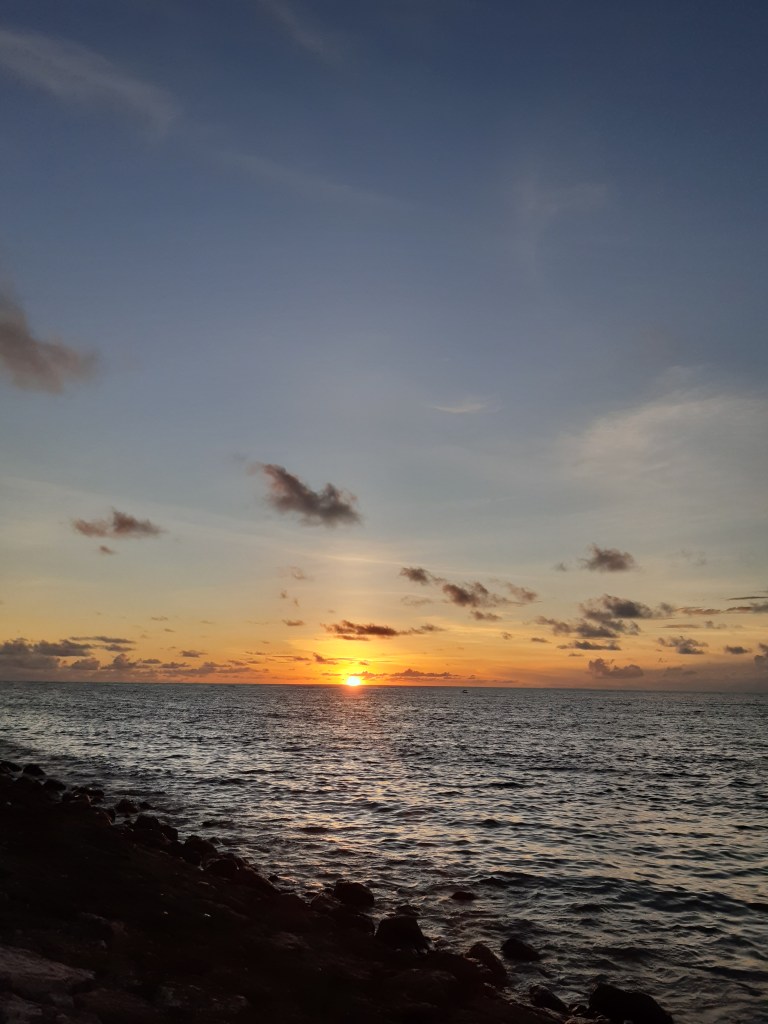
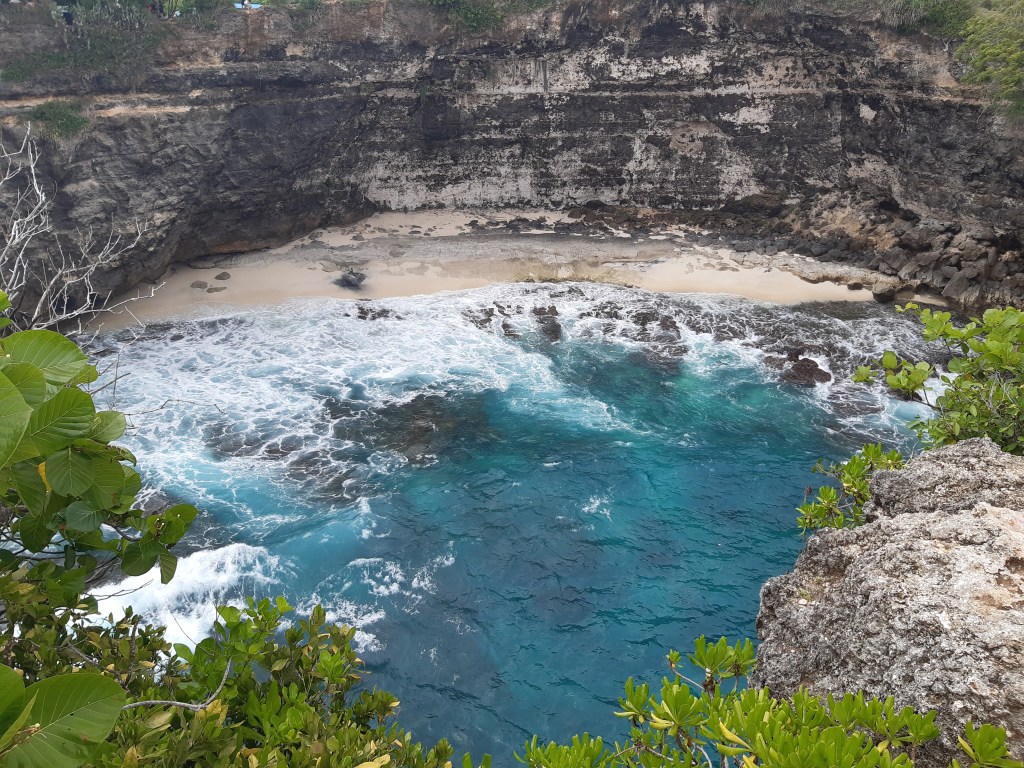
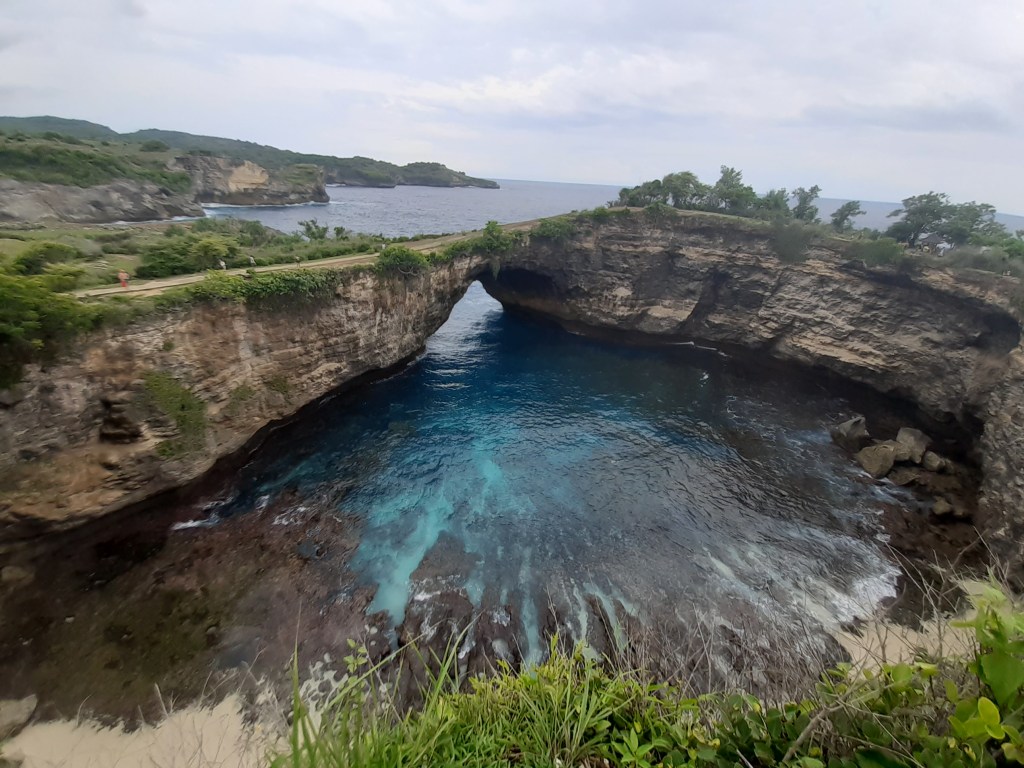
Broken Beach to the west of the island was a particular highlight, where the colours of the sea contrasted with the sheer rocky face. Quieter than many other locations, we could travel the circumference and take in the natural formation.

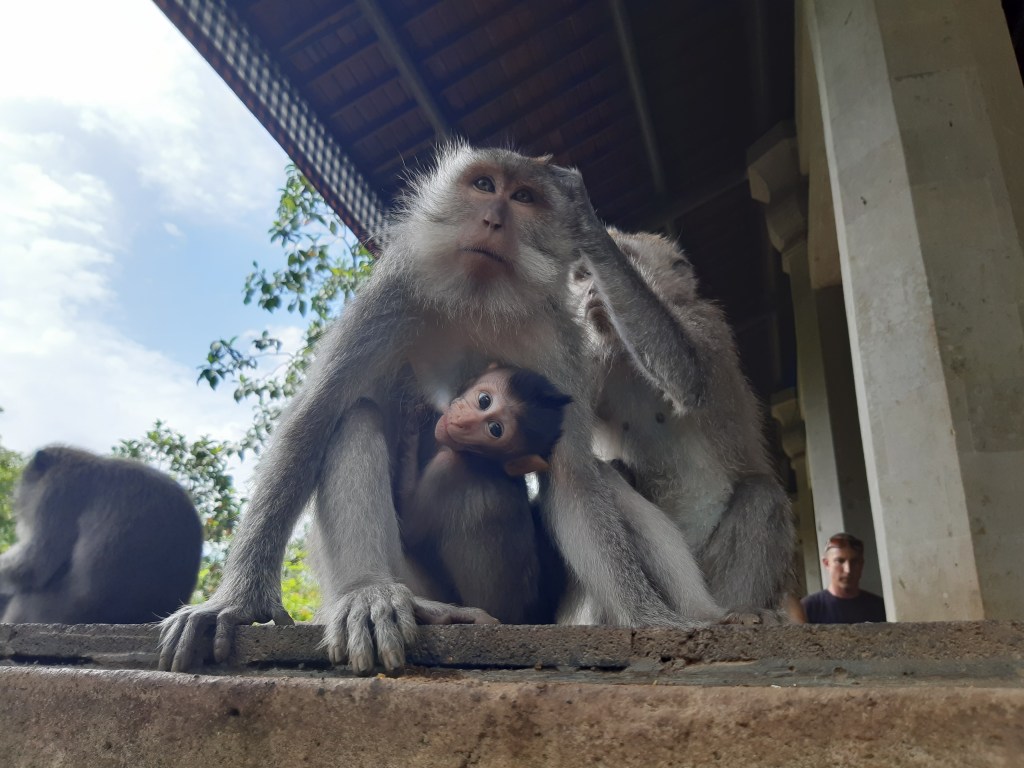
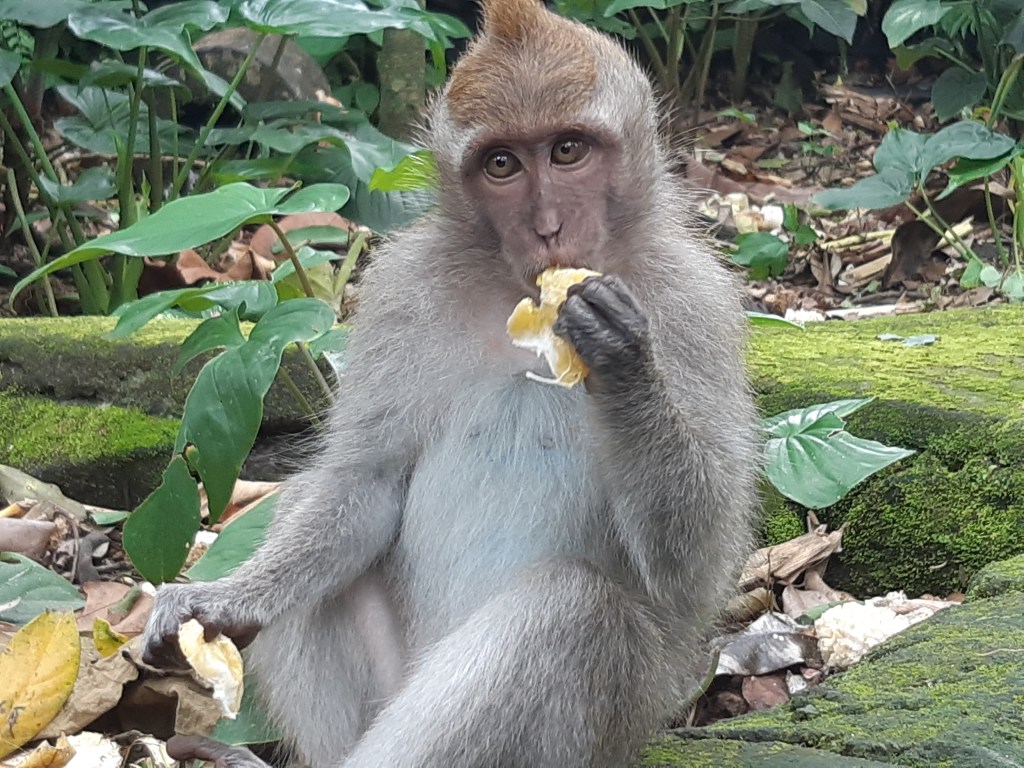
Another popular (but enjoyable!) trip was the Monkey Forest in Ubud. The forest is filled with macaques, which were intense by funny. They were adept at opening backpacks and taking food (or the wallet of some poor guy). I had one cling to the straps off my bag and clamber up my legs. Advertised as a location where the endangered macaques act as “they would in the wild”, I do not think it quite lives up to the claim. It was significantly in much better condition than all other animal attractions I had been warned against. I certainly wouldn’t recommend a visit to any zoo in Jakarta.

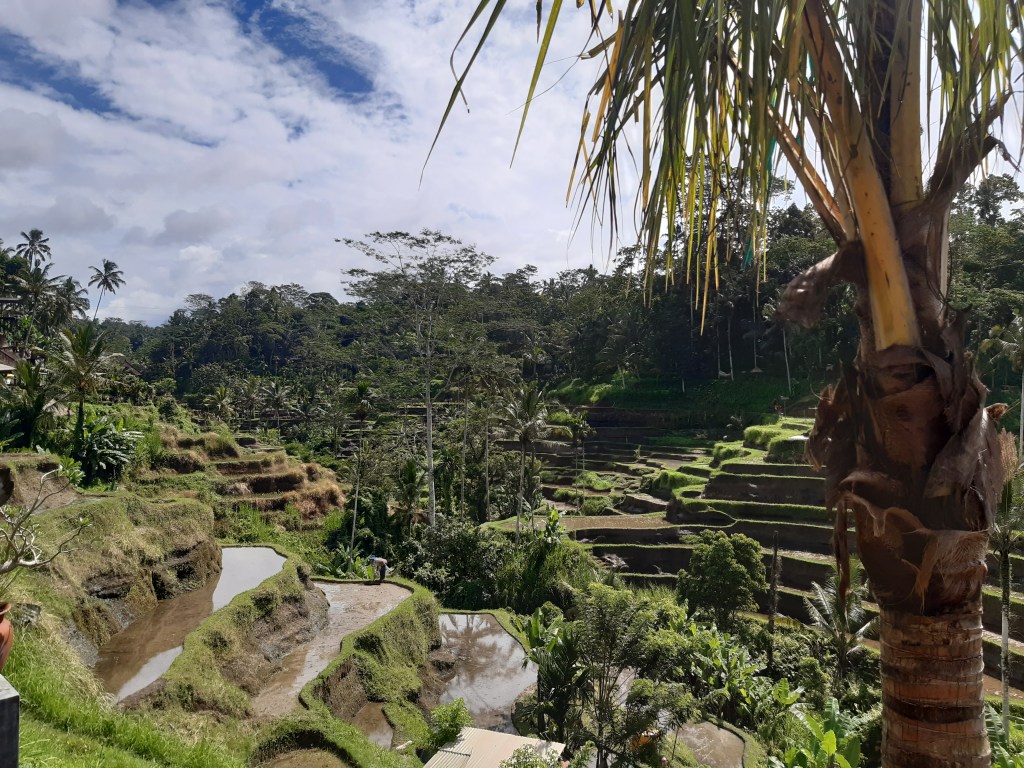
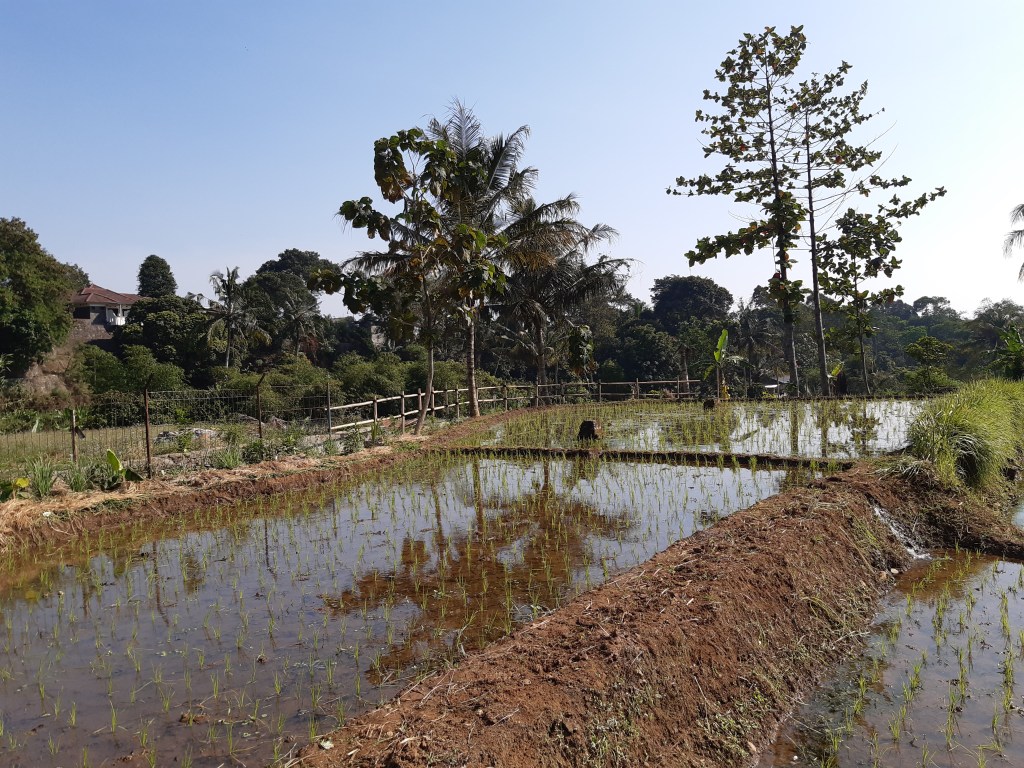
A *motorised* bike ride around the surrounding areas meant we could see the famous rice fields including the renown Tegalalang Rice Terrace. Riding through fields with stalks as tall as me (not a high bar) is certainly not something I can do back in Australia!

Our guides also provided some information about Hindu traditions such as burial rituals. This process usually involves burial of the deceased until such a time when many can be publicly cremated. They also provided some first-hand details of what this looked like…

I definitely had to reconsider my opinions on Bali. While it was overcrowded with tourists – despite the emergence of COVID-19 and travel restrictions from China reducing the numbers – there are some beautiful locations that many care deeply about and strive to protect in the face of plastic pollution and changing conditions.

Trails of Tasmania

Part 1

To start off with, Tasmania has the cleanest air in the world. I could go on about cleansing the mind and soul…but really it’s just damn fun to explore the state.

Luckily, most of Australia overlooks the island to the south making it much less crowded, especially when comparing Hobart to Sydney. Having a friend who lives there gives me a great excuse to visit whenever I can. The relatively short distances mean most destinations are in easy reach with a hire car or Wicked Van if you dare.

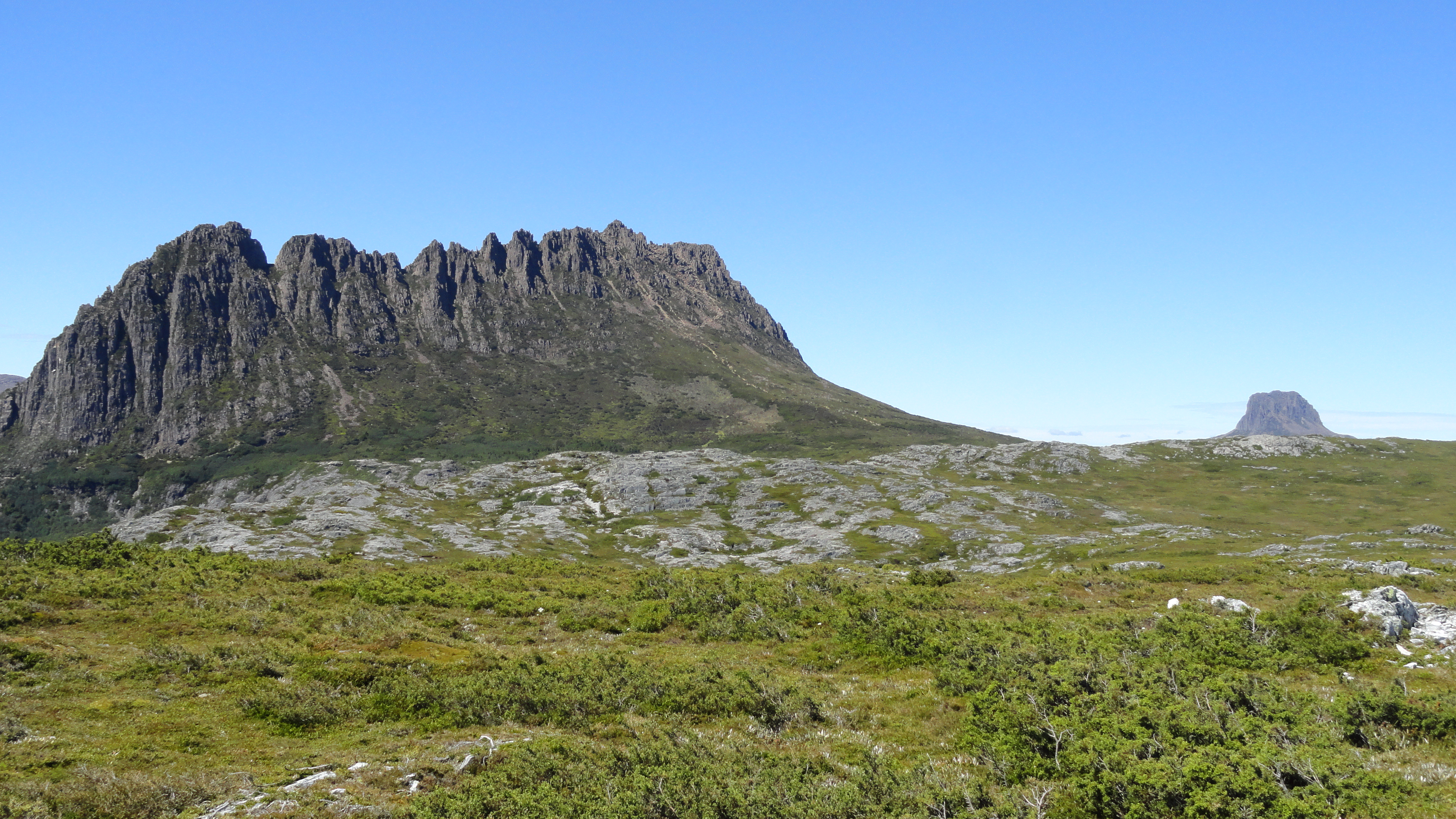
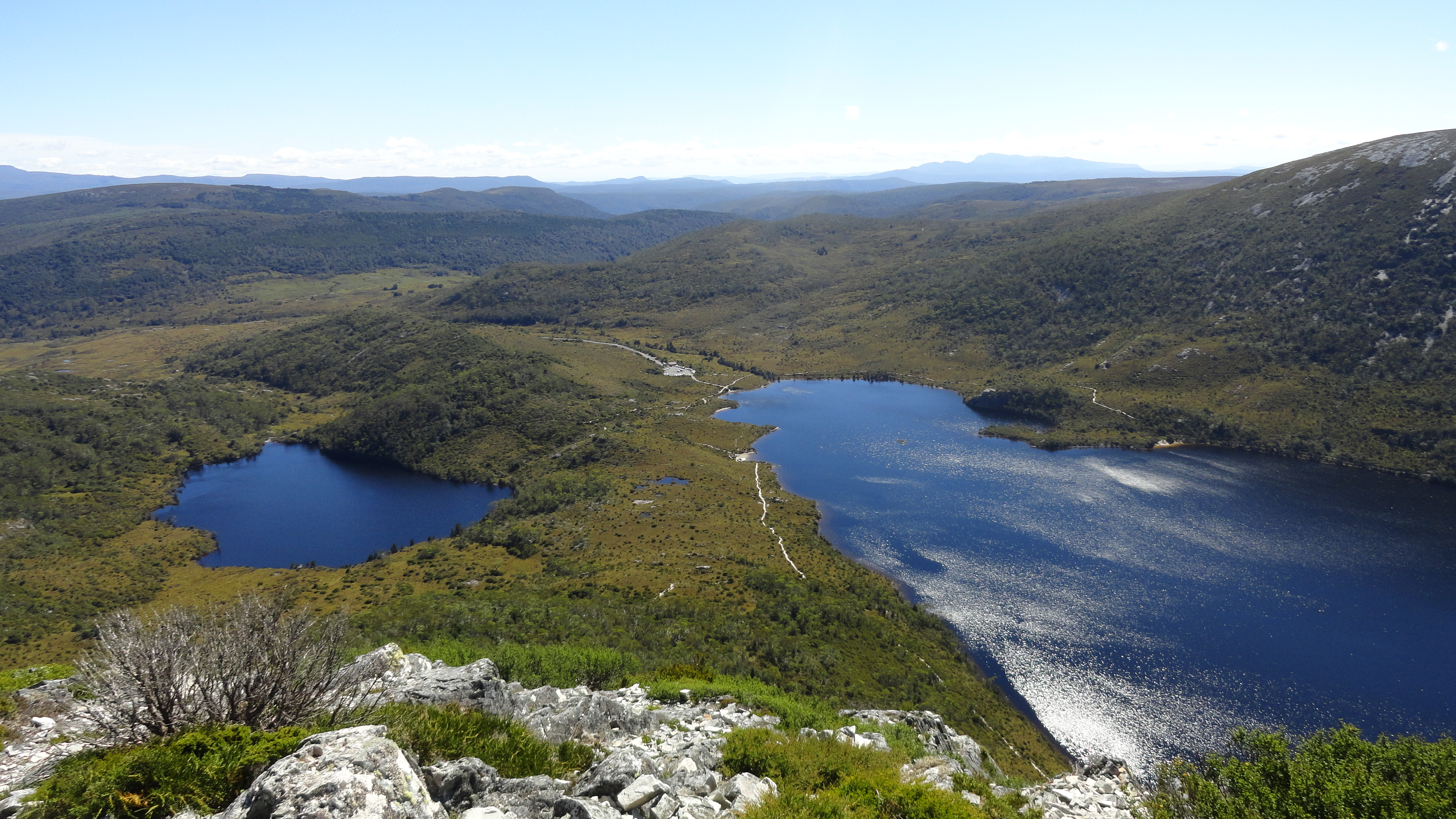
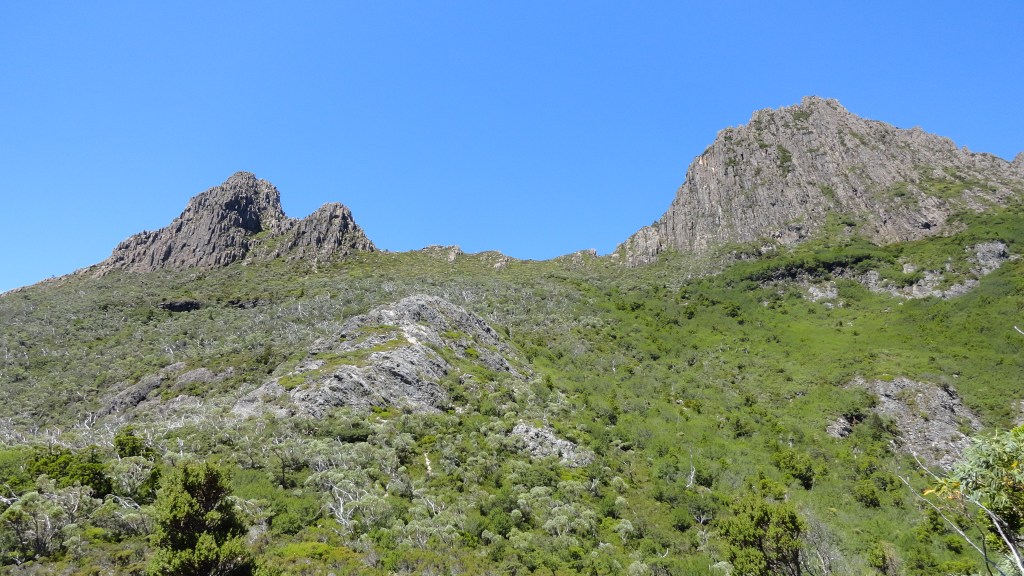
On our first trip, we took a hire car and headed straight to Cradle Mountain. We were beyond lucky to experience the best it had to offer- crisp blue skies with cool weather that made the sometimes strenuous walking enjoyable. I only have these pictures to express my joy – show not tell right?

Tasmania feels like a different world. Lush and green, we only had to look down to see wombats, wallabies, and echidnas – a strange experience for a city-sider. Choosing which trails to take was the hardest part about this trip, but we managed to hike from the entrance of the park to just below the peak, and I managed to convince my friend to take the sheer cliff face down (sorry).

We actually clambered down that precipice seen in the middle…

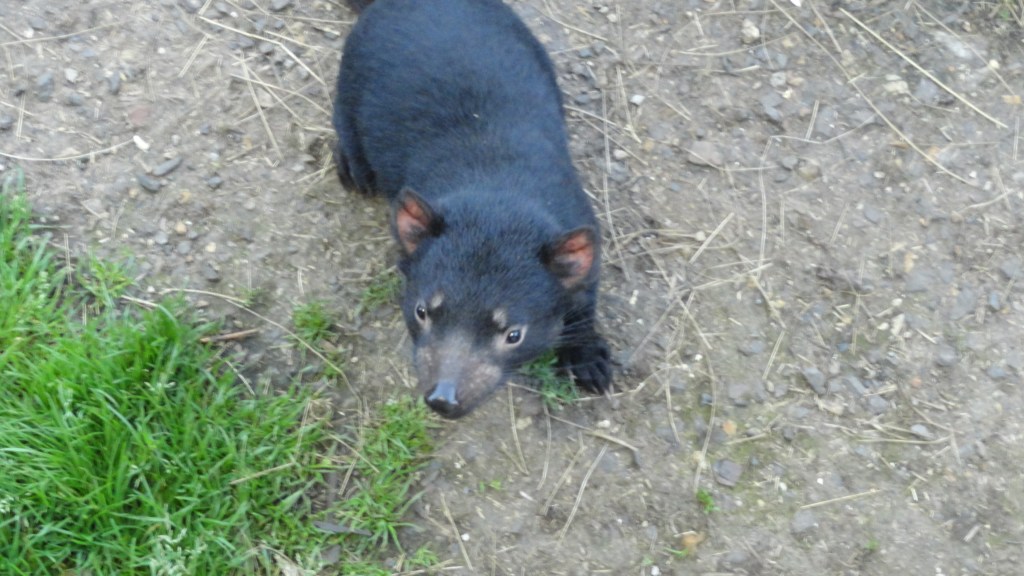
Besides the spectacular walking experience (which I intend to repeat along the Overland Track), we visited the nearby Tasmanian devil sanctuary. This was the first time I had ever seen one. They were gorgeous! Too active for a good photo, they represent the tenacity of Australian wildlife. I was constantly awed by the actions of Tasmanians in the fight for animal welfare and the preservation of Australian wildlife. Our AirBnB near Port Arthur was actually a small wombat sanctuary. The owner rented out a room and the profits from which supported her wombat rehabilitation program. They often stayed inside the house.

To have a wombat hang around my feet while I cooked dinner was the best (don’t tell my dogs).

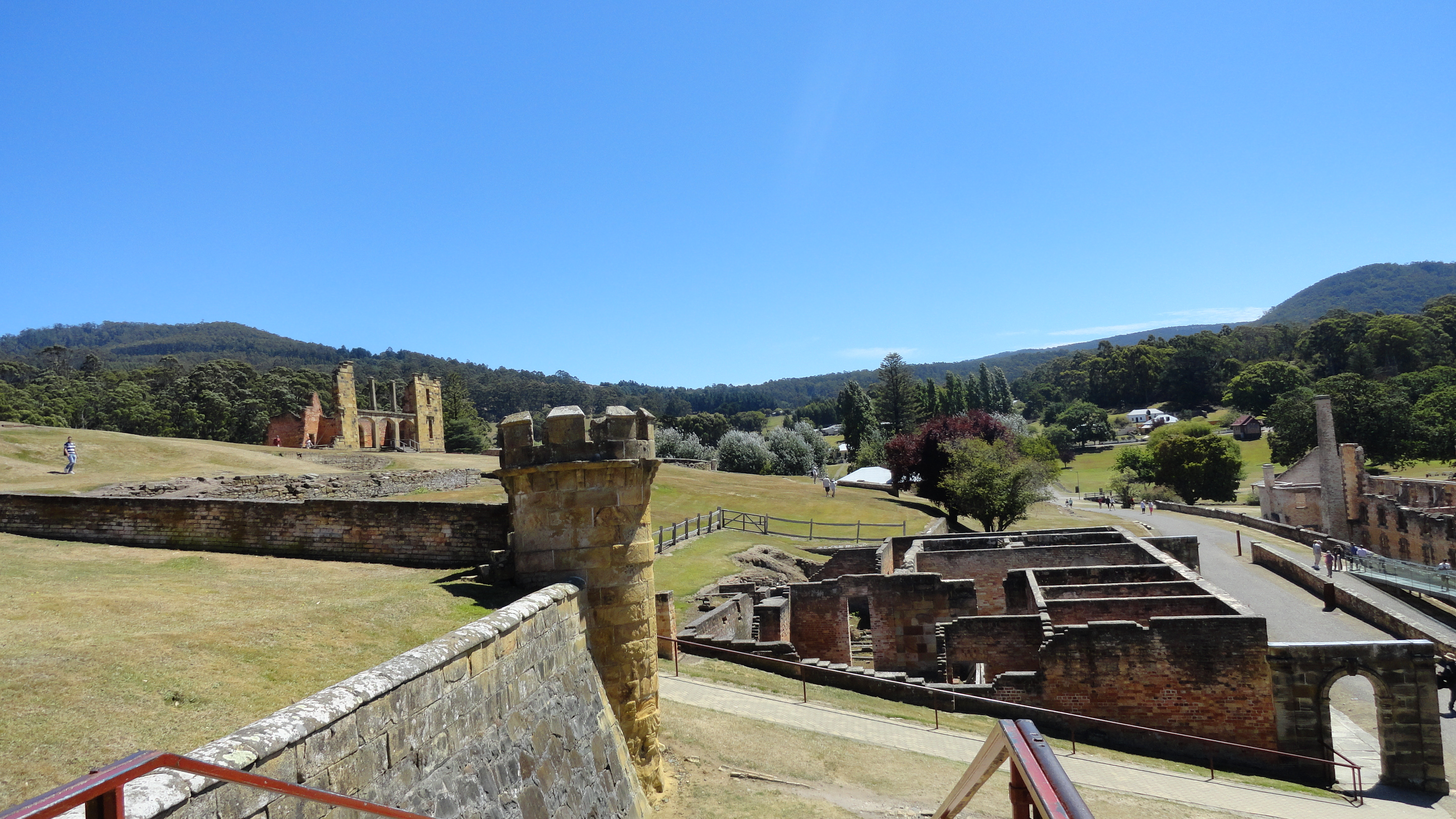
Port Arthur was next. Traditionally occupied by the Pydairrerme peoples, it was a penal colony created in the 18th century, it housed the worst of the worst, and they were treated as such. While the treatment convicts received would violate any standards of decency we have today, the violence and disease rendered on the Pydairrerme peoples living there was catastrophic.

Currently a UNESCO world heritage site, Port Arthur Historic Site is the best preserved convict site in Australia, and displays the actions taken by early settlers in stark detail (further supported by well placed speakers and ghost tours for extra effect).

It is also known for the 1996 massacre – the event that triggered the enforcement of Australia’s current gun laws. 35 people were killed and 23 injured, with the national repercussions for gun owners.

Tasmania is rich in history, much of which is not even recognised. The land, peoples, and nature all have their own story to tell – we just need to listen.

Bandung

Where I finally found some coffee

It takes around 3 hours by train to travel between Jakarta and Bandung, a city towards the west of Java. It follows a track that escapes the capital, transporting passengers over rice fields, around mountains, and to a city quite different to its eastern counterpart.

It is cooler here, without the oppressing humidity and smog of Jakarta. The air is cleaner, and there are even sidewalks for pedestrians in most parts. The motorbikes and cars are almost as prolific. It is a city known for its colonial Dutch architecture and food, as well as its prominent universities, cheap fashion shops, and tourist attractions. There is a large youth population which contributes to its reputation as being a modern, elegant city.

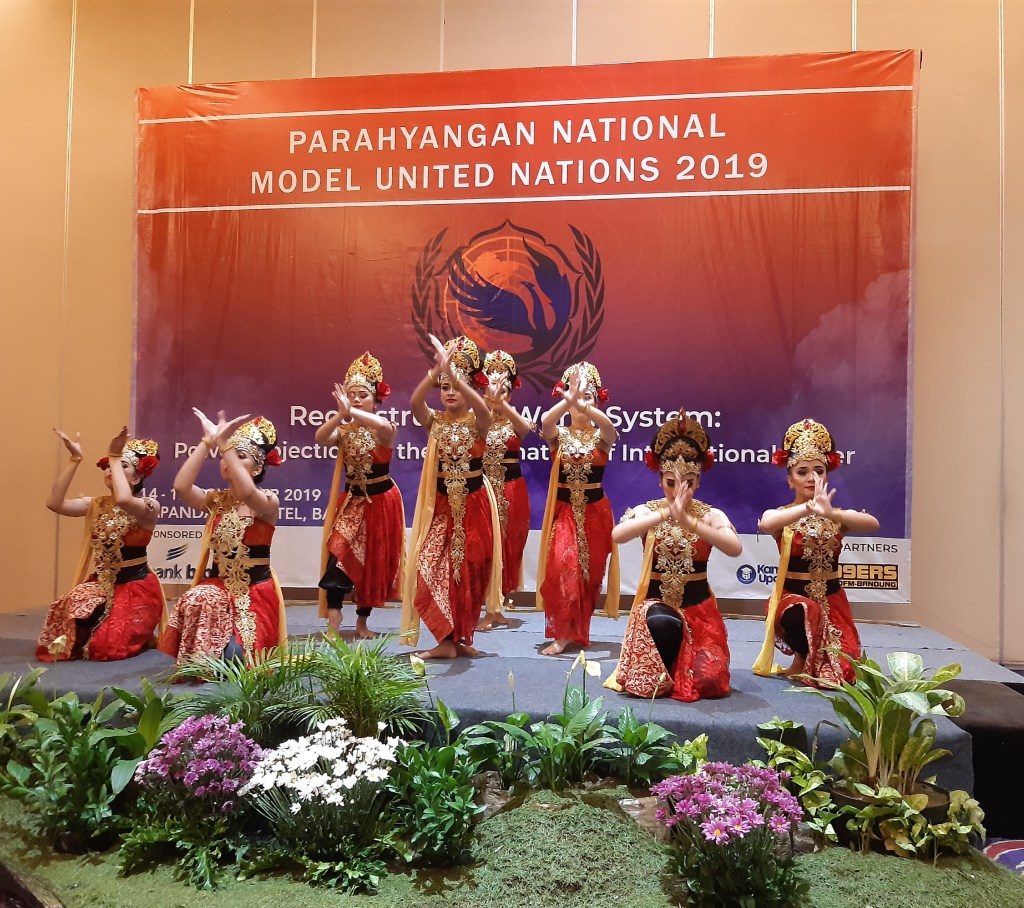
I came here for a brief work commitment and a weekend getaway. I had the opportunity to represent the office that I worked in – the United Nations Information Centre – at a Model United Nations hosted by Parahyangan University (I had to practise the name several times). Speaking in front of students from Indonesia and overseas, I got to experience the dedication many have to learning about foreign systems and developing their own skills to participate in the change occurring around us. These are opportunities for youth to discuss the issues that matter most to them, and present their unique perspective on current affairs.

Speaking with local literature organisations was another highlight of the visit. My role involved the creation of the Sustainable Development Goals Book Club in Indonesia. Based on the international initiative, I was responsible for reaching out to Indonesian organisations and authors to create a program that represented the stories of Indonesian connections to the SDGs. Stories that reflected responses to climate change, acceptance of all peoples, and female empowerment are only some of the values explored. Relating these to Indonesian materials meant that young children could learn using familiar languages and themes.

Promoting the initiative meant that I could connect local libraries with the UN office, and created an avenue where children could engage directly with the program and other initiatives. Meeting local leaders was inspiring as I learnt a lot about the dedication so many people have to educating young people.

Finally- the mini holiday! From my fancy hotel provided by the university, I switched to a backpackers’ hostel for less than $10/night (and I got an entire room to myself!). From here I visited the local food markets, with dishes such as siomay and batagor that are unique to the region. Exploring the city at my own pace enabled me to relax. Rather than rushing into as many attractions as possible, I chose to café hop across the city, confirming that Bandung does indeed make better coffee than Jakarta. I still missed Australian coffee.

An attraction I did visit was the floating markets in Lembang, the neighbouring city up the road (and by up I mean vertically). I took a gojek (motorbike taxi)…the ride down was much worse but worth it for the views!

While the markets were closed and the gardens were not necessarily a cultural destination, it was great to visit and walk around in the clear blue skies!

I intended to visit again and visit sites such Kawah Putih (White Crater), which is lent its colour by the highly acidic water. But COVID-19 cut short many planned journeys.

Java, and much of Indonesia, is characterised by its highly volcanic environment. It poses a threat for many people but forms a dramatic geography that makes Indonesia truly special.

Singapore

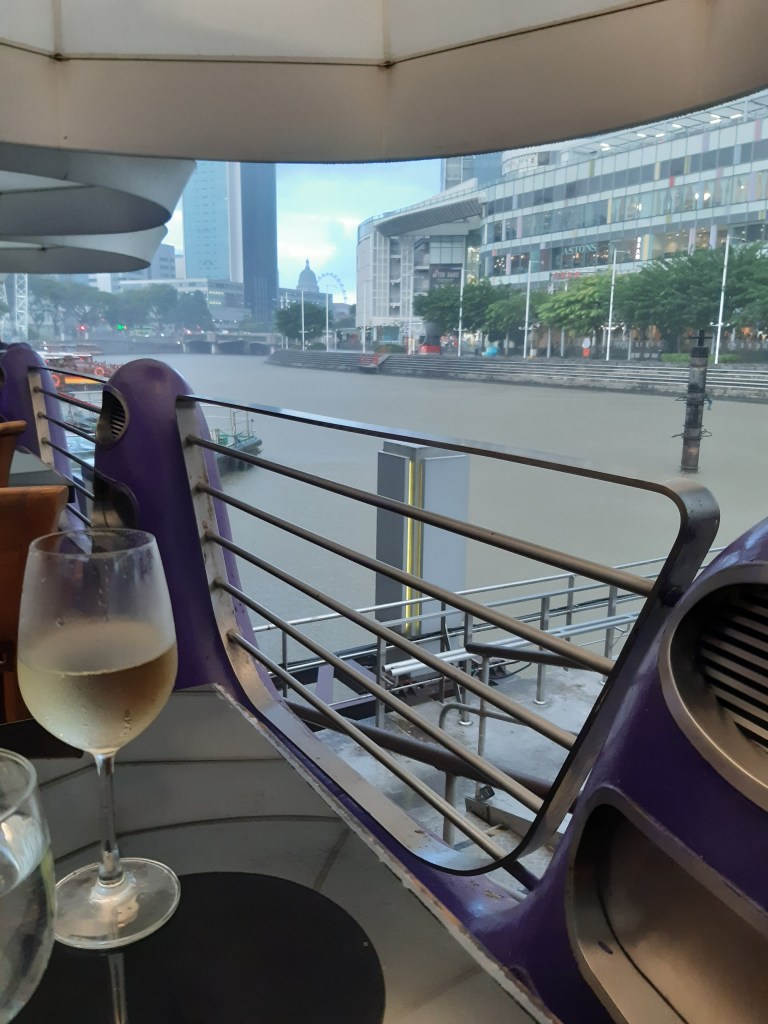
Great for pouring wine, rain, and poor-ing me

After 6 months in Indonesia my visa was due for renewal. This meant we would be sent to Singapore for a day or so to process it. That also meant a mini holiday!

I got to spend almost 5 days in Singapore towards the end of December- adding on the weekend to the 2.5 days it took to process my visa due to the Christmas season.

Despite the warnings there was so much to do in Singapore, I found myself inundated with activities to fill my time. And after 5 months in Jakarta, I was constantly struck by the differences between the two cities.

Where Jakarta was constantly changing- as diverse and energetic as the people who lived there, Singapore offered less traffic and fewer tripping hazards while walking along the streets.

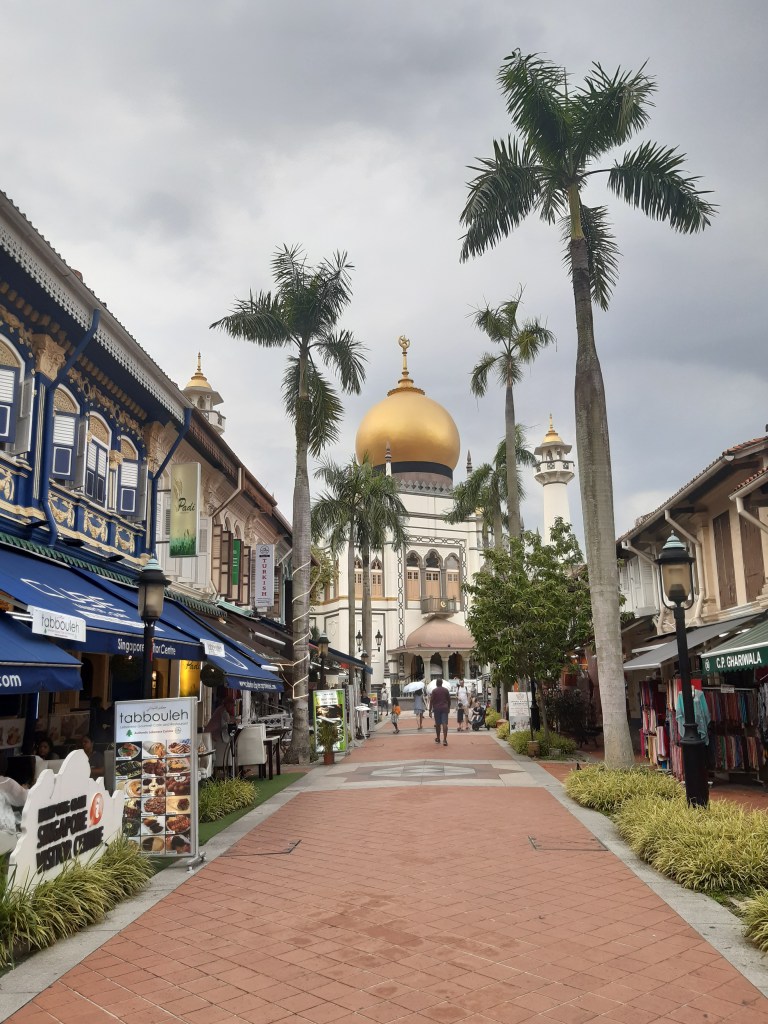
I was lucky enough to have a lodge just north of the Downtown Core, within walking distance to Little India and Arab Street, enclaves of culture where tourists like myself become immersed in the vibrant heritage of the people who claimed the area as trade prospects prospered in the 1800’s. For that was what Singapore was – a colonial trading outpost built by the British, and a trading port for years before that.

The history of Singapore is by no means an area in which I am well read, but colonialism is an integral part of it, and a story they uphold openly on their streets. What makes these areas unique, in my view as an outsider, is their recognition of not only British rule but the impact that subsequent immigration had on the development of Singapore and the lifestyle it offers today. I don’t think Singapore, or any country on the continent of Asia, will ever be rid of the impact of British trade and colonisation, but writing their history with a true account of the people who came before and after enables a depth and strength of culture that few other colonies have been able to reclaim. Recognising people’s stories – with all the good parts and bad – makes us a society founded on respect.

Food of course is a large part of the Singaporean scene, and while Nasi Goreng is fantastic, it was overwhelming to have so many cuisines to choose from. On Arab Street alone there were Turkish, Indonesian, Italian, Lebanese, Indian, French, Chinese, Malaysian and many more restaurants located in the area. I had to get a coffee or two before I could possibly choose what to eat…But food wasn’t cheap! At around AUD $7 per coffee, it was definitely steep compared to Indonesian prices.

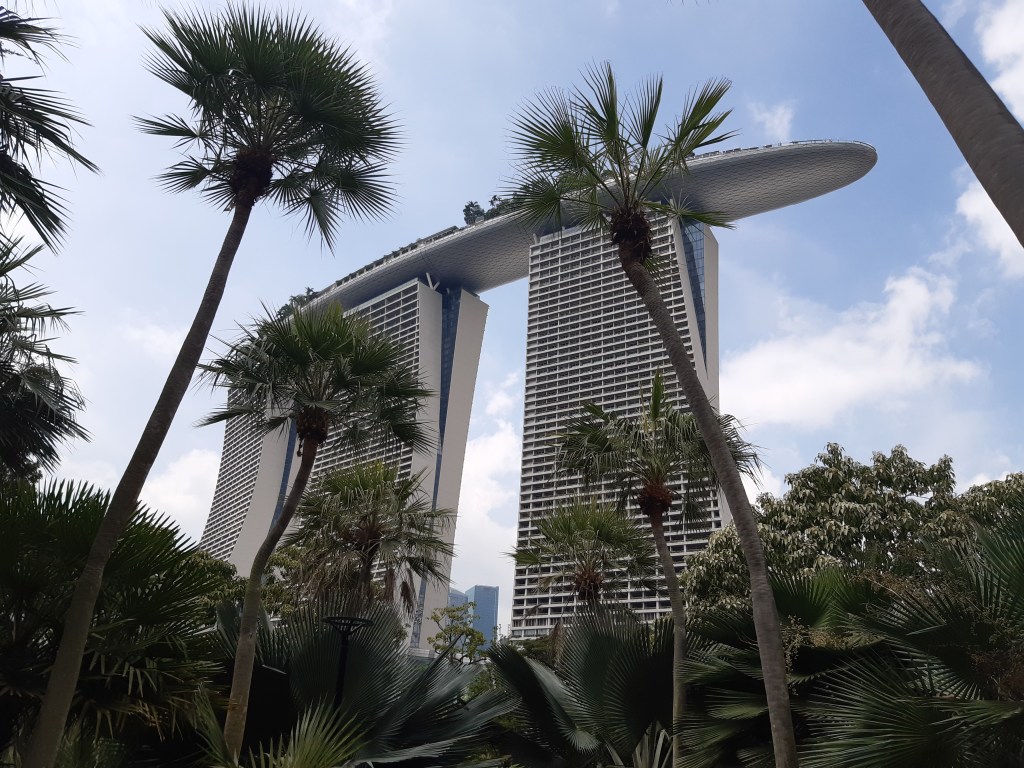
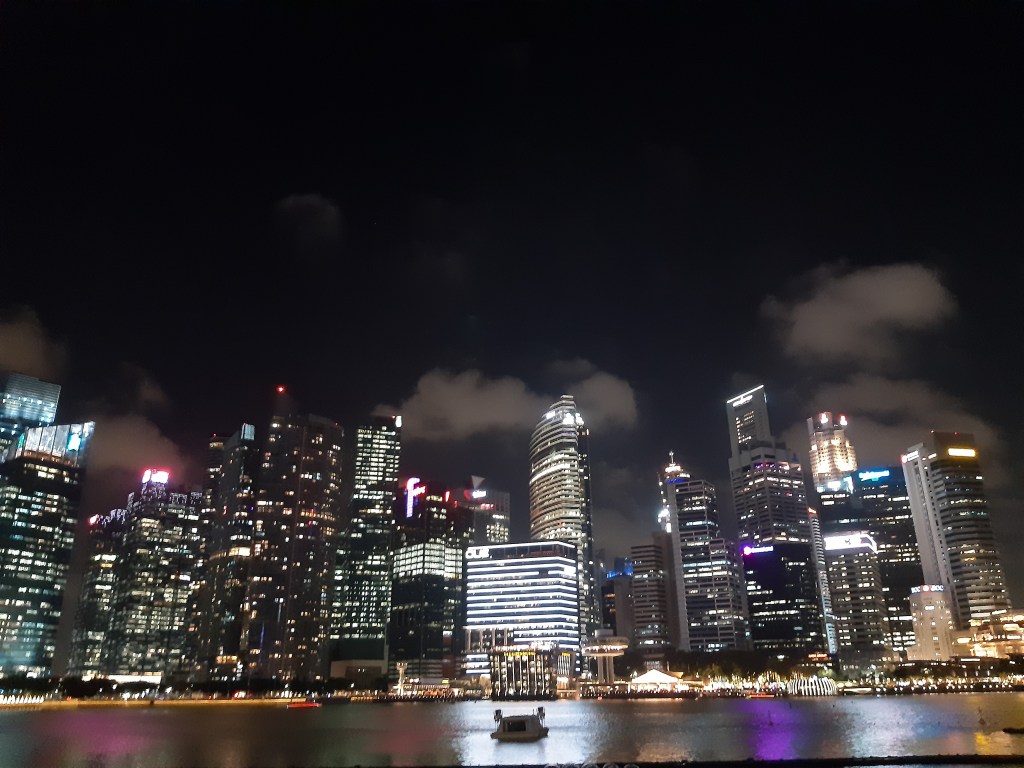
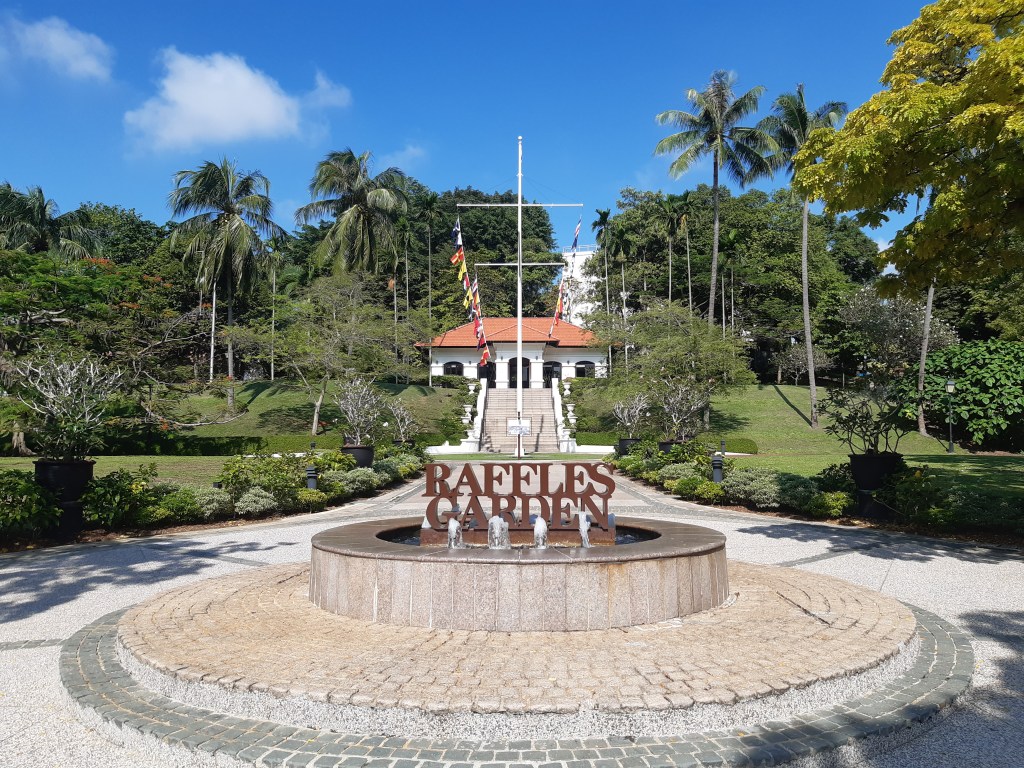
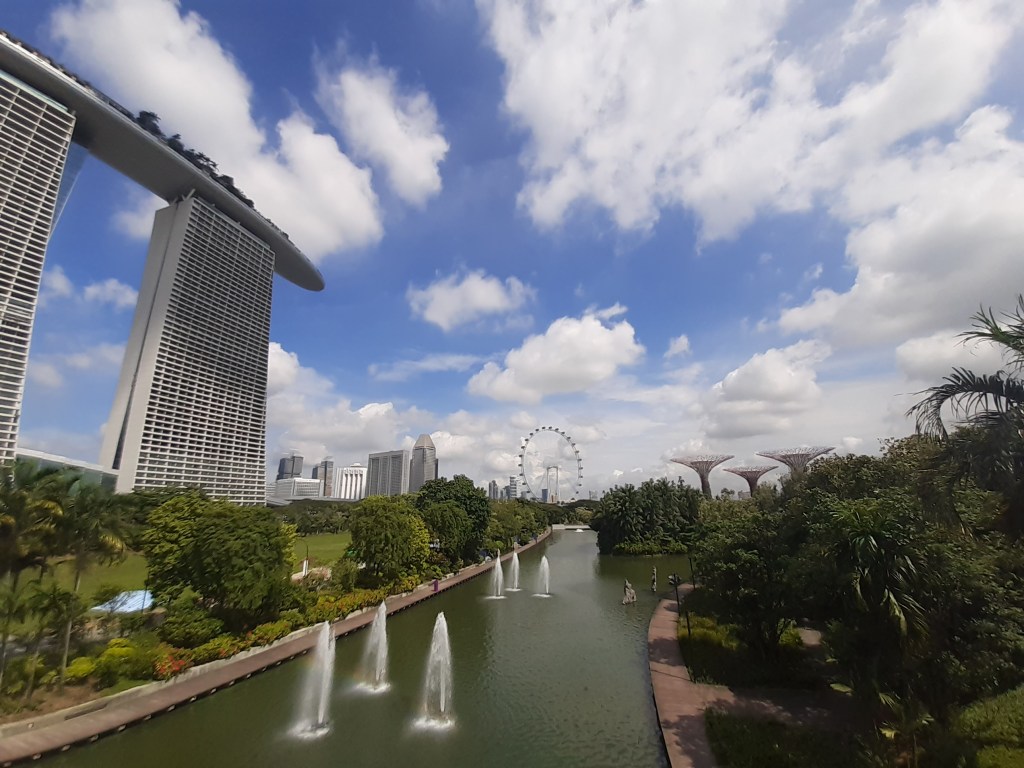
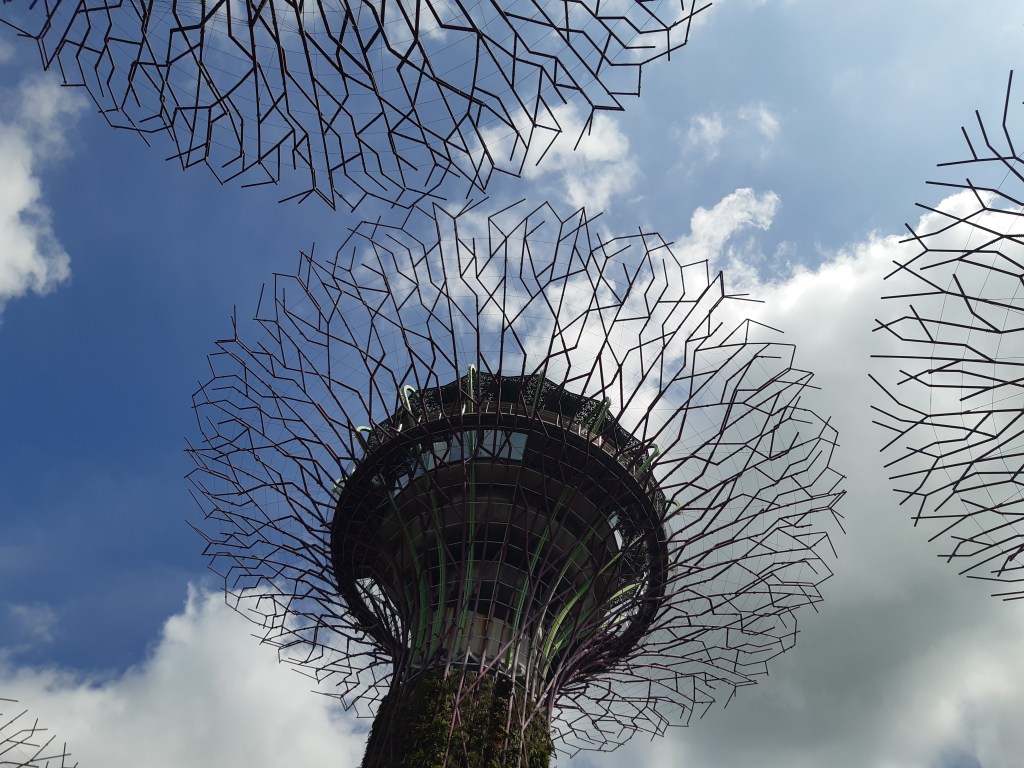
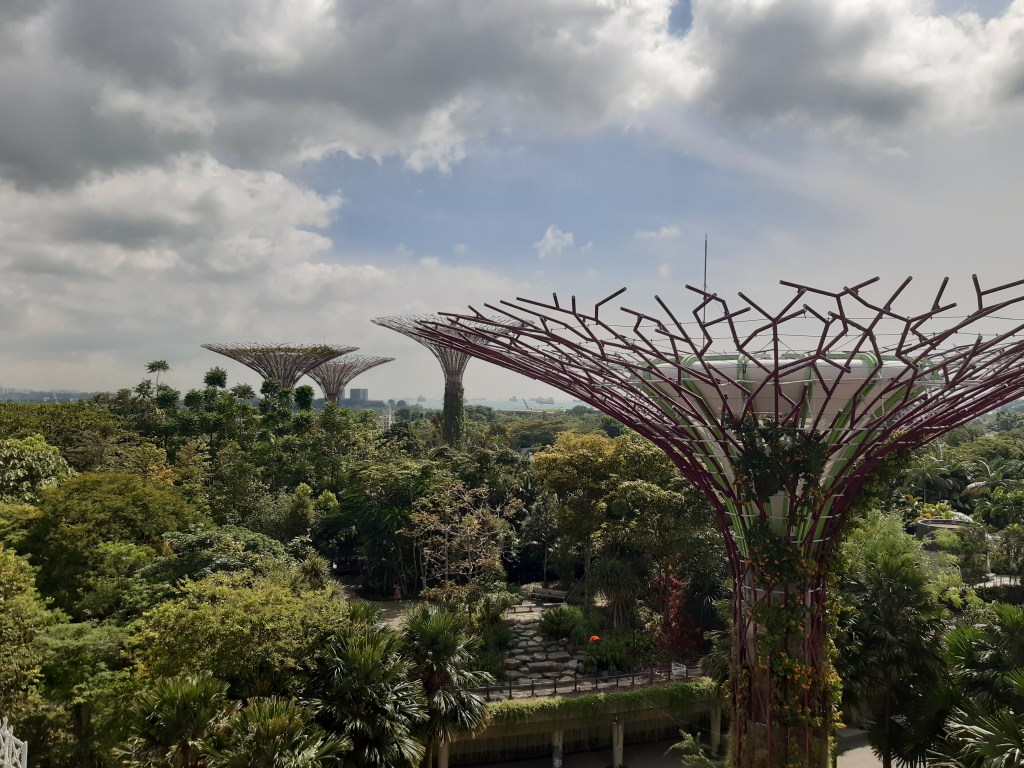
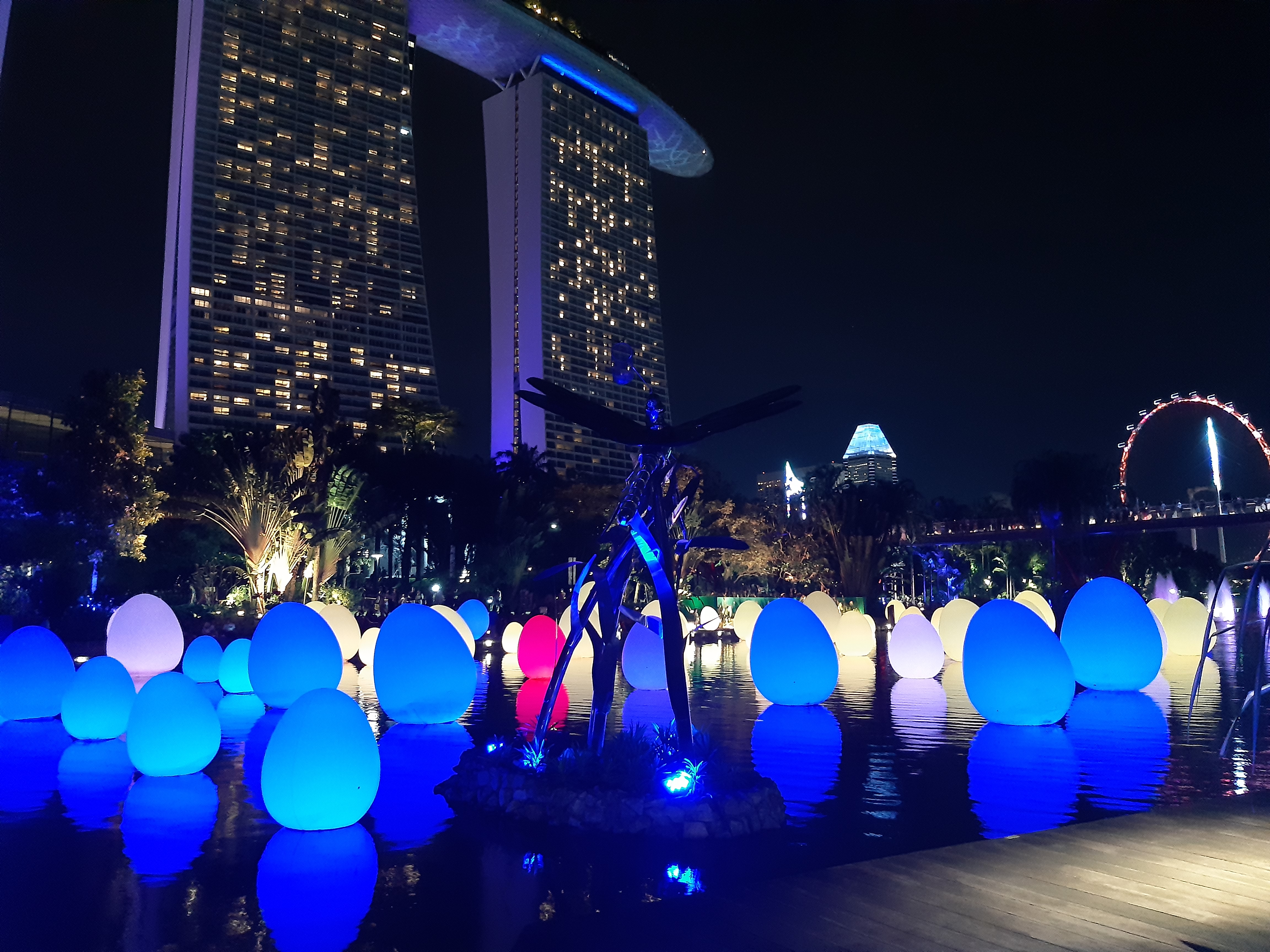
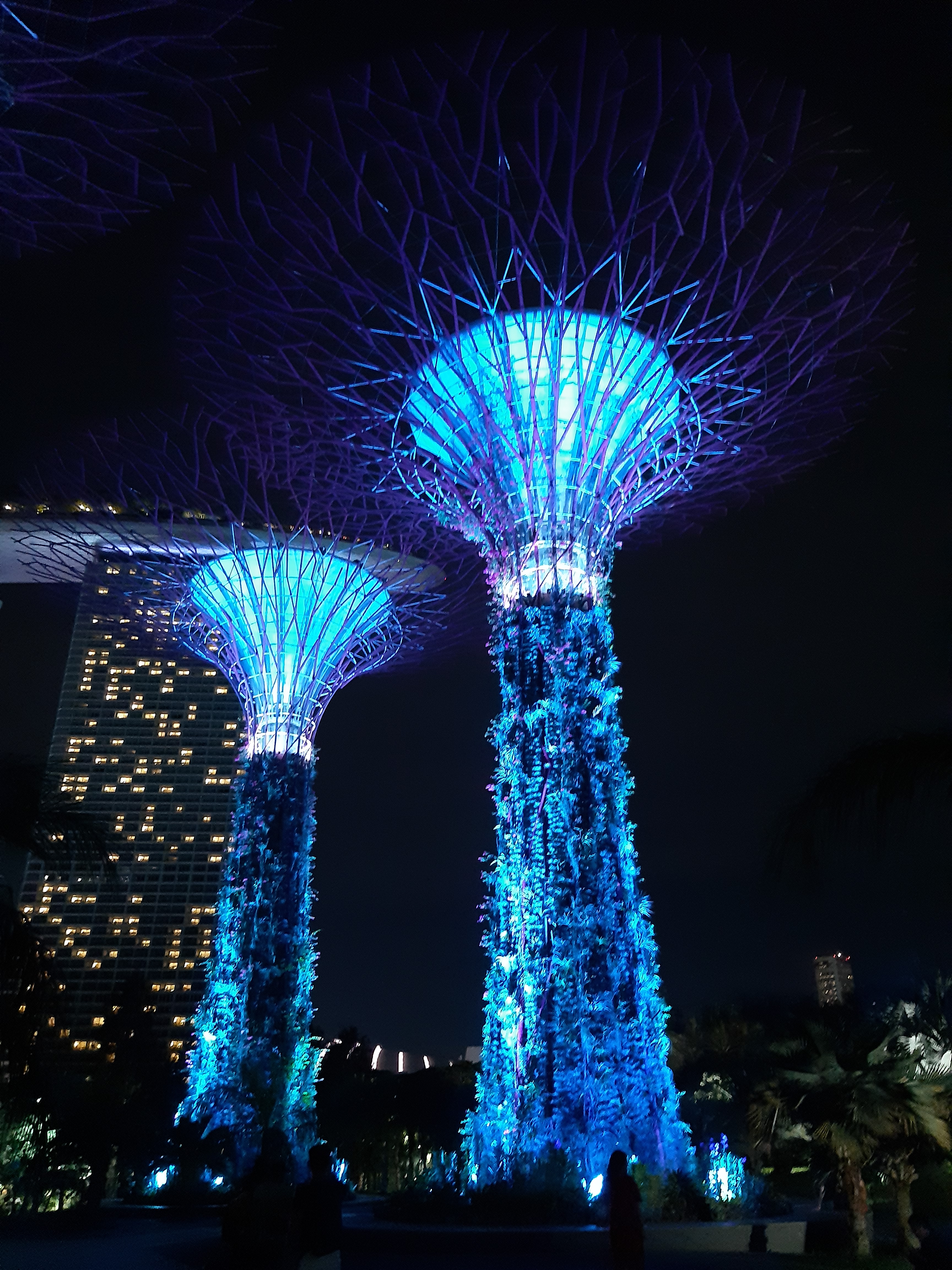
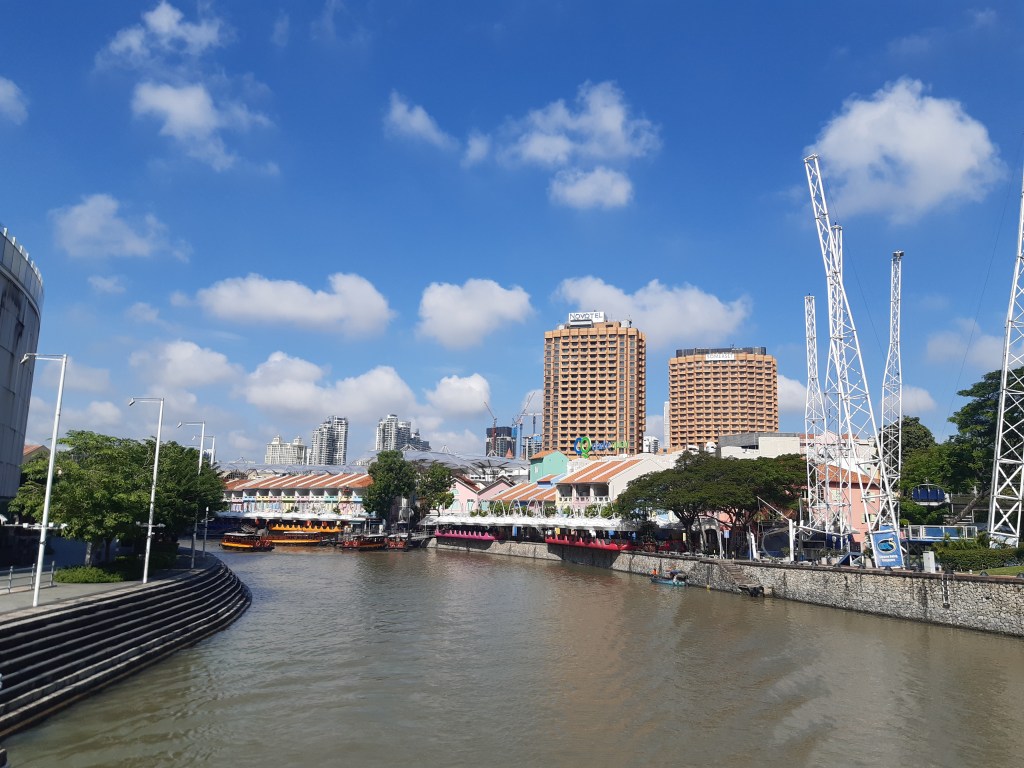
While these two precincts were briefly explored on my first day, the next few days were spent across Marina Bay and the Downtown Core – the main business precinct that includes Clarke Quay. I really enjoyed the Botanic Gardens and Supertree Grove – those iconic mushroom trees in the shadow of Marina Bay Sands Hotel. The night shows in the area are fantastic, and I returned later in the day for a picnic while watching the light displays.

I had secured an MRT card earlier that day, and enjoyed riding the streamlined Metro in the city. I found myself in Orchard Road (whoops) – the major shopping area. With several large malls located along one road, there was plenty of Christmas Spirit to go around. I found some iron on patches to add to my collection on my travel bag and some new sunglasses (thank you duty free). The rest of my exploration was based around the MRT. I would get off at stops like Chinatown and Clarke Quay to explore the area and found it an easy and affordable way to explore the city.

Clarke Quay

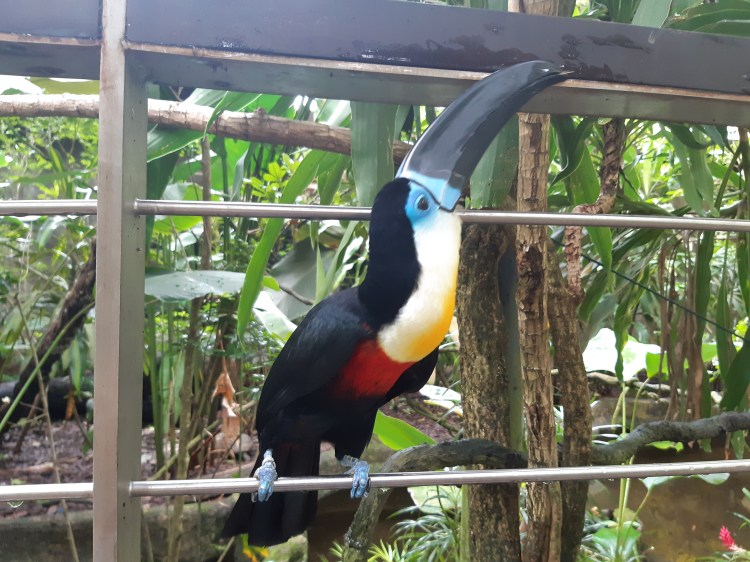
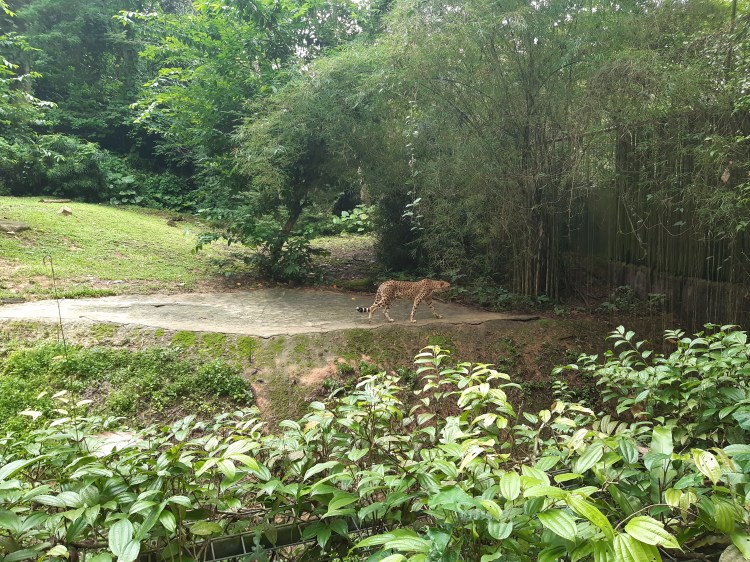
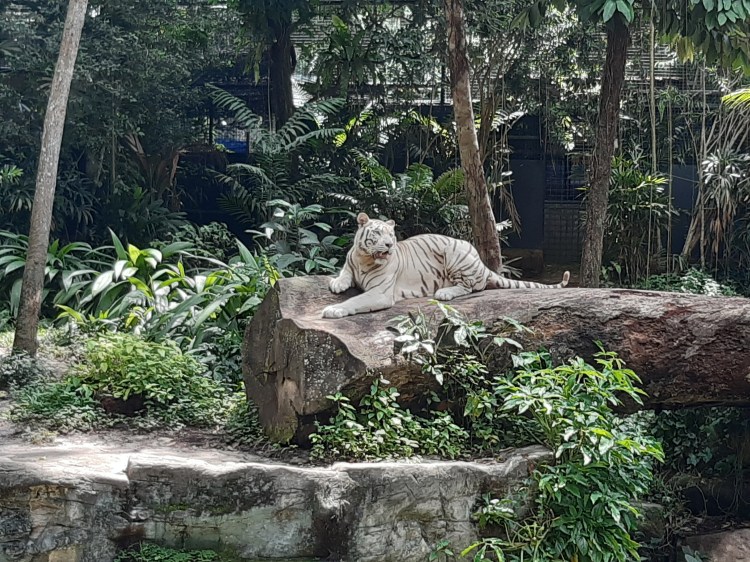
One attraction I was particularly excited for was the Singapore Zoo, which was my on my itinerary for the next day! Of course I took the MRT there, but I was definitely overeager and arrived there just on opening at 8:30…before the animals had really woken up it seemed. It was raining a little which kept the large crowds away, and the inhabitants abed a little longer than usual. The zoo had beautiful African wild dogs, and as tigers are one of my favourite animals I was looking forward to seeing their white tiger.

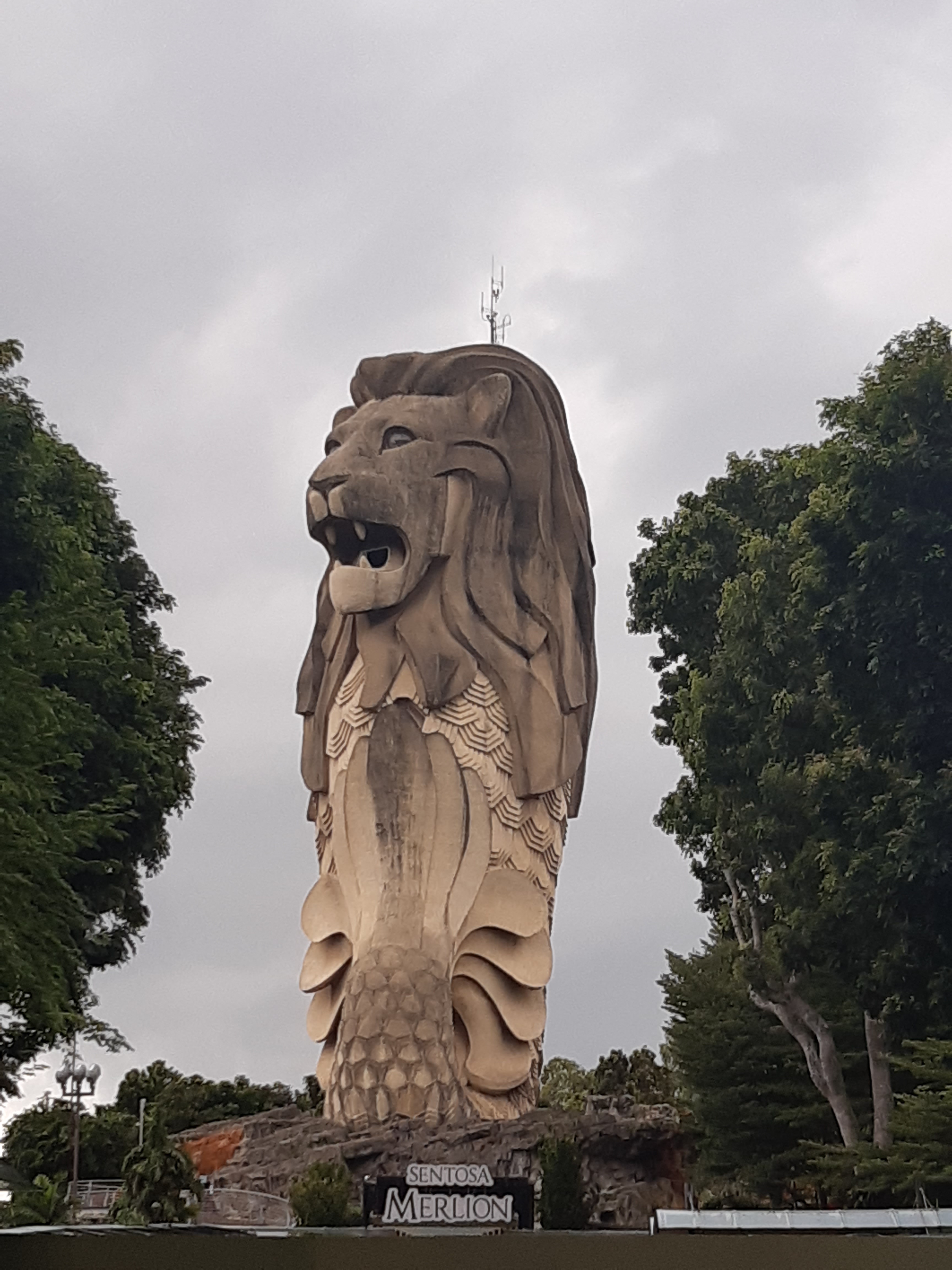
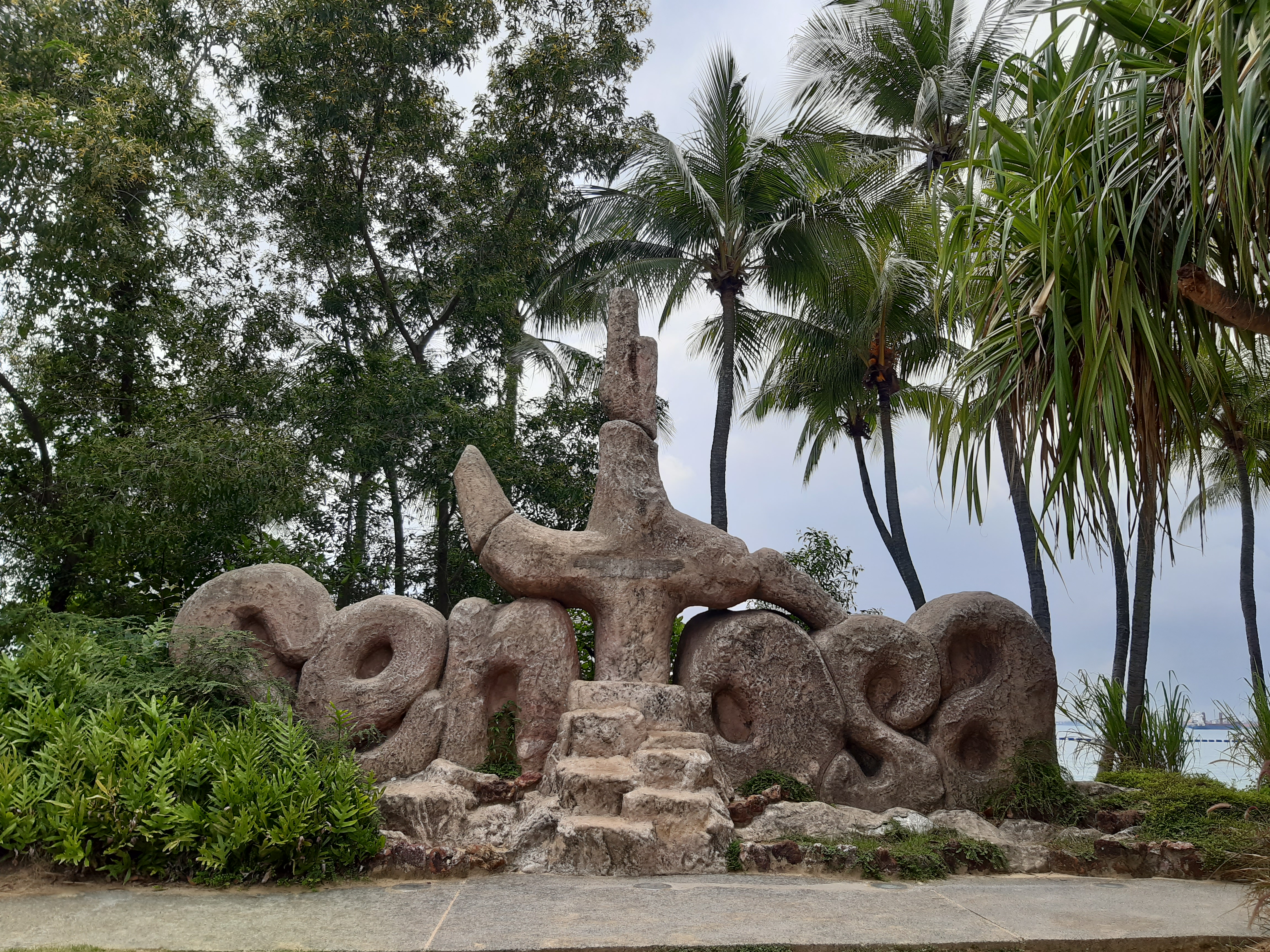
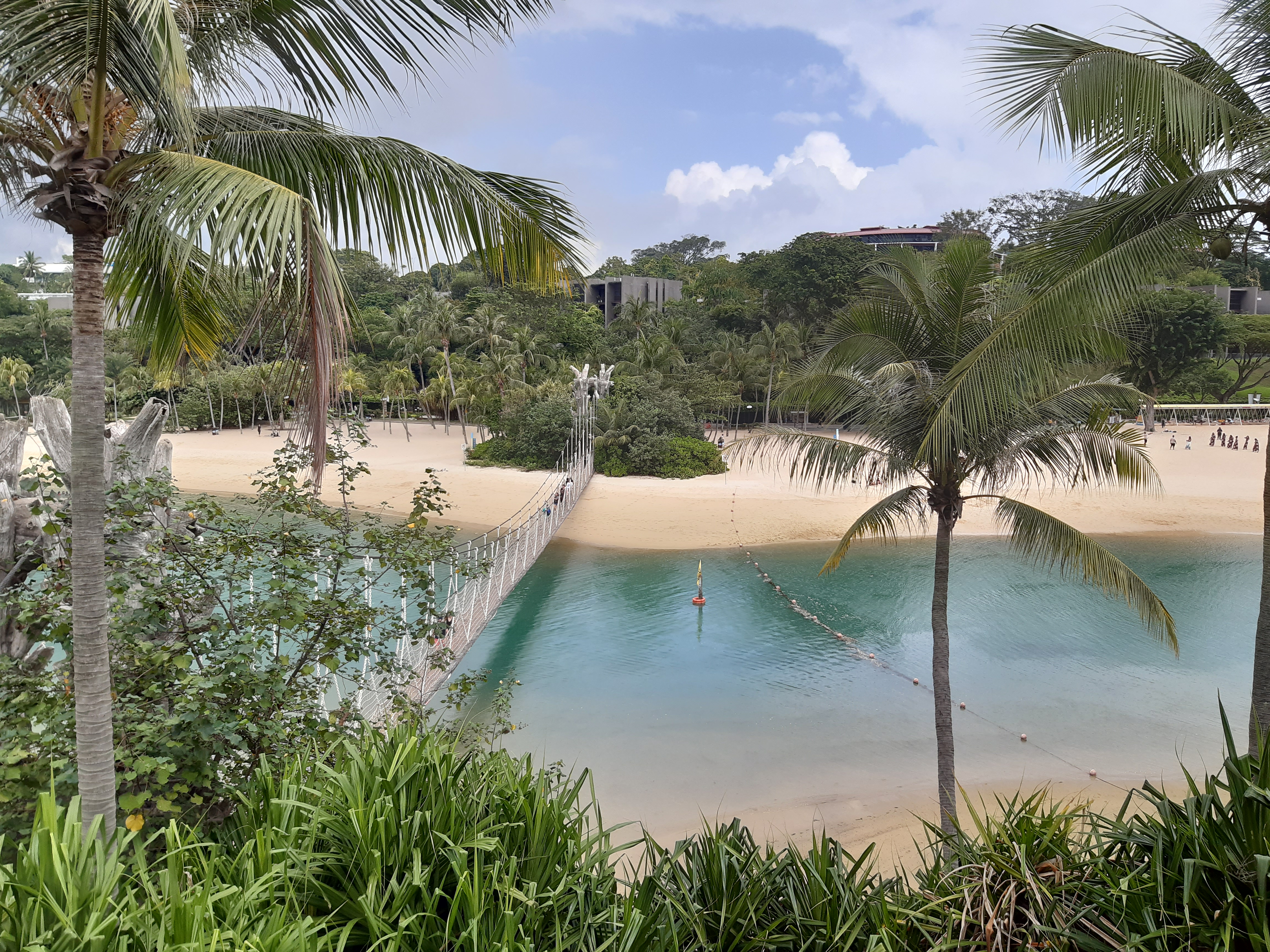
Finally, an unexpected favourite of Singapore was Sentosa Bay, home to the magnificent Merlion. It boasts the southernmost tip of continental Asia…due to the bridges that connect it to the mainland. While the beach is of no comparison to most Australian or Indonesian beaches, it would be a nice place during the dry season.

Singapore may seem ultramodern and without character at first glance, but behind the facade of clean-cut streets and orderly architecture, it is a unique blend of modernity and heritage from all corners of Asia and beyond! It is the third most densely populated country in the world, but at no point at time did it feel overcrowded despite the fact I was there a few days before Christmas (however other holidays such as the Lunar New Year may see a greater influx of people, especially outside of rainy season…). It’s a fantastic place to visit whether you want to pack everything in, or take your time and enjoy luxuries available in very few other countries. Singapore has truly carved its niche in world trade and tourism, with its strength and adaptability founded in multiculturalism and acceptance. Cheers!

A glass of wine in the pouring rain…well worth it!

Pantai Watu Kodok

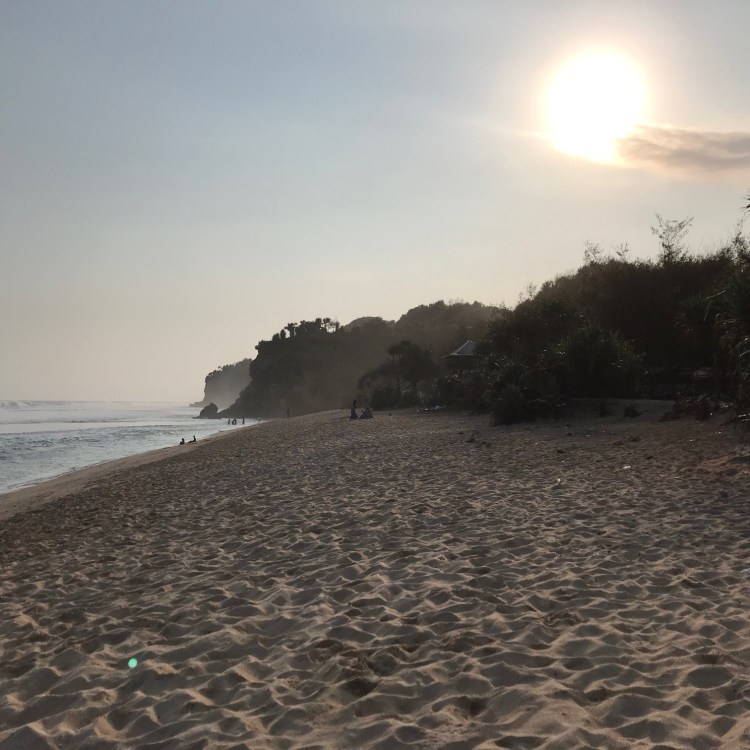
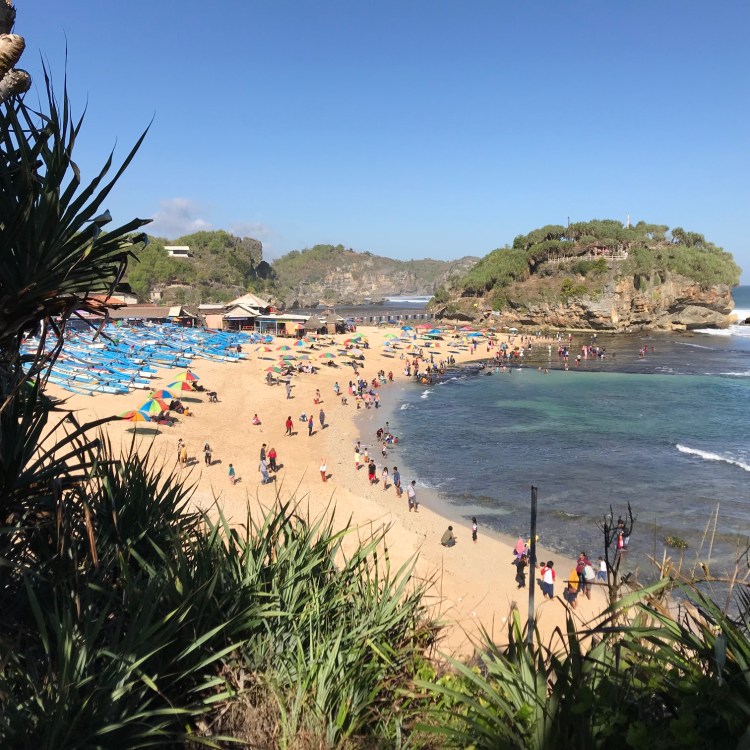
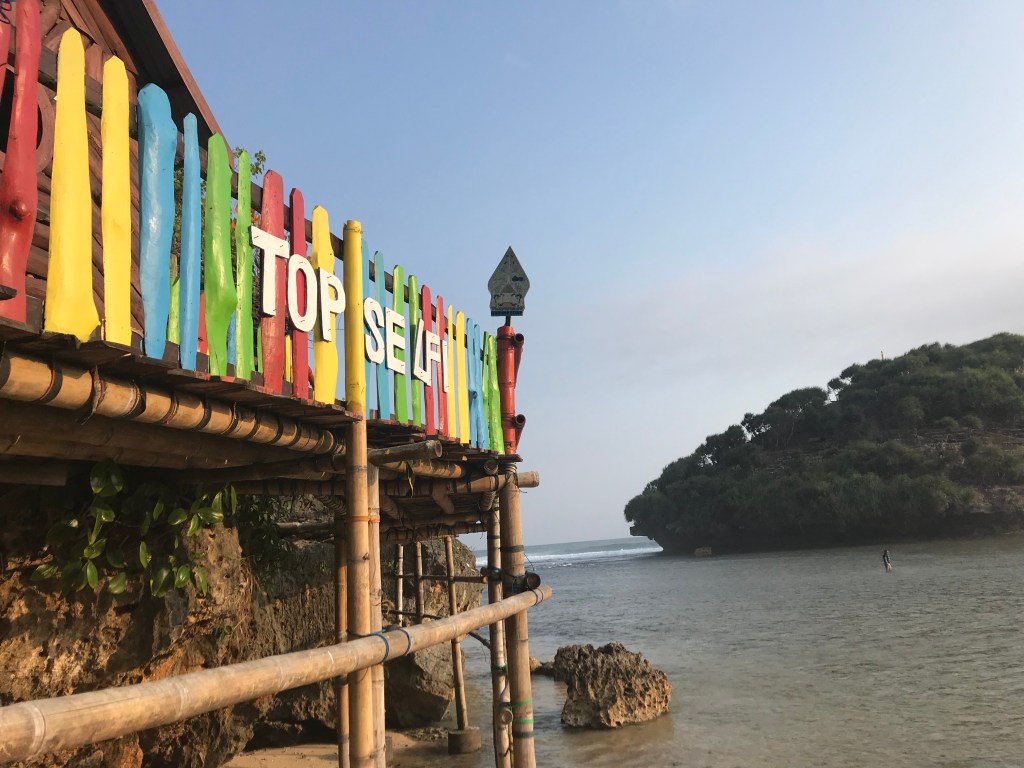
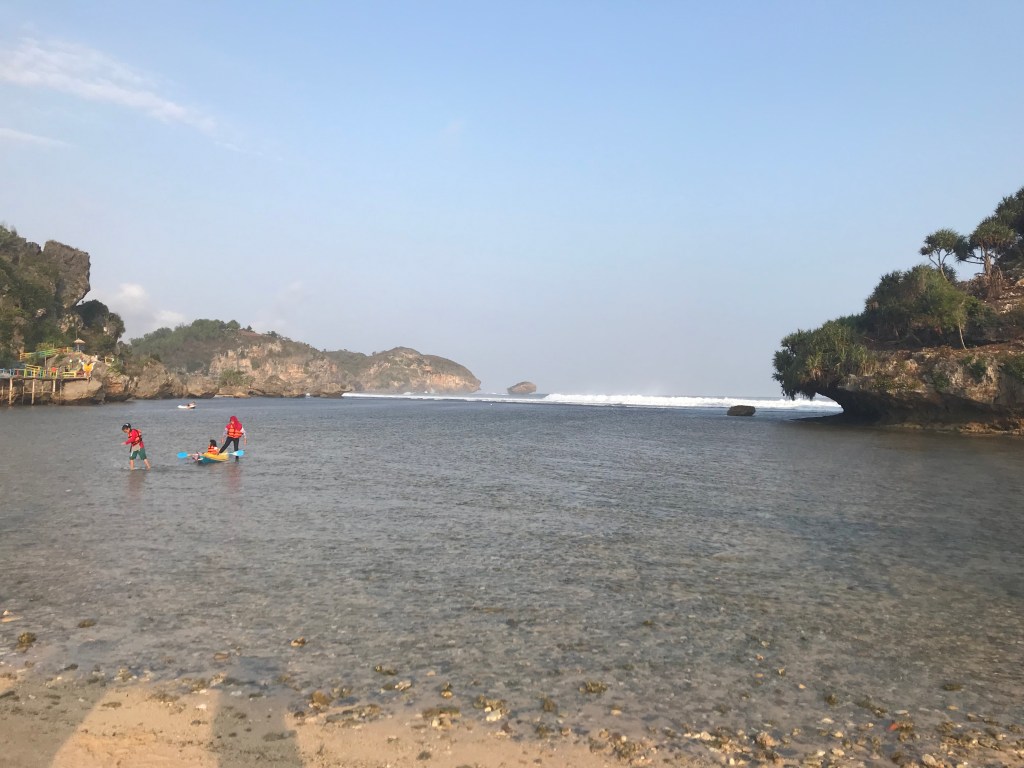
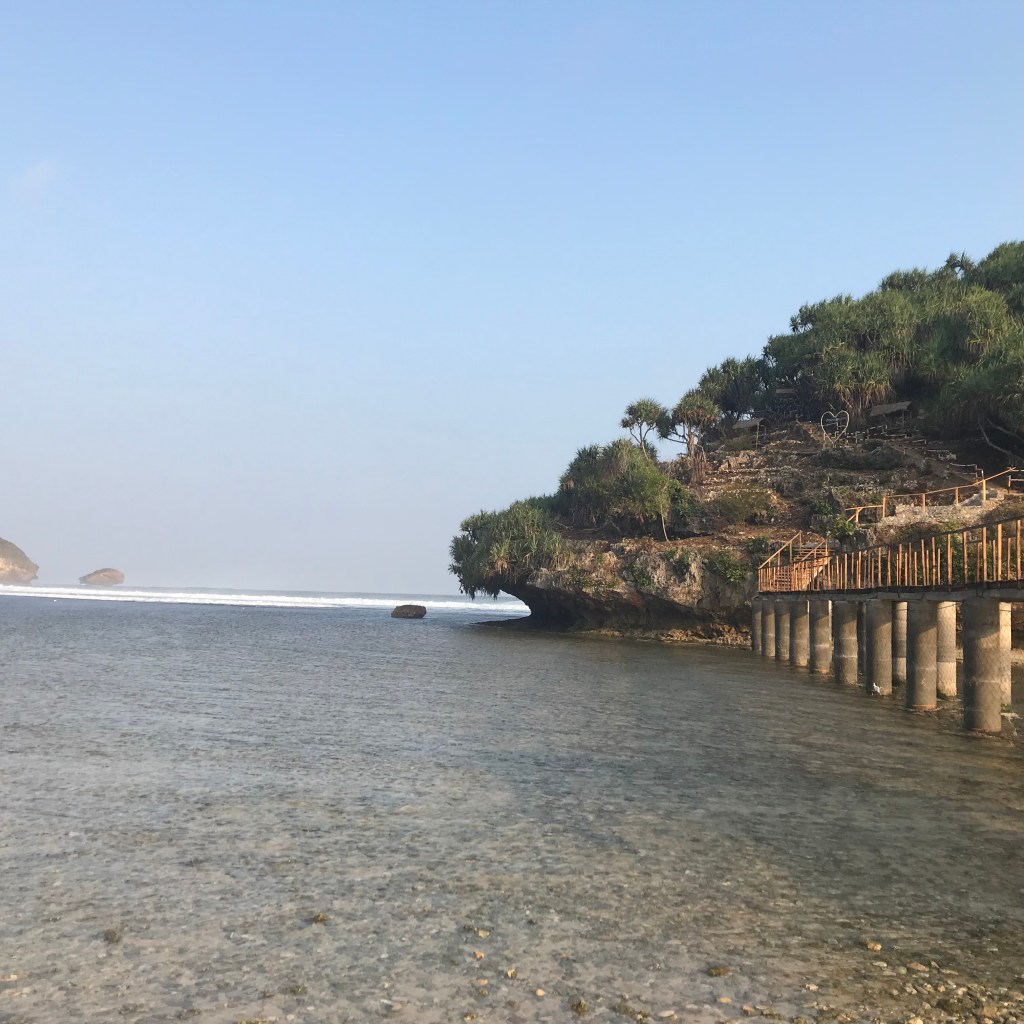
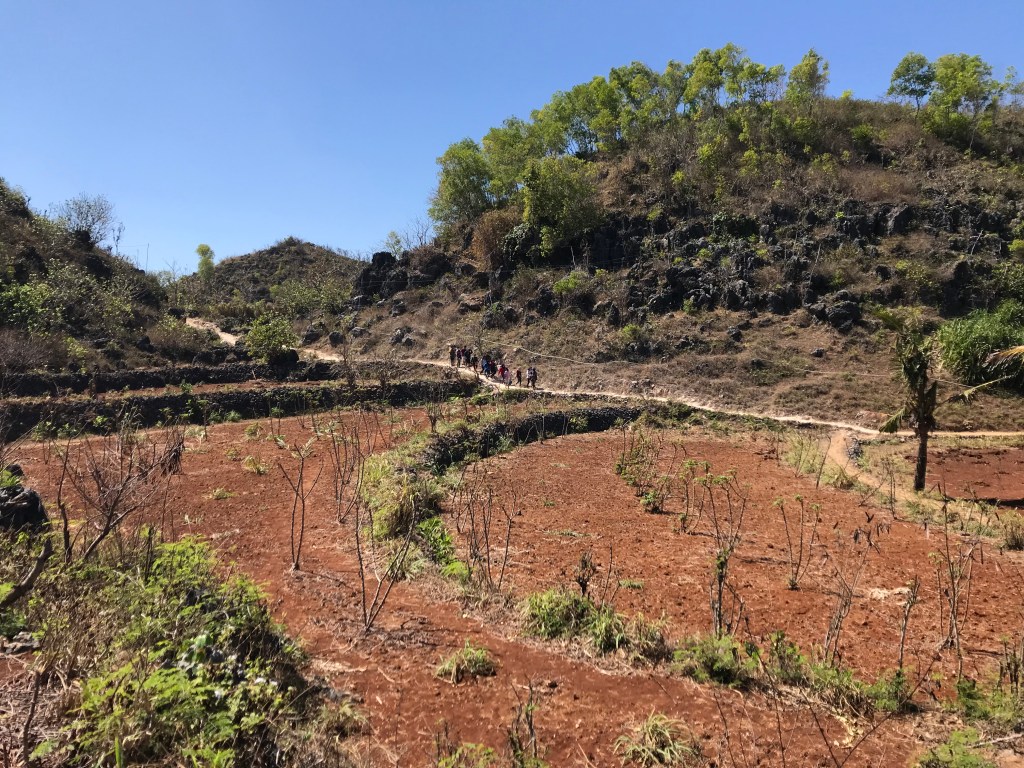
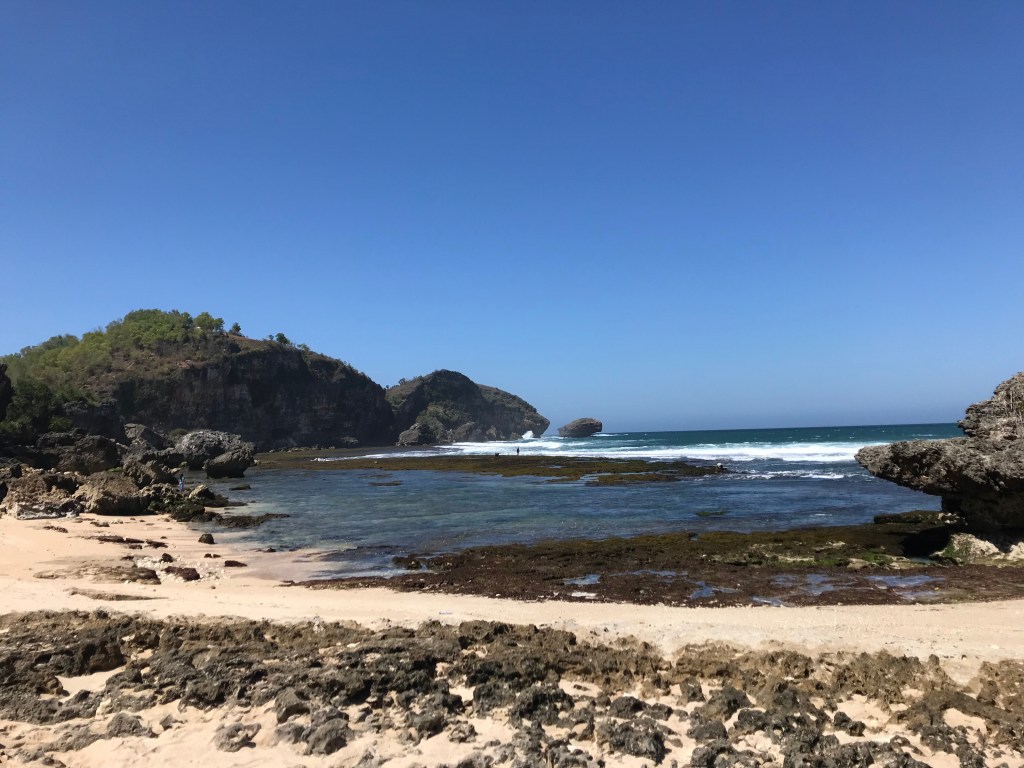
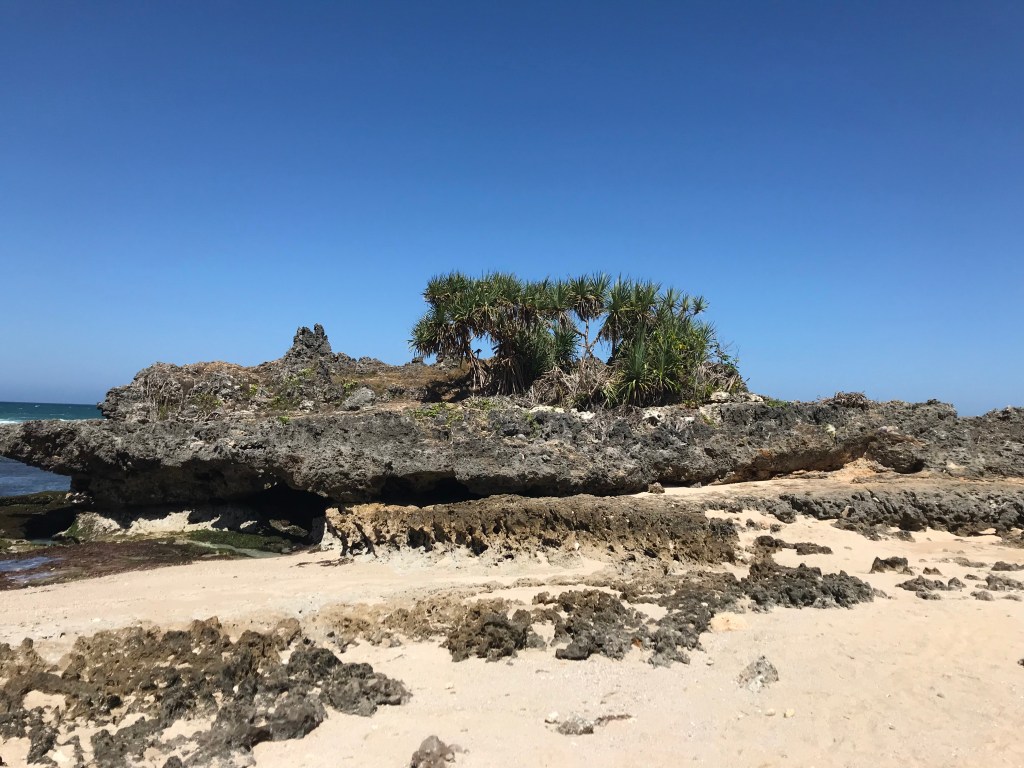
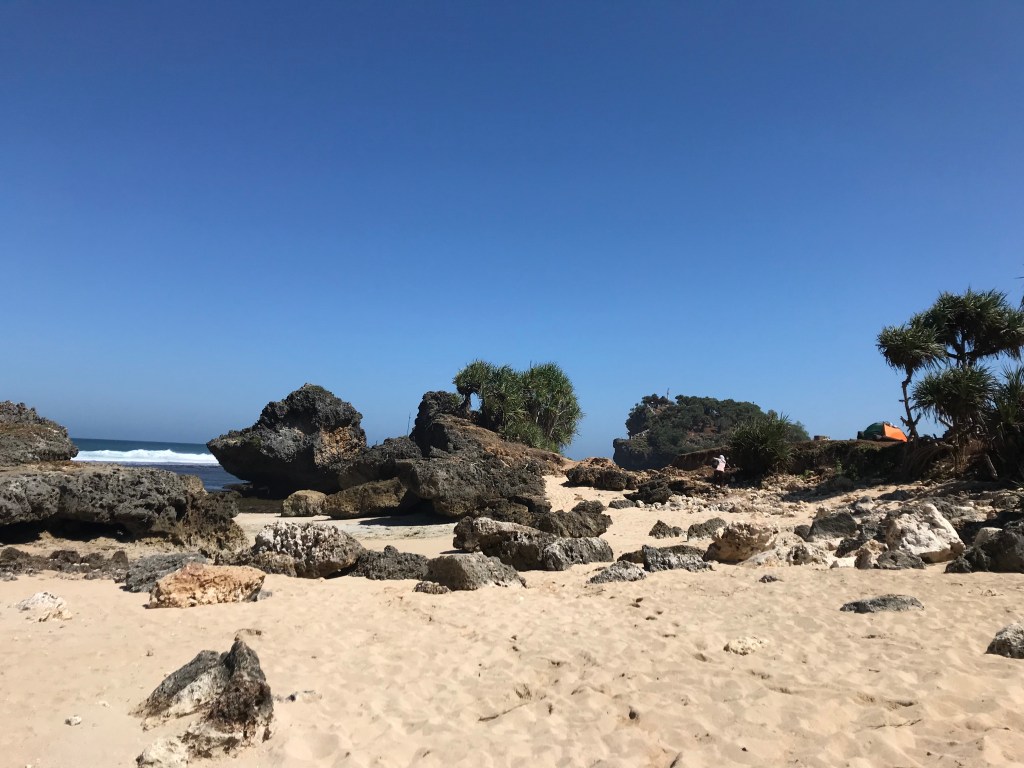
While life was far from difficult in Jogya, being so close to the ocean was and not visiting it would be an obvious oversight for a bunch of Australians. One of our number pulled a heroic effort and on our last full weekend we travelled the 2 hours south the Pantai Watu Kodok- Watu Kodok Beach.

While not as exciting as some of our other adventures- it proved a relaxing weekend full of sand and sea!

PANTAI WATU BOLONG

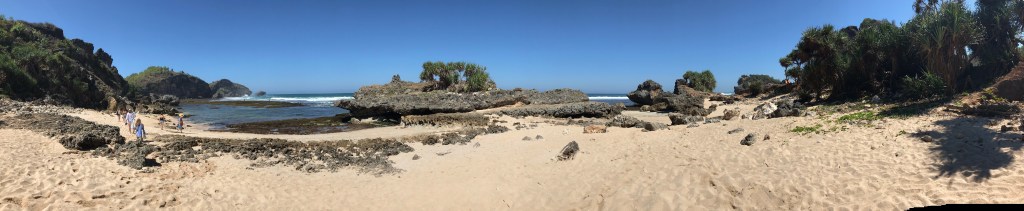
Just over the rise from Pantai Watu Kodok- and much more popular!

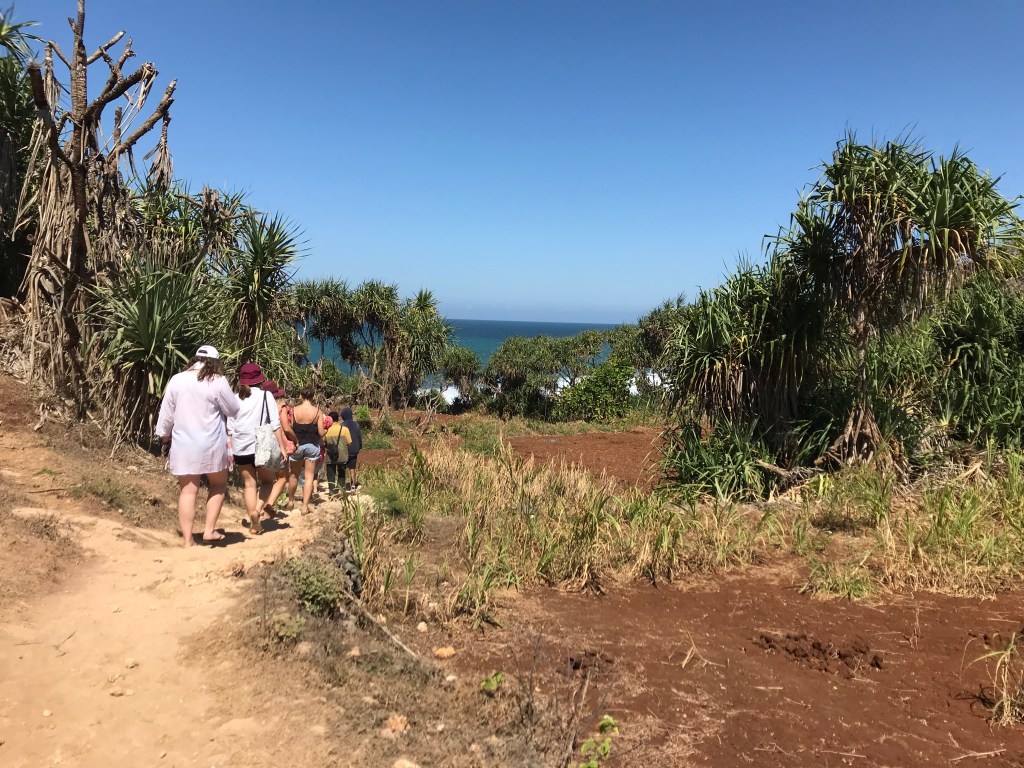
Trekking over the hill to find a quieter beach…

PANTAI DRINI

PEACE AT LAST

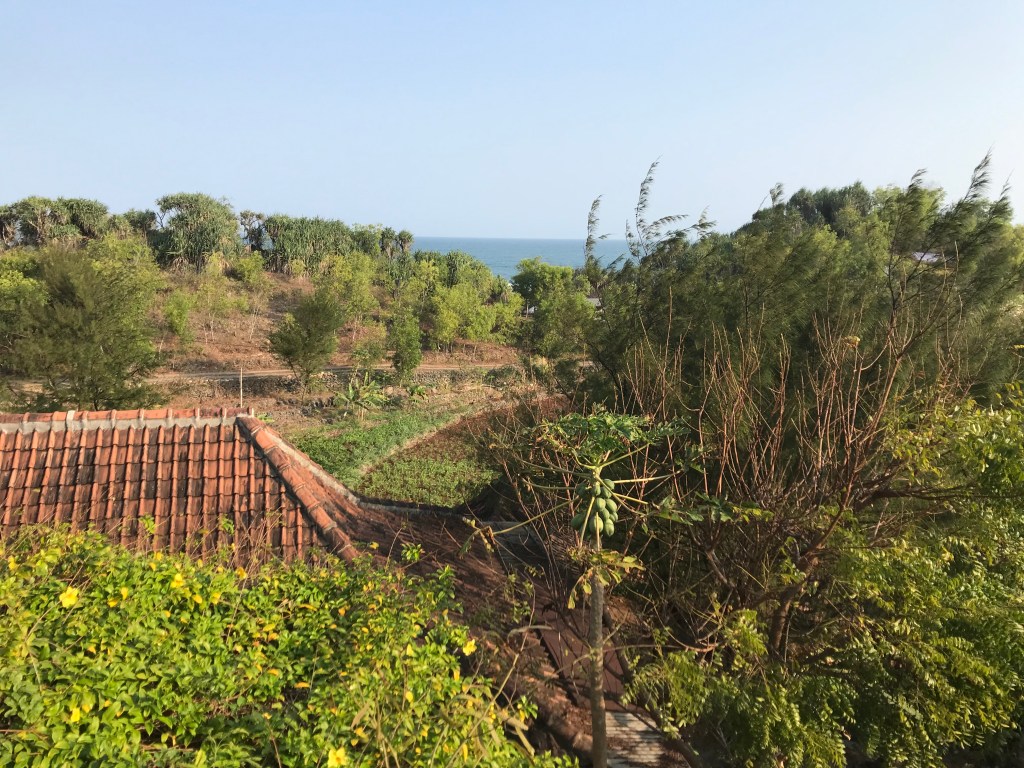
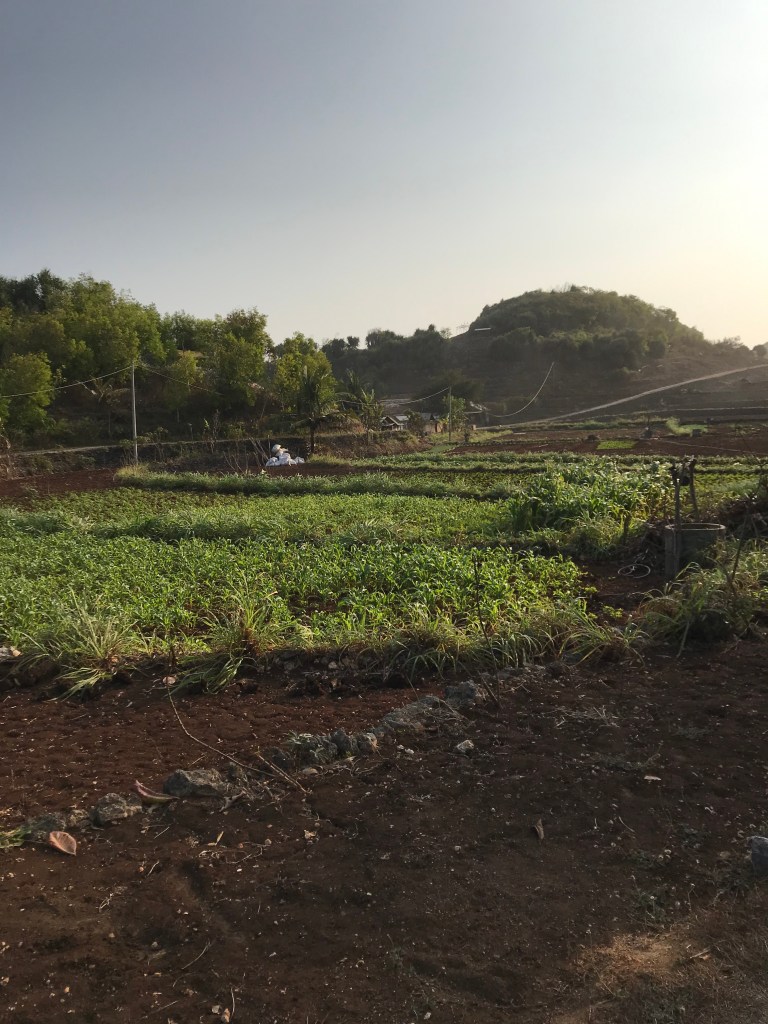
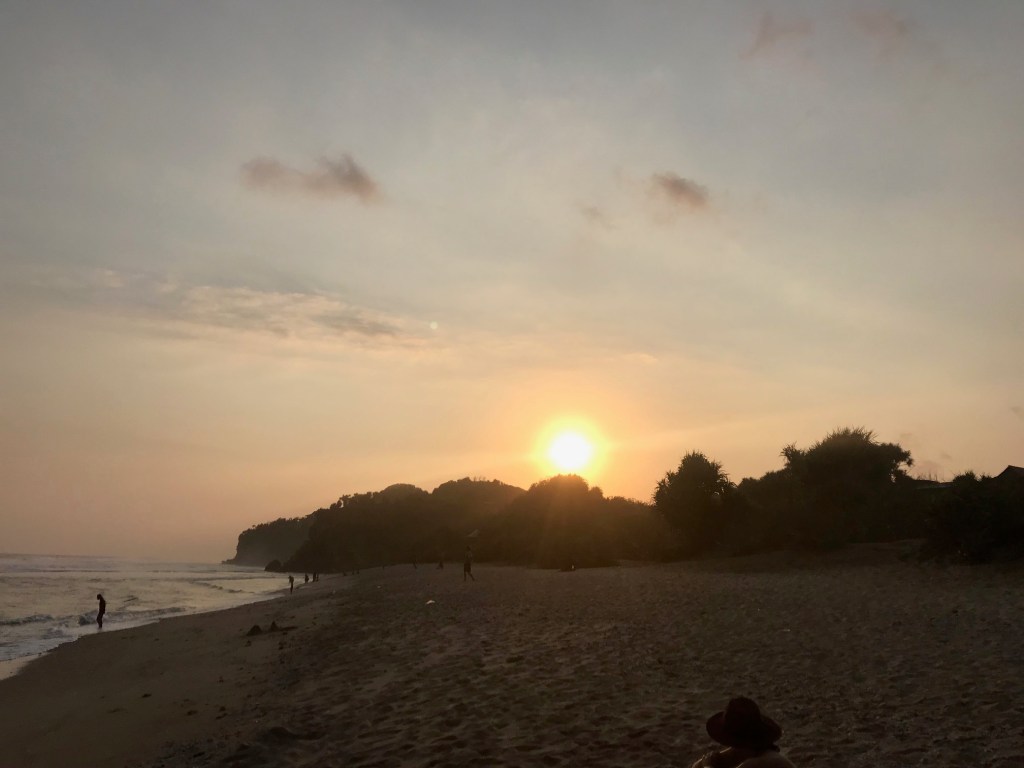
View of the rice fields from our accommodation- a rustic villa overlooking the town and the ocean, where one could read a book with a beer in hand. Or better yet, enjoy the sunset with friends, some good music and a drinking game or two.

MATAHARI TERBENAM SANGAT INDAH…

Tops sunset mate

Yogyakarta

I’ll try to keep the photos of temples to a minimum

Life and Language in Indonesia

I needed a chance to challenge myself- to encounter a culture both wholly unfamiliar yet right next door.

So I signed up for a year in Jakarta.

Prior to coming to Indonesia, I had only ever studied it. I knew a little about its politics and policies, but I had never been there before. I had never even been to Asia before I flew in on the 24th June 2019.

This experience was part of the Australian Volunteers Program- a program facilitated by the Australian Government (DFAT) to match Australian volunteers with partners overseas. Partner organisations could be community-level charities and NGOs, government departments or international organisations with offices in the respective countries. While the program focus on the Asia-Pacific, there are placements across the Asian and African continents.

Before they begin their placements, each volunteer gets to spend some time in language training. Indonesia is the country with the largest number of assignments (approximately 80-90 volunteers arriving there each year), and our intake of 15 stayed together in the city of Yogyakarta for an intensive 4 week course at Wisma Bahasa, a language centre.

Yogyakarta is located in the south-east region of Java- the most populated island in the Indonesian archipelago. It is the seat of the Sultan, the only recognised monarch under the Indonesian Republic. It is also the location of two UNESCO World Heritage Sites- Prambanan Temple and Borobudur Temple. More on those later!

This was about the level of information I had before embarking on a month-long language learning experience in Indonesia’s culture capital.

Candi Prambanan

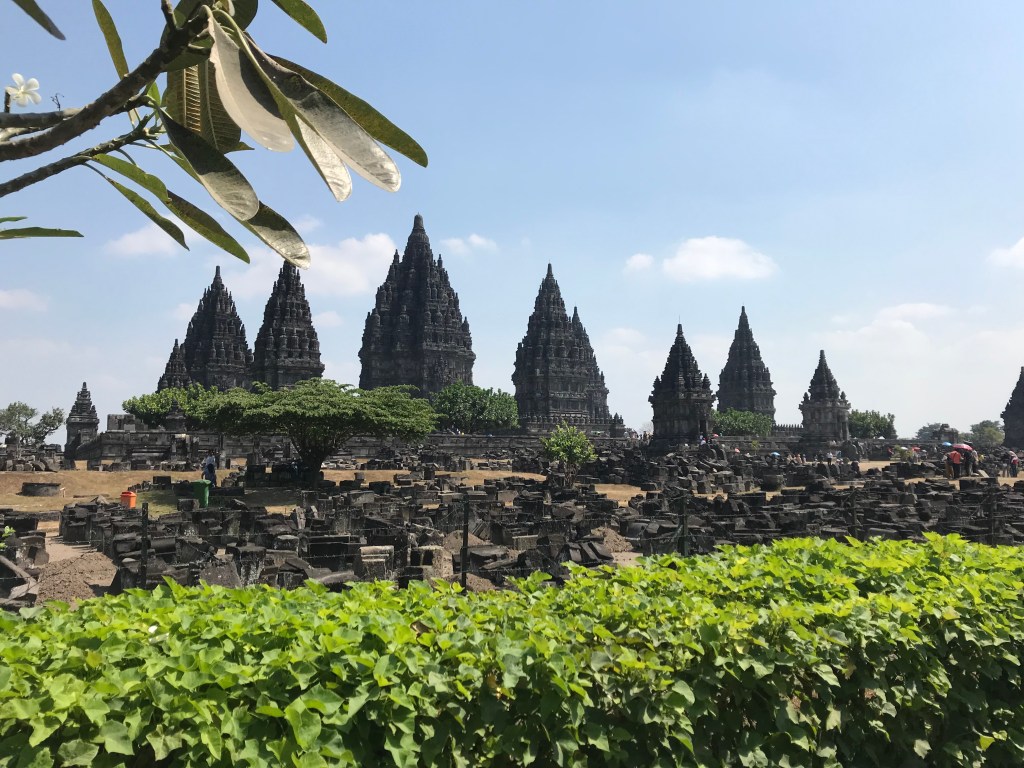
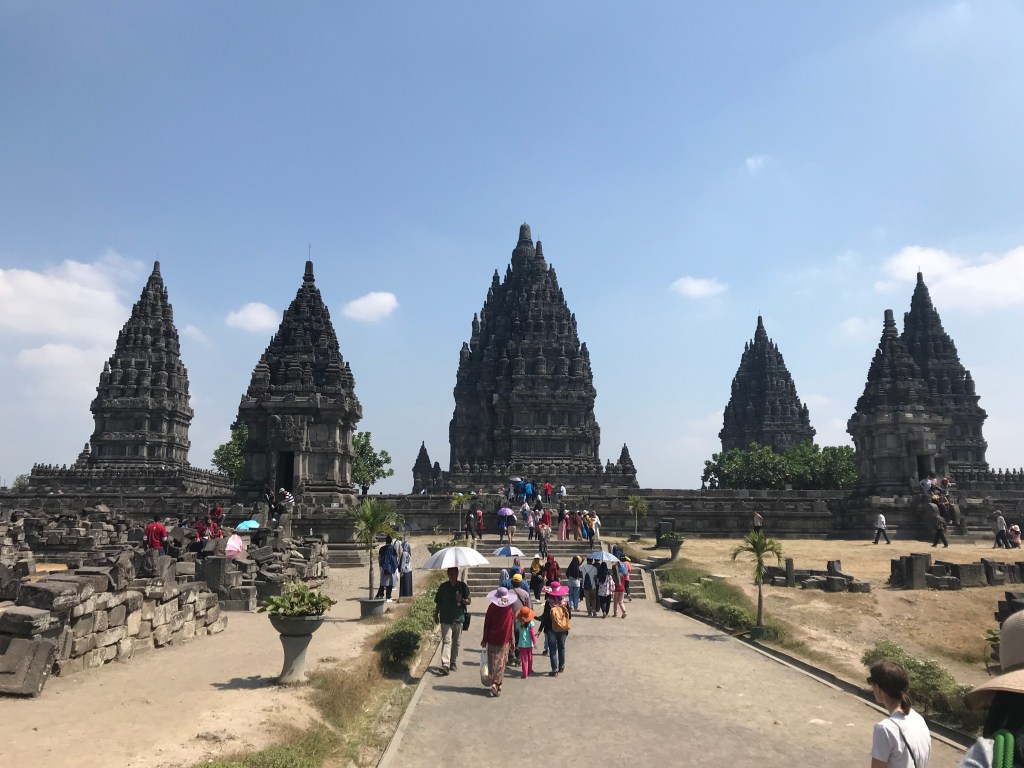
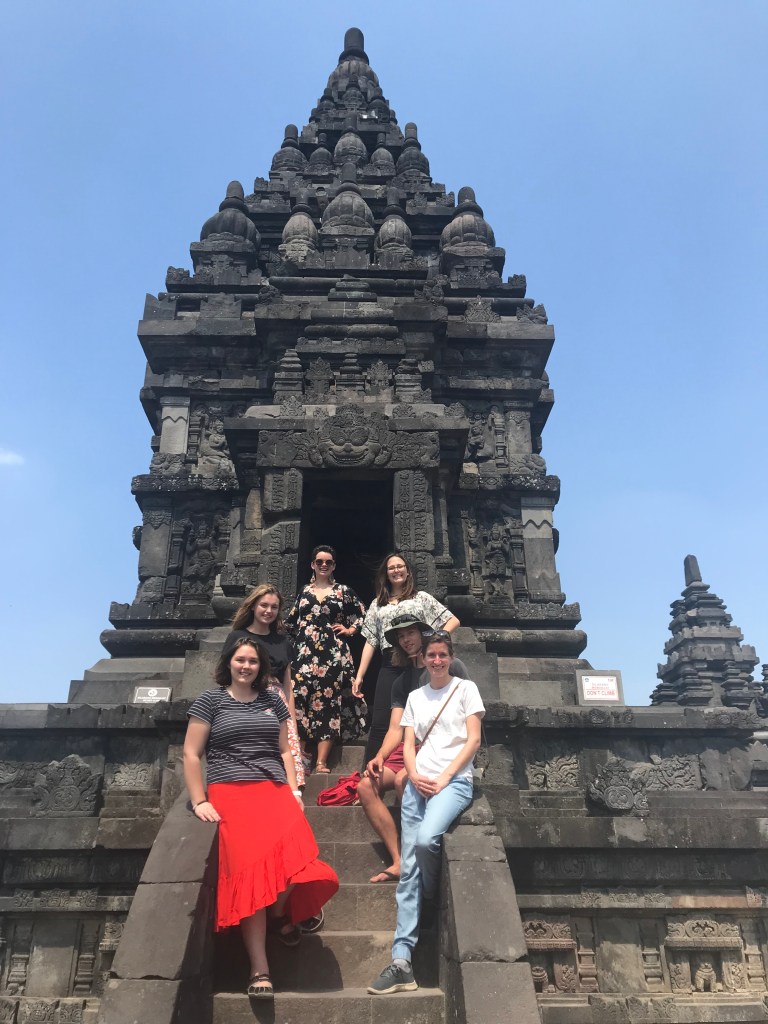
Prambanan Temple- The first temple visited the day after our 7-hour (freezing) train journey from Jakarta. We travelled up using Grab and Go-jek- the taxi services that run similar to Uber with predetermined prices order by an app. Many of us still felt unsure of using these services- it’s so much easier to rely on others when you are in a big group with differing levels of experience.

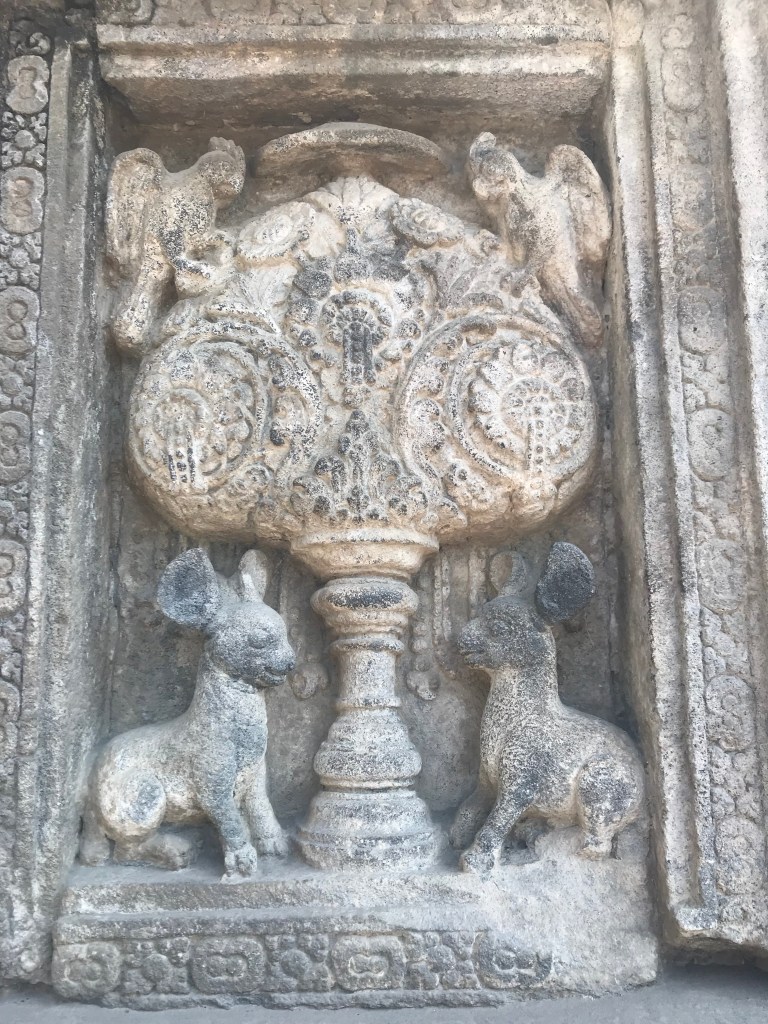
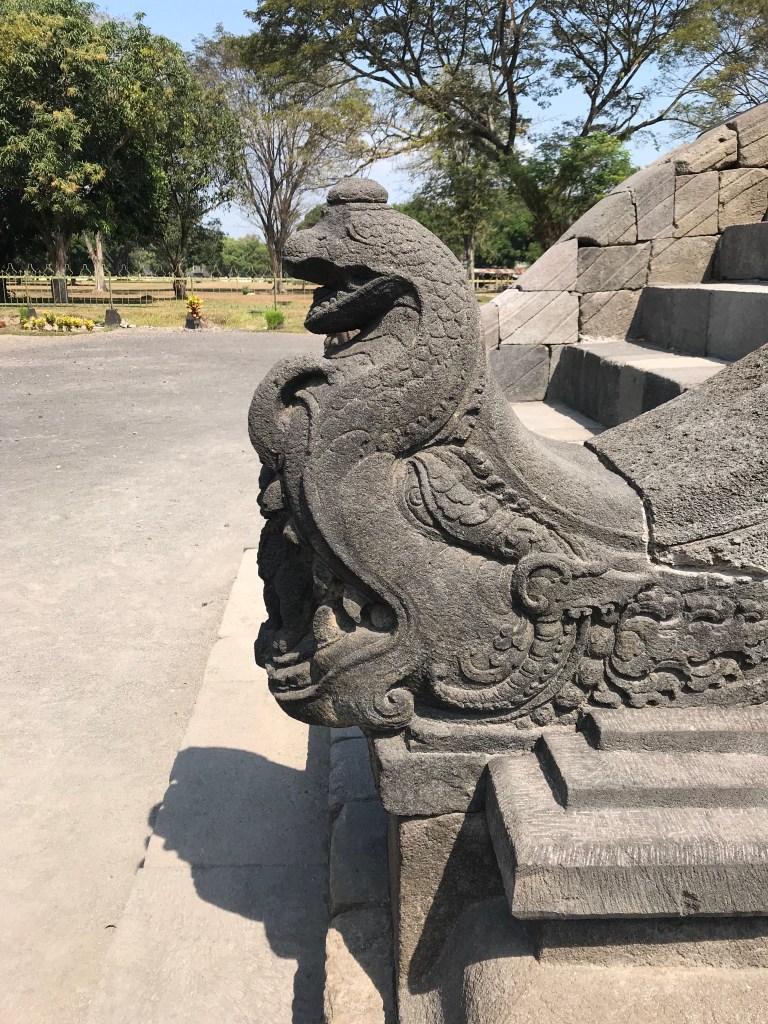
Arriving there you pay for your ticket- it’s more expensive for foreigners (about AUD $30) but you do get a discount if you are a student! Once you enter, Prambanan is on your left, unexpectedly close to the centre and already filled with people. Prambanan temple is a Hindu temple from the 9th century, rediscovered by the British in the 19th. However locals knew of the ruins well before this. Currently being reconstructed to simulate its former glory, the temple was hit hard by the Yogyakarta earthquake in 2006.

Wayang Kulit

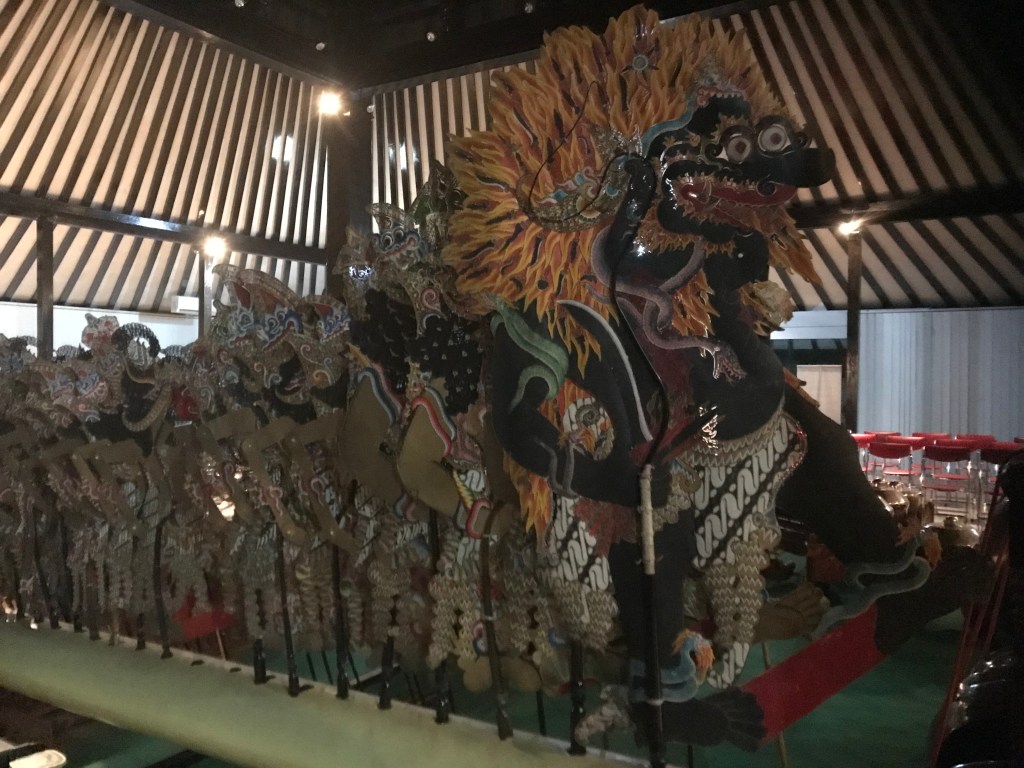
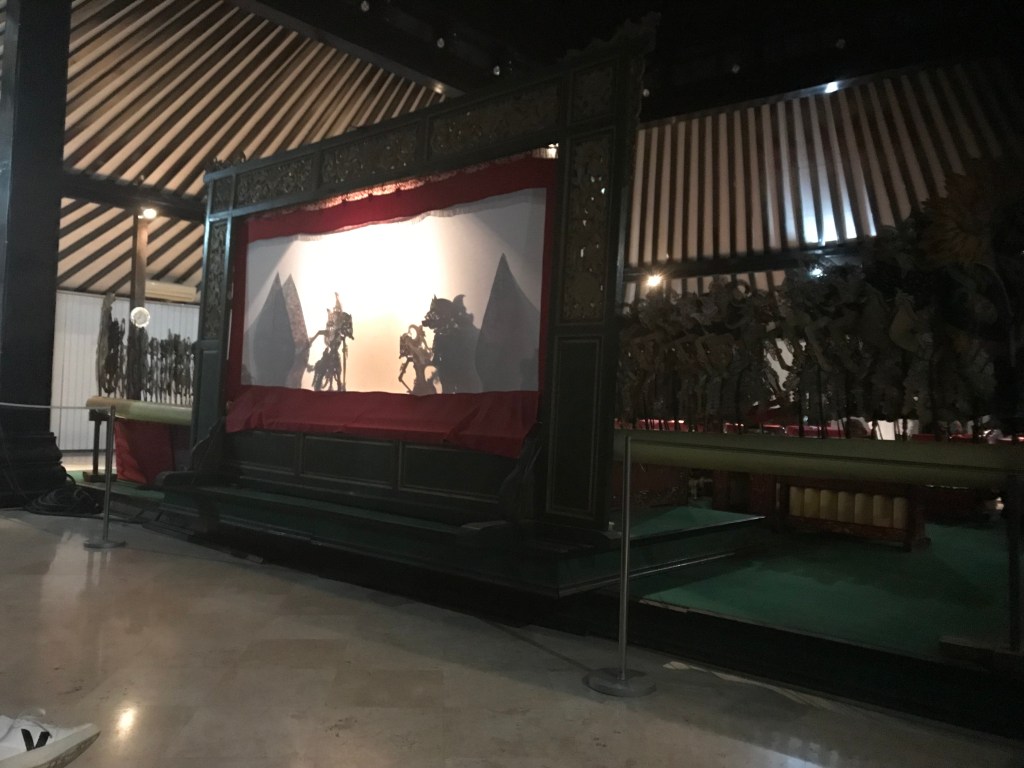
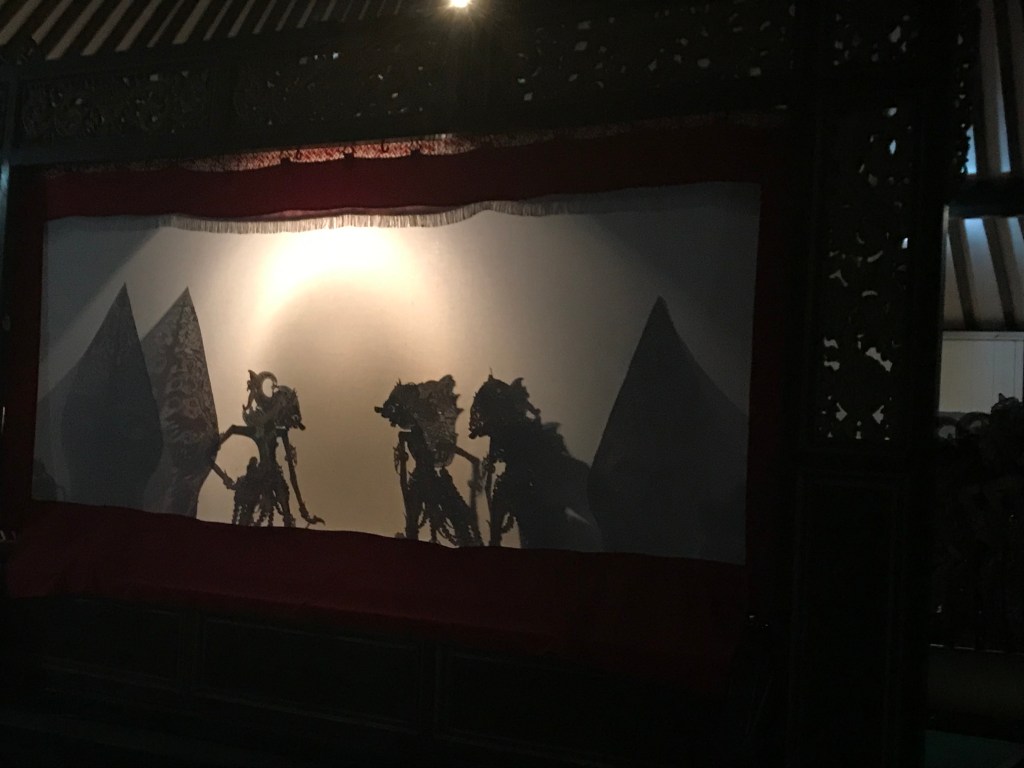
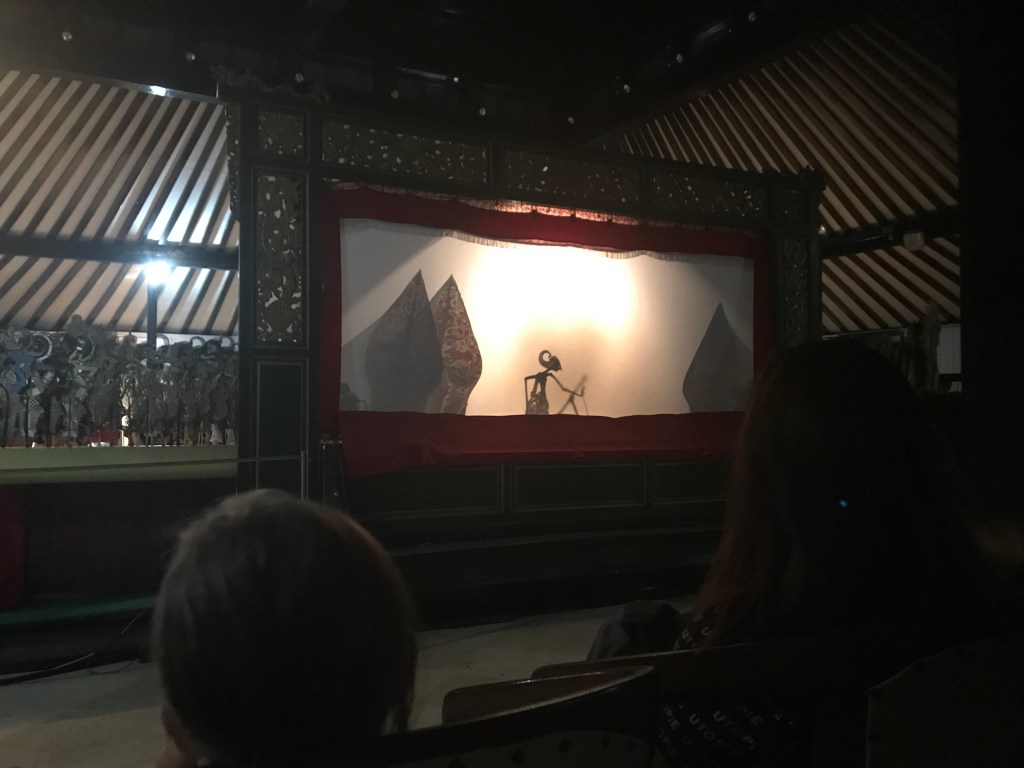
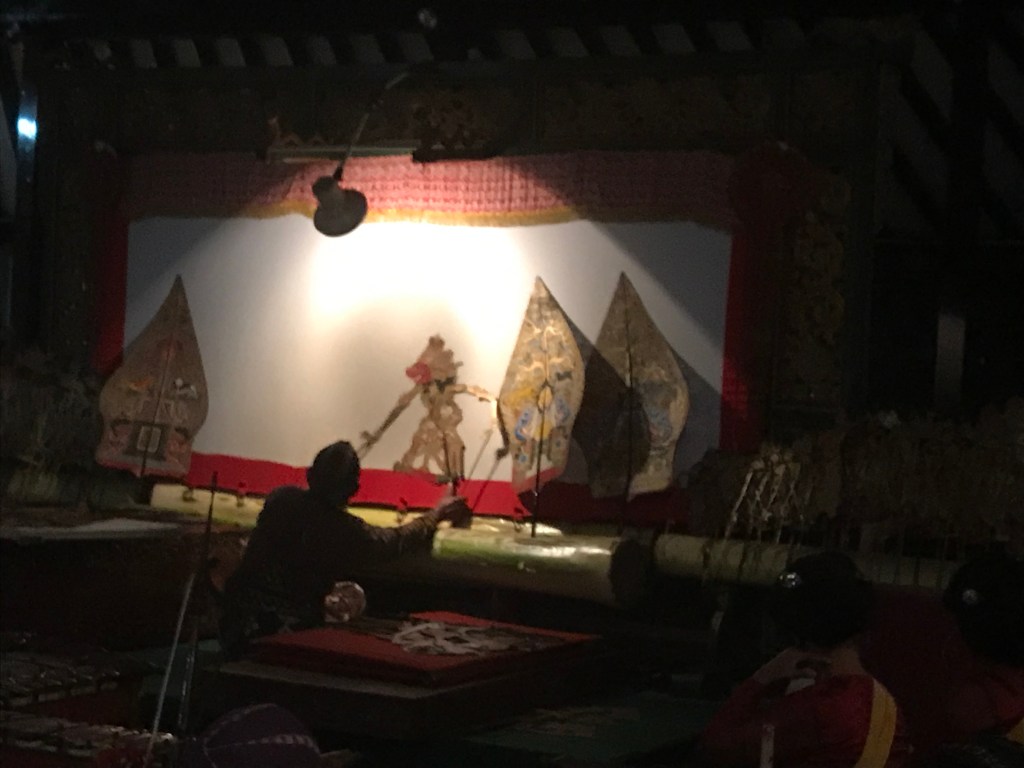
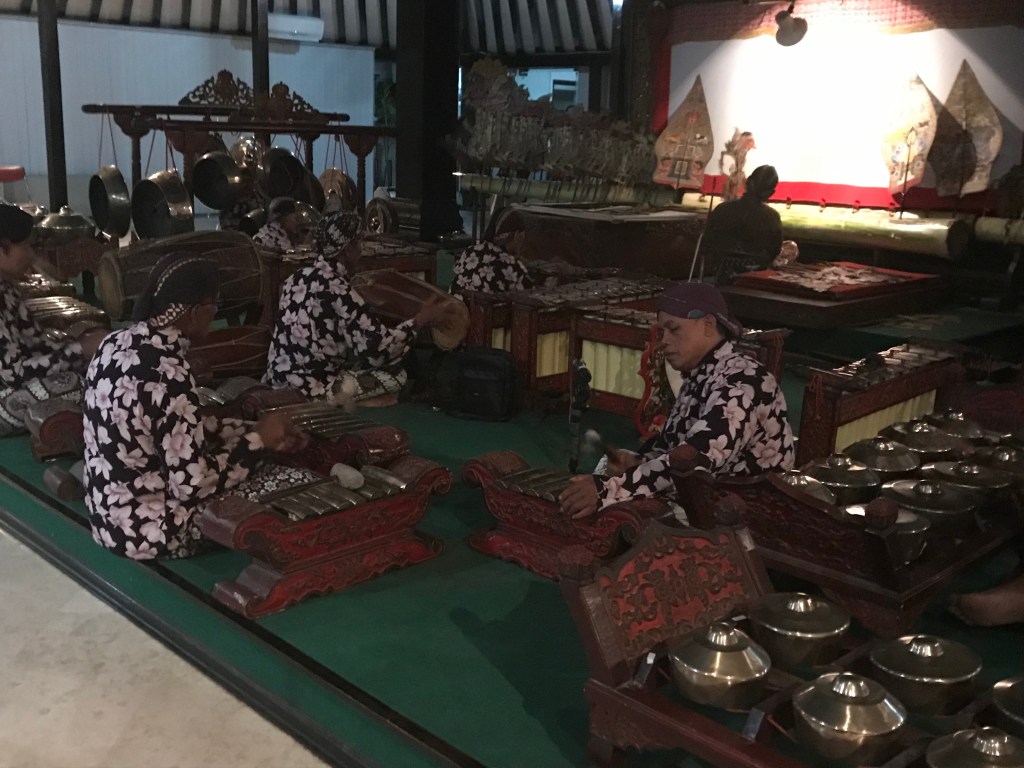
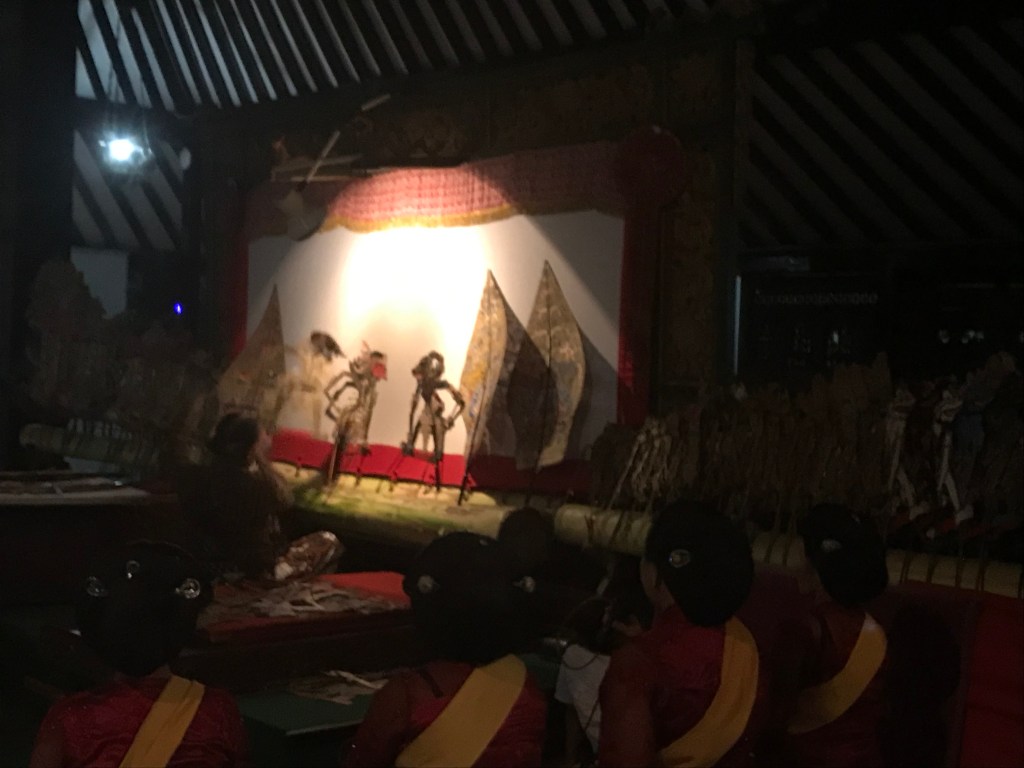
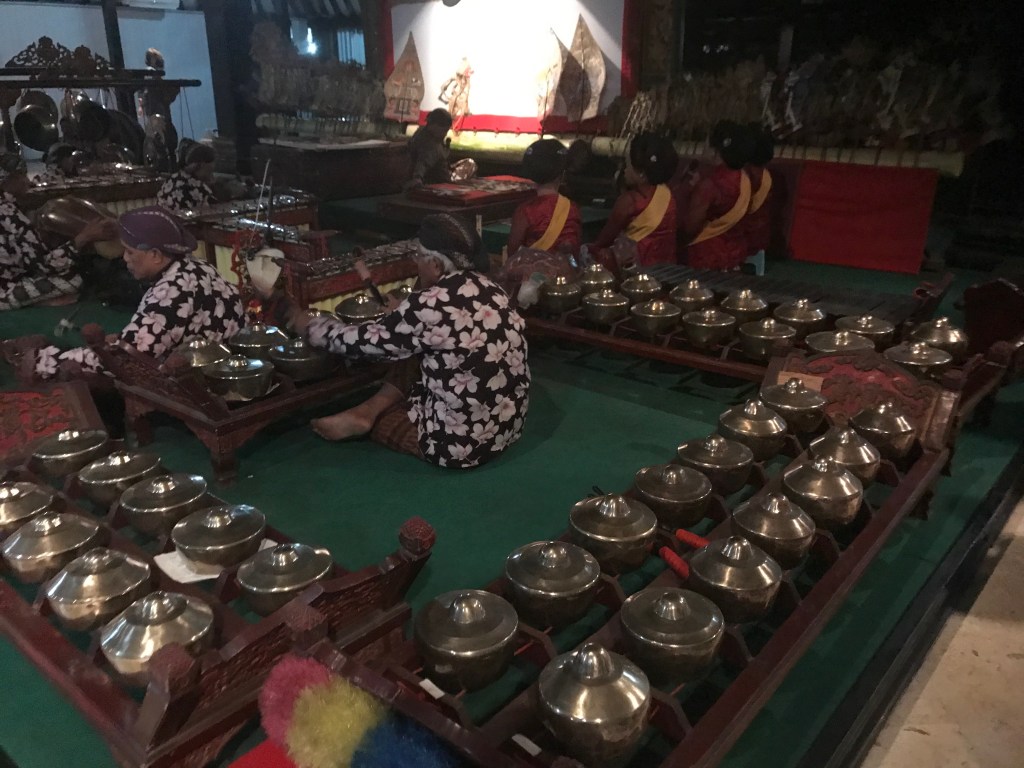
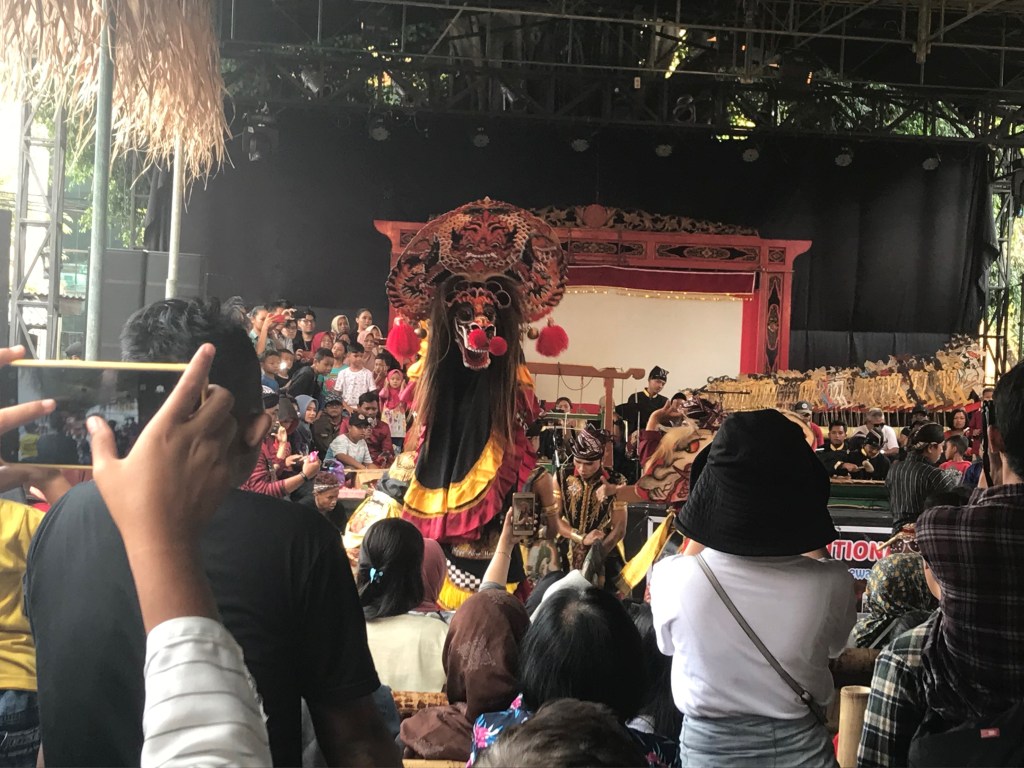
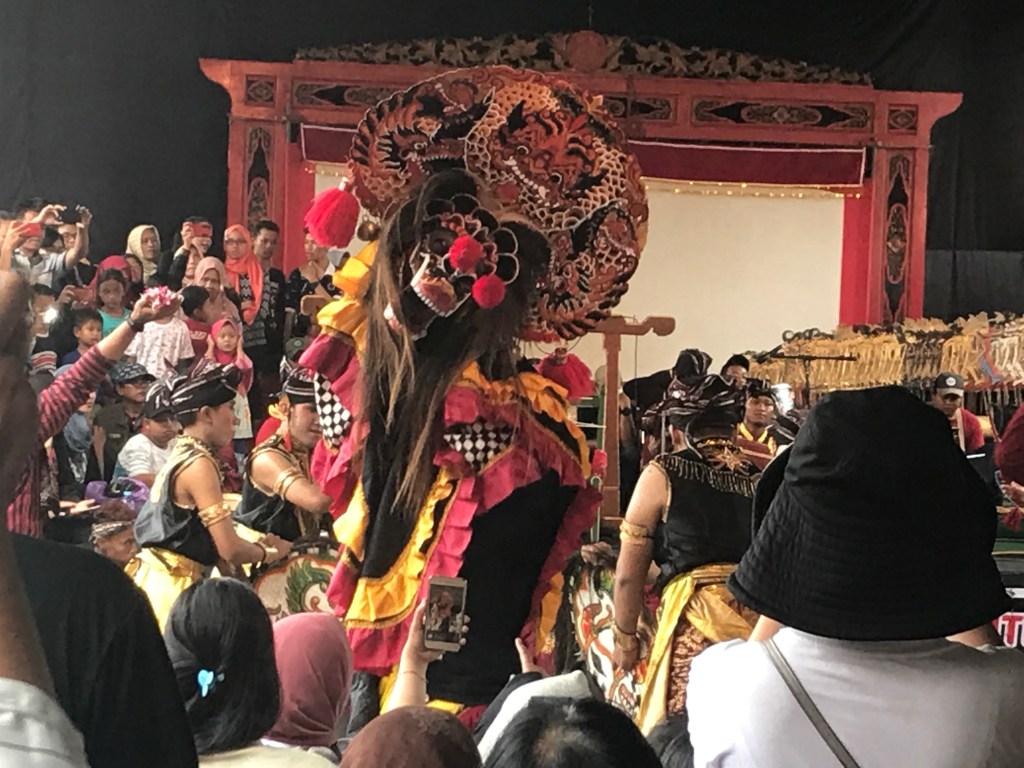
A must-see experience for all visitors of Indonesia and Yogyakarta. Wayang Kulit – skin puppets – derive their name from the coloured leather they are made from. Held as a shadow puppet performance, the show can last all night when full stories are exhibited. In the background plays the traditional Indonesian orchestra- gamelan. We only stayed for a couple of hours, but it was engaging to watch the musicians and the puppet technicians coordinate their performance with professionalism that only comes from years of practise. 

This is a musical art that is decreasing in popularity as younger generations do not take up the art after their elders. A common and devastating phenomenon that spans countries and industries, attempts to keep the art alive are embodied through performances and studios such as this, that raise money so lessons can be held for young and old alike. 

Behind The Scenes

Cooking Kue

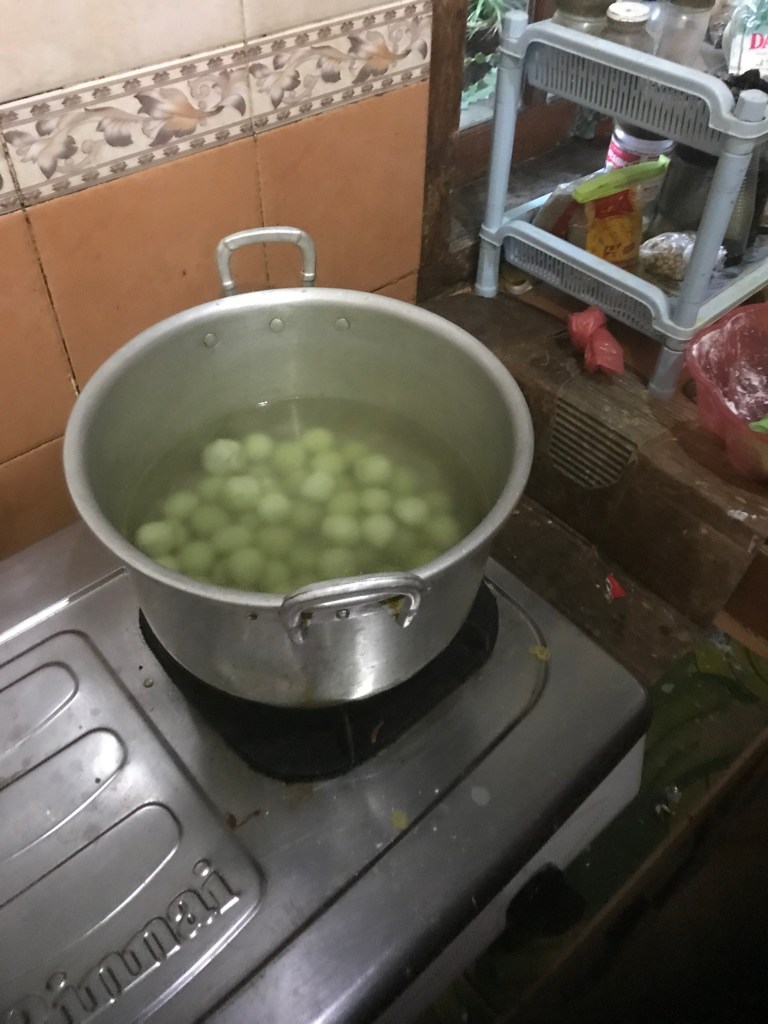
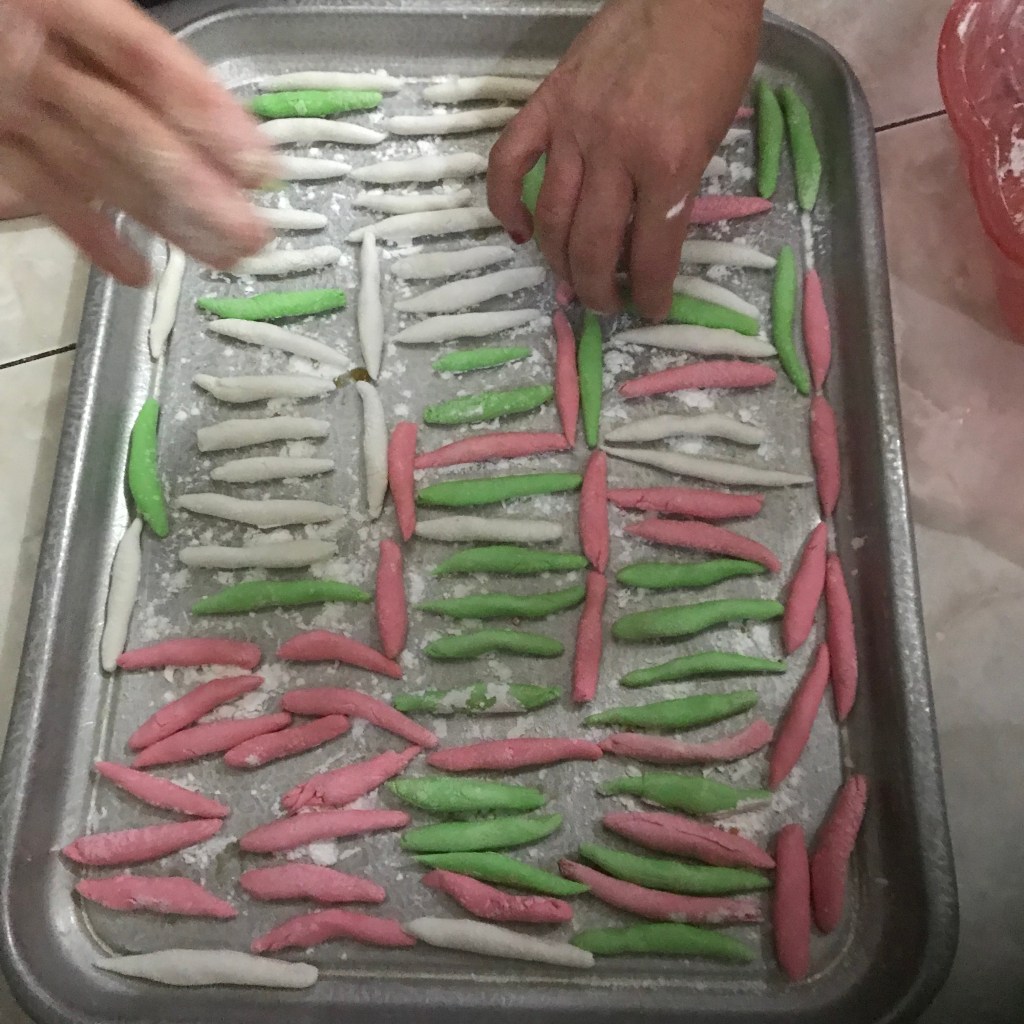
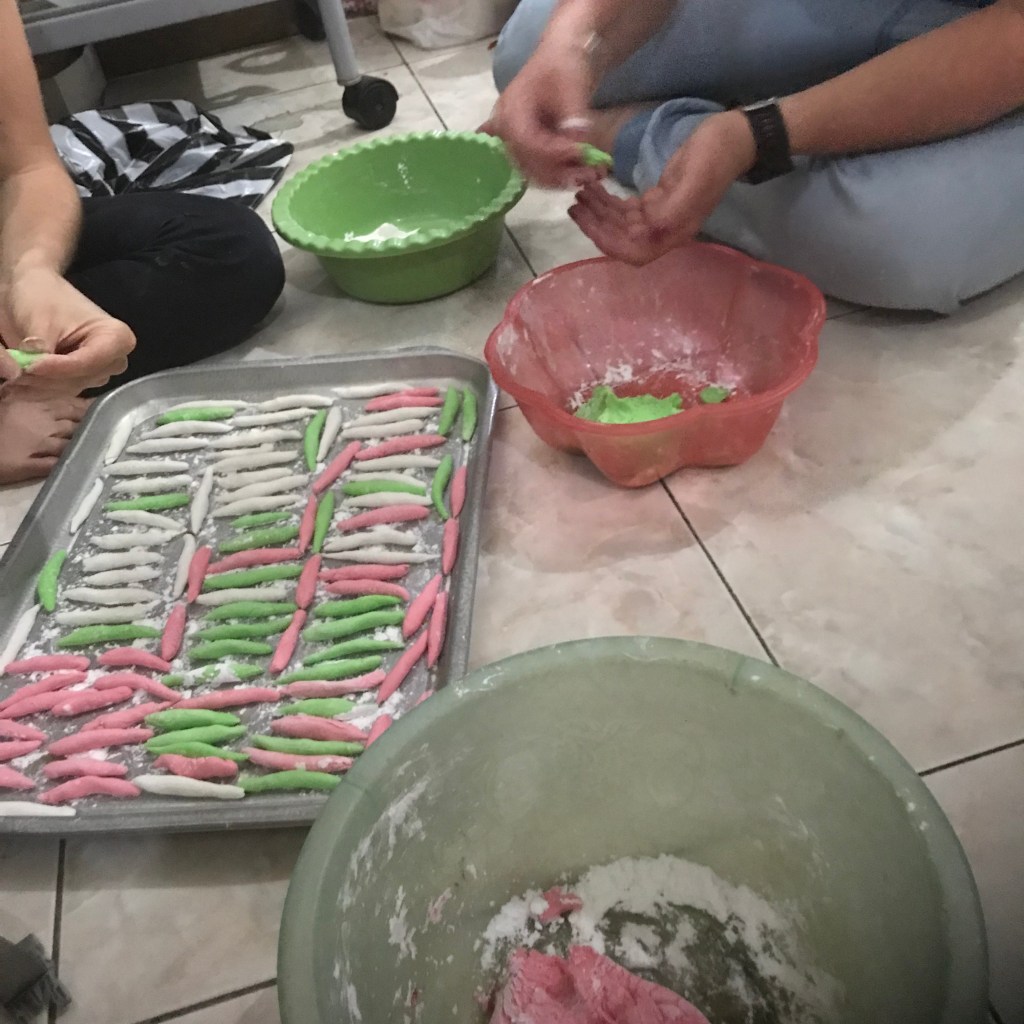
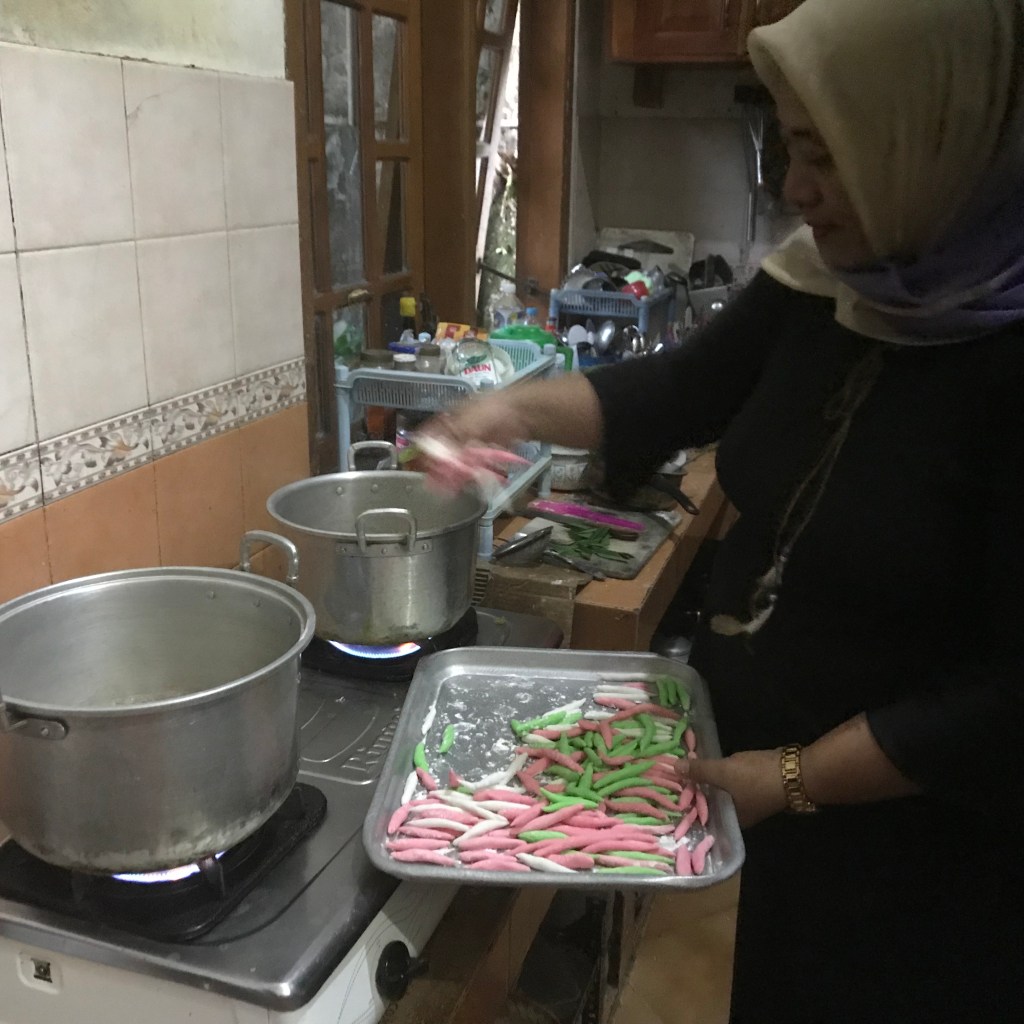
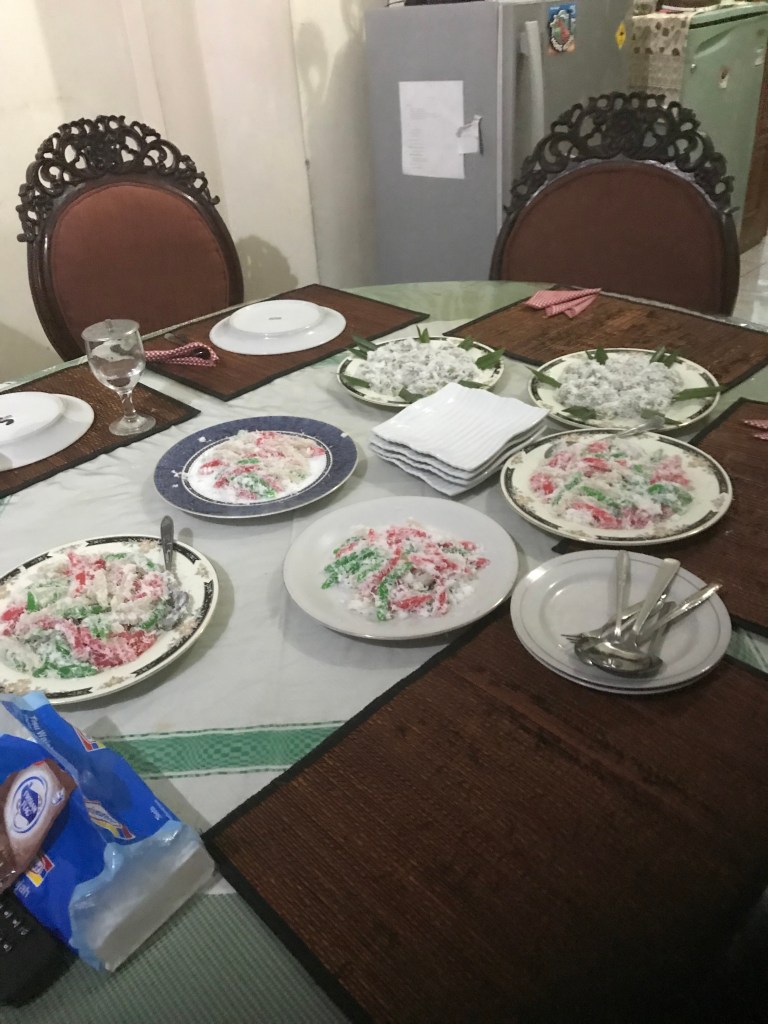
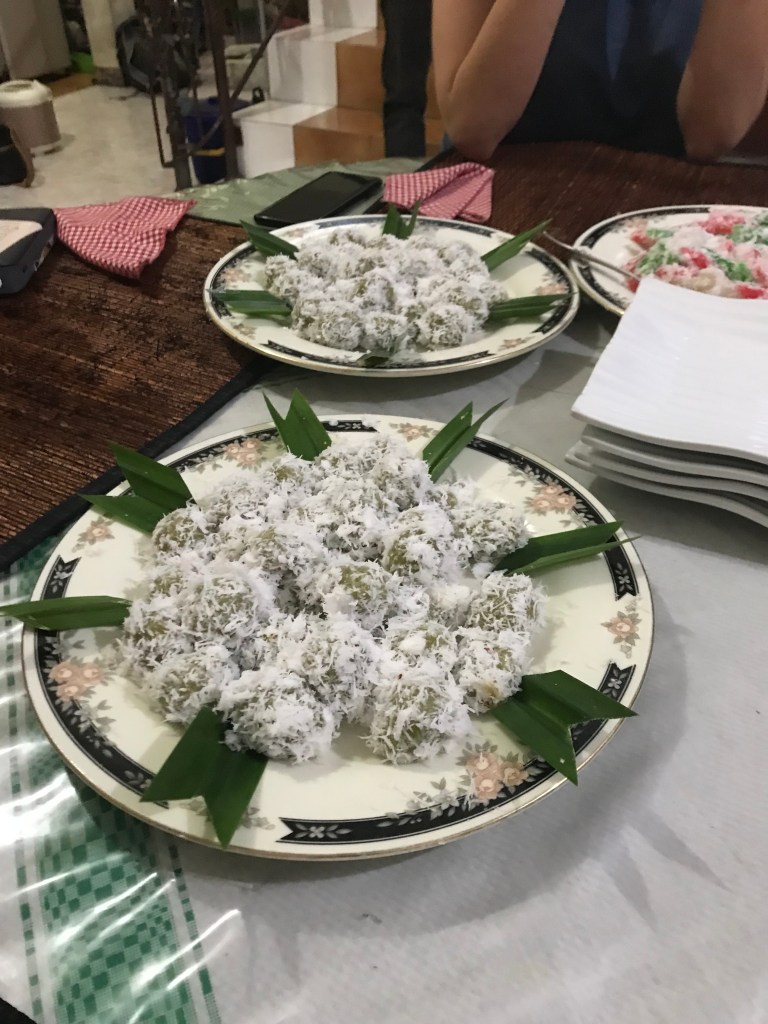
Indonesian kue, or cake, is usually found in the form of small bite-size rice treats. They are made from rice flour, and look simple but are difficult to make with skill, as we learnt during our cooking class in one of the homestays! Ibu Wiwick had kindly offered for us to learn how to make the kue.

We made Klepon- the green-tinged dye is derived from crushed pandan leaves. In the middle you’ll find melted palm or brown sugar, which bursts in the mouth like a cherry tomato.

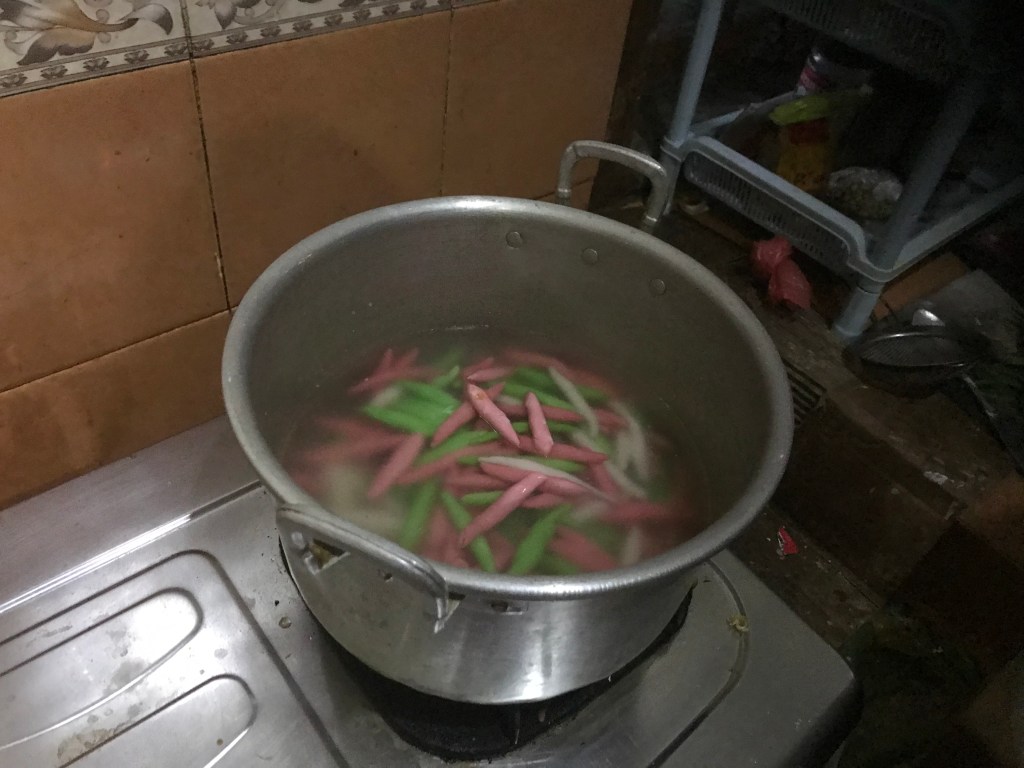
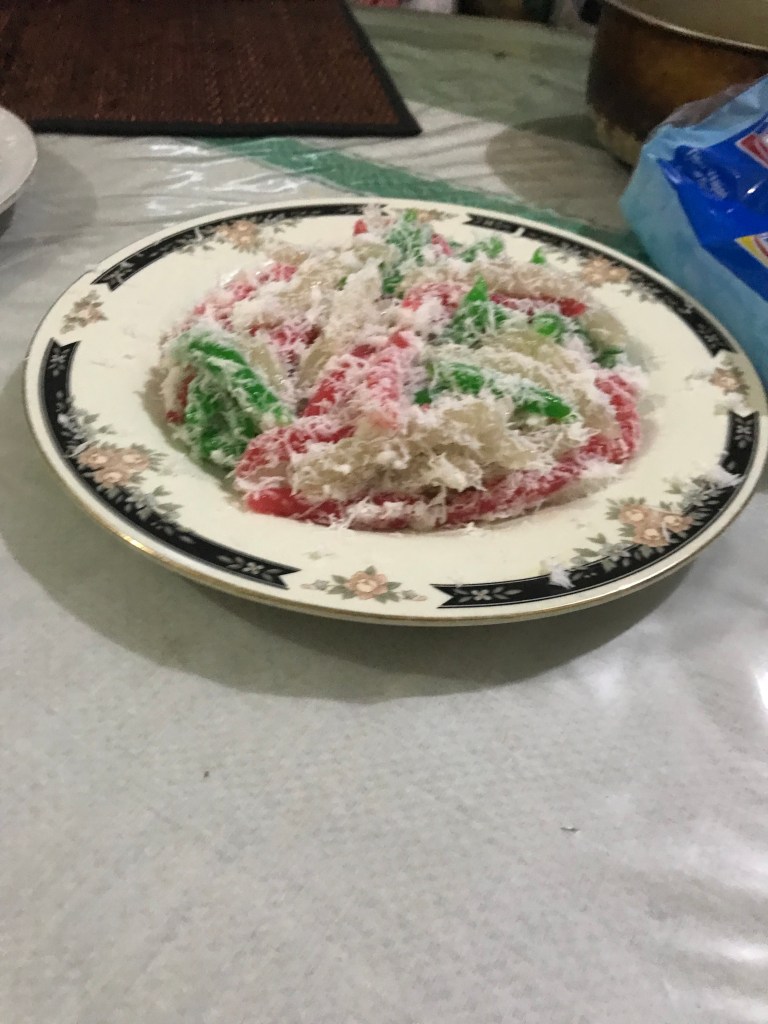
Cenil is the other form of kue- we attempted the worm-like sweets with a great variety of size and thickness. At least they looked homemade!

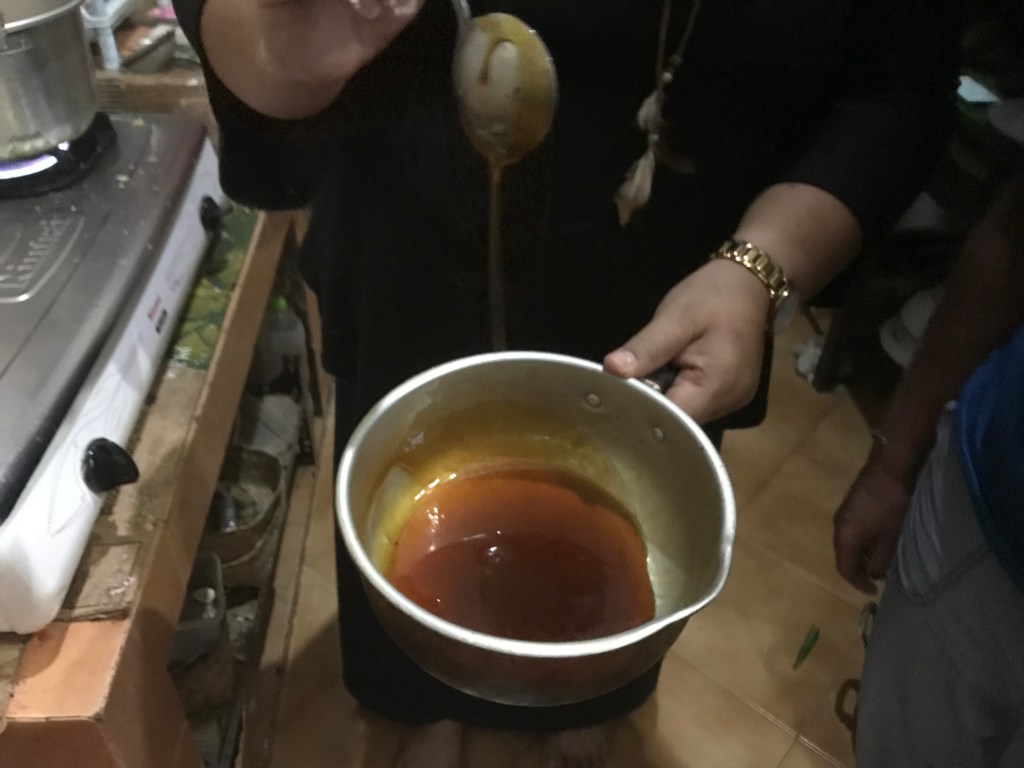
Both types are boiled for a few minutes, then covered in shredded coconut. Of course they are best enjoyed with a generous drizzle of sugar syrup and eaten as soon as possible with as many friends as you can find.

As you may be slowly realising, our time in Jogya was more than just learning the language, but learning about life in Indonesia. Each volunteer was set up in a homestay with other volunteers and visitors. As a result, we had an invaluable resource to turn to and instruct us on Indonesian norms, and feed us some amazing Indonesian food! This is where we got to learn about which foods we enjoyed, and which ones we may avoid eating (while bitter melon may be good for you…it certainly lives up to its name). We also got to meet others travelling to Indonesia for work and education. Learning from everyone’s experiences makes the task of travelling and working in a foreign country much less daunting. Better yet, the forced month-long living situation meant we got to make friends with others living and working in Jakarta, as well as those here for a short time.

Following their adventures also gives me more inspiration for what I would like to do in the coming months. Indonesia is a wondrously diverse country- rainforest and paradise beaches in one archipelago. There is so much to explore, but it is the people that make the adventure most memorable.

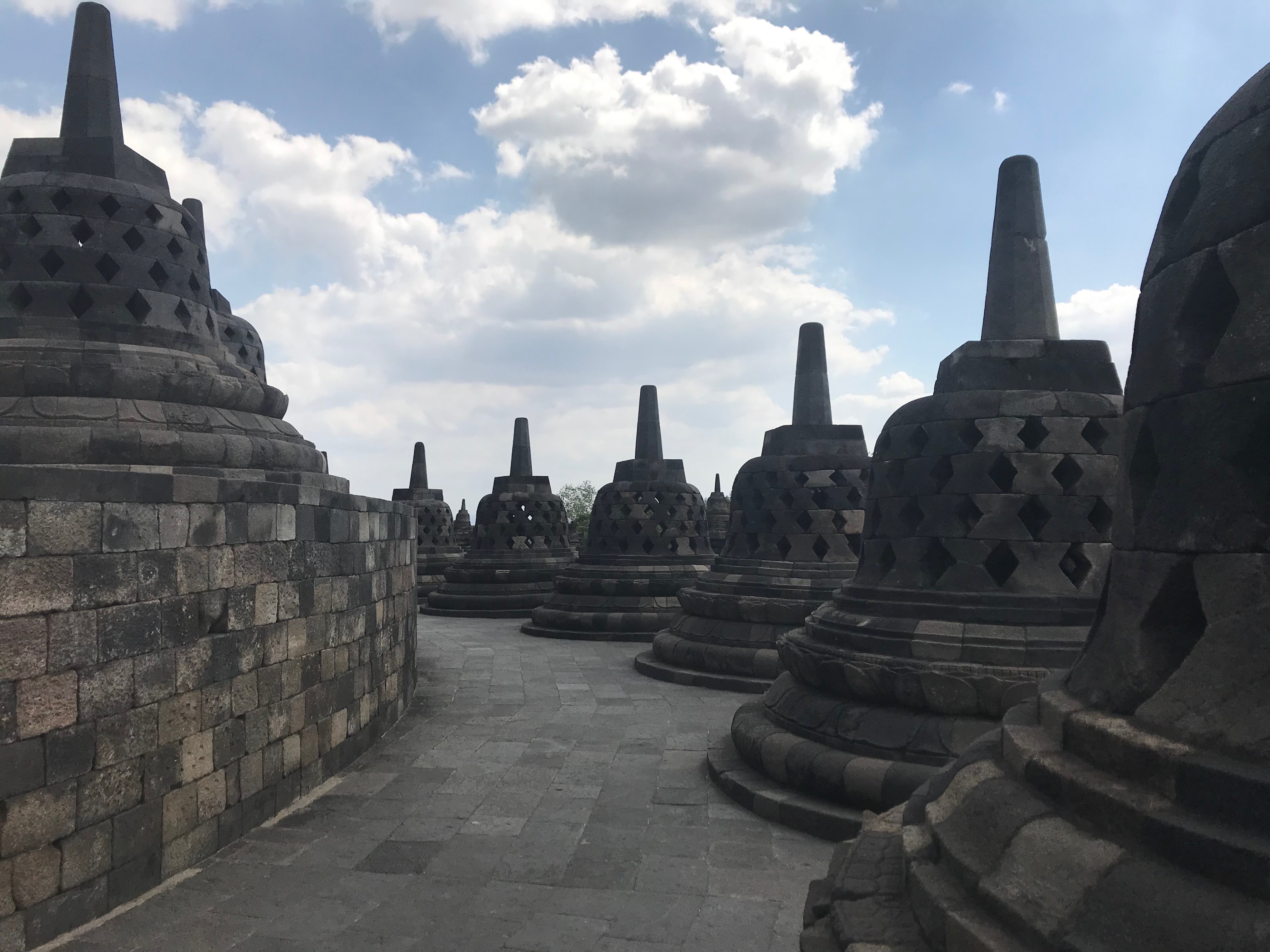
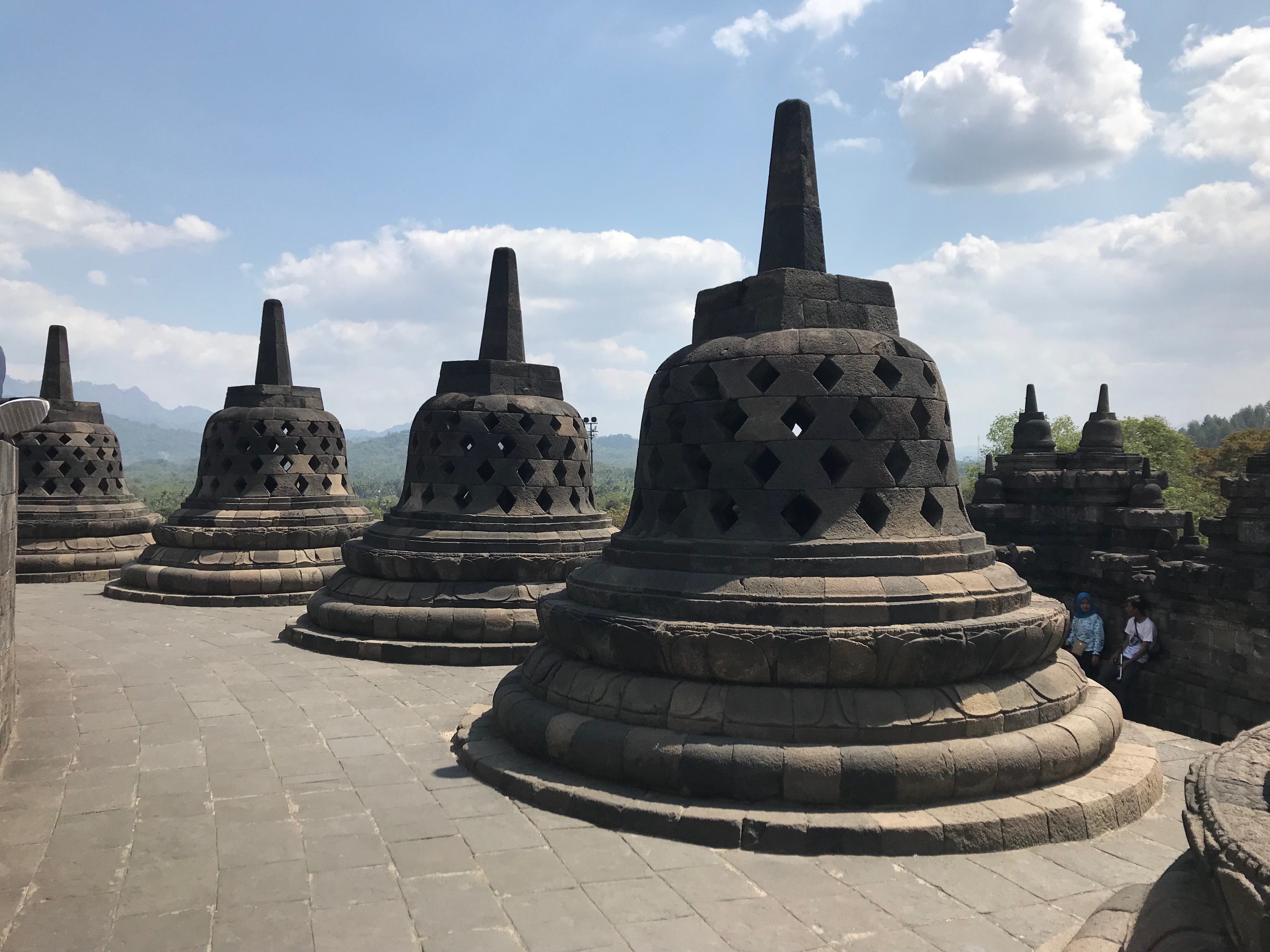
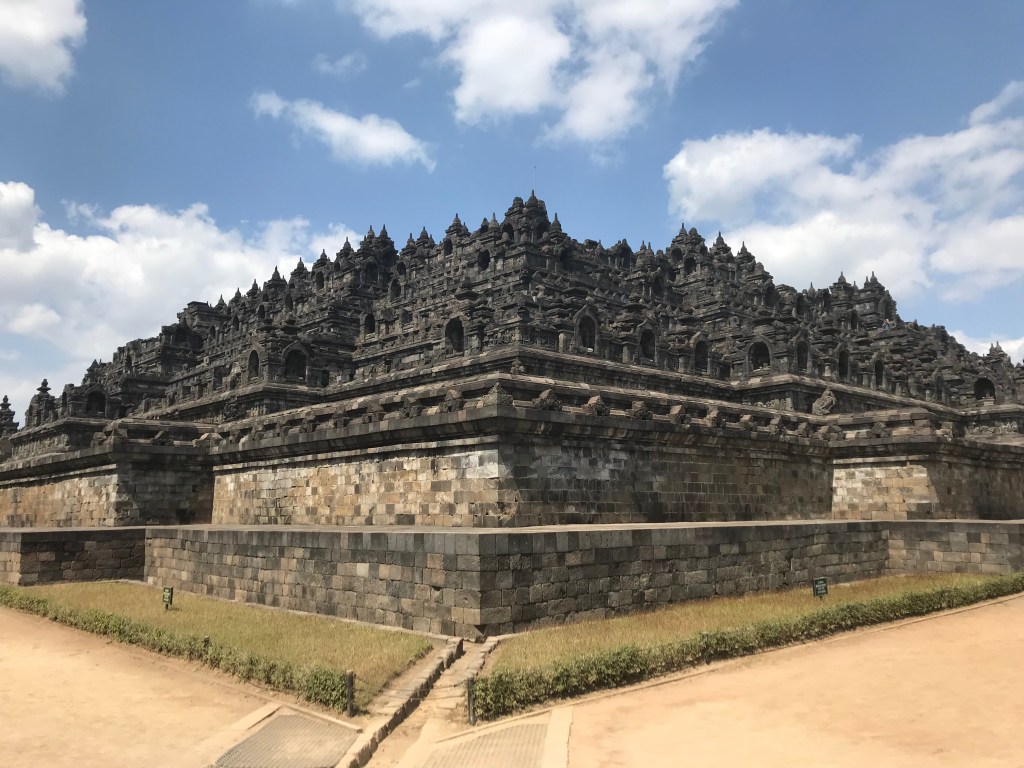
Candi Borobudur

The big one. Literally.

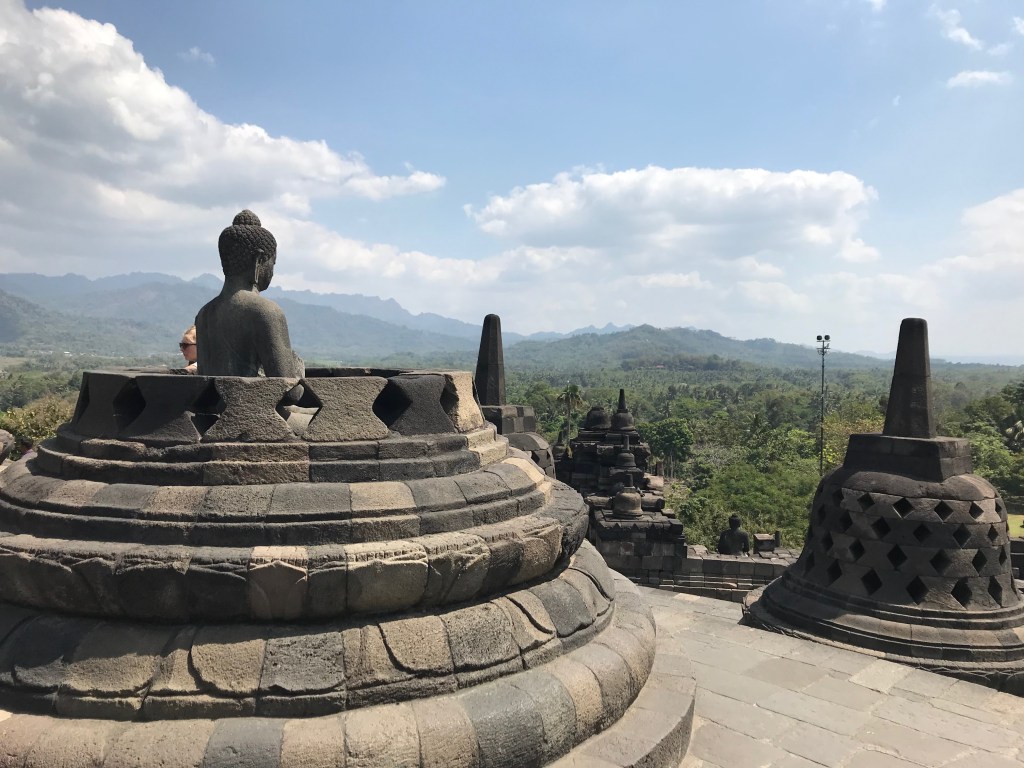
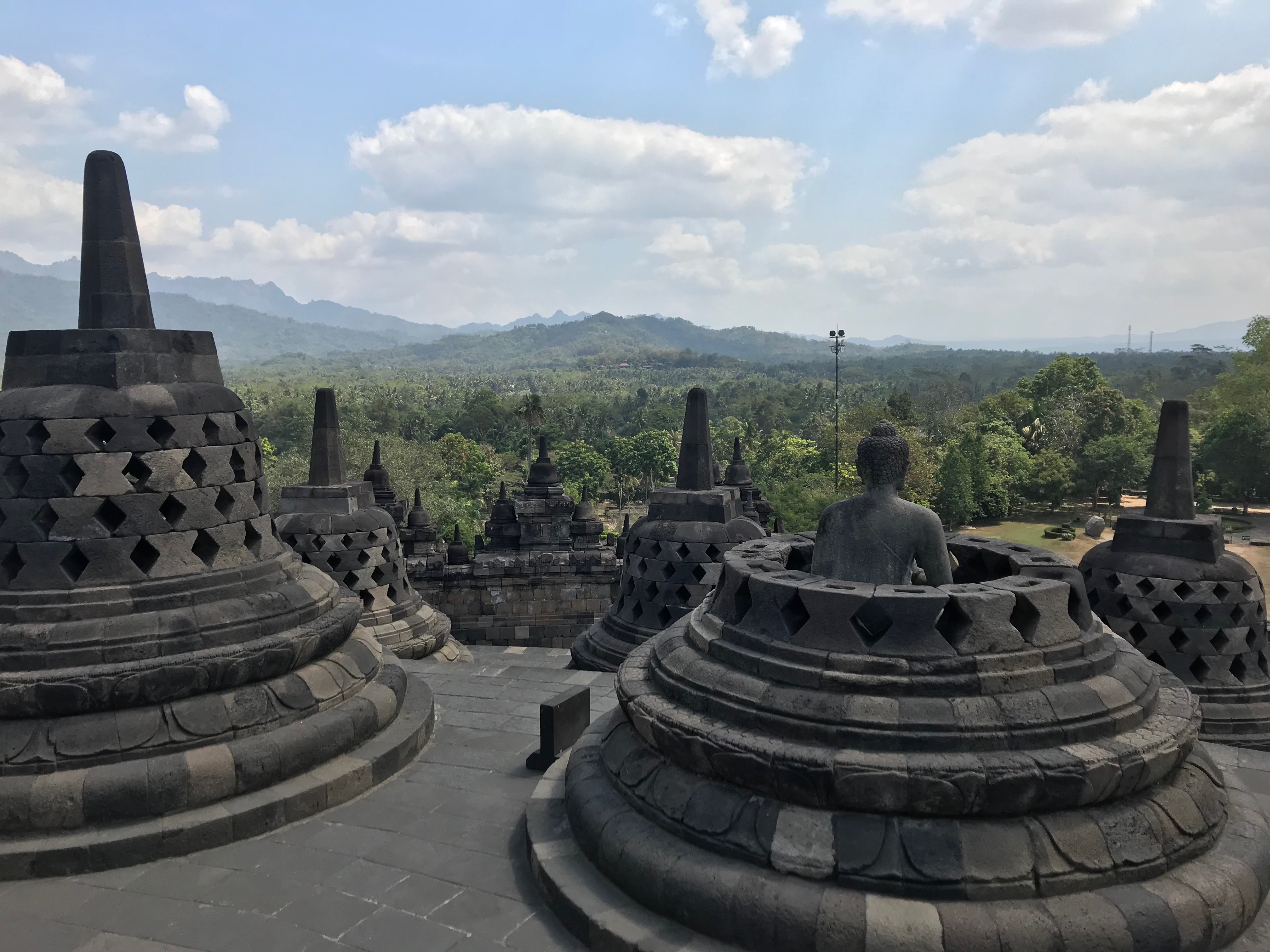
This is the largest Buddhist temple in the world. Also built in the 9th century, it stands as a testament to the religious diversity in Indonesia.

Abandoned in the 14th century, it was rediscovered during the period of British administration in the 1800’s. A monumental restoration project on the temple was undertaken during the 1970’s-80’s following its classification as a UNESCO World Heritage Site.

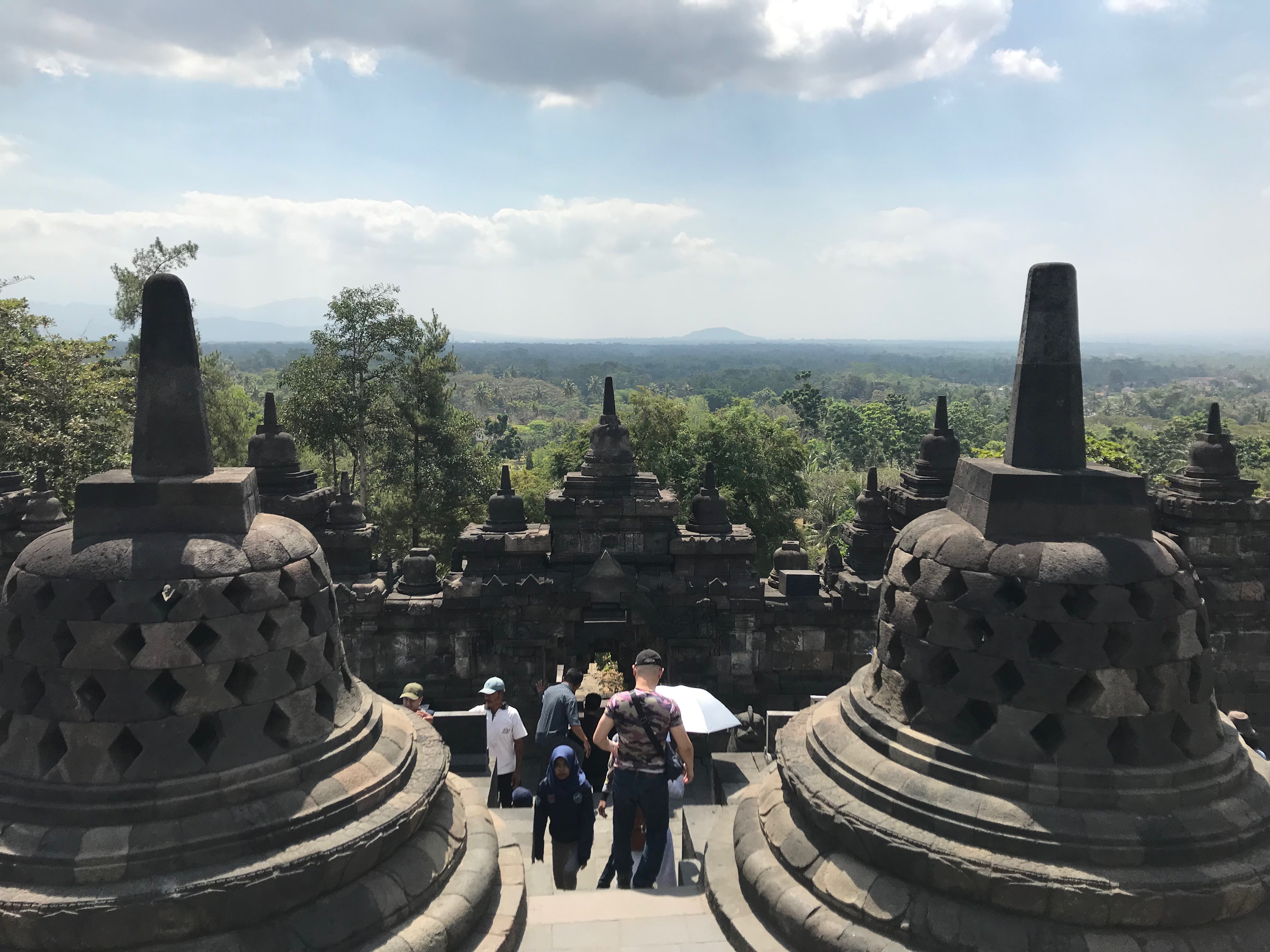
What I loved most about the temple was its serenity. Located further away from the city than Prambanan, the uninterrupted view of the mountains makes visiting here much more enjoyable. This may also have been because this was a weekday and not on a weekend like during our visit to Prambanan.

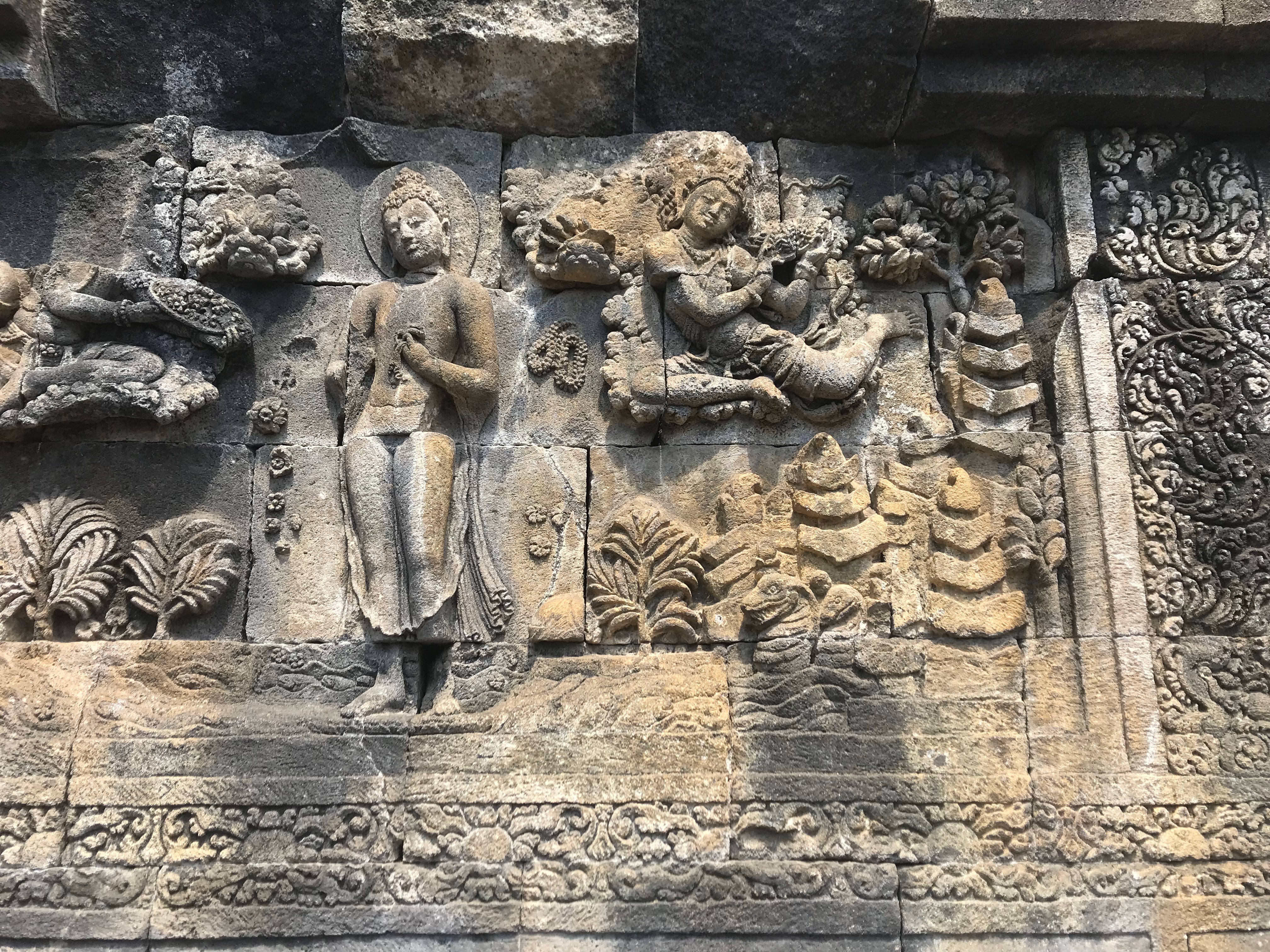
The reliefs on every level tell the story of the Buddha and his pilgrimage, beginning at the bottom and ascending to…you guessed it…ascension.

I did not get nearly enough time to explore, but I did get a celebratory notification from my watch telling me I got my step goal earlier than usual!

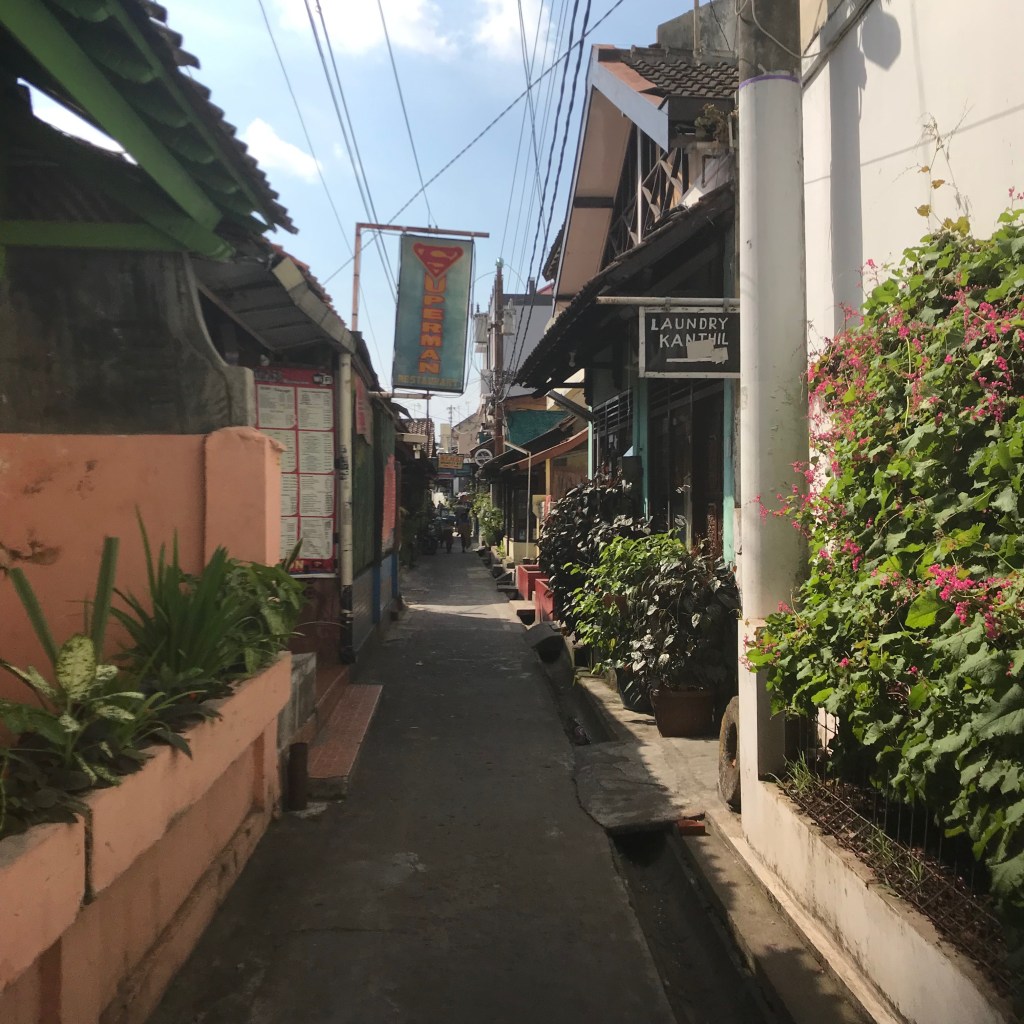
JALAN-JALAN DI JOGYA

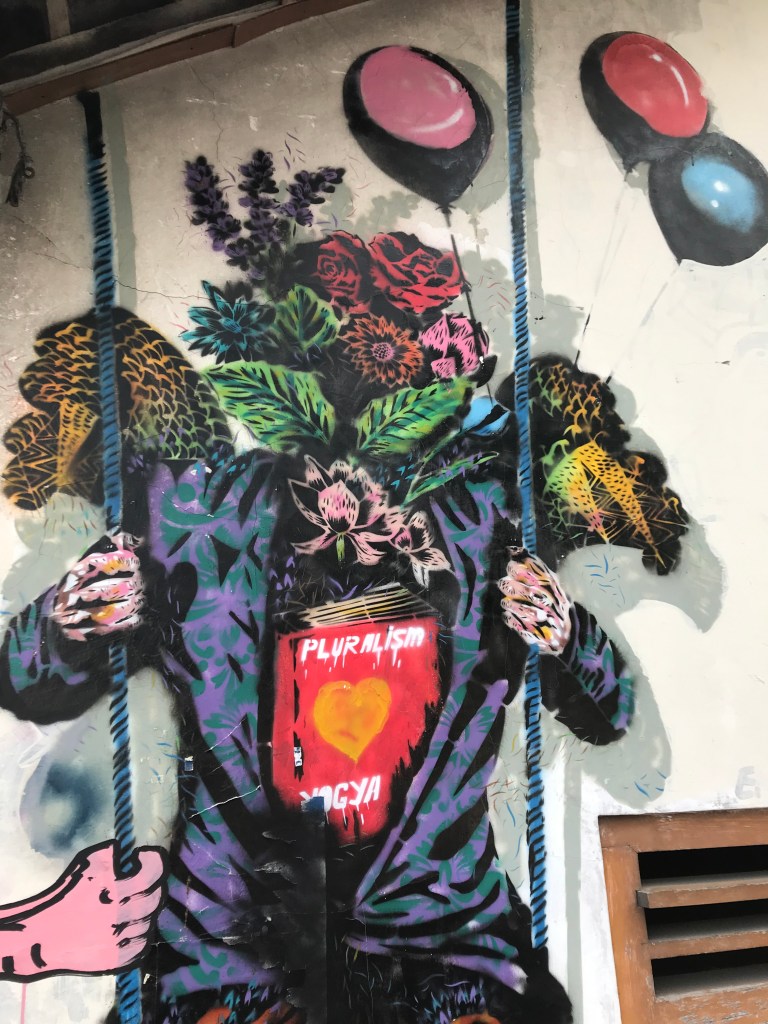
STREETS OF YOGYAK-ART-A

See what I did there?

Taman Sari

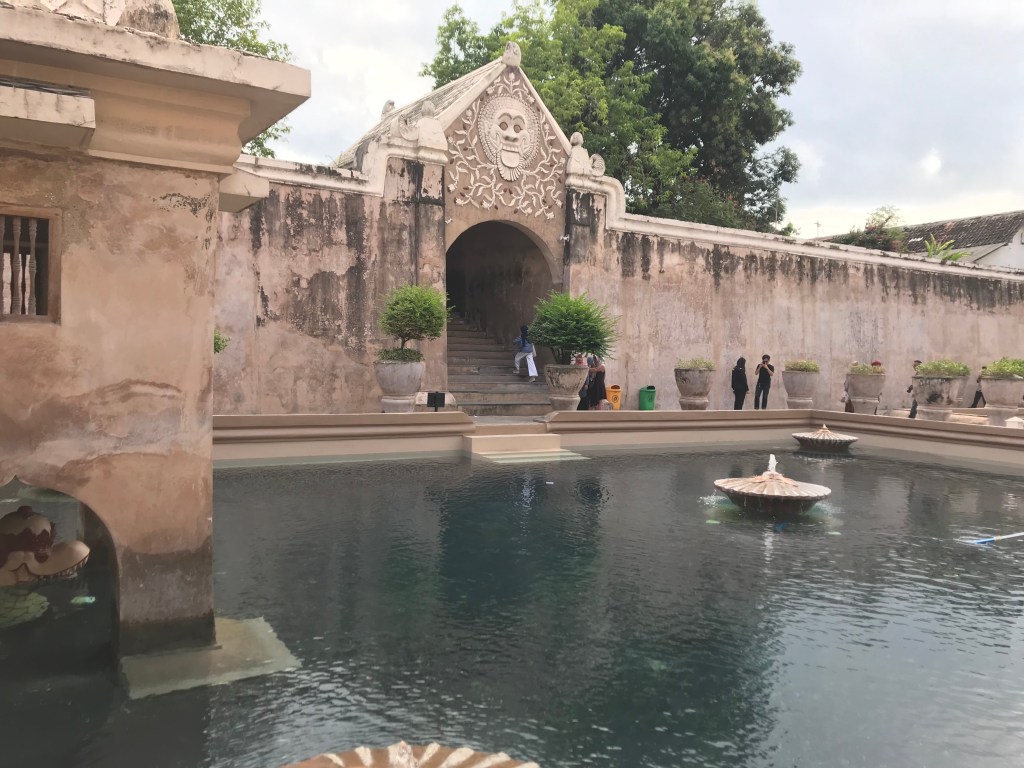
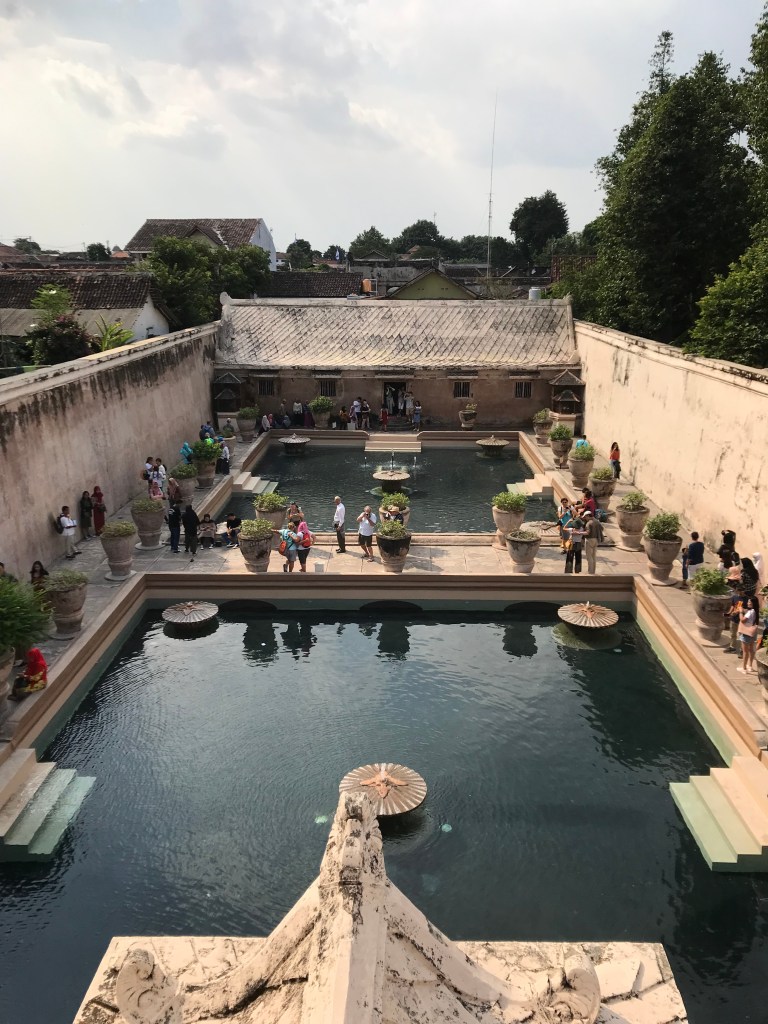
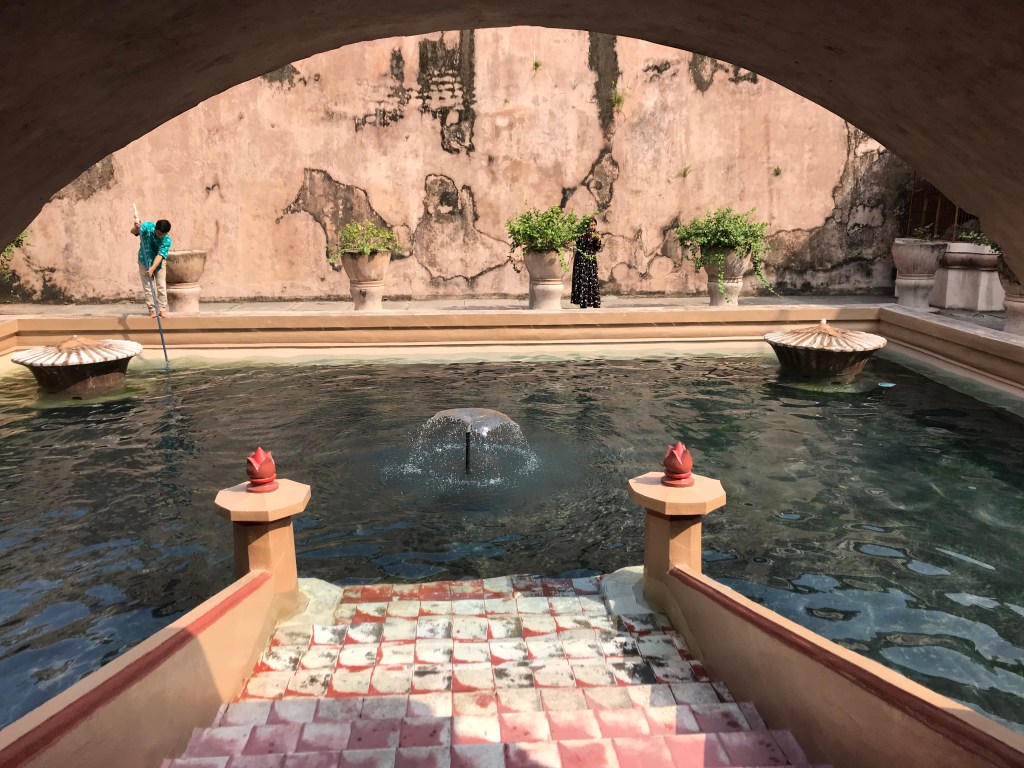
Baths for the Sultan and his…family…

This was separated from the main part of the Sultan’s Palace (Kraton) located around a kilometre away. The climate here seemed almost cooler than the dry, crowded palace grounds.

Pasar Kangen

Traditional dancing show at Pasar Kangen – “Nostalgia Markets”. These markets featured traditional foods and performances from olden times- bringing back childhood memories and building new ones, thereby instilling intergenerational appreciation of Indonesian foods and music.

Yogyakarta was much more than simply learning Bahasa Indonesia. Although I will take the lessons learned here and continue to build on them during my time in Jakarta, it extends far beyond being able to talk to others. Hopefully I can now understand people more than just the words they are saying. I can appreciate the history that seems to be buried under over-crowded metropolitans. Lost as those that can go study and live overseas.

But if Indonesia’s history is anything to go by, what is lost is never truly gone.

Centuries after they were buried, both temples were rediscovered and domestic and international efforts have not been spared in their restoration.

Young people play a huge role in the performances at markets such as Pasar Kangen.

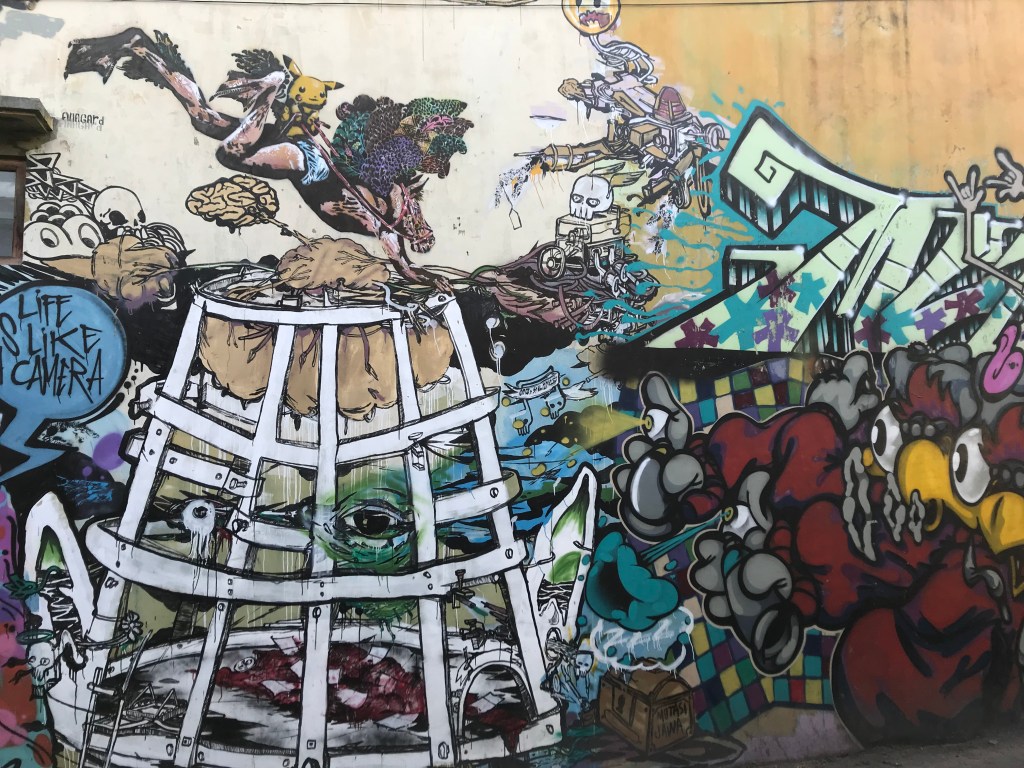
Art canvases the city.

These are all movements that show the culture of Indonesia is not lost, nor will it be swept away.

It will change and adapt, but the people who live in this city, and indeed the country, have an awe-inspiring ability to preserve their history so that it lives not by its artefacts, but by its people.

As development charges forth, drivers are continuing to ensure that culture is preserved and even furthered in their efforts to lift their people to a brighter future. Because culture is not just things, but people. And when people are put in charge of their own future they will bring everyone else with them.

Bogor

A quiet town of 950 000

The city is located directly south of Jakarta, and offers a great distraction from the city. While it may be significantly smaller, one cannot quite escape the traffic and chaos of city life.
This overview represents two visits to Bogor- one with my mother as a day trip, and the second with my fellow #AusVols for a two night stay.

There are two ways to travel here, the first being by train. The journey is 1.5 trip by the commuter line which quickly fills up, leaving everyone else standing for the duration of the trip. 

Or one can drive there, which can take anywhere from 1.5 hours to 3 or 4, or even more. The traffic is unpredictable, making the $3.50 train ride a much better option, even while standing (something we fully appreciated on our way back in the car). The commuter rail was established as it relieves the traffic from workers travelling between Bogor and Jakarta each day for work.
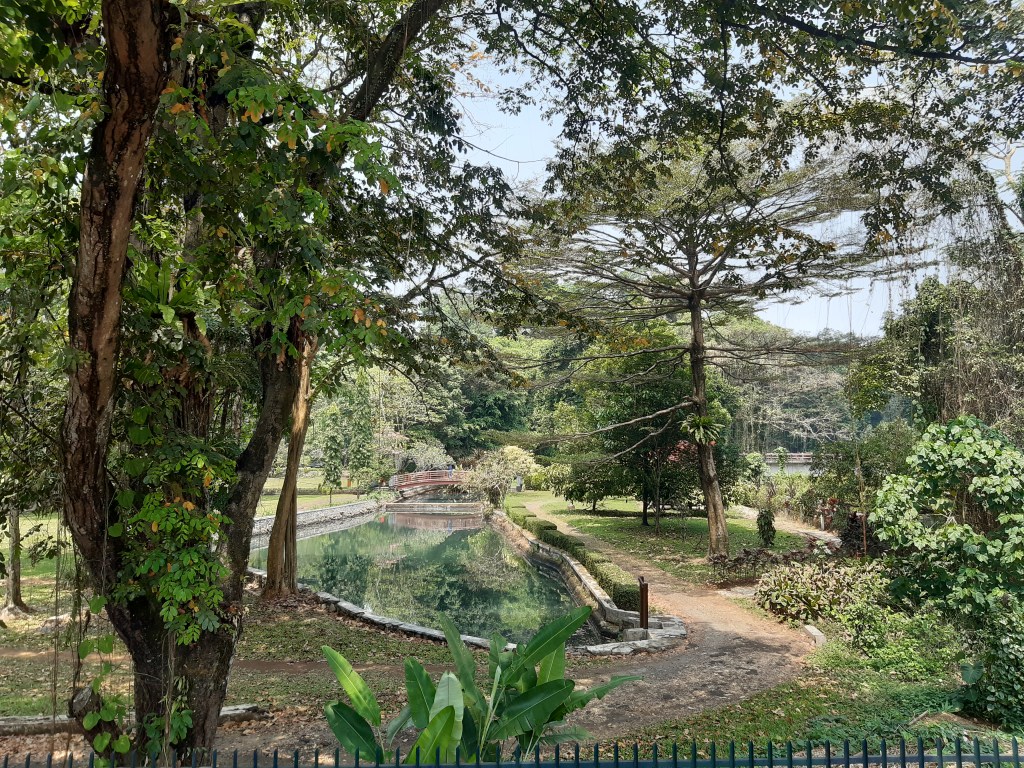
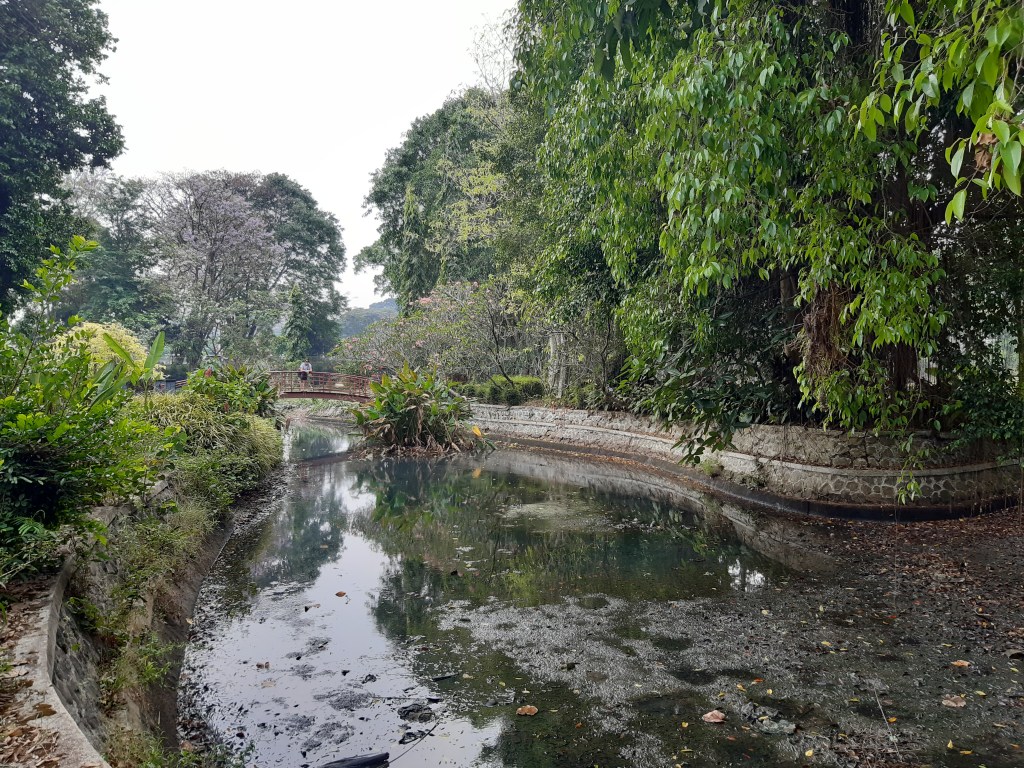
While it didn’t necessarily live up to our hope of a relaxing getaway, due to the traffic, the beautiful surrounds are worth re-visiting, especially with better planning to get out into the countryside away from the constant congestion of city life in Indonesia.

Presidential Residents

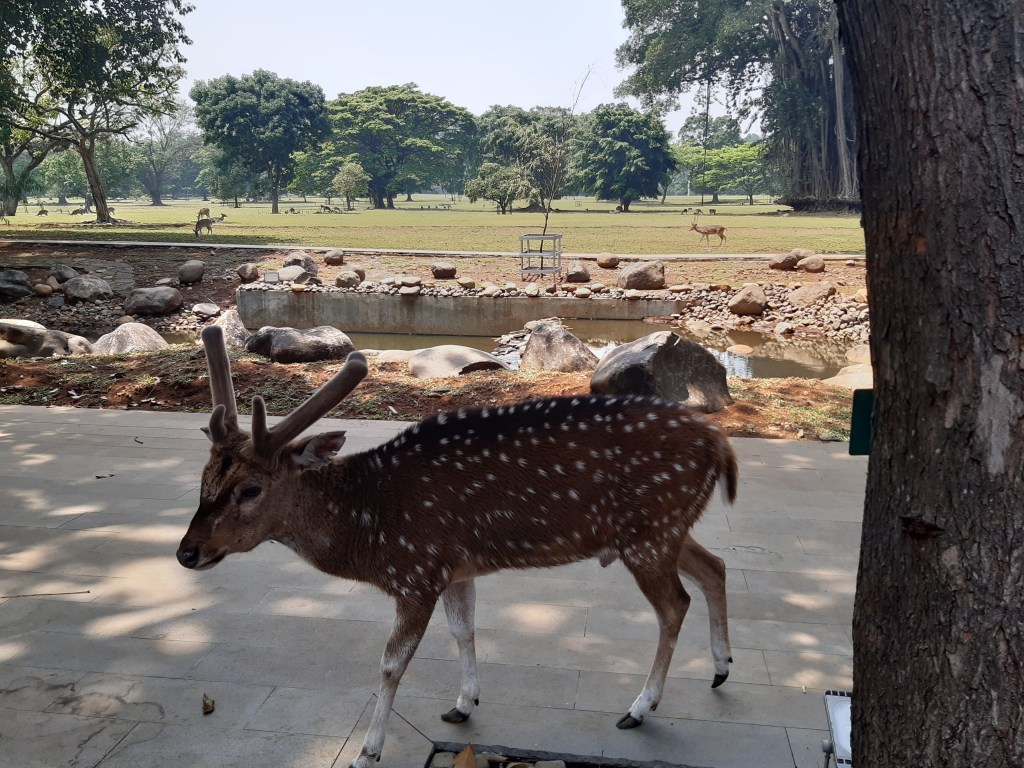
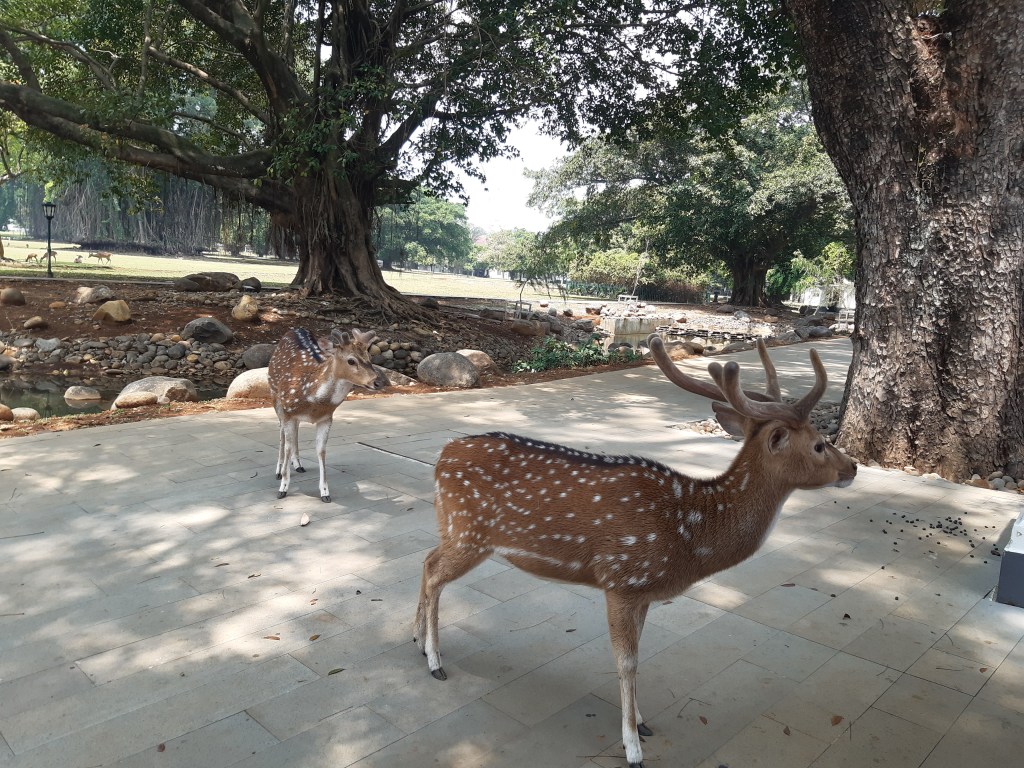
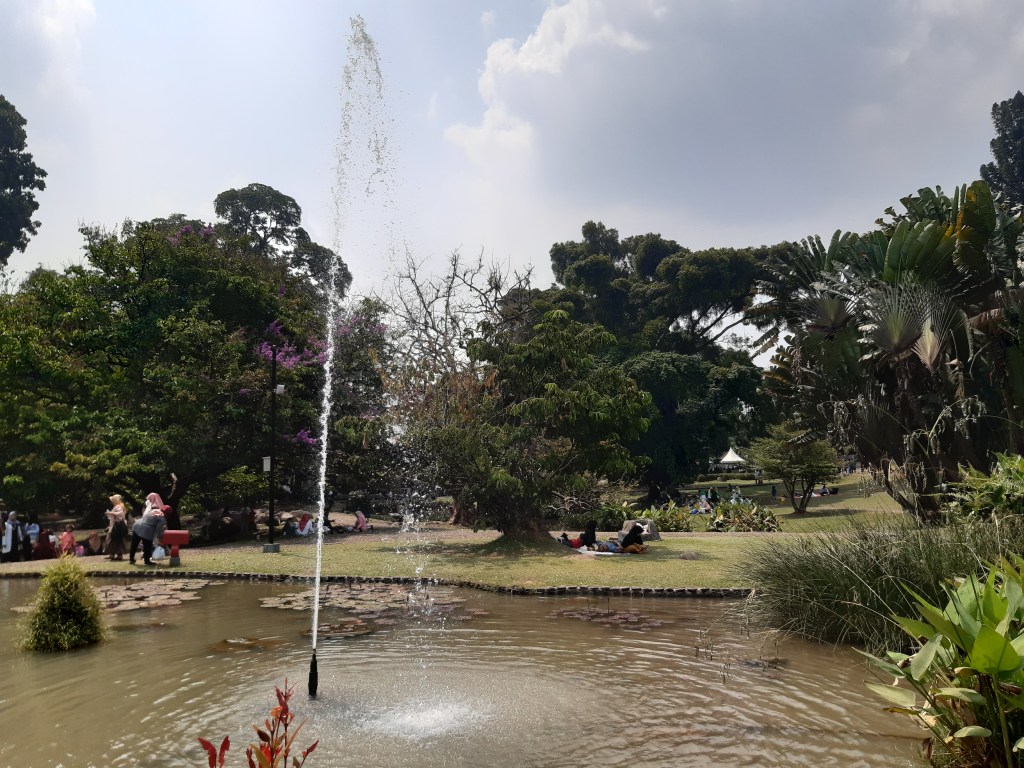
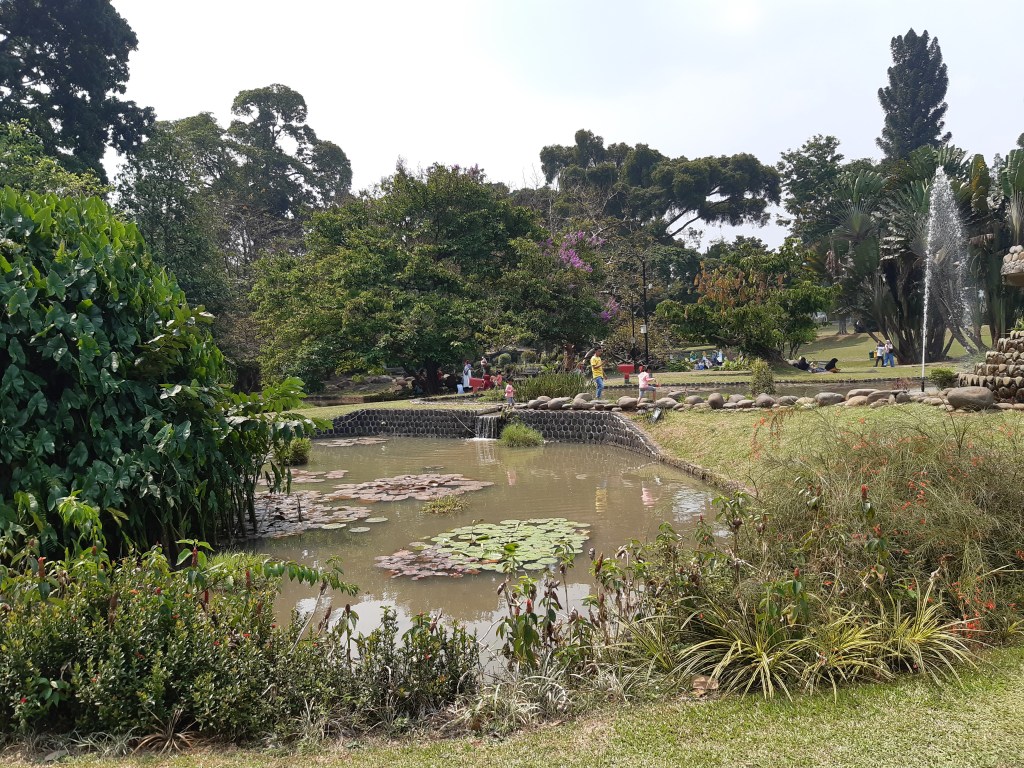
Botanical Gardens

Pasar Baru

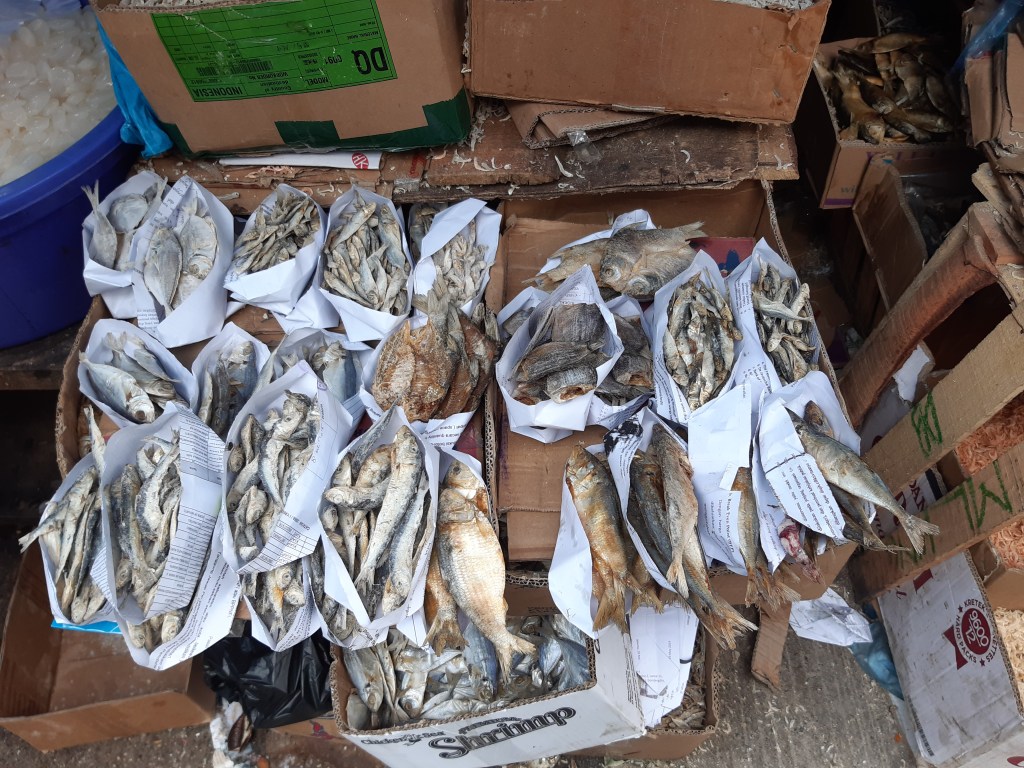
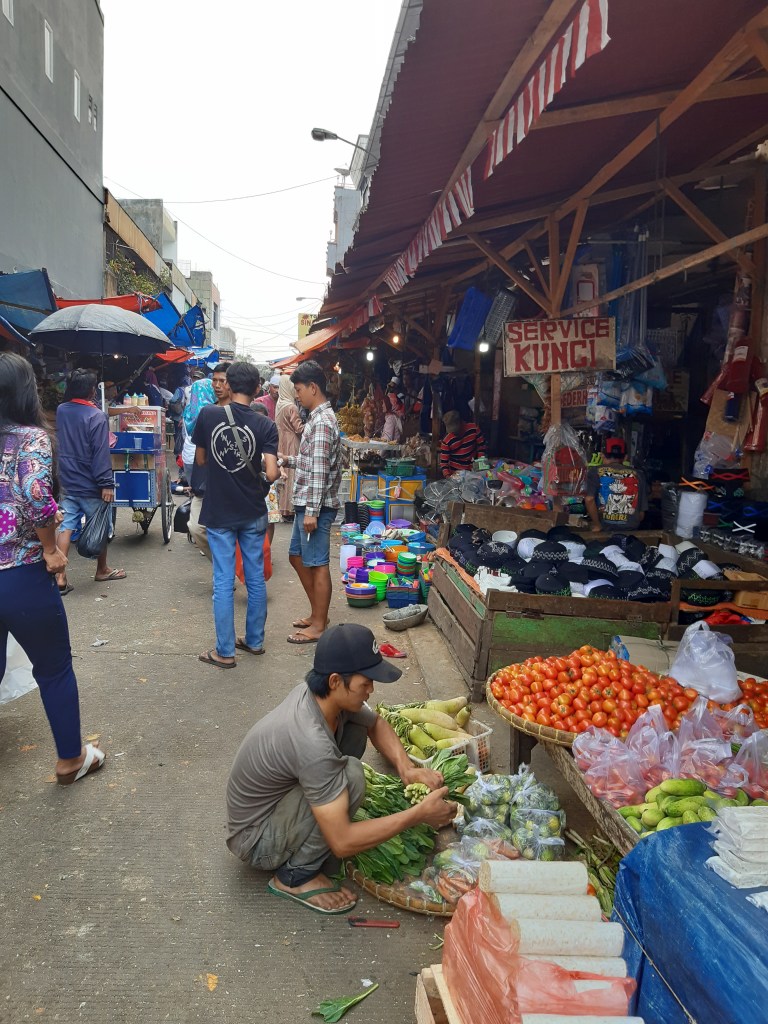
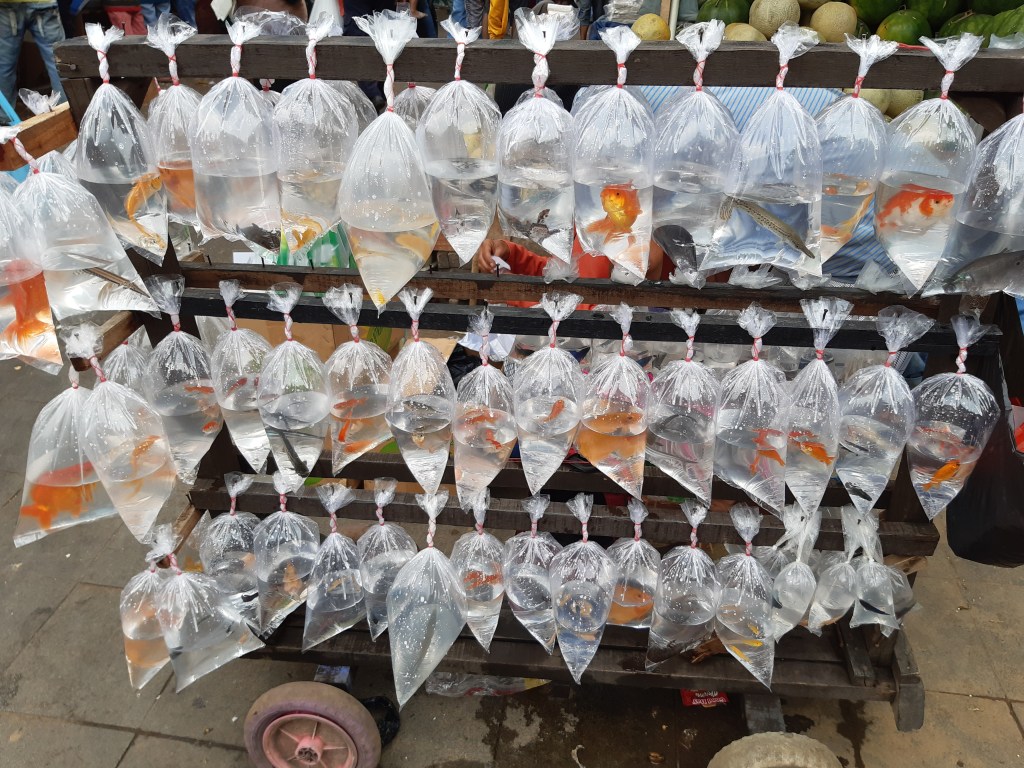
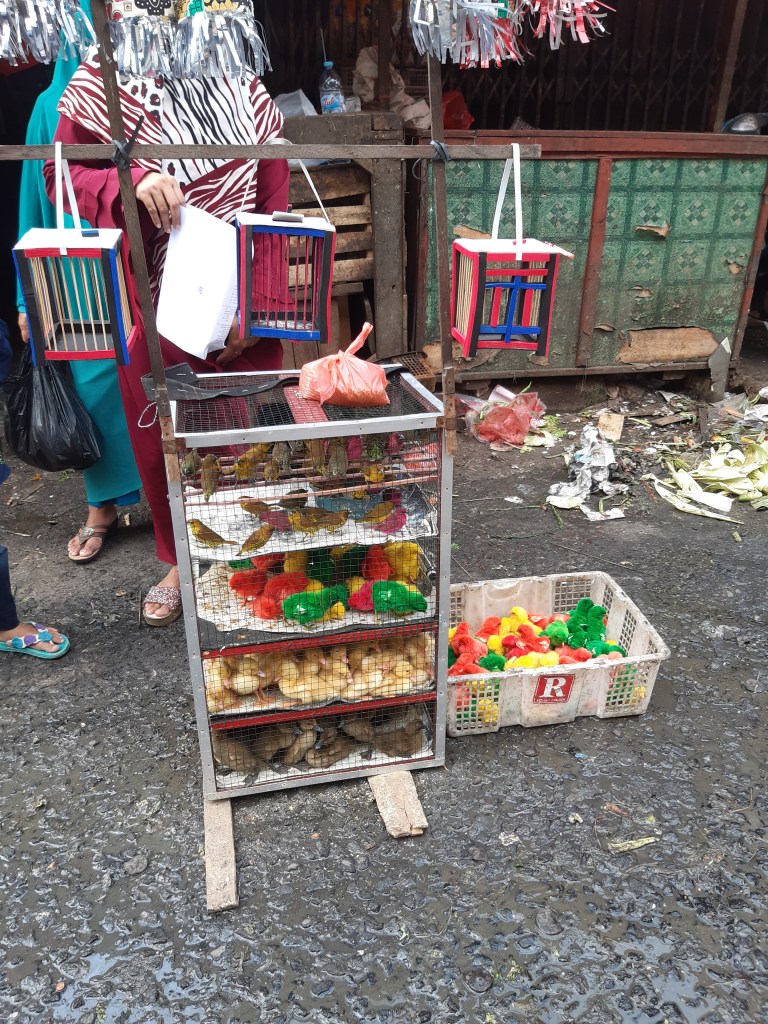
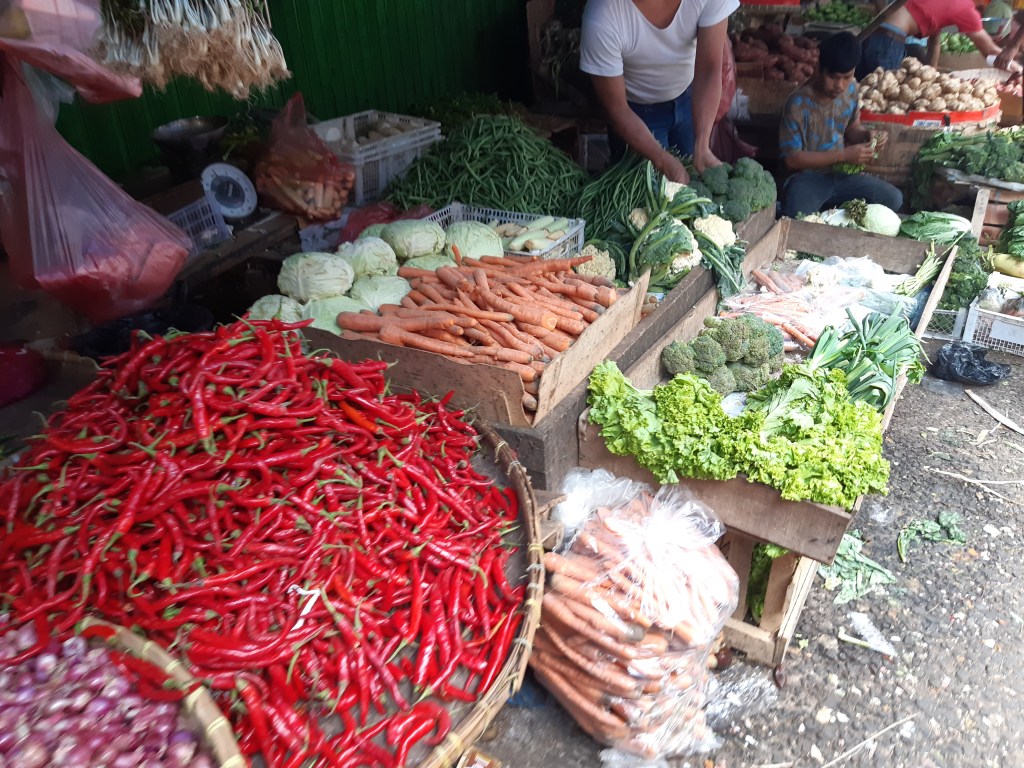
Markets- I am quickly learning to expect anything in Indonesian markets- dyed chickens are just the beginning (only a few weeks ago at Car-Free Sunday along the main street of Jakarta I saw someone taking their pet otter for a walk…it had a leash and everything). It can be very hard to see sometimes…as a visitor it is difficult to know when earning a living or an animal life take precedence.
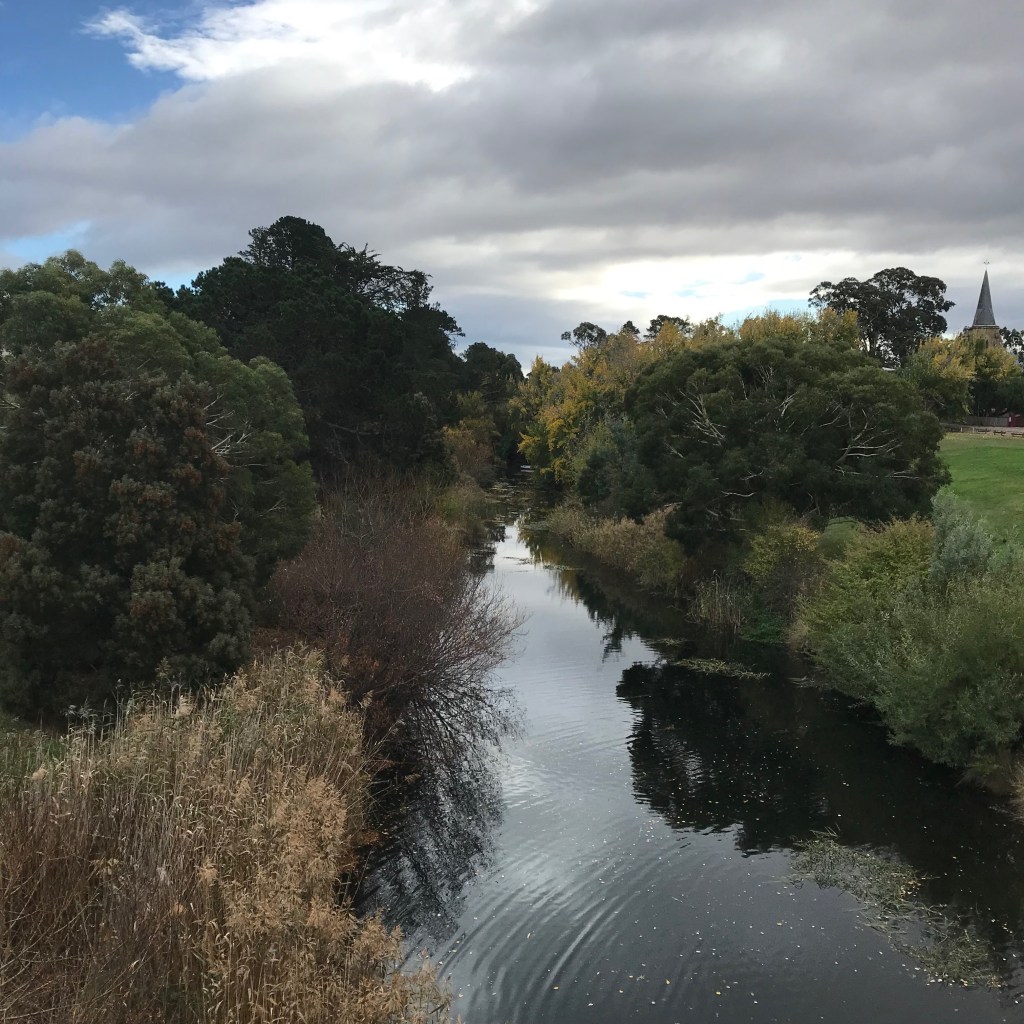
Overnight

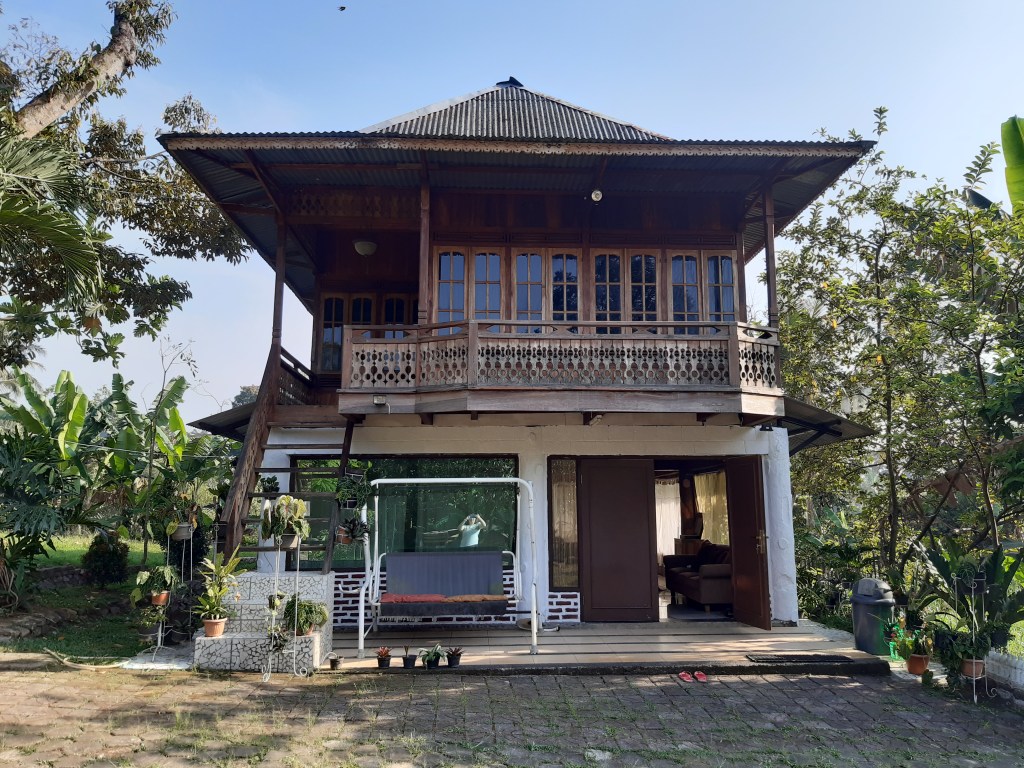
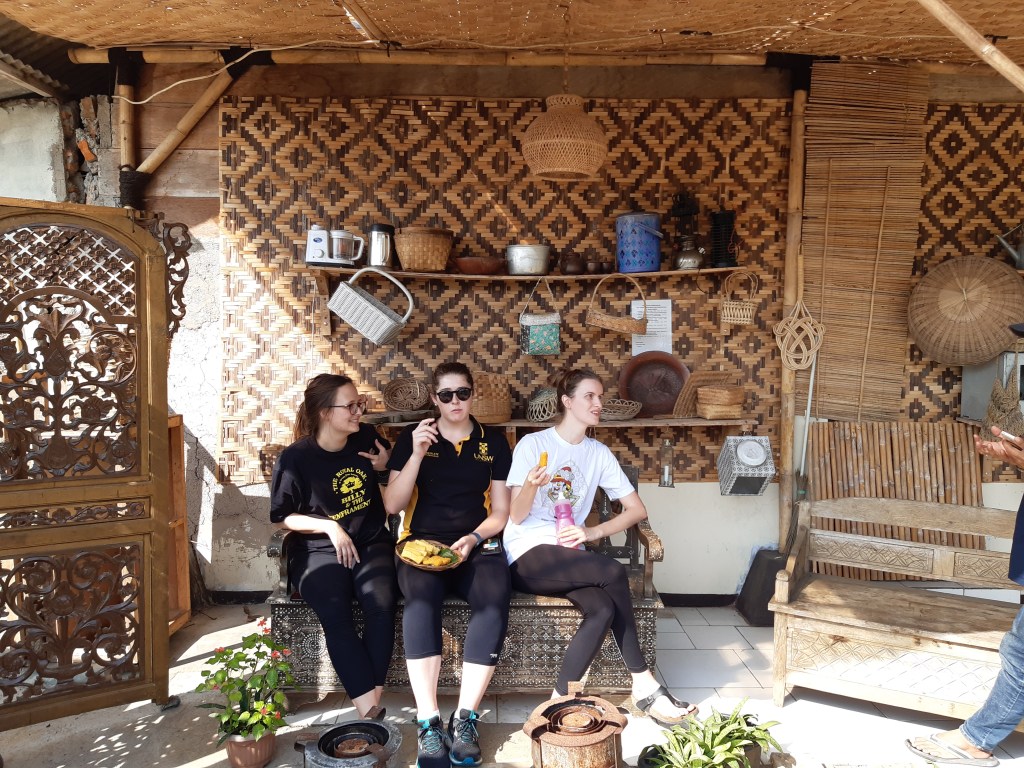
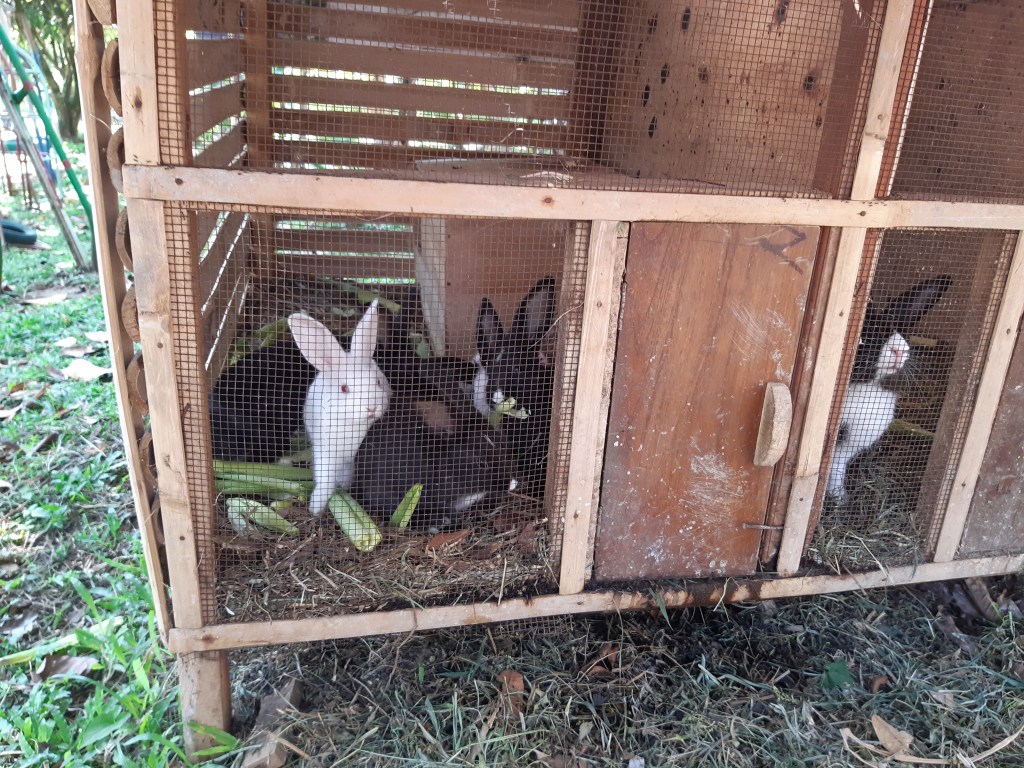
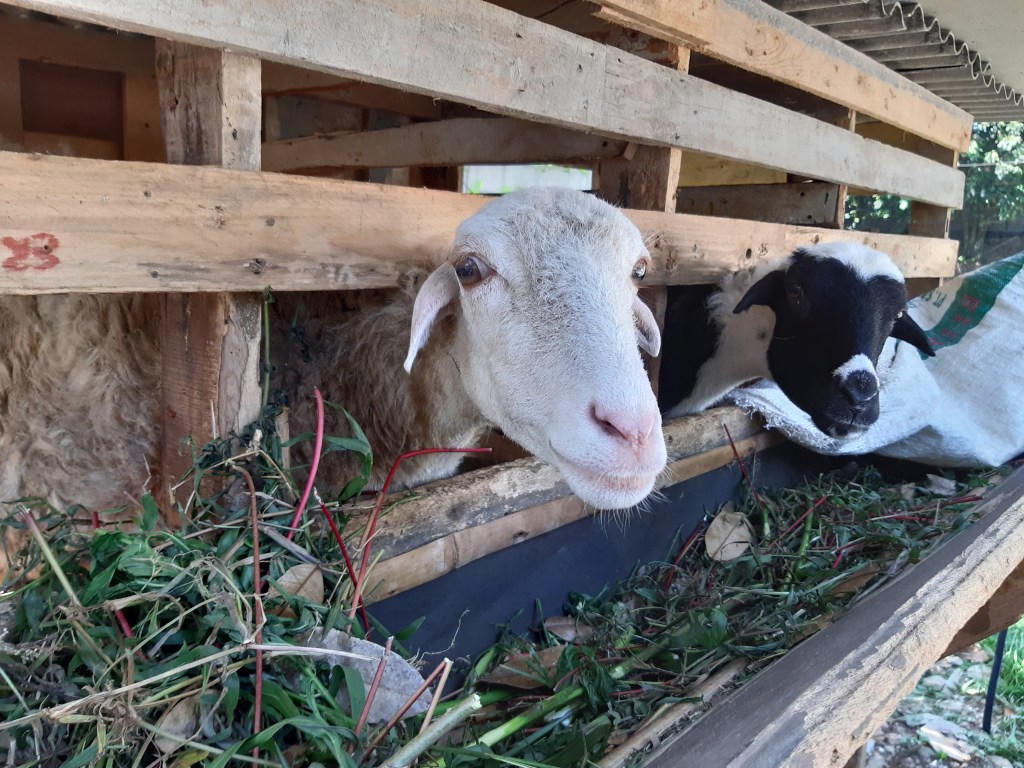
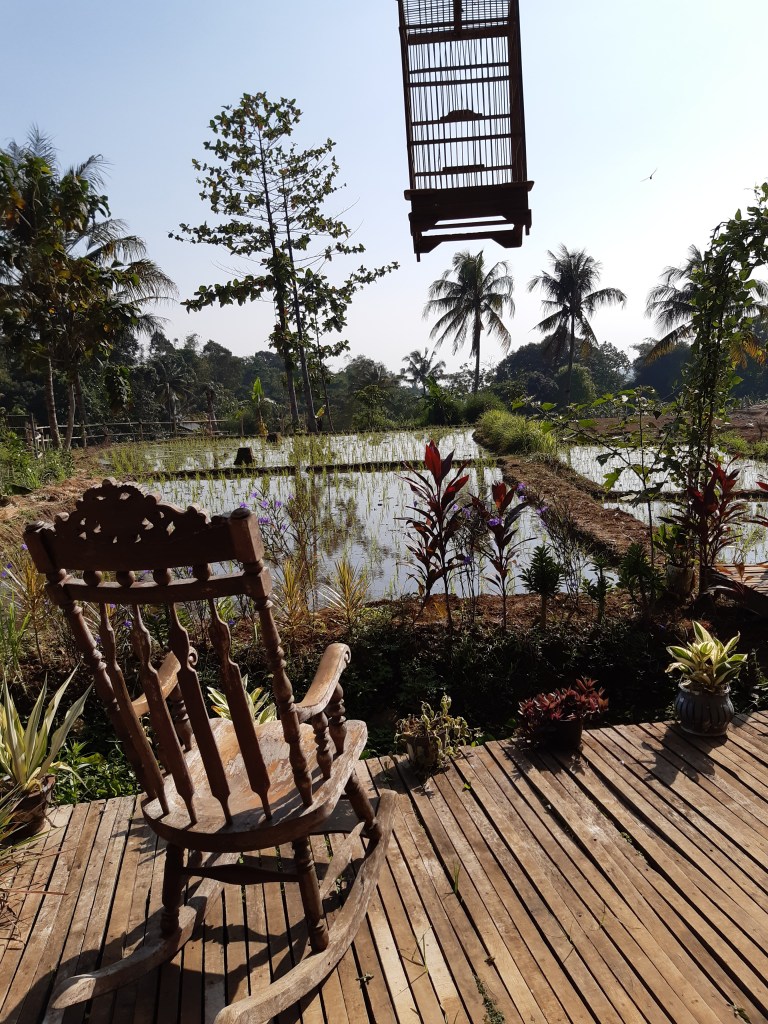
Our traditional-style farm-stay quickly brought to light the dangers of AirBnB- while located on picturesque rice fields and hosted by amazing people, the proximity to the mosque (not pictured) made the house shake at 4:00 am and the busy road (not pictured) was populated by motorbikes racing down the mountain at night.
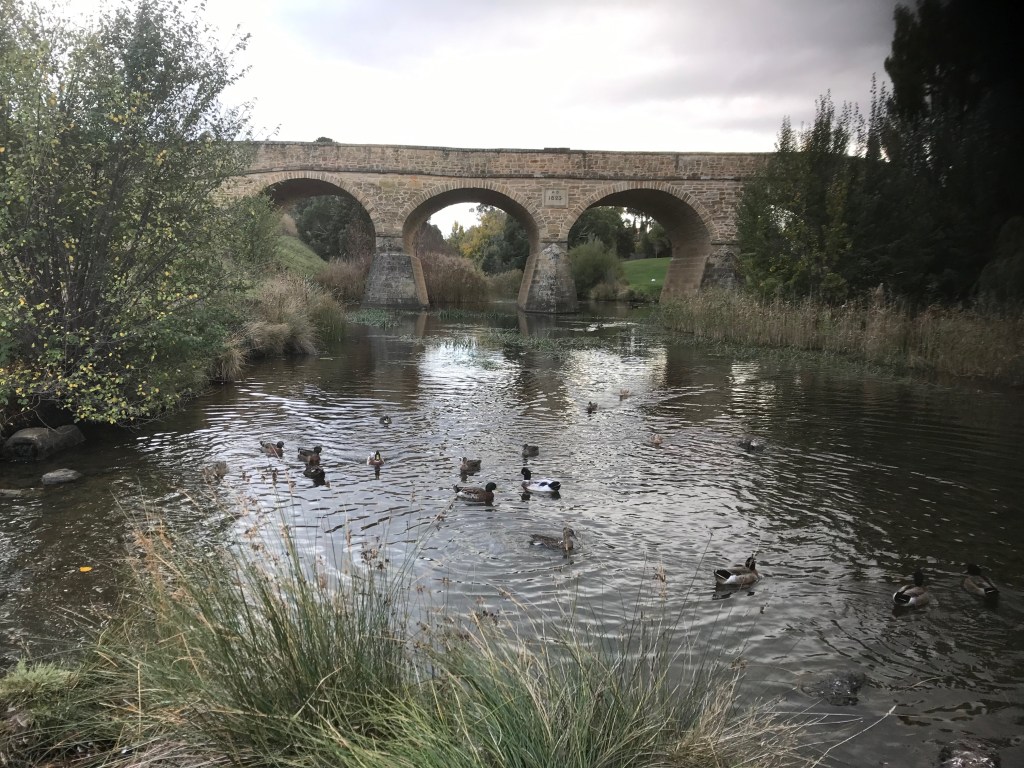
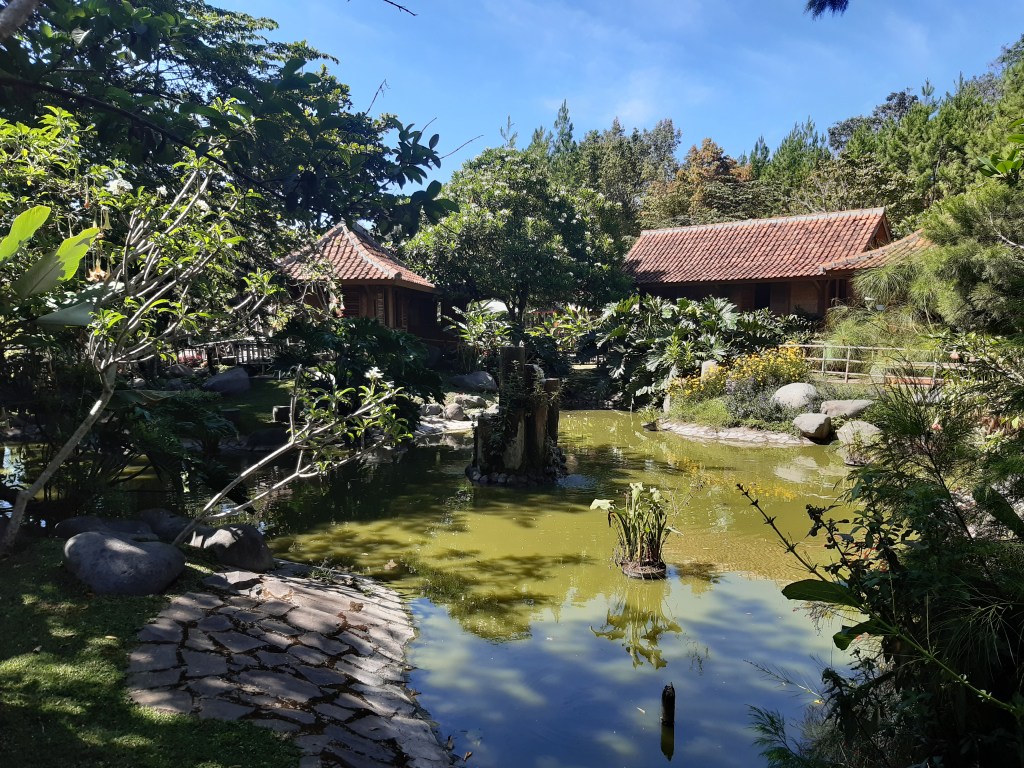
Despite the drawbacks it was a beautiful property, and greenery and life were very welcome (as were the fried bananas- pisang goreng- and nasi goreng for breakfast)!

Gunung Gede

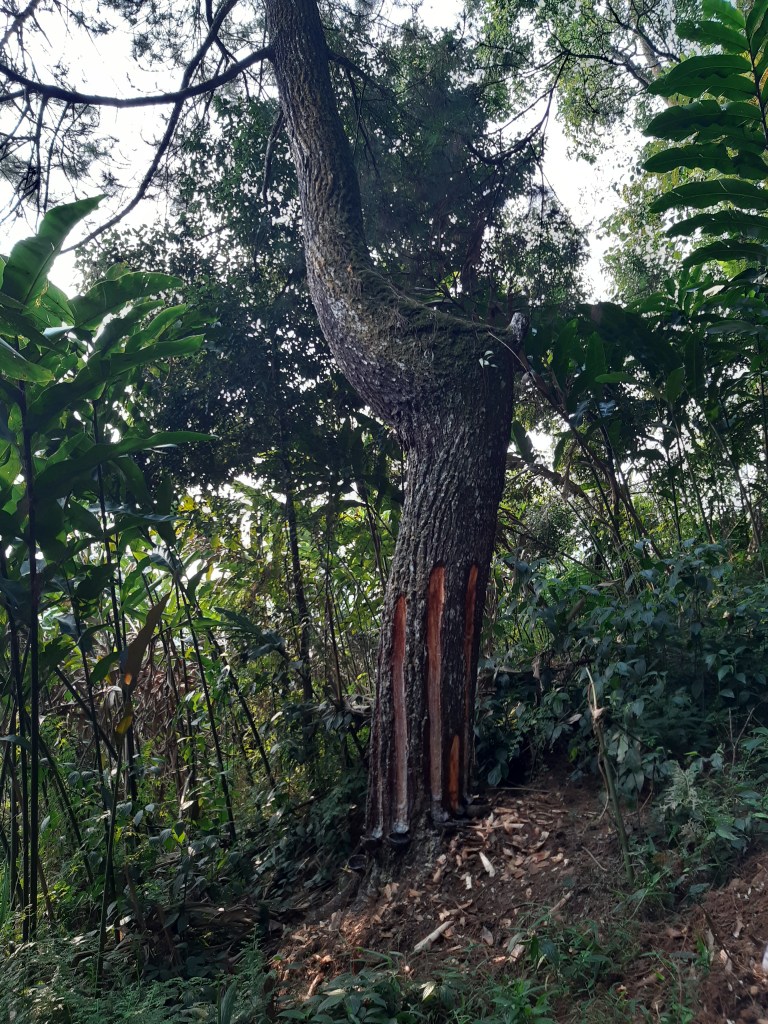
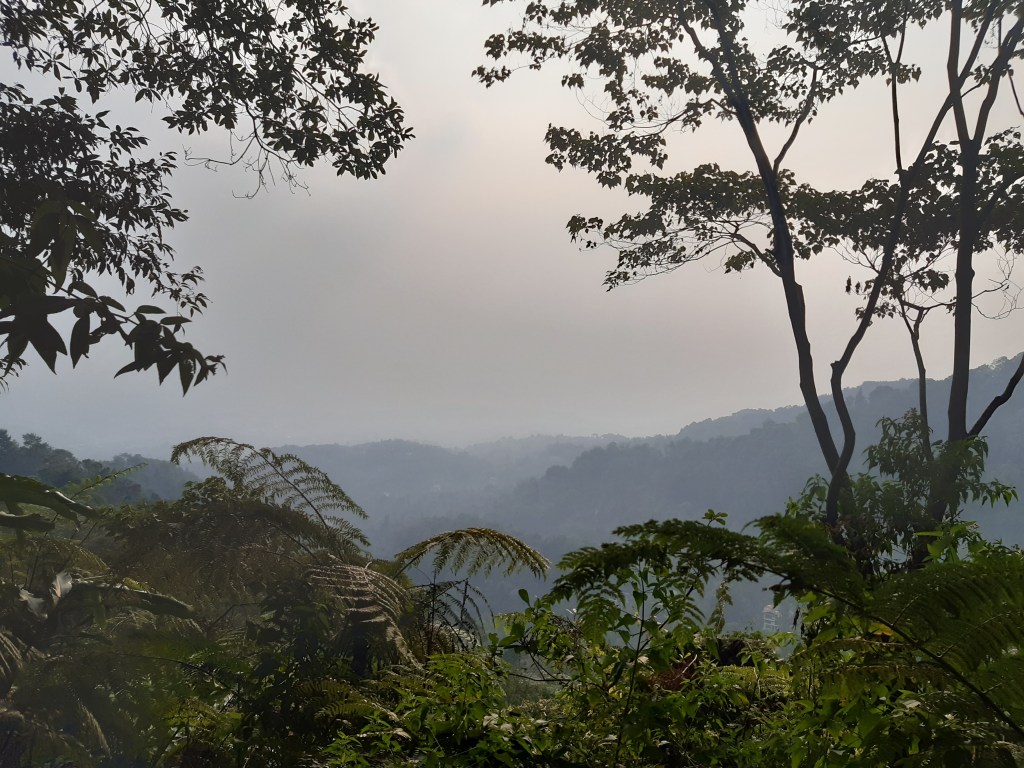
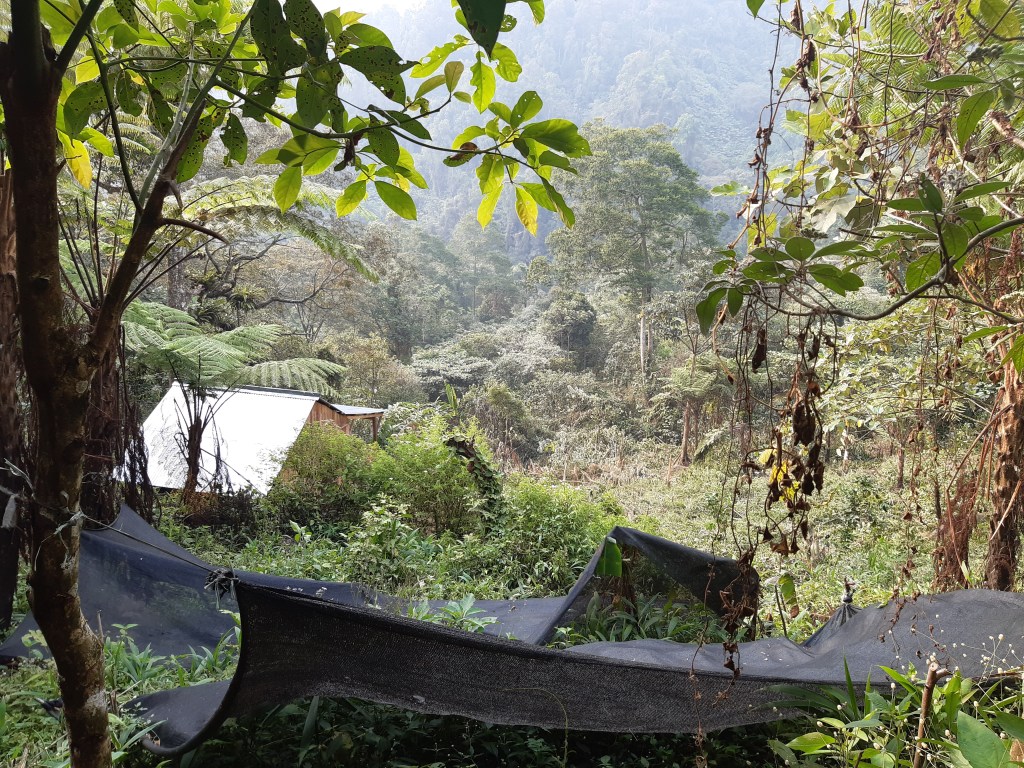
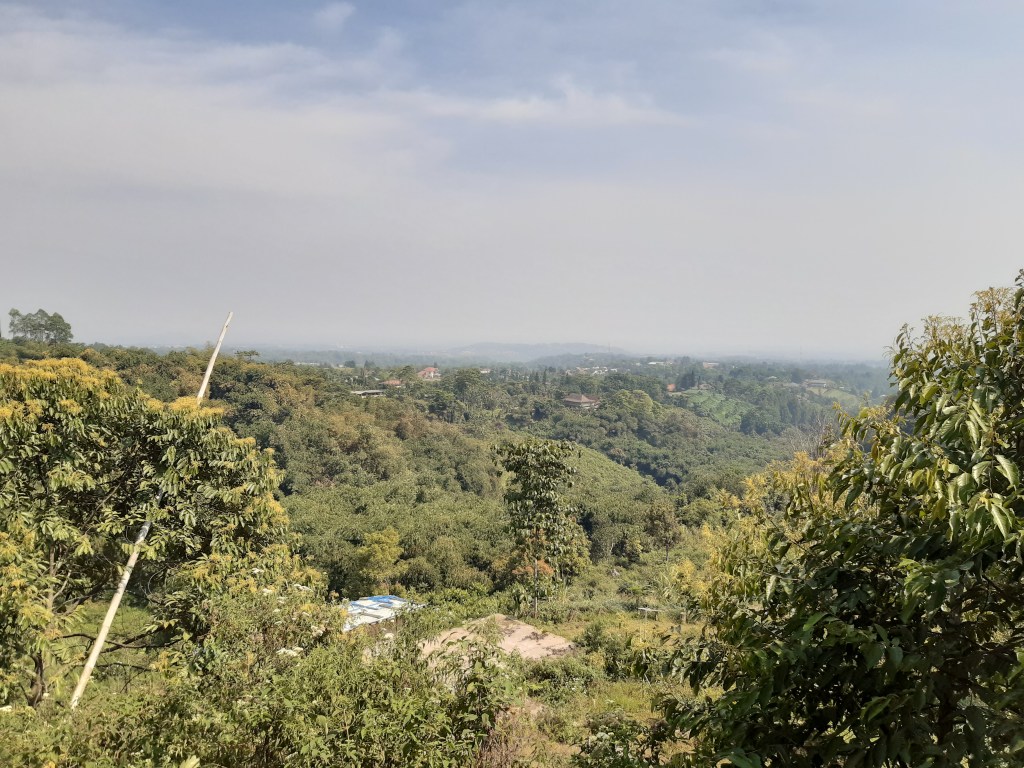
Gede Mountain- home to coffee plantations and extraordinary views of smog.

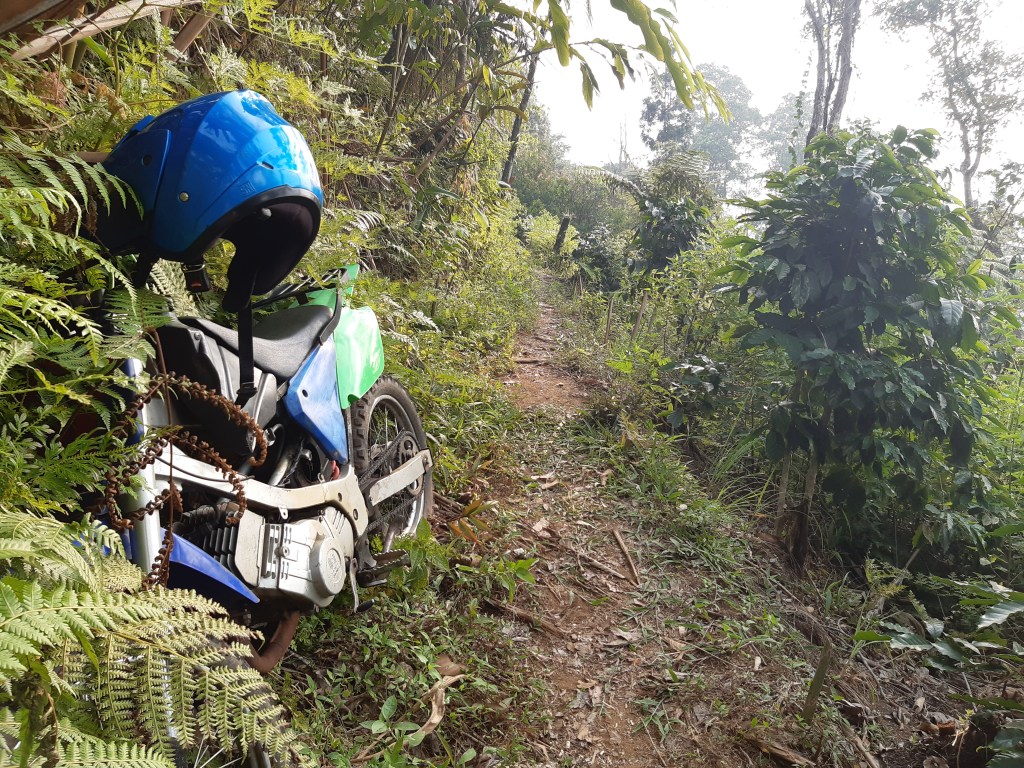
The rare and elusive wild sepeda motor..singularly skilled to make the treacherous mountain tracks of South East Asia, they lie in wait for the unwary walker.

Gunung Salak

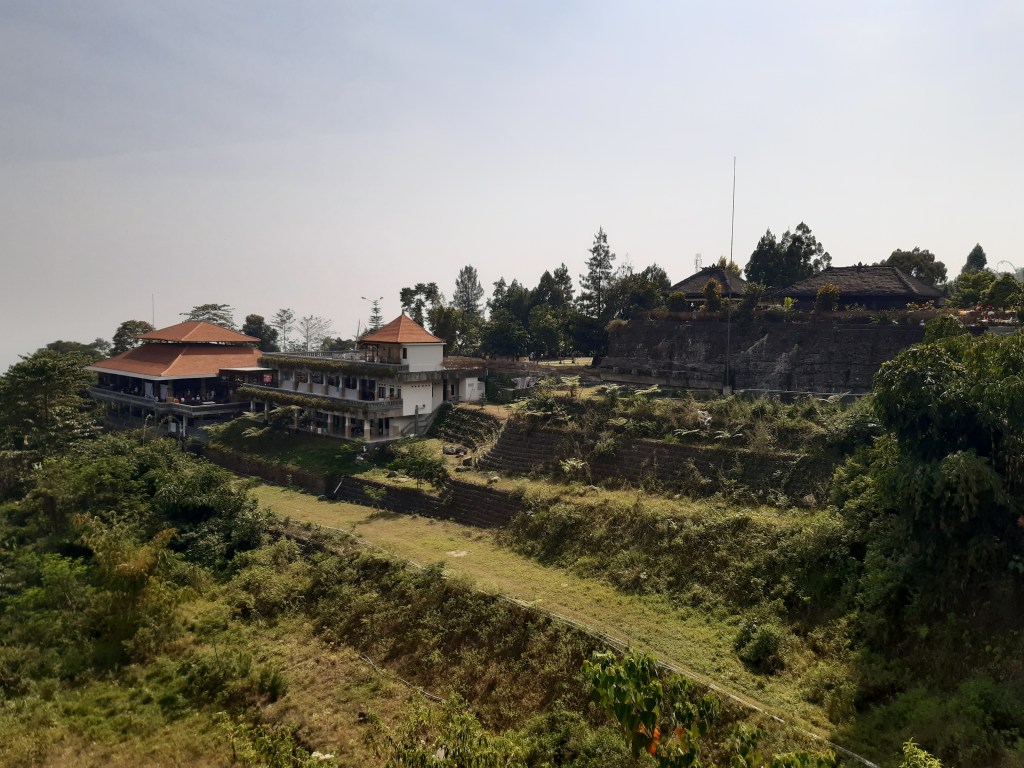
Hindu Temple and views from Mount Salak. If you look closely you can see Jakarta in the distance!

Design a site like this with WordPress.com
Get started